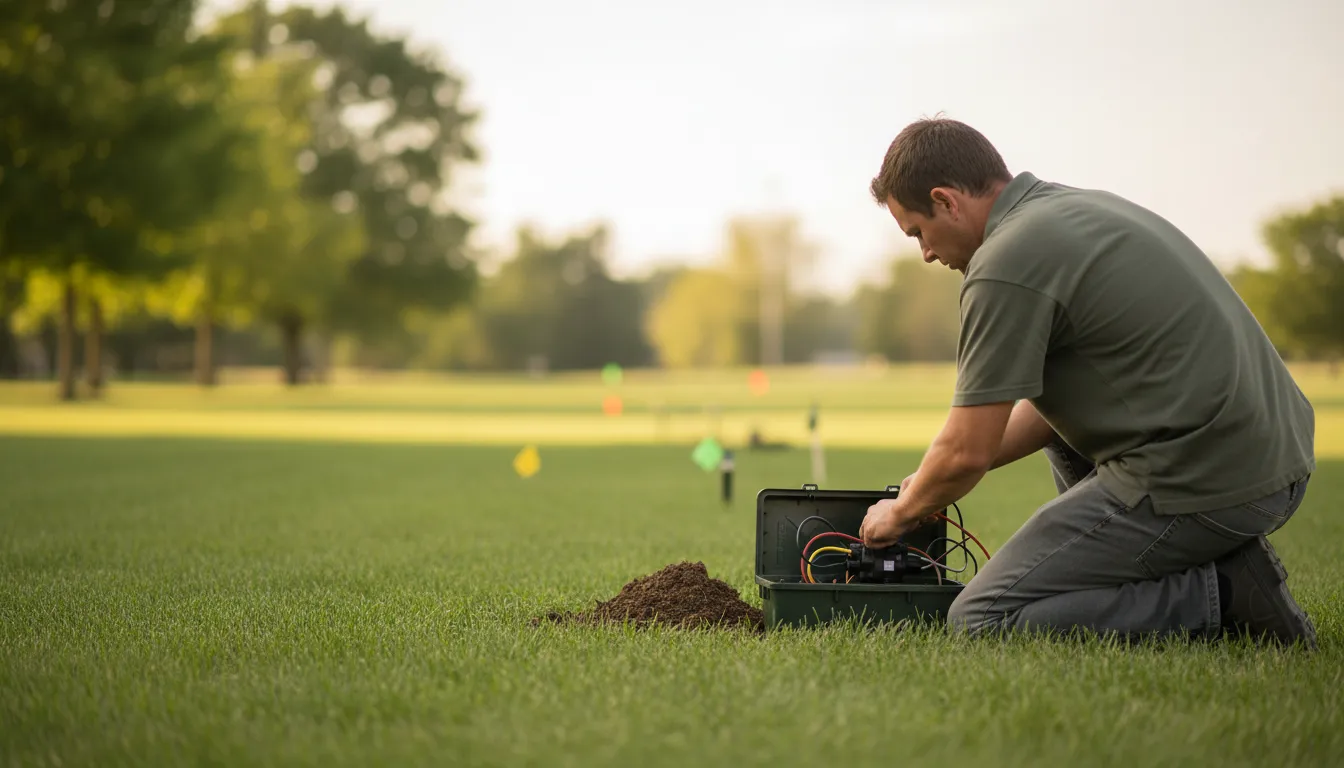
Find the Best Sprinkler & Irrigation Companies for Your Business
No obligation • Fast responses • Nationwide coverage

Why you can trust Landscape Atlas
Landscape Atlas is a leading United States resource for evaluating landscaping, lawn care, and outdoor service providers. Our team researches each category in depth, focusing on service quality, safety, and customer experience. Listings and rankings are based on independent criteria and user feedback, and companies cannot pay to influence our assessments or recommendations.
Search providers near you
Best Sprinkler & Irrigation Companies in Kentucky Ranked
A well-designed sprinkler or irrigation system is a cornerstone of a healthy, vibrant Kentucky landscape. It ensures your lawn, garden beds, and shrubs receive the right amount of water at the right time, conserving a precious resource while promoting deep root growth and plant resilience. This guide will help you understand your options, the installation process, local considerations, and how to connect with qualified professionals in the Bluegrass State to bring efficiency and beauty to your outdoor space.
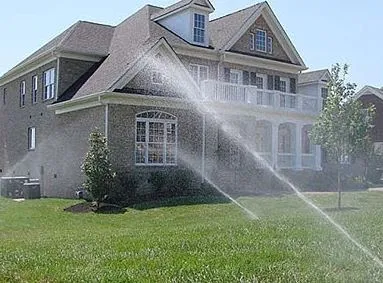
Automatic Rain Irrigation
501 Darby Creek Rd #49a, Lexington, KY 40509
Automatic Rain Irrigation is a lawn care and irrigation company based in Lexington, KY, serving residential and commercial clients in Central Kentucky. They offer a range of services including sprinkler system installation, repair, and winterization, as well as lawn fertilization, weed control, mosquito control, and outdoor lighting installation. With over 35 years of experience, Automatic Rain Irrigation provides licensed professionals who specialize in enhancing outdoor spaces through irrigation and landscape lighting solutions.
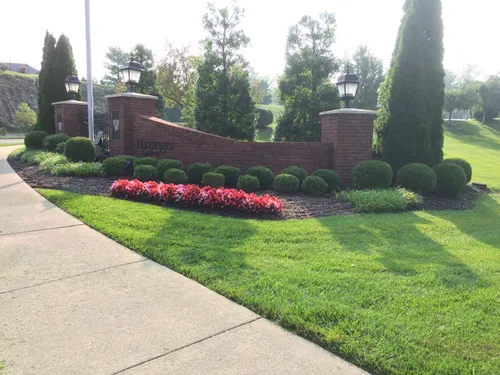
Four Seasons Landscape Management
9908 Secretariat Dr, Goshen, KY 40026
Four Seasons Landscape Management is a full-service landscaping and lawn care company serving Louisville, KY, and nearby areas including Goshen and Prospect. Established in 2005, they offer a wide range of services such as lawn fertilization, weed control, liquid soil aeration, mosquito control, landscape design and installation, ornamental tree and shrub care, mowing, and irrigation repair. The company holds a pesticide license from the State of Kentucky and employs licensed and certified staff to ensure professional and safe service. With over 20 years of experience, Four Seasons also provides commercial snow and ice removal services.
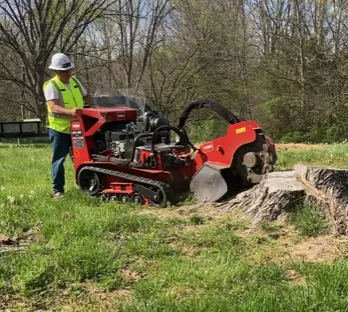
Absolute Stump Grinding
6008 Northwood Dr, Crestwood, KY 40014
Absolute Stump Grinding is a Louisville, KY-based company specializing in stump grinding and removal, along with landscape design and construction services. They offer a range of outdoor solutions including irrigation system installation, sod and seed installation, planting, fencing, and hardscaping features. Their commercial-grade stump grinder is designed for maneuverability in tight spaces and uses advanced technology to minimize lawn damage and control debris. Founded in 1997 as Absolute Land Construction LLC, the business has over 40 years of experience under owner Bryan, who started in lawn maintenance in 1983. The company is fully licensed and insured, providing services for properties of all sizes.
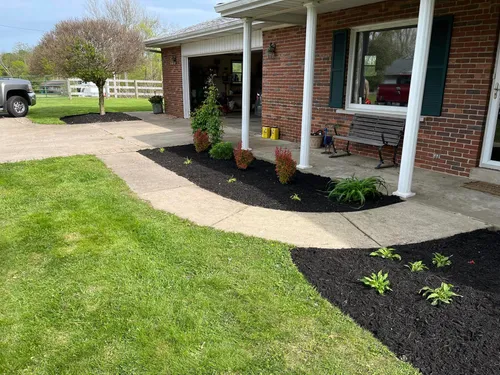
Kingdom Landscapes and Irrigation LLC
102 E Main St Suite 9, Georgetown, KY 40324
Kingdom Landscapes and Irrigation LLC is a landscaping company based in Lexington, KY, offering a wide range of services including lawn mowing, landscape design, outdoor lighting installation, tree removal, stump grinding, and sprinkler system installation and repair. They serve Lexington, Georgetown, and surrounding areas, providing comprehensive lawn care and irrigation solutions. The company emphasizes integrity and quality in every project, from small tasks to large landscape transformations.
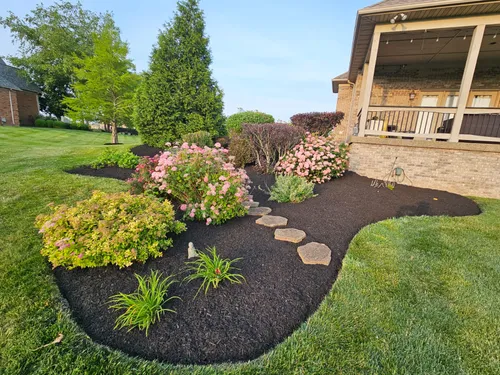
Cortez Landscaping & Gardening Service
208 Virginia Ln, Nicholasville, KY 40356
Cortez Landscaping & Gardening Service is a landscaping company based in Lexington, KY, offering a wide range of outdoor services. Their expertise includes lawn care, garden design, hardscaping, irrigation systems, tree services, and fence installation. With over 20 years of experience, they focus on creating functional and visually appealing landscapes tailored to client preferences. Cortez Landscaping also provides full insurance coverage for added client protection.
Understanding Your Irrigation System Options
Choosing the right type of system is the first step toward efficient watering. The two primary categories for residential properties are in-ground sprinkler systems and drip irrigation, each serving distinct purposes.
In-Ground Sprinkler Systems These are the most common choice for watering lawns. They consist of a network of underground pipes connected to pop-up sprinkler heads that rise to water the grass and then retract. There are two main types of heads:
- Rotor Heads: Ideal for larger, open lawn areas. They rotate a stream of water back and forth, covering a greater distance (typically 15 to 50 feet) and are more water-efficient for big spaces.
- Spray Heads: Best for smaller, irregularly shaped zones. They emit a fixed spray pattern (full, half, or quarter circle) and are excellent for covering precise areas near walkways or foundations.
Drip Irrigation This method delivers water slowly and directly to the root zone of plants through a network of tubes and emitters. It is the superior choice for garden beds, vegetable plots, shrubs, trees, and foundation plantings. Drip systems minimize water loss from evaporation and wind drift, making them highly efficient and can lead to significant water savings. They also help prevent fungal diseases by keeping foliage dry.
The Installation Process: From Design to Completion
Professional installation of an in-ground system is a multi-step process that ensures long-term reliability and efficiency.
- Site Evaluation & Design: A specialist will assess your property's topography, soil type, sun exposure, and plant material. They then create a zoning plan, grouping areas with similar water needs (e.g., sunny lawn, shaded lawn, perennial beds) on separate valves. Proper design is critical for uniform coverage and water conservation.
- Trenching: Trenches are dug for the mainline and lateral pipes that will supply water to each zone. The depth must be below the frost line in Kentucky to prevent winter freeze damage.
- Pipe & Valve Installation: PVC or polyethylene pipes are laid in the trenches. A backflow preventer-a crucial device required by code to keep irrigation water from contaminating your home's drinking water-is installed at the connection to your main water supply. Zone control valves, which act as electronic taps for each section of your yard, are placed in valve boxes for easy access.
- Head & Emitter Placement: Sprinkler heads are installed at the ends of lateral lines and adjusted to grade. For drip systems, tubing is laid along plant rows, and emitters are punched in at each plant.
- Controller & Sensor Setup: The system is connected to an irrigation controller (timer). Modern smart controllers can adjust watering schedules based on local weather data, further enhancing efficiency. Rain sensors that shut off the system during rainfall are often required or highly recommended.
- System Flush & Check: Finally, the system is pressurized, flushed of debris, and each head is checked for proper operation, coverage, and adjustment.
Key Considerations for Kentucky Homeowners
Permits and Regulations In Kentucky, installing a new irrigation system typically requires a permit, as it involves modifying your home's plumbing. The Kentucky Department of Housing, Buildings & Construction notes that a plumbing permit is necessary for new installations 1 2. Your irrigation professional should handle this process, which ensures the system meets state and local codes, particularly the proper installation of a backflow prevention device.
Local Watering Restrictions Many Kentucky municipalities have specific ordinances governing outdoor watering, especially during summer months to manage demand. These can include rules about which days you can water (e.g., even/odd street addresses) or time-of-day restrictions (e.g., no watering between 10 AM and 6 PM). It is essential to check with your local city or county water authority for the most current rules. A well-designed system with a smart controller can be easily programmed to comply with these restrictions.
Seasonal Maintenance To protect your investment, systems require seasonal attention. In the fall, a blow-out winterization service is mandatory. A professional uses compressed air to force all water out of the pipes, heads, and valves, preventing costly freeze damage. In the spring, the system should be reactivated, checked for leaks, and heads cleaned and adjusted.
Find the perfect sprinkler & irrigation companies for your needs
Get personalized recommendations and expert advice
Cost Guide for Installation and Repairs
Understanding the potential investment helps in planning and budgeting. Costs vary widely based on property size, system complexity, and the type of equipment used.
New Installation Costs Most professionals price systems by the "zone" (a section controlled by one valve) or by square footage.
- Per Zone: Installing a new zone typically costs between $600 and $2,000, with the average home requiring 4 to 6 zones.
- Per Square Foot: You can also expect a range of $0.88 to $2.50 per square foot of irrigated area 3.
- Total Project: For a typical quarter-acre lot, a full in-ground sprinkler system installation often falls in the range of $3,000 to $10,000 or more 4 5. Drip irrigation for garden beds is generally less expensive per zone but depends on the number of plants and emitters 6.
Factors influencing cost include:
- Property size and complexity (slopes, obstacles)
- Type and number of sprinkler heads or drip emitters
- Quality of valves, pipe, and controller (basic vs. smart)
- Local labor rates and permit fees
Repair and Service Costs Common issues include leaky pipes or valves, clogged or broken sprinkler heads, and faulty wiring or controllers. Repair costs are separate from installation and are usually less, but vary based on the problem's complexity. Regular maintenance services, like spring start-ups and fall winterizations, are predictable annual expenses that prevent larger repair bills.
Benefits of a Professional Irrigation System
Beyond convenience, a professionally installed and managed system offers tangible advantages:
- Water Conservation: Efficient heads, proper zoning, and smart technology prevent overwatering and runoff, reducing your water bill and environmental impact.
- Healthier Landscape: Consistent, deep watering encourages stronger, deeper root systems, making your lawn and plants more drought-tolerant and resilient.
- Property Value: A quality irrigation system is seen as a valuable upgrade that enhances curb appeal and can be attractive to future homebuyers.
- Time Savings: Automating your watering schedule frees up your weekends and ensures your landscape is cared for even when you're away.
Finding the Right Professional in Kentucky
When looking for an irrigation specialist, seek out licensed, insured professionals with experience in Kentucky's specific climate and regulations. They should conduct a thorough site evaluation, provide a detailed written estimate, explain the zoning plan, and clearly outline the permit process. Ask about the equipment brands they use, their warranty, and if they offer ongoing maintenance services. A reputable provider will be happy to answer all your questions and provide references.
Frequently asked questions
Sources
Footnotes
-
Homeowner's Informational Packet for an Irrigation System - https://dhbc.ky.gov/Documents/HOs%20Info%20-%20Irrigation%20System.pdf ↩
-
Best Cost of Garden Irrigation System: Ultimate 2025 Guide - https://randalllandscaping.com/cost-of-garden-irrigation-system/ ↩
-
How Much Does it Cost to Install a Sprinkler System in 2026? - https://lawnlove.com/blog/sprinkler-system-cost/ ↩
-
How Much Does a Sprinkler System Cost? (2026) - HomeGuide - https://homeguide.com/costs/sprinkler-system-install-cost ↩
-
A Comprehensive Guide to Irrigation System Installation in KY - https://westrocklandscaping.com/blog/a-comprehensive-guide-to-irrigation-system-installation-in-ky ↩
-
How Much Does Drip Irrigation Cost in 2026? - LawnStarter - https://www.lawnstarter.com/blog/cost/drip-irrigation-cost/ ↩