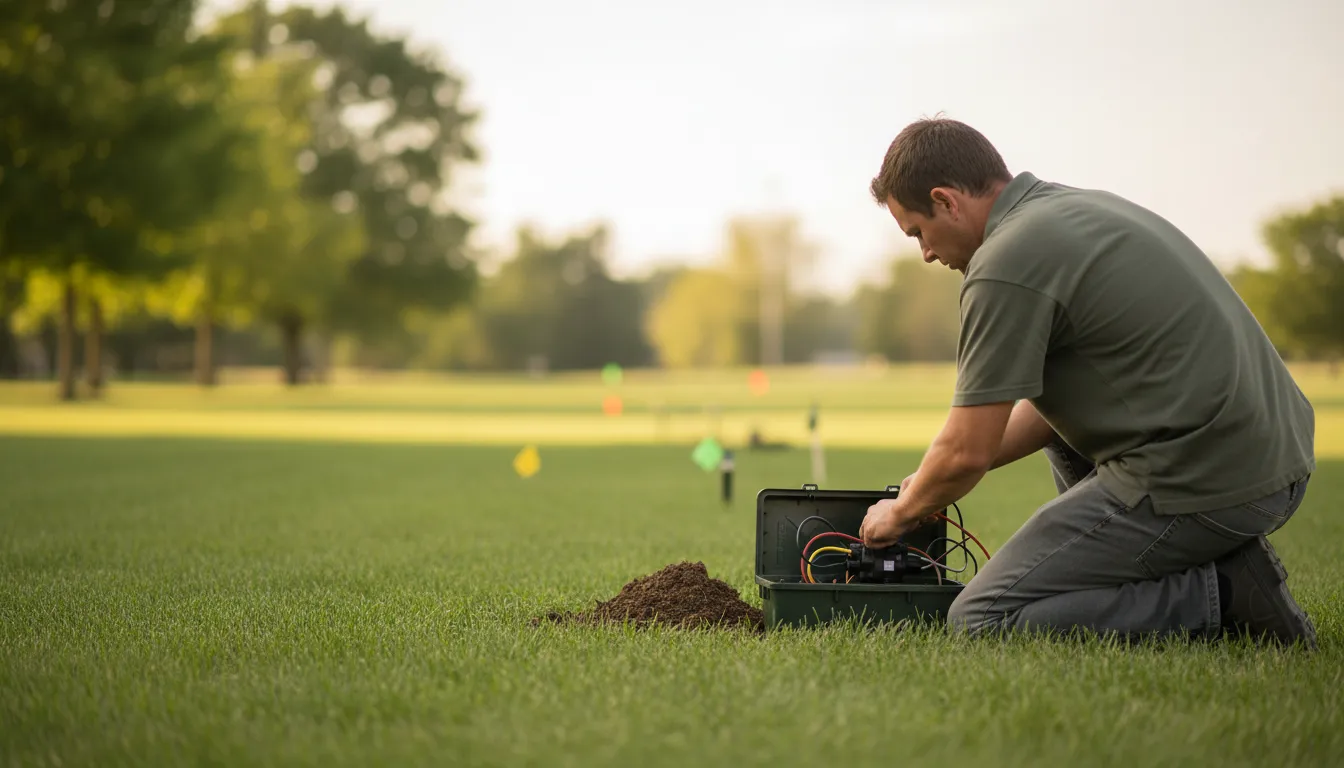
Find the Best Sprinkler & Irrigation Companies for Your Business
No obligation • Fast responses • Nationwide coverage

Why you can trust Landscape Atlas
Landscape Atlas is a leading United States resource for evaluating landscaping, lawn care, and outdoor service providers. Our team researches each category in depth, focusing on service quality, safety, and customer experience. Listings and rankings are based on independent criteria and user feedback, and companies cannot pay to influence our assessments or recommendations.
Search providers near you
Top Sprinkler & Irrigation Companies in Louisville, Kentucky Ranked
A well-designed sprinkler and irrigation system is more than just convenience; it's a strategic investment in the health and beauty of your Louisville property. These automated watering systems deliver precise amounts of water exactly where and when your lawn and landscape need it, promoting deep root growth and conserving a vital resource. For homeowners and property managers in Louisville, navigating the options for installation, maintenance, and repair can be complex. This guide will help you understand how these systems work, what to consider for your specific needs, and how to connect with skilled local professionals who understand our unique climate and soil conditions.
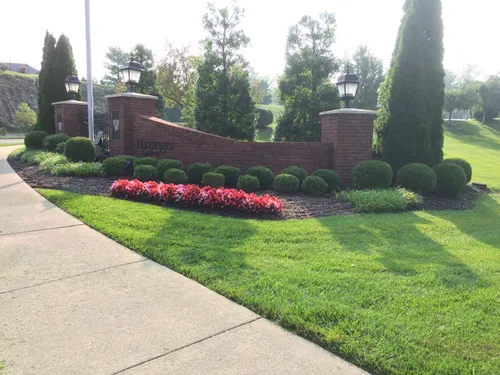
Four Seasons Landscape Management
9908 Secretariat Dr, Goshen, KY 40026
Four Seasons Landscape Management is a full-service landscaping and lawn care company serving Louisville, KY, and nearby areas including Goshen and Prospect. Established in 2005, they offer a wide range of services such as lawn fertilization, weed control, liquid soil aeration, mosquito control, landscape design and installation, ornamental tree and shrub care, mowing, and irrigation repair. The company holds a pesticide license from the State of Kentucky and employs licensed and certified staff to ensure professional and safe service. With over 20 years of experience, Four Seasons also provides commercial snow and ice removal services.
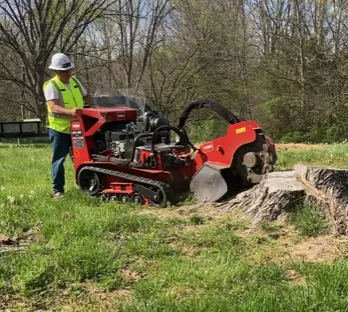
Absolute Stump Grinding
6008 Northwood Dr, Crestwood, KY 40014
Absolute Stump Grinding is a Louisville, KY-based company specializing in stump grinding and removal, along with landscape design and construction services. They offer a range of outdoor solutions including irrigation system installation, sod and seed installation, planting, fencing, and hardscaping features. Their commercial-grade stump grinder is designed for maneuverability in tight spaces and uses advanced technology to minimize lawn damage and control debris. Founded in 1997 as Absolute Land Construction LLC, the business has over 40 years of experience under owner Bryan, who started in lawn maintenance in 1983. The company is fully licensed and insured, providing services for properties of all sizes.
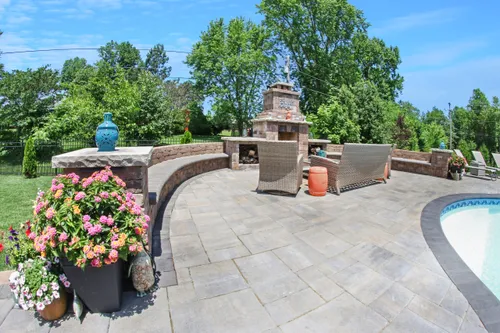
Lamb's Lawn Service & Landscaping LLC
5343 Buck Creek Rd, Floyds Knobs, IN 47119
Lamb's Lawn Service & Landscaping LLC is a full-service lawn care and landscaping company based in Louisville, KY. They offer a wide range of services including lawn mowing, fertilization, weed control, sod installation, tree removal, stump grinding, sprinkler system installation and repair, as well as hardscaping such as pavers and retaining walls. Their team focuses on personalized solutions tailored to each client's needs and maintains high standards of workmanship to enhance outdoor spaces.
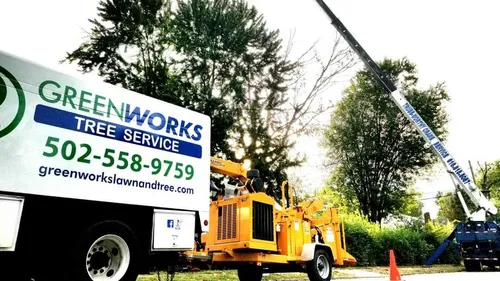
Greenworks Lawn, Landscape & TreE
2113 Allison Ln, Jeffersonville, IN 47130
Greenworks Lawn, Landscape & Tree, LLC is a full-service property maintenance company serving Louisville, KY, and surrounding areas. They offer a wide range of services including lawn mowing, fertilization, weed control, tree removal, stump grinding, sprinkler installation and repair, landscaping, and seasonal snow services. The company also provides hauling of materials like rock, gravel, mulch, and sand, as well as storm damage cleanup and crane services for tree projects. Established in 2005, Greenworks is fully insured and equipped to handle both residential and commercial properties with a comprehensive approach to outdoor care throughout the year.
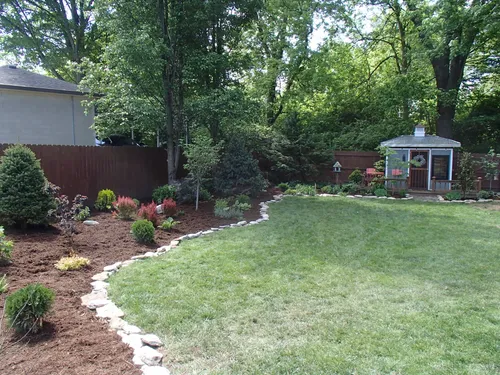
Escape Landscaping, LLC
Louisville, KY
Escape Landscaping, LLC is a family-owned landscaping company based in Louisville, KY, with over 30 years of experience. They offer a full range of services including landscape design, sprinkler installation and repair, and exterior cleaning. Their team also specializes in creating custom water features such as ponds, streams, waterfalls, and fountains to enhance outdoor spaces. The owner is personally involved on-site for all projects, ensuring attention to detail and quality workmanship. Escape Landscaping provides financing options and offers discounts for seniors and military personnel.
How an Automated Watering System Works
At its core, a modern irrigation system is a network of underground pipes, valves, and sprinkler heads controlled by a central "brain." The process begins at your home's main water supply, where a dedicated line is installed. A critical safety device called a backflow preventer is always included to ensure your drinking water cannot be contaminated by water sitting in the irrigation lines.
The system is divided into zones-separate sections of your yard like the front lawn, side yard, or flower beds. Each zone has its own control valve, which is connected to a manifold (a central hub for valves). These valves are commanded by an irrigation controller, which you program with your desired watering schedule. When a zone is activated, water flows through lateral pipes to the sprinkler heads or drip emitters in that area.
Key Components of Your System
Understanding the parts of your sprinkler system demystifies maintenance and helps you communicate effectively with service providers.
- The Controller: This is the programmable timer, often mounted in your garage or basement. Modern "smart" controllers can adjust watering based on local weather data, season, and even soil moisture levels, offering significant water savings 1.
- Valves & Manifolds: Solenoid valves act as gates for each zone. They open and close based on signals from the controller. The manifold is the box where these valves are housed, typically buried in a valve box for easy access.
- Sprinkler Heads & Emitters: These are the delivery devices. Rotor heads rotate streams of water and are ideal for covering large, open lawn areas. Spray heads pop up and deliver a fixed pattern of water, perfect for smaller or medium-sized lawn sections and tight spaces. For garden beds, shrubs, and vegetable plots, drip irrigation uses tubing with emitters that deliver water slowly and directly to the root zone, minimizing evaporation and runoff 2.
- Rain Sensors: A simple yet vital add-on, a rain sensor will automatically shut off the system during and after a rainfall, preventing wasteful overwatering. This is a smart feature for Louisville's variable weather.
Designing for the Louisville Landscape
A one-size-fits-all approach doesn't work for irrigation. Local professionals design systems tailored to Louisville's specific environment. Factors like our clay-heavy soil, which absorbs water slowly, the types of grass and plants common in the region, and the full range of our seasonal weather must all be considered 3.
A proper design starts with a site plan that accounts for sun exposure, slope (to manage runoff), and different plant water needs. High-water-use turf areas will be on separate zones from drought-tolerant perennial beds or shady ground covers. This zoning allows for precise watering, ensuring each part of your landscape gets exactly what it needs without waste. Companies serving the Louisville area, such as Steele Blades and Chism Irrigation, emphasize this site-specific design approach 4.
Smart Watering Through the Seasons
Your watering schedule should be a living thing, changing with the seasons. A set-it-and-forget-it approach leads to overwatering in the spring and fall and underwatering in the peak summer heat.
- Spring: As temperatures warm and grass begins active growth, a moderate schedule is key. An example might be watering two days per week for about 40 minutes total per zone, adjusting based on spring rainfall.
- Summer (Peak Demand): Louisville summers often bring heat and humidity. Watering needs increase to compensate for evaporation. Schedules may shift to two days per week for longer cycles, totaling around 60 minutes per zone, to encourage deep, drought-resistant roots.
- Fall: As growth slows and temperatures cool, reduce watering frequency. A schedule might drop to one day per week for about 30 minutes per zone. This helps plants harden off for winter without promoting excessive top growth.
- Winter: The system should be completely winterized and turned off to prevent freezing and damage to pipes and valves. A professional blow-out service is recommended to clear all water from the lines.
A crucial technique for our area is cycle and soak. Instead of running a zone for 40 minutes straight, you program it to run for two 20-minute cycles (or three shorter ones) with a 30-60 minute break in between. This allows water to penetrate Louisville's dense soil without running off the surface, leading to deeper watering and healthier turf5.
Find the perfect sprinkler & irrigation companies for your needs
Get personalized recommendations and expert advice
Understanding Installation and Service Costs
Investing in an irrigation system involves upfront costs that vary widely based on your property's size and complexity. Basic above-ground systems with movable sprinklers can range from $300 to $1,500. For a permanent in-ground system, which is the standard for most Louisville homes, costs typically start around $2,500 and can easily reach $7,500 or more for larger properties with many zones.
Adding specialized components like a smart Wi-Fi controller, soil moisture sensors, or extensive drip irrigation zones for landscaping will increase the price. High-end, complex smart system installations can approach $15,0006. It's important to get detailed quotes from local installers that include a custom design.
Maintenance and repair are ongoing considerations. Annual startup and winterization services are essential. Repair costs depend entirely on the issue: a simple head replacement or controller adjustment may cost around $80, while repairing a broken pipe underground or replacing a faulty valve manifold can range from $200 to $490 or more, factoring in the labor for excavation and parts7. Regular maintenance by a local provider, like the services offered by Four Seasons Landscape Management, can help catch small problems before they become expensive repairs8.
Choosing and Working with a Local Professional
Selecting the right company for your sprinkler system installation or care is critical. Look for licensed and insured professionals with specific experience in irrigation, not just general landscaping. Ask for local references and examples of their design work. A reputable provider will conduct a thorough site evaluation, discuss your landscaping goals, and provide a detailed plan and quote before any work begins.
Once your system is installed, establish a relationship for ongoing care. A professional maintenance check in the spring should include activating the system, checking for leaks, cleaning and adjusting sprinkler heads, programming the controller for the current season, and testing the rain sensor. In the fall, they will perform the critical winterization service. Local experts understand the timing of these services for the Louisville climate9.
The Long-Term Value of Efficient Irrigation
Beyond a green lawn, a properly managed irrigation system offers tangible benefits. It is a powerful water conservation tool, applying water only where needed and reducing runoff. This efficiency can lead to lower water bills over time. The consistency of automated watering also promotes a healthier, more resilient landscape that can better withstand disease, pests, and summer stress, potentially reducing other lawn care costs. Ultimately, it protects and enhances your property investment by maintaining curb appeal and landscape vitality with minimal daily effort on your part.
Frequently asked questions
Sources
Footnotes
-
Irrigation Services, Louisville, Crestwood, Prospect, KY - https://www.unlimitedlandscapes.com/irrigation-services.php ↩
-
Professional Sprinkler System Installation: 7 Top Benefits 2025 - https://randalllandscaping.com/professional-sprinkler-system-installation/ ↩
-
Lawn Sprinkler System Installation - Irrigation - U.S. Lawns - https://uslawns.com/locations/ky/louisville/services/irrigation/irrigation-installation/ ↩
-
Irrigation Installation - Louisville, KY - https://chismirrigation.com/services/irrigation ↩
-
Here's How to Perform Irrigation Maintenance in Louisville, KY - https://jarboes.com/knowledge-center/rrigation-system-maintenance-tips/ ↩
-
How Much Does Sprinkler System Installation Cost? [2026 Data] | Angi - https://www.angi.com/articles/how-much-does-it-cost-install-sprinkler-system.htm ↩
-
How Much Does Sprinkler Repair Cost in 2026? - LawnStarter - https://www.lawnstarter.com/blog/cost/sprinkler-repair-price/ ↩
-
Irrigation and Sprinkler Maintenance in Louisville, KY | FSLM - https://fourseasonslandscapemgt.com/services/irrigation-maintenance/ ↩
-
Irrigation Services Louisville KY | Irrigation | Steele Blades, Inc - https://www.steeleblades.com/landscaping/irrigation ↩