Find the Best Sprinkler & Irrigation Companies for Your Business
No obligation • Fast responses • Nationwide coverage

Why you can trust Landscape Atlas
Landscape Atlas is a leading United States resource for evaluating landscaping, lawn care, and outdoor service providers. Our team researches each category in depth, focusing on service quality, safety, and customer experience. Listings and rankings are based on independent criteria and user feedback, and companies cannot pay to influence our assessments or recommendations.
Search providers near you
Top Sprinkler & Irrigation Companies in Lynn, Massachusetts Ranked
A well-designed sprinkler or irrigation system is the key to a healthy, vibrant lawn and garden without the hassle of manual watering. These automated systems deliver precise amounts of water exactly where and when your landscape needs it, conserving water and promoting deep root growth. For homeowners in Lynn, understanding the components, design principles, and maintenance of these systems is essential for making informed decisions and finding the right local expertise to care for your outdoor space.
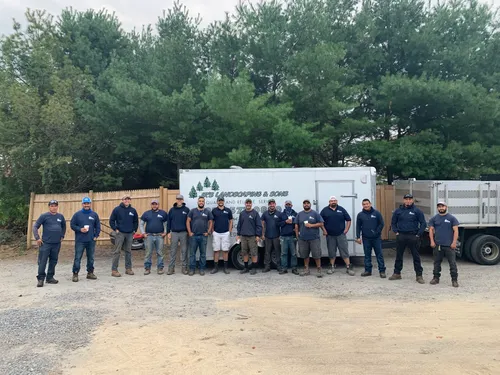
JR's Landscaping & Sons LLC
3 Sorelle Pl, Burlington, MA 01803
JR's Landscaping & Sons LLC is a full-service landscaping company serving Boston, MA, and Middlesex County. They provide a wide range of services including lawn mowing, lawn fertilization, weed control, sod installation, fence installation, landscape lighting, sprinkler installation and repair, hardscaping with patios and retaining walls, and custom landscape design. With over 20 years of experience since 1997, they offer year-round solutions tailored to maintain and enhance outdoor spaces for both residential and commercial properties. Their capabilities include expert hardscape installations such as stone walkways, patios, and retaining walls designed for New England weather conditions.
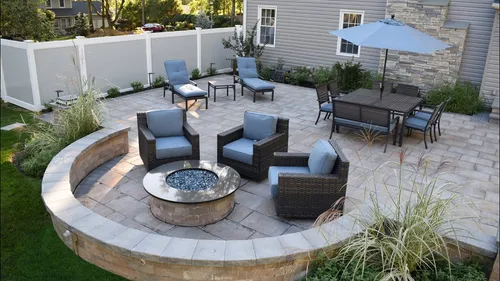
The Pros Inc. - Landscape Design & Build
29 Hanover St, Lynn, MA 01902
The Pros Inc. - Landscape Design & Build is a landscaping and outdoor living company serving Boston, MA, and surrounding areas. With over 20 years of experience, they offer a wide range of services including landscape design, lawn care, sod installation, fence installation, hardscaping, outdoor lighting, irrigation, water features, pool and spa construction, decks, pergolas, driveways, and seasonal maintenance. Their expertise includes custom pool building with options like fiberglass and gunite concrete pools, as well as comprehensive irrigation systems designed for efficient watering. The company also provides snow and ice management services during winter months.
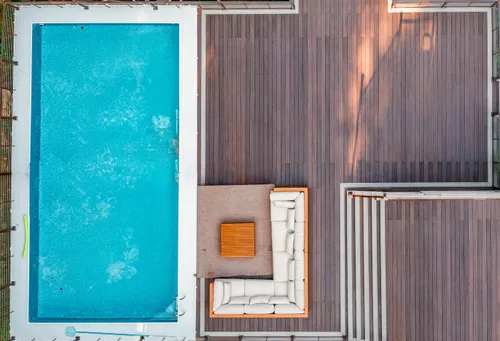
Amazing Garden & Construction
75 2nd Ave #605, Needham, MA 02494
Amazing Garden & Construction is a landscaping and construction company based in Boston, MA, serving multiple locations across Massachusetts, Florida, Rhode Island, and New Hampshire. They offer a wide range of services including custom landscape design, installation of outdoor patios, stone walls, fire pits, outdoor kitchens, decks, fences, pergolas, landscape lighting, swimming pools, synthetic turf, sod, and irrigation systems. Their expertise includes hardscaping with pavers and retaining walls, as well as sprinkler installation and repair. The company focuses on creating durable and easy-to-maintain outdoor spaces that reflect each client's unique vision.
Conserva Irrigation of Southwest Boston
Boston, MA
Conserva Irrigation of Southwest Boston provides residential and commercial irrigation services in Boston, MA, and surrounding areas. They specialize in eco-friendly sprinkler system installation, repair, and maintenance, focusing on water conservation through smart irrigation technology and sustainable practices. Their services include system inspections, drip irrigation installation, grading for proper drainage, and seasonal maintenance to keep landscapes healthy year-round. Conserva Irrigation partners with leading brands like Toro and Hunter to offer advanced irrigation solutions and has built a reputation for knowledgeable and thorough service. They serve a wide range of nearby communities and emphasize water-saving technologies in their work.
Premier Pavers & Hardscape Co
10 Lewis St #4, Lincoln, MA 01773
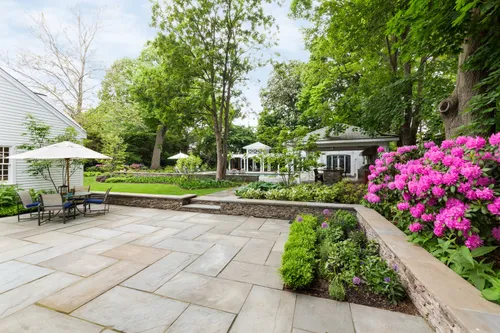
Premier Pavers & Hardscape Co is a landscaping and hardscaping contractor based in Boston, MA. They specialize in designing and building outdoor spaces such as patios, paver driveways, retaining walls, walkways, outdoor lighting, irrigation systems, and snow melt systems. With over 20 years of experience, they focus on creating durable and stylish landscapes that withstand New England's seasonal challenges. Their services include advanced drainage solutions to prevent pooling and ice buildup, ensuring functional and lasting outdoor environments.
How an Automatic Irrigation System Works
At its core, an automatic lawn sprinkler system is a network of components working together on a programmed schedule. The process begins with the controller, often called the "brain" of the system. This device, typically mounted in your garage or basement, sends low-voltage electrical signals along buried wires to activate specific zones.
These signals open solenoid valves, which act as electronic gates controlling water flow. Each valve is responsible for a single zone-a section of your yard grouped by plant type and water need, such as front lawn, backyard, or garden beds. When a valve opens, water from your home's main supply is pushed through a backflow preventer, a crucial safety device that stops contaminated water from flowing back into your drinking water 1.
From there, water travels through underground PVC or polyethylene piping to the sprinkler heads within that zone. The heads pop up (or rotate, in the case of rotor heads) and spray water according to their specific pattern and range. After the controller's set run time, the signal stops, the valve closes, and the heads retract below the grass line.
Key Components of a Reliable System
Knowing the parts of your irrigation setup helps with troubleshooting and communication with service professionals.
- Controller/Timer: This is your command center. Modern models range from simple dial timers to Wi-Fi-enabled smart controllers that adjust watering based on local weather data, saving significant water.
- Solenoid Valves: Usually housed together in a valve manifold inside an in-ground box, these are the workhorses that turn water on and off for each zone. A faulty solenoid is a common cause of a zone not activating 2.
- Backflow Preventer: A non-negotiable component required by plumbing code. It protects your household water from potential contamination by lawn fertilizers or other chemicals 3.
- Piping: Schedule 40 PVC is common for main lines, while flexible polyethylene tubing is often used for lateral lines to individual heads. Proper sizing is critical for consistent water pressure 4.
- Sprinkler Heads: These come in various types. Spray heads pop up and cover fixed, fan-shaped patterns (ideal for small, rectangular lawn areas). Rotor heads rotate streams of water to cover larger, circular areas. Drip emitters deliver water slowly and directly to root zones in garden beds.
Designing for Efficiency: Zones and Coverage
A one-size-fits-all watering approach wastes water and harms plants. Effective landscape irrigation design is all about zoning and precision.
Creating Zones: Your yard should be divided into separate watering zones based on sun exposure, soil type, and plant material. Turf grass, flowering shrubs, vegetable gardens, and shaded ground covers all have different water requirements. Grouping them separately allows for customized schedules.
Achieving Head-to-Head Coverage: This is the golden rule for uniform watering. Sprinkler heads should be placed so that the water from one head reaches the adjacent head. This overlap ensures every square inch gets watered evenly, preventing dry brown spots or soggy, wasteful puddles 5. For narrow strips of land, specialized strip-pattern spray heads are used.
Incorporating Drip Irrigation: For garden beds, trees, and shrubs, drip irrigation is vastly superior to overhead spraying. This method uses a network of tubes with emitters that place water directly into the soil at the root zone. It minimizes evaporation, runoff, and water waste, and helps prevent leaf fungus by keeping foliage dry 6 7.
Find the perfect sprinkler & irrigation companies for your needs
Get personalized recommendations and expert advice
Smart Watering Practices for Lynn Lawns
An automated system is only as good as its schedule. Proper watering practices are vital for lawn health and conservation, especially during New England's variable seasons.
How Much Water: Most lawns and landscapes thrive on about 1 to 1.5 inches of water per week, including rainfall. This amount encourages roots to grow deep in search of moisture, creating a more drought-resistant and resilient lawn.
When to Water: The ideal window is between 4:00 AM and 10:00 AM8 9. Watering in the early morning minimizes loss to evaporation from sun and wind. It also allows grass blades to dry quickly as the sun rises, reducing the risk of fungal diseases that thrive in prolonged moisture.
Adjusting for Weather: Your watering schedule should not be static. During a hot, dry week with temperatures above 90°F, you may need to water 3-4 times per week to meet the 1.5-inch goal 10. In the cooler spring and fall, or during rainy periods, one deep watering per week-or even less-may be sufficient. Smart controllers automate these adjustments by linking to local weather stations.
Understanding Installation and Repair Costs
Investing in an irrigation system involves upfront costs for installation and potential ongoing costs for maintenance and repairs.
New System Installation: In the Lynn area, costs are typically broken down by zone. You can expect to pay $500 to $1,000 for the first zone, which covers the controller, mainline, backflow preventer, and valve manifold. Each additional zone often costs between $750 and $1,000. The average residential property commonly requires 3 to 5 zones, making a typical new installation a multi-thousand-dollar project, with final price depending on yard size, complexity, and soil conditions 11 12.
Common Repairs and Maintenance:
- Leak Detection and Repair: Locating and fixing a leak in underground piping can range from $130 to $400, depending on the leak's depth and accessibility 13.
- Sprinkler Head Replacement: A broken head, whether from a lawnmower impact or winter damage, costs between $65 and $200 for a professional to replace, including parts and labor 14.
- Valve Replacement: A malfunctioning solenoid valve costs $20 to $250 to replace, depending on valve type and labor.
- Controller Upgrade: Installing a new smart controller to improve efficiency can range from $40 for a basic model to over $300 for advanced, weather-sensing units, plus installation 15.
Finding the Right Local Expertise
For homeowners in Lynn, partnering with a knowledgeable local professional ensures your system is designed correctly, installed efficiently, and maintained properly. These experts can conduct a site analysis to account for your property's unique topography, sun patterns, and soil. They will design a zoned system that may integrate both traditional spray heads for lawns and efficient drip lines for planting beds. Furthermore, a local pro understands the specific challenges of the New England climate, including the critical process of winterization-blowing compressed air through the lines to prevent freeze damage-and spring start-up services.
Frequently asked questions
Sources
Footnotes
-
The 5 essential components for an efficient irrigation system - rain.it - https://www.rain.it/en/magazine/5-essential-components-for-an-efficient-irrigation-system/ ↩
-
In-Ground Sprinkler System 101 | How Do Sprinklers Work? - https://www.commerciallawnirrigation.com/blog-posts/how-do-sprinklers-work ↩
-
How to Install an In-Ground Sprinkler System - This Old House - https://www.thisoldhouse.com/landscaping/how-to-install-in-ground-sprinklers ↩
-
How to Lawn Sprinkler System: Best DIY Tips for 2024 - https://mcleodlandscaping.com/how-to-lawn-sprinkler-system/ ↩
-
Easy, step-by-step, underground sprinkler system layout guide - https://images.thdstatic.com/catalog/pdfImages/a9/a9564496-8fb7-4141-8758-5f660a7a9310.pdf ↩
-
Landscape Irrigation | Home Water Works - https://home-water-works.org/landscape-irrigation/irrigation ↩
-
Anatomy of an Automatic Sprinkler System - Rain Bird - https://www.rainbird.com/homeowners/blog/anatomy-of-an-automatic-sprinkler-system ↩
-
Lawn Watering Tips | ScottsMiracle-Gro US - https://scottsmiraclegro.com/en-us/learn/lawn-care/lawn-watering-tips---when-is-the-best-time-to-water-your-lawn.html ↩
-
LAWN IRRIGATION GUIDE - USDA - https://www.nrcs.usda.gov/plantmaterials/idpmsbr5464.pdf ↩
-
Landscape Irrigation Watering Guide - https://northgeorgiawater.org/wp-content/uploads/2017/02/Landscape-Irrigation-Watering-Guide.pdf ↩
-
Cost to Install Irrigation System 2025: Smart Budget - https://bostonlandscapeco.com/cost-to-install-irrigation-system/ ↩
-
Cost to Install a Sprinkler System - https://www.networx.com/cost-guide/install-a-sprinkler-system ↩
-
Average cost to install sprinkler system per square foot - https://stevesservicesllc.com/average-cost-to-install-sprinkler-system-per-square-foot/ ↩
-
Best Irrigation System Installation Cost 2025: Smart Guide - https://bostonlandscapeco.com/irrigation-system-installation-cost/ ↩
-
How Much Does a Sprinkler System Cost in 2026? - LawnStarter - https://www.lawnstarter.com/blog/cost/sprinkler-system-price/ ↩