Find the Best Sprinkler & Irrigation Companies for Your Business
No obligation • Fast responses • Nationwide coverage

Why you can trust Landscape Atlas
Landscape Atlas is a leading United States resource for evaluating landscaping, lawn care, and outdoor service providers. Our team researches each category in depth, focusing on service quality, safety, and customer experience. Listings and rankings are based on independent criteria and user feedback, and companies cannot pay to influence our assessments or recommendations.
Search providers near you
Best Sprinkler & Irrigation Companies in Minnesota Ranked
A well-designed sprinkler or irrigation system is a practical investment for any Minnesota property, ensuring your lawn and landscape receive consistent, efficient watering throughout the growing season. These systems save you time, conserve water, and protect your investment in your yard. This guide provides essential information on system types, installation processes, costs, and local regulations to help you connect with qualified professionals who can assess your needs and implement the right solution for your home.
Sod Smith LLC
6417 Penn Ave S Ste. 8, Richfield, MN 55423
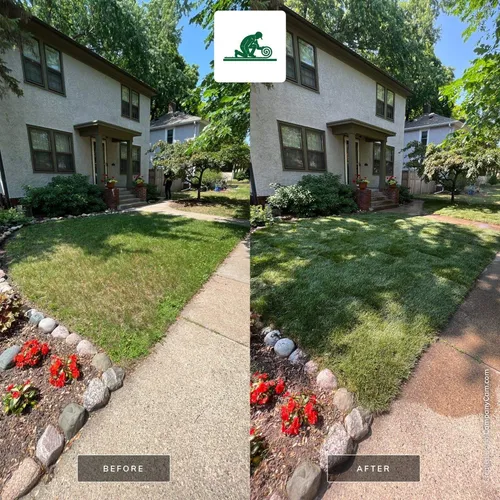
Sod Smith LLC is a lawn care company based in Minneapolis, MN, specializing in sod installation and a variety of lawn maintenance services. They offer efficient sod installation that provides instant curb appeal and support new lawns with a proprietary Establishment Plan to promote healthy root growth. The company also installs digital sprinkler systems designed to reduce water use by up to 50%, contributing to sustainable lawn irrigation. Sod Smith emphasizes precise soil preparation and tailored care suited to Minnesota's conditions to ensure successful lawn transformations. Their services are available throughout Minneapolis, with quick booking and transparent communication to keep customers informed throughout the process.
Pioneer Landscaping LLC
1694 Ivory Ave N, Lake Elmo, MN 55042
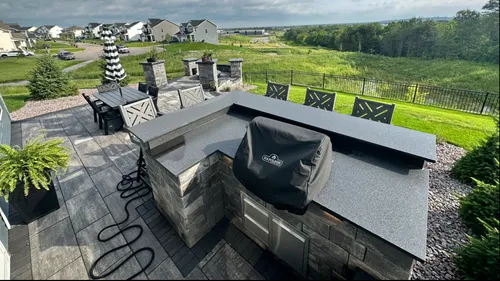
Pioneer Landscaping LLC is a full-service landscaping company based in St Paul, MN, offering a wide range of services including hardscaping, outdoor living spaces, sod and irrigation installation, sport court and pool installation, and year-round property maintenance for both residential and commercial clients. They serve the St Paul area along with nearby communities such as Lake Elmo, Woodbury, Stillwater, and White Bear Lake. Founded in 2020, the company emphasizes dedicated crews and specialized managers to deliver precise results and sustainable practices. Pioneer Landscaping also provides 24/7 emergency services, ensuring support through all seasons.
Ring Lawn Care
1925 Oak St W, Stillwater, MN 55082
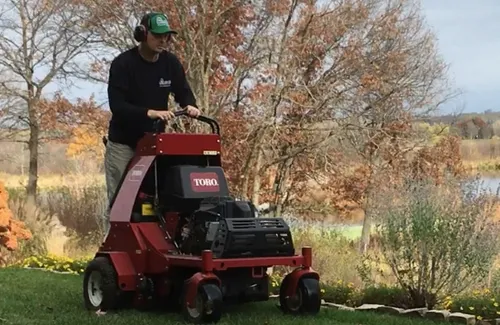
Ring Lawn Care is a lawn care and snow service company based in St Paul, MN. They offer a range of outdoor services including weekly lawn mowing, lawn fertilization, weed control, sprinkler system installation and repair, landscaping, and snow plowing. Their technicians handle irrigation system maintenance such as seasonal start-up, winterization, and repairs to ensure proper operation. With over 20 years of experience, Ring Lawn Care emphasizes practices like core aeration and fall lawn care to promote healthy turf growth. They also provide snow and ice management for residential and commercial properties near Stillwater and surrounding areas.
Green Oasis
2042 Wooddale Dr, Woodbury, MN 55125
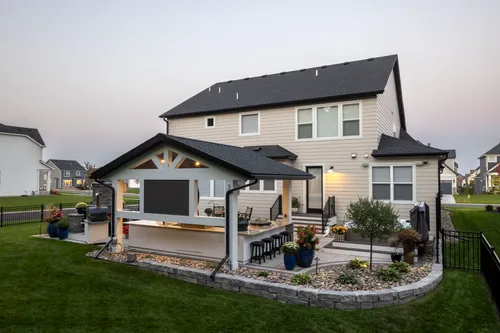
Green Oasis is a lawn care and landscaping company serving St Paul, MN, and surrounding areas in Minnesota and Wisconsin. They offer a wide range of services including lawn mowing, fertilization, weed control, landscape design and installation, outdoor lighting, sprinkler installation and repair, hardscaping, and pest control. With over 45 years of experience, Green Oasis focuses on customized outdoor solutions tailored to each client's needs and property. Their licensed and certified technicians provide ongoing maintenance and pest control using environmentally responsible methods to ensure healthy, attractive outdoor spaces year-round.
Be Right There All Season Yard Care
St Paul, MN
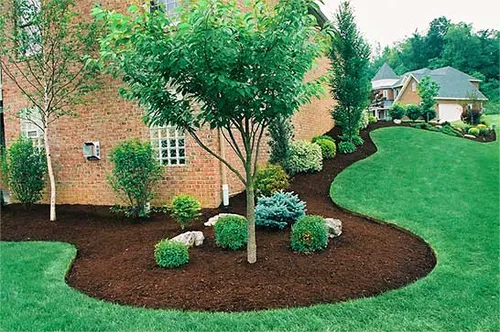
Be Right There All Season Yard Care is a lawn and yard service company based in St Paul, MN. They provide a wide range of services including lawn mowing, fertilization, weed control, sod installation, tree removal, stump grinding, sprinkler installation and repair, land clearing, landscaping, and hardscaping. The company emphasizes detailed care such as hedge trimming and sculpturing, mulching, and lawn repair with follow-up visits to ensure successful seeding or sodding. They also offer cleanup services year-round and handle hauling of yard waste. Operating for nearly a decade in the Twin Cities Metro Area, Be Right There All Season Yard Care focuses on organic material handling and personalized service. They maintain sharp tools for clean pruning cuts and provide temporary watering systems to support new lawns. Their approach includes preparing soil carefully to promote healthy grass growth and offering a variety of landscaping enhancements like paver patios and fire pits.
Understanding Your Irrigation Options
Modern irrigation goes beyond basic sprinklers. Understanding the different systems available helps you choose the best fit for your Minnesota landscape's unique needs.
Automatic Sprinkler Systems are the most common choice for lawns. These systems use underground pipes connected to pop-up sprinkler heads that water designated zones on a set schedule. Modern controllers can be programmed and even connected to Wi-Fi, allowing for remote management and adjustments based on real-time weather data. Key components include zone valves, which control water flow to different areas, and sensors that can automatically skip a watering cycle during rain or freezing temperatures.
Drip Irrigation is a highly efficient method ideal for garden beds, shrubs, trees, and vegetable plots. Instead of spraying water into the air, drip systems deliver water slowly and directly to the root zone through a network of tubes and emitters. This minimizes evaporation, runoff, and weed growth while ensuring plants get the deep watering they need. For smaller projects like a garden bed, drip systems can be a very cost-effective starting point 1.
Smart Controllers can be added to either sprinkler or drip systems. These devices use local weather data or on-site sensors to automatically adjust watering schedules, reducing water usage by preventing irrigation during adequate rainfall or high humidity. This technology not only conserves a vital resource but can also lead to significant savings on your water bill over time.
The Installation Process: What to Expect
Professional installation of an irrigation system is a multi-step process that ensures long-term reliability and efficiency.
- Design & Permits: The process begins with a thorough site assessment. A professional will evaluate your yard's size, slope, soil type, sun exposure, and plant material. This information is used to create a zoning plan that groups plants with similar water needs together. In many Minnesota municipalities, this plan may be required to secure a permit before any work begins.
- Water Connection: The system must be connected to your home's main water supply. This step almost always involves installing a backflow prevention device, which is a crucial safety feature required by code to prevent contaminated water from siphoning back into your home's drinking water.
- Trenching: Trenches are dug according to the design plan to lay the PVC piping that will distribute water throughout the yard. The depth is critical to protect pipes from winter freeze damage and lawn equipment.
- Pipe & Valve Installation: Pipes are laid in the trenches and connected. Manifolds and individual zone control valves are installed, which are then wired back to the central irrigation controller.
- Sprinkler Head & Emitter Placement: Sprinkler heads are positioned and leveled in the trenches at precise intervals to ensure uniform coverage. For drip systems, tubing is laid out and emitters are placed at the base of plants.
- Testing & Backfilling: The entire system is pressurized and each zone is activated to check for leaks, proper head operation, and coverage. Once everything is confirmed working correctly, the trenches are carefully backfilled and the turf is restored.
Cost Factors for Irrigation in Minnesota
The total investment for an irrigation system in Minnesota varies based on several key factors. Understanding these can help you budget effectively.
- Property Size & Complexity: This is the primary cost driver. Larger yards require more piping, more sprinkler heads, and often more zones. Properties with significant slopes, odd shapes, or multiple planting beds add complexity to the design and installation.
- Number of Zones: Systems are divided into zones to manage water pressure effectively. Each zone operates independently. A typical city lot may require 4 to 5 zones or more, with costs generally calculated per zone 2.
- System Type & Components: A basic automatic sprinkler system has a different price point than a system integrating drip zones and smart technology with weather sensors. The quality of the heads, valves, and controller also affects the price.
- Soil & Water Source Conditions: Rocky or heavy clay soil can make trenching more difficult and time-consuming. The distance from the water source (your house's main line) to the farthest point in the yard also impacts material and labor costs.
- Local Regulations: Permit fees and specific code requirements, such as the type of backflow preventer mandated by your city, will contribute to the overall project cost.
Find the perfect sprinkler & irrigation companies for your needs
Get personalized recommendations and expert advice
Estimated Price Ranges
While every project is unique, the following ranges, drawn from industry estimates, provide a general framework for budgeting an irrigation system in Minnesota 3 4.
- Total Installation for a Typical Lot: For a standard city property, a complete automatic sprinkler system installation often ranges from $6,000 to $10,000 or more.
- Cost Per Square Foot: A common metric is $0.88 to $1.65 per square foot of irrigated area.
- Cost Per Zone: Installing a single zone typically costs between $600 and $1,300. Most yards require multiple zones.
- Drip Irrigation Systems: For targeted watering in gardens or landscaped beds, smaller drip system projects can start in the range of $300 to $800.
- Repairs & Maintenance: Common repairs for issues like a broken head or valve solenoid often cost in the low hundreds of dollars. Many components come with a manufacturer's warranty of 1-2 years, and reputable installers will stand behind their workmanship.
Minnesota Watering Rules & Best Practices
Efficient water use is important everywhere, and Minnesota has specific guidelines, especially during drier periods.
Check Local Ordinances: Watering rules are set at the city or county level. Many communities, including Minneapolis and St. Paul, implement odd/even watering restrictions during the summer months, where you may only water on calendar days that match your house number (odd or even). Some also prohibit watering during the hottest parts of the day (e.g., 10 AM to 6 PM). It is essential to verify the current rules with your local public works department, particularly during drought advisories 5.
Smart Watering Habits: Regardless of the system you choose, following best practices promotes a healthy lawn while conserving water.
- Water Deeply and Infrequently: It's better to water thoroughly once or twice a week than to sprinkle daily. This encourages deeper root growth, making your lawn more drought-resistant.
- Water Early in the Morning: The ideal window is between 4:00 AM and 8:00 AM. Winds are calmer, temperatures are cooler, and evaporation loss is minimal, allowing more water to soak into the soil.
- Adjust for Rainfall: A simple rain sensor or a smart controller that automatically adjusts schedules is one of the best upgrades you can make to avoid watering unnecessarily after a good rain.
Frequently asked questions
Sources
Footnotes
-
How Much Does Drip Irrigation Cost in 2026? - LawnStarter - https://www.lawnstarter.com/blog/cost/drip-irrigation-cost/ ↩
-
How Much Does it Cost to Install a Sprinkler System in 2026? - https://lawnlove.com/blog/sprinkler-system-cost/ ↩
-
Irrigation System Installations in MN - https://www.mnirrigation.com/new-installations/ ↩
-
How Much Does a Sprinkler System Cost in 2026? - LawnStarter - https://www.lawnstarter.com/blog/cost/sprinkler-system-price/ ↩
-
Sprinkler System Installation Costs in Eau Claire, WI ... - https://www.rainmasterlawn.com/blog/cost-to-install-sprinkler-system-eau-claire-minneapolis ↩