Find the Best Sprinkler & Irrigation Companies for Your Business
No obligation • Fast responses • Nationwide coverage

Why you can trust Landscape Atlas
Landscape Atlas is a leading United States resource for evaluating landscaping, lawn care, and outdoor service providers. Our team researches each category in depth, focusing on service quality, safety, and customer experience. Listings and rankings are based on independent criteria and user feedback, and companies cannot pay to influence our assessments or recommendations.
Search providers near you
Top Sprinkler & Irrigation Companies in Minneapolis, Minnesota Ranked
A well-designed sprinkler and irrigation system is a cornerstone of a healthy, vibrant landscape in Minneapolis. It ensures your lawn, garden beds, and trees receive the precise amount of water they need, conserving a vital resource while promoting lush growth. This guide explains how modern watering systems work, outlines best practices for the Twin Cities climate, and helps you connect with local experts for installation, maintenance, and repair.
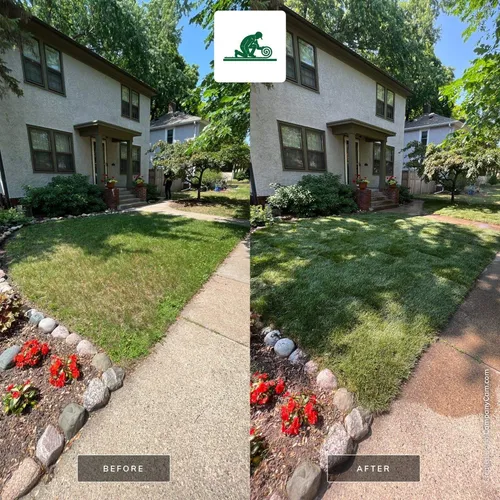
Sod Smith LLC
6417 Penn Ave S Ste. 8, Richfield, MN 55423
Sod Smith LLC is a lawn care company based in Minneapolis, MN, specializing in sod installation and a variety of lawn maintenance services. They offer efficient sod installation that provides instant curb appeal and support new lawns with a proprietary Establishment Plan to promote healthy root growth. The company also installs digital sprinkler systems designed to reduce water use by up to 50%, contributing to sustainable lawn irrigation. Sod Smith emphasizes precise soil preparation and tailored care suited to Minnesota's conditions to ensure successful lawn transformations. Their services are available throughout Minneapolis, with quick booking and transparent communication to keep customers informed throughout the process.
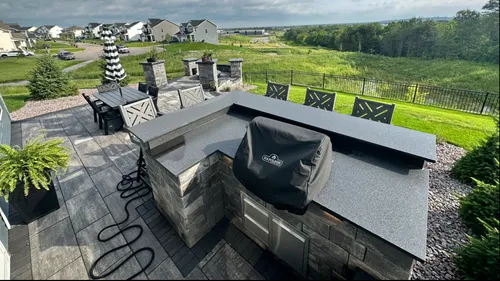
Pioneer Landscaping LLC
1694 Ivory Ave N, Lake Elmo, MN 55042
Pioneer Landscaping LLC is a full-service landscaping company based in St Paul, MN, offering a wide range of services including hardscaping, outdoor living spaces, sod and irrigation installation, sport court and pool installation, and year-round property maintenance for both residential and commercial clients. They serve the St Paul area along with nearby communities such as Lake Elmo, Woodbury, Stillwater, and White Bear Lake. Founded in 2020, the company emphasizes dedicated crews and specialized managers to deliver precise results and sustainable practices. Pioneer Landscaping also provides 24/7 emergency services, ensuring support through all seasons.
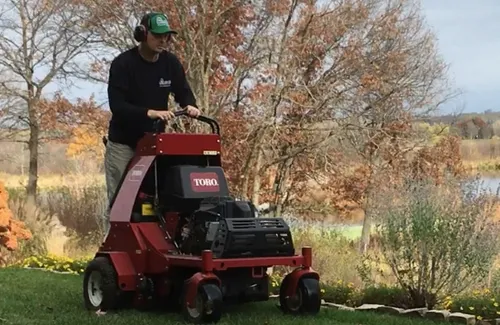
Ring Lawn Care
1925 Oak St W, Stillwater, MN 55082
Ring Lawn Care is a lawn care and snow service company based in St Paul, MN. They offer a range of outdoor services including weekly lawn mowing, lawn fertilization, weed control, sprinkler system installation and repair, landscaping, and snow plowing. Their technicians handle irrigation system maintenance such as seasonal start-up, winterization, and repairs to ensure proper operation. With over 20 years of experience, Ring Lawn Care emphasizes practices like core aeration and fall lawn care to promote healthy turf growth. They also provide snow and ice management for residential and commercial properties near Stillwater and surrounding areas.
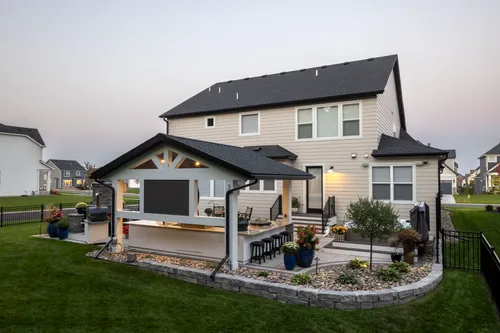
Green Oasis
2042 Wooddale Dr, Woodbury, MN 55125
Green Oasis is a lawn care and landscaping company serving St Paul, MN, and surrounding areas in Minnesota and Wisconsin. They offer a wide range of services including lawn mowing, fertilization, weed control, landscape design and installation, outdoor lighting, sprinkler installation and repair, hardscaping, and pest control. With over 45 years of experience, Green Oasis focuses on customized outdoor solutions tailored to each client's needs and property. Their licensed and certified technicians provide ongoing maintenance and pest control using environmentally responsible methods to ensure healthy, attractive outdoor spaces year-round.
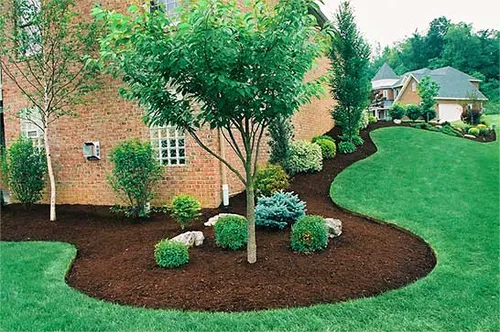
Be Right There All Season Yard Care
St Paul, MN
Be Right There All Season Yard Care is a lawn and yard service company based in St Paul, MN. They provide a wide range of services including lawn mowing, fertilization, weed control, sod installation, tree removal, stump grinding, sprinkler installation and repair, land clearing, landscaping, and hardscaping. The company emphasizes detailed care such as hedge trimming and sculpturing, mulching, and lawn repair with follow-up visits to ensure successful seeding or sodding. They also offer cleanup services year-round and handle hauling of yard waste. Operating for nearly a decade in the Twin Cities Metro Area, Be Right There All Season Yard Care focuses on organic material handling and personalized service. They maintain sharp tools for clean pruning cuts and provide temporary watering systems to support new lawns. Their approach includes preparing soil carefully to promote healthy grass growth and offering a variety of landscaping enhancements like paver patios and fire pits.
How Modern Irrigation Systems Work
An automatic sprinkler system is more than just a series of sprinkler heads popping up from the ground. It's a precisely engineered network of components designed to deliver water efficiently. At its heart is a controller (often called a timer), which is the brain of the operation. This device sends signals to open and close solenoid valves, each controlling a specific zone. A zone is a section of your landscape-like the front lawn, side yard, or perennial beds-that has similar watering needs. From the valves, water travels through a network of underground pipes (typically PVC or polyethylene) to the sprinkler heads or drip emitters1 2.
This zoning is critical for efficiency. It allows you to water sun-drenched turf grass differently than shaded flower beds or vegetable gardens. By grouping plants with similar thirst levels together, you avoid overwatering some areas while underwatering others, a common mistake with manual watering.
Key Components of Your System
Understanding the parts of your irrigation setup can help you communicate with professionals and perform basic troubleshooting.
- Controller: The programmable unit, now often "smart," that automates your watering schedule. Modern models can connect to Wi-Fi and adjust watering based on local weather data.
- Valves: Usually housed in valve boxes in the ground, these electrically activated gates control water flow to each zone. A faulty valve is a common cause of a zone not turning on or off.
- Piping: The underground arteries of the system. In Minnesota, pipes must be buried below the frost line (typically 42-48 inches) to prevent freezing damage.
- Sprinkler Heads: These come in several types. Spray heads pop up and deliver a fixed pattern of water, ideal for small, rectangular lawn areas. Rotor heads rotate streams of water, covering larger radii and are better for big lawns. Drip irrigation uses tubing with emitters to deliver water slowly and directly to plant roots, which is ideal for gardens, shrubs, and trees, minimizing evaporation and weed growth3.
- Sensors & Add-ons: Minnesota law mandates that new automatic systems include a rain sensor or similar technology to bypass scheduled watering during rainfall4. Soil moisture sensors and flow meters are other advanced components that enhance water savings.
Smart Watering for the Minneapolis Climate
Minnesota's climate presents unique challenges, with hot summers, variable spring and fall seasons, and deep winter freezes. Effective watering adapts to these conditions.
The primary goal is deep, infrequent watering. This encourages grass and plant roots to grow downward, creating a more drought-resistant and resilient landscape. Shallow, daily watering leads to weak, shallow root systems.
- Best Time to Water: The ideal window is between 2 AM and 8 AM5 6. Winds are calm, evaporation rates are at their lowest, and water has time to soak into the soil before the sun comes up. This also helps prevent fungal diseases that thrive on wet foliage overnight.
- How Much & How Often: A general rule is to provide 1/4 to 1 inch of water per week, minus any rainfall7. In peak summer, this often translates to watering every other day or about three times per week8. In spring and fall, you can reduce frequency to 1-3 times per week as temperatures cool and evaporation decreases.
- Technique: Run times vary by head type and soil. Spray heads may need 20-30 minutes per zone, while rotors may need 60 minutes to deliver the same amount of water9. It's crucial to account for Minneapolis's often clay-heavy soil, which absorbs water more slowly than sandy soil. You may need to implement "cycle and soak" programming-running a zone for multiple shorter cycles with breaks in between-to prevent runoff and ensure deep penetration9.
Find the perfect sprinkler & irrigation companies for your needs
Get personalized recommendations and expert advice
Installation and Investment Considerations
Installing a new in-ground sprinkler system is a significant investment in your property's value and curb appeal. Costs in the Minneapolis area can range widely, from approximately $6,000 to over $30,000, depending on several key factors10 11.
- Property Size & Complexity: A simple system for a small, rectangular lot will cost less than one for a large, multi-acre property with complex landscaping, slopes, or multiple water sources.
- System Components: The choice between standard spray heads, rotors, or incorporating extensive drip irrigation zones will affect the price. Including a smart controller and mandatory sensors also adds to the initial cost but offers long-term savings.
- Water Source: Tapping into your home's main water line is standard, but some properties may require a dedicated irrigation meter or a pump from a pond or well, increasing complexity.
- Labor & Materials: The cost of excavation, premium piping materials, and the expertise of the licensed installer are all factored into the final quote.
Given this range, it's wise to obtain multiple detailed estimates from established local professionals. A reputable installer will conduct a thorough site survey, discuss your landscaping goals, and provide a plan that zones your property effectively for maximum efficiency.
Maintenance, Repairs, and Winterization
Like any mechanical system, an irrigation system requires regular care to perform optimally. Common issues include clogged filters or sprinkler heads, leaks at connections or valves, and heads that become misaligned or damaged by lawn mowers.
The most critical annual maintenance task in Minnesota is winterization. Before the first hard freeze (typically late October or early November), the system must be completely drained of water to prevent catastrophic pipe bursts. This is done using a high-pressure air compressor in a process called "blowing out" the lines. This is not a DIY job for most homeowners; hiring a professional ensures it's done safely and thoroughly.
Spring start-up involves reactivating the system, checking for any damage that occurred over the winter, cleaning heads, and reprogramming the controller for the new season. Regular seasonal check-ups can catch small problems before they lead to wasted water or costly repairs.
Finding Local Irrigation Expertise
For installation, major repairs, or seasonal services, working with a knowledgeable local professional is key. They understand local codes, soil conditions, and climate challenges. When searching for help, look for companies with specific experience in sprinkler and irrigation systems, proper licensing, and positive reviews from Minneapolis-area homeowners. They can provide tailored advice, whether you're looking to install a brand-new smart system, retrofit an older one for efficiency, or simply keep your current system running smoothly.
Frequently asked questions
Sources
Footnotes
-
Landscape Irrigation | Home Water Works - https://home-water-works.org/landscape-irrigation/irrigation ↩
-
The 5 essential components for an efficient irrigation system - rain.it - https://www.rain.it/en/magazine/5-essential-components-for-an-efficient-irrigation-system/ ↩
-
4 Types of Sprinkler Irrigation Systems for Lawns - https://www.mnirrigation.com/different-types-of-irrigation-sprinklers/ ↩
-
Efficient Water Use on Twin Cities Lawns Through ... - https://metrocouncil.org/Wastewater-Water/Publications-And-Resources/WATER-SUPPLY-PLANNING/TURFGRASS-AND-LAWNS/Twin-Cities-Lawn-Irrigation-System-Surveys-And-Ass.aspx ↩
-
How To Program a Sprinkler System - Irrigreen - https://irrigreen.com/blogs/sprinkler-systems/how-to-program ↩
-
Irrigation Help | Santa Clarita Valley Water - https://yourscvwater.com/irrigation-help ↩
-
Water Wisely: Start in your own backyard | UMN Extension - https://extension.umn.edu/how/water-wisely-start-your-own-backyard ↩
-
Tips for Irrigation Systems in Minnesota | Proturf - https://www.professionalturf.com/irrigation/irrigation-tips/ ↩
-
Irrigation for Clay Soil vs Sandy Soil - Learning Center - https://blog.greenmeadowlawncare.com/irrigation-for-clay-soil-vs-sandy-soil ↩ ↩2
-
Sprinkler System Installation Costs in Eau Claire, WI & Minneapolis, MN - https://www.rainmasterlawn.com/blog/cost-to-install-sprinkler-system-eau-claire-minneapolis ↩
-
TOP 10 BEST Sprinkler System Installation in Minneapolis, MN - https://m.yelp.com/search?find_desc=Sprinkler+System+Installation&find_loc=Minneapolis%2C+MN ↩