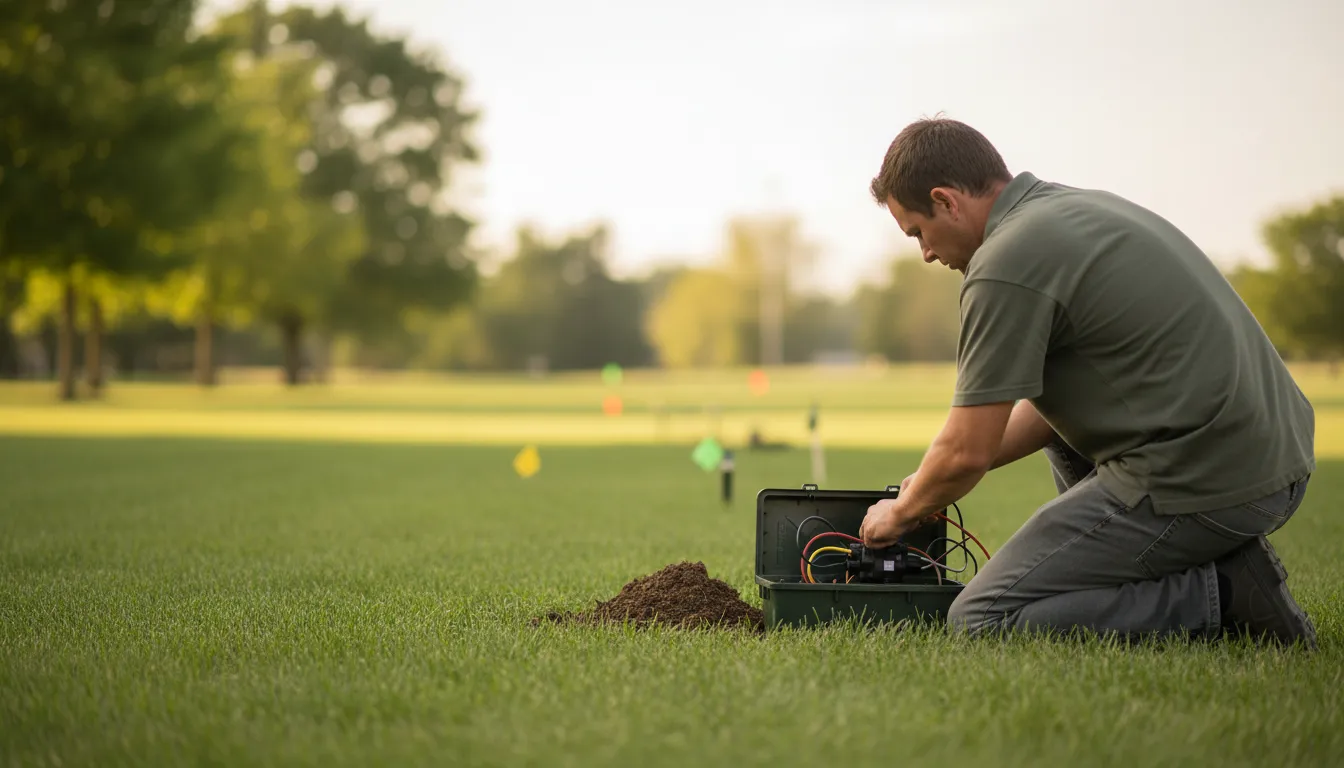
Find the Best Sprinkler & Irrigation Companies for Your Business
No obligation • Fast responses • Nationwide coverage

Why you can trust Landscape Atlas
Landscape Atlas is a leading United States resource for evaluating landscaping, lawn care, and outdoor service providers. Our team researches each category in depth, focusing on service quality, safety, and customer experience. Listings and rankings are based on independent criteria and user feedback, and companies cannot pay to influence our assessments or recommendations.
Search providers near you
Top Sprinkler & Irrigation Companies in St Louis, Missouri Ranked
A well-designed sprinkler and irrigation system is a cornerstone of a healthy, vibrant landscape in St. Louis. These automated watering systems deliver precise hydration to your lawn and garden, conserving water and saving you significant time and effort. This guide explains how irrigation works, outlines best practices for the local climate, and helps you understand what to look for when finding professional installation and maintenance services in the St. Louis area.
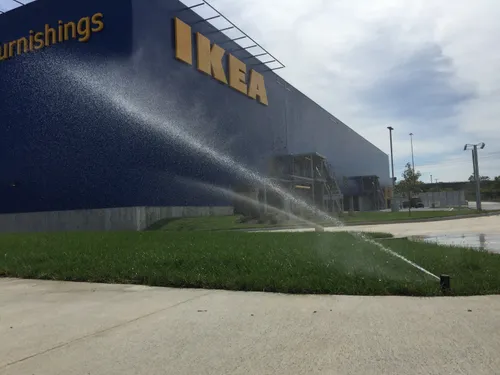
Pro Outdoor - formerly Professional Irrigation Systems
12852 Maurer Industrial Dr, Sunset Hills, MO 63127
Pro Outdoor - formerly Professional Irrigation Systems, is a lawn care and irrigation company based in St Louis, MO. They provide lawn fertilization, weed control, sprinkler installation, and sprinkler repair services. Their irrigation memberships include regular maintenance and seasonal adjustments to keep systems efficient, while fertilization memberships offer year-round treatments for healthy, weed-free lawns. Pro Outdoor focuses on comprehensive outdoor care to maintain and enhance properties throughout the year.
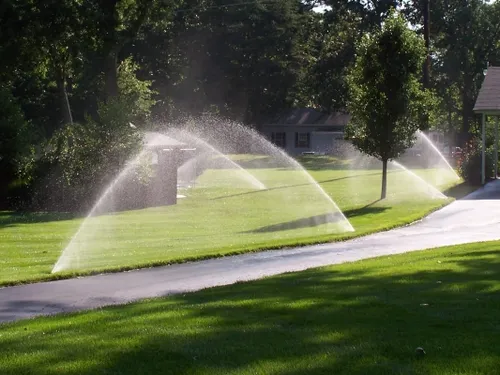
Green Turf Irrigation
73 Millwell Ct, Maryland Heights, MO 63043
Green Turf Irrigation is a St Louis, MO-based company specializing in irrigation system installation and maintenance, yard drainage solutions, and landscape lighting. They serve the entire St. Louis metro area, including Clayton, Chesterfield, Ballwin, and surrounding communities. Their services include designing and installing irrigation systems to keep lawns healthy, drainage systems to prevent water damage and soil erosion, and customized outdoor lighting for safety and aesthetics. With 50 years of experience, Green Turf offers expertise in managing water flow and outdoor lighting to enhance residential landscapes.
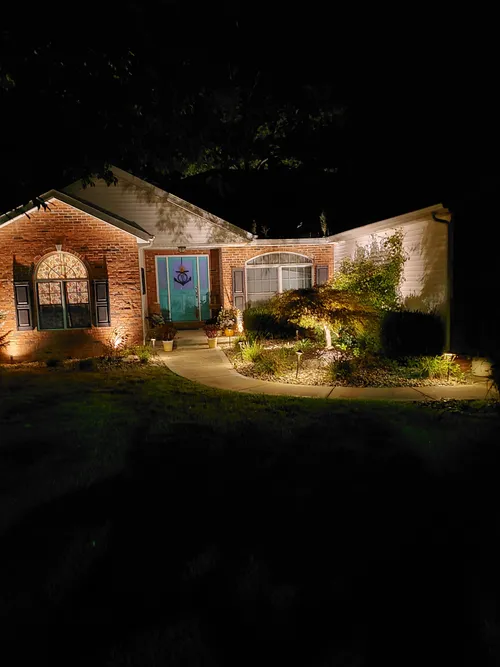
HAWKEYE SYSTEMS LLC
220 N Duncan St, Marine, IL 62061
HAWKEYE SYSTEMS LLC is based near St Louis, MO, providing a range of outdoor services including landscape lighting installation, sprinkler installation and repair, irrigation systems, plumbing, outdoor audio, and cooling solutions. The company serves the Edwardsville Metro East and Southern Illinois areas, offering innovative irrigation systems and professional outdoor lighting designed to enhance residential and commercial properties. Founded in 2000 by Ty Van Ryswyk, who brought extensive hands-on experience to the business, Hawkeye Systems has grown to include licensed plumbing and advanced outdoor audio and cooling systems. The company emphasizes integrated workmanship and customer satisfaction in its service approach.
Inspire Design & Build
807 S Fillmore Ave, Kirkwood, MO 63122
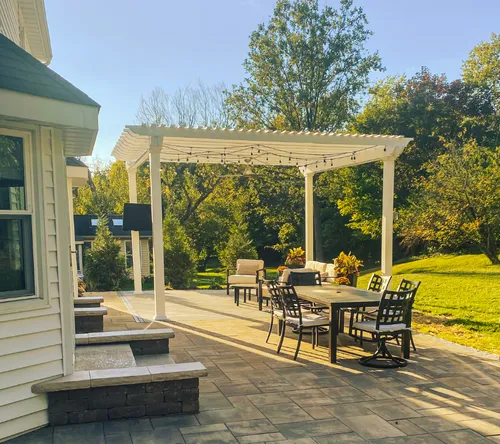
Inspire Design & Build is a full-service landscaping and outdoor living company based in St Louis, MO. They offer a wide range of services including custom landscape design, planting, lawn care, drainage solutions, patios, hardscaping, low-voltage lighting, sod and synthetic turf installation, outdoor kitchens, and fireplaces. With over 30 years of experience, Inspire Design & Build manages projects from concept to completion, ensuring quality craftsmanship and tailored solutions that suit the local climate and client needs. Their expertise includes drainage system installation to protect properties from water damage. They serve St Louis and surrounding communities such as Clayton, University City, and Granite City.
Tennant Landscape Solutions Inc
11724 Administration Dr, St. Louis, MO 63146
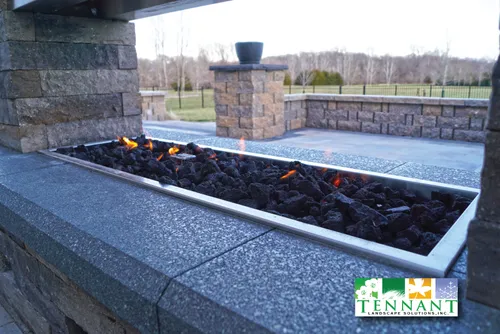
Tennant Landscape Solutions Inc is a full-service landscaping company based in St Louis, MO. They provide comprehensive landscape design, installation, and maintenance services for both residential and commercial properties. Their offerings include lawn care, fertilization, weed control, irrigation system installation and repair, landscape lighting, drainage solutions, hardscaping, and seasonal cleanup. The company also handles snow and ice removal to support year-round property care. Tennant Landscape Solutions specializes in tailored drainage solutions such as grading and French drains to protect properties from water damage. They serve the St Louis area with a focus on creating functional and attractive outdoor spaces.
How an Irrigation System Works
At its core, an automatic irrigation system is a network of components designed to deliver water efficiently. The process begins with a controller, often called a timer, which is the brain of the operation. This device is programmed to send low-voltage signals at set times. These signals activate solenoid valves, which act as electronic gates controlling water flow to different sections of your yard, known as zones.
When a valve opens, pressurized water travels from your main supply through a series of underground pipes to the sprinkler heads or drip emitters in that zone 1. A critical safety device called a backflow preventer is installed to ensure contaminated water from your landscape can never flow backward into your home's clean drinking water supply 2. This coordinated process allows for targeted, scheduled watering without manual intervention.
Key Components of a Modern System
Understanding the parts of your watering system helps in communicating with professionals and troubleshooting minor issues.
- Controllers & Smart Technology: Modern controllers range from simple dial timers to Wi-Fi-enabled smart devices. Smart controllers can adjust watering schedules based on local weather data, soil moisture sensors, or evapotranspiration (ET) rates, optimizing water use for St. Louis's variable conditions.
- Valves & Zones: Solenoid valves are typically housed in valve boxes buried in the yard. Zoning is a fundamental design principle where areas with similar water needs (e.g., sunny lawn, shaded garden, flower beds) are grouped together and controlled by a single valve. This allows a drip line for shrubs and a spray zone for grass to run on different schedules from the same controller.
- Sprinkler Heads & Drip Lines: Spray heads pop up to water turf grass and are available in various spray patterns (full, half, quarter circle). Rotary heads rotate a stream of water for larger areas. For gardens, tree rings, and landscaped beds, drip irrigation uses tubing and emitters to deliver water slowly and directly to the root zone, minimizing evaporation and runoff.
- Pipes & Fittings: Durable PVC or polyethylene pipes form the underground distribution network. Proper sizing and installation are crucial for maintaining consistent water pressure across all zones.
Design Principles for Effective Watering
A successful system is more than just parts; it's about intelligent design. The goal is uniform coverage that avoids dry spots and wasteful puddling.
The industry standard is head-to-head coverage, meaning sprinklers are spaced so the water from one head reaches the adjacent head 3. This overlap ensures every square foot of your lawn receives an even amount of water, which is essential for consistent, healthy growth without weak spots. Professional designers also account for water pressure, flow rate, and the specific precipitation rates of the selected sprinkler heads to create a balanced system.
Proper zoning, as mentioned, separates plant types and sun exposure. A sunny Kentucky bluegrass lawn will have very different water requirements than a bed of native Missouri perennials or a shaded fescue area. Designing separate zones for these areas prevents overwatering and underwatering 4.
Find the perfect sprinkler & irrigation companies for your needs
Get personalized recommendations and expert advice
Watering Guidelines for the St. Louis Climate
St. Louis experiences hot, humid summers and variable spring and fall seasons. Following climate-appropriate watering practices maximizes lawn health and conservation.
- Frequency: During the peak summer heat, established lawns typically need watering 2-3 times per week. The key is to water deeply and infrequently rather than a little every day. This encourages grass roots to grow deeper into the soil, making your lawn more drought-tolerant and resilient.
- Timing: The best time to water is in the early morning, between 4 AM and 8 AM 5. At this time, temperatures are cooler, and wind speeds are usually lower, which drastically reduces water loss from evaporation and drift. Morning watering also allows grass blades to dry quickly as the sun rises, helping to prevent fungal diseases that thrive in prolonged moisture.
- Amount: A general rule is to provide about 1 inch of water per week, including rainfall 6. You can measure this by placing empty tuna cans around your lawn during a watering cycle and seeing how long it takes to collect an inch of water. During extreme heat or drought, you may need to supplement slightly more, while in cooler spring and fall, you can reduce frequency 7.
Installation, Maintenance, and Cost Considerations
Installing an in-ground system is a significant investment that enhances property value and convenience. The process involves detailed planning, trenching for pipes, assembling components, and thorough testing.
Costs for a new sprinkler system installation vary widely based on property size, complexity, the type of heads used, and soil conditions in St. Louis 8 9. It's a multi-faceted project involving component costs (controller, valves, heads, pipe) plus skilled labor. Reputable local providers can offer detailed quotes after a site survey 10 11.
Ongoing irrigation system maintenance is essential. Common repairs include fixing leaks in pipes or valves, replacing cracked or misaligned sprinkler heads, and clearing clogged drip emitters 12. An often-overlooked but critical task is the annual backflow prevention device test, which is required by many municipal codes to ensure drinking water safety and may involve a certified inspector 12.
It's important to budget for the ongoing water usage. An automated system uses water efficiently but will increase your summer water bill. Estimates suggest outdoor watering can account for 30-60% of a household's water use during peak months, depending on the system's efficiency and local water rates 13. A well-designed and properly managed system aims to provide this necessary hydration with minimal waste.
Benefits of a Professional-Grade System
Beyond simple convenience, a professionally installed and managed automatic watering system offers tangible benefits:
- Water Conservation: Smart controllers and drip irrigation zones apply water only where and when it's needed, reducing runoff and evaporation compared to manual hose watering 14.
- Improved Landscape Health: Consistent, deep watering promotes stronger root systems and lusher, greener turf and plants that are better equipped to handle heat stress 15.
- Time Savings and Convenience: Automating your watering schedule frees up your weekends and ensures your landscape is cared for even when you're away from home.
- Property Value: A healthy, attractive landscape maintained by a reliable irrigation system is a valued feature for any property.
Frequently asked questions
Sources
Footnotes
-
How Does A Sprinkler System Work - https://www.getcircled.com/how-does-a-sprinkler-system-work/ ↩
-
The 5 essential components for an efficient irrigation system - rain.it - https://www.rain.it/en/magazine/5-essential-components-for-an-efficient-irrigation-system/ ↩
-
Sprinkler System Layout Guide | Sprinkler Radius - https://designerwatering.com.au/sprinkler-layout/ ↩
-
Types of Lawn Irrigation Systems: 3 Best for 2025 - https://mcleodlandscaping.com/types-of-lawn-irrigation-systems/ ↩
-
Watering Guidelines For New Sod In Hillsborough County - https://www.freshsod.com/watering-guidelines-for-new-sod/ ↩
-
How Long to Run a Sprinkler for 1 Inch of Water - Sod Solutions - https://sodsolutions.com/advanced-how-to/how-long-to-run-a-sprinkler-for-1-inch-of-water/ ↩
-
Tips For Watering Your Lawn in St. Louis, MO - LawnStarter - https://www.lawnstarter.com/blog/missouri/st-louis/watering-tips-st-louis-mo-lawn/ ↩
-
Sprinkler System Installation Guide - Rain Bird - https://www.rainbird.com/homeowners/sprinkler-system-installation-guide ↩
-
Benefits of Sprinkler Companies in St. Louis - Hydro Dynamics - https://hydrodynamicscorp.com/what-sprinkler-system-companies-in-st-louis-can-do-for-you/ ↩
-
Lawn Systems: St. Louis Landscaping & Outdoor Lighting ... - https://lawnsystem.com/ ↩
-
Lawn Sprinklers St. Louis | Landscape Lighting St. Louis ... - https://www.lawnsprinklerstl.com/ ↩
-
New Irrigation System Installation & Maintenance: Everything You ... - https://www.rainmasterlawn.com/blog/new-irrigation-system-installation-maintenance-everything-need-to-know ↩ ↩2
-
How To Calculate Lawn Irrigation Water Usage and Costs - https://todayshomeowner.com/lawn-garden/guides/calculating-lawn-irrigation-costs/ ↩
-
The Ultimate Guide to Sprinkler and Irrigation Systems for Your ... - https://heartlandsprinklers.com/green-tips/ultimate-guide-to-sprinkler-and-irrigation-systems/ ↩
-
Follow This Watering Schedule for Your Newly Installed Sod - https://jandclawncare.com/blog/follow-this-watering-schedule-for-your-newly-installed-sod-/ ↩