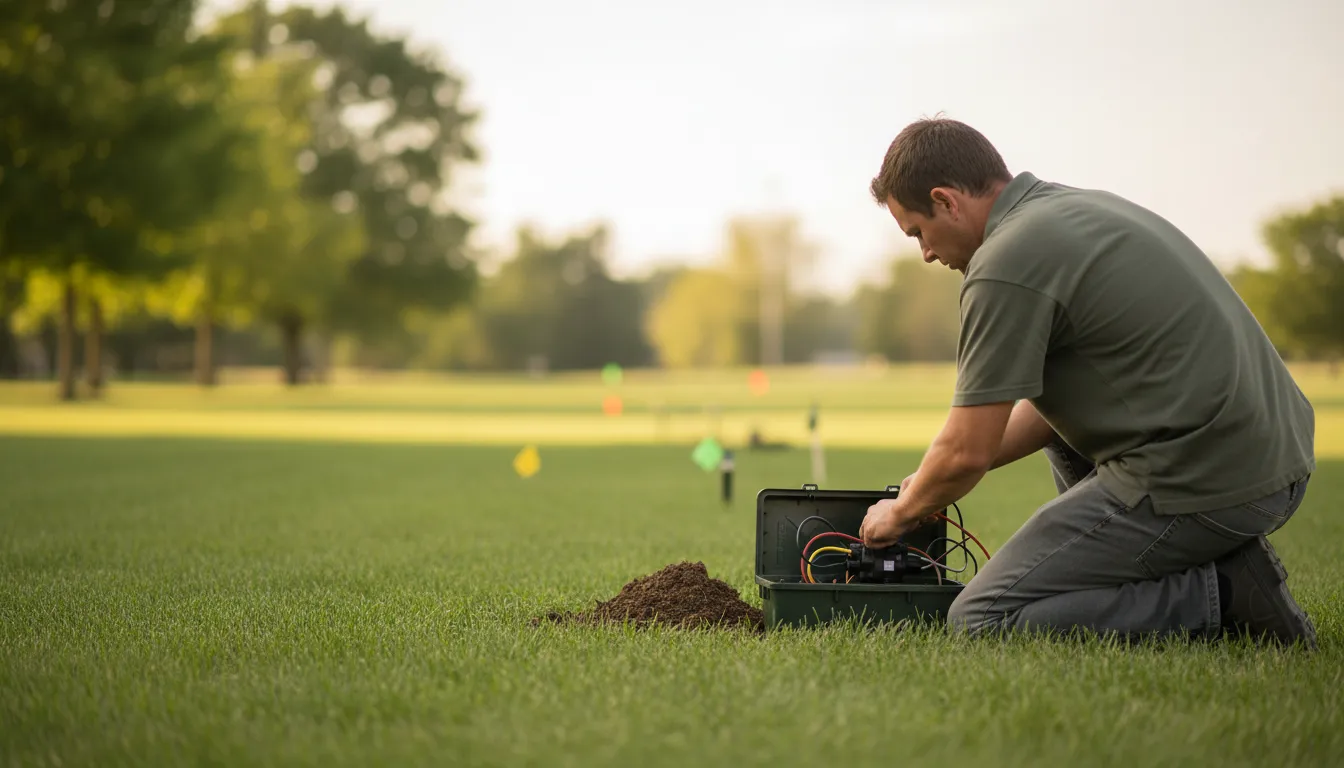
Find the Best Sprinkler & Irrigation Companies for Your Business
No obligation • Fast responses • Nationwide coverage

Why you can trust Landscape Atlas
Landscape Atlas is a leading United States resource for evaluating landscaping, lawn care, and outdoor service providers. Our team researches each category in depth, focusing on service quality, safety, and customer experience. Listings and rankings are based on independent criteria and user feedback, and companies cannot pay to influence our assessments or recommendations.
Search providers near you
Top Sprinkler & Irrigation Companies in Wake Forest, North Carolina Ranked
An automated sprinkler and irrigation system is a smart investment for maintaining a healthy, vibrant landscape in Wake Forest. These systems deliver precise amounts of water exactly where and when your lawn and plants need it, conserving water and saving you time. This guide will help you understand how these systems work, what options are available locally, and how to connect with qualified professionals in the Wake Forest area to design, install, or maintain your property's watering solution.
DreamScapes
4913 Professional Ct, Raleigh, NC 27609
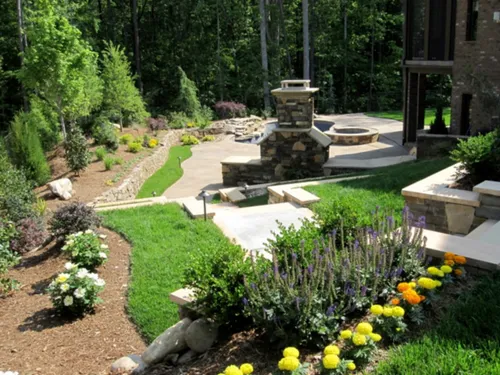
DreamScapes is a landscaping company based in Raleigh, NC, offering a wide range of residential and commercial landscaping services. Their expertise includes lawn mowing, fertilization, weed control, sod and artificial turf installation, landscape lighting, design, tree services, yard drainage, sprinkler installation and repair, as well as hardscaping such as pavers and retaining walls. With over fifteen years of experience, DreamScapes serves the greater Raleigh area including Cary, Wake Forest, Durham, and Chapel Hill. They provide customized landscape design and maintenance plans, combining hardscapes, planting, and lighting to meet client needs. DreamScapes sources materials from local high-quality suppliers and is known for attention to detail and comprehensive service. The company does not specify special availability hours.

Greenway Irrigation
2314 S Miami Blvd Suite 253, Durham, NC 27703
Greenway Irrigation is a landscaping and irrigation company based in Durham, NC, serving the Greater Triangle Area including Cary, Chapel Hill, and Raleigh. Since 1992, they have provided sprinkler and drip irrigation installation, repairs, startups, winterizations, and backflow testing. Their services also include outdoor lighting installation and repair, water features, drainage solutions, pool maintenance, and pressure washing. Greenway Irrigation holds an NC Irrigation Contractor License and employs a certified backflow inspector, reflecting their expertise in irrigation system care.

Pacific Lawn Sprinklers
Raleigh, NC
Pacific Lawn Sprinklers provides comprehensive irrigation, landscape lighting, and yard drainage services in Raleigh, NC. They specialize in new lawn sprinkler installations, repairs, and annual maintenance to ensure efficient watering and system longevity. The company also offers low-voltage outdoor lighting and holiday light installation using professional equipment and safety standards. With experience dating back to 1999, Pacific Lawn Sprinklers has completed numerous commercial and residential projects, including large-scale irrigation systems and landscape lighting. Their services include winterization to protect systems from freeze damage and smart WiFi controller installations for remote irrigation management.
Agape Lawn Company
2500 Regency Pkwy Suite 211, Cary, NC 27518
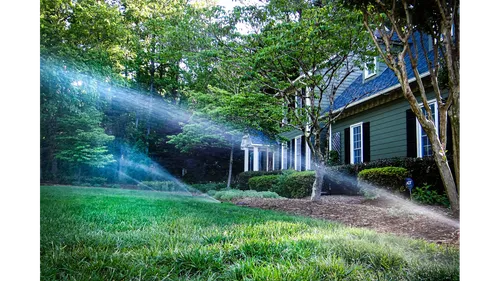
Agape Lawn Company provides comprehensive lawn care, landscaping, and outdoor living services to homeowners in Raleigh, NC. Their offerings include lawn fertilization, weed control, sod installation, irrigation system installation and repair, tree and shrub care, landscape design, and hardscaping features such as patios and retaining walls. Established in 2009, the company combines years of experience with a wide range of capabilities to maintain and enhance residential properties in the area.
Cary Sprinklers
503 Canon Gate Dr, Cary, NC 27518
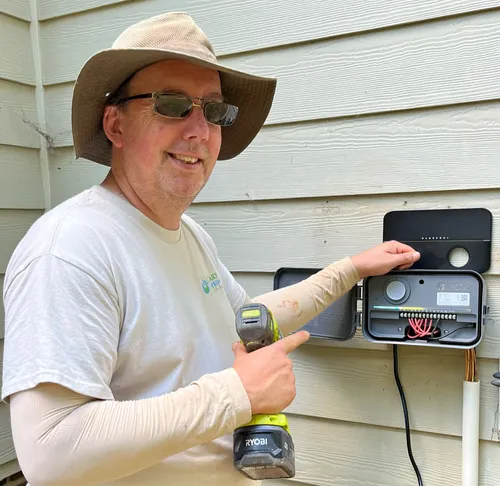
Cary Sprinklers is a full-service sprinkler and irrigation contractor serving Raleigh, NC, and surrounding Wake County communities. They provide comprehensive sprinkler system repairs, including fixing broken heads, clogged nozzles, valve and manifold repairs, controller troubleshooting, and backflow preventer services. The company also offers seasonal maintenance such as system startup, efficiency checks, fall optimization, and winterization to protect irrigation systems year-round. Cary Sprinklers installs new systems, smart controllers, drip irrigation, and performs expansions or upgrades tailored to local soil and climate conditions. They serve both residential and commercial clients across Cary, Apex, Raleigh, and nearby areas. Emergency repair services are available to address urgent sprinkler issues promptly.
How Automated Irrigation Systems Work
At its core, a modern sprinkler system functions like a programmable rain shower for your yard. The process is managed by a central controller, often called a timer, which is the brain of the operation. This device is programmed with your desired watering schedule. When it's time to water, the controller sends a low-voltage signal to open specific valves. Each valve controls a dedicated section of your yard, known as a zone. Once a valve opens, water flows from your main supply through a network of underground pipes to the sprinkler heads or drip emitters in that zone, delivering moisture efficiently to your landscape 1.
This zoned approach is crucial for efficiency. Different areas of your property have different watering needs. For example, a sunny lawn requires more frequent watering than a shaded garden bed. By separating these areas into individual zones, your system can apply the perfect amount of water to each plant type, preventing both underwatering and wasteful overwatering.
Key Components of a Residential System
Understanding the parts of your irrigation setup can help you communicate better with service providers and troubleshoot minor issues.
- Controller/Timer: This is the user interface, typically mounted in your garage or on an exterior wall. Modern "smart" controllers can adjust watering based on local weather data, further enhancing water savings.
- Valves: Usually housed in valve boxes buried in the yard, these electrically activated gates control water flow to each zone. A system might have several valve boxes scattered around the property.
- Piping: Durable PVC or polyethylene pipes form the underground network that carries water from the valves to the sprinkler heads.
- Sprinkler Heads: These are the visible components that distribute water. They pop up when the system is running and retract when finished to avoid obstruction. There are several types, which we'll explore next.
- Drip Irrigation Tubing: For garden beds, shrubs, and trees, a network of flexible tubing with small emitters delivers water slowly and directly to the root zone, minimizing evaporation and runoff.
Types of Sprinkler Heads and Their Uses
Choosing the right sprinkler head for each zone is essential for uniform coverage and water efficiency. Local professionals often assess your yard's sun exposure, soil type, and plant material to make the best selections 2 3.
- Rotary Heads: These are ideal for covering large, open areas of lawn. They rotate a stream of water in a full or partial circle and are designed to apply water slowly, allowing it to soak into the soil. They are excellent for preventing runoff on slopes or clay-heavy soils common in the region.
- Stationary Spray Heads: Also known as fixed-spray heads, these cover smaller, geometric areas (like squares or triangles). They are often used for narrow side yards, small patches of grass, or irregular corners. They pop up and spray a fixed pattern.
- Drip Irrigation & Micro-Sprinklers: This is the preferred method for flower beds, vegetable gardens, foundation plantings, and shrubs. Drip systems place water directly at the base of plants, drastically reducing waste from evaporation and wind. Micro-sprinklers provide a gentle, rain-like spray for smaller areas that need overhead watering.
Best Practices for Watering in Wake Forest
A properly programmed system is just as important as a well-designed one. Following regional guidelines helps promote deep root growth and a resilient landscape while adhering to wise water use principles 4.
- Frequency and Amount: A general rule is to provide about 1 inch of water per week to your lawn, including rainfall. This is often best achieved by splitting the watering into 2-3 sessions.
- Optimal Timing: The best time to water is in the early morning, between 4 AM and 10 AM. At this time, temperatures are cooler, winds are usually calmer, and evaporation is minimal. Watering at night can leave grass blades damp for too long, encouraging fungal diseases.
- Cycle and Soak Method: To avoid water running off your lawn before it can absorb, especially on compacted soils, use the "cycle and soak" technique. This involves running each zone for a shorter cycle (e.g., 10-15 minutes), allowing a break for the water to penetrate, then running a second cycle to achieve the total needed depth.
Find the perfect sprinkler & irrigation companies for your needs
Get personalized recommendations and expert advice
Professional Installation and System Design
Installing an in-ground irrigation system is a significant project that involves careful planning and skilled execution. The process typically starts with a detailed site analysis and system design, which maps out zones, pipe routes, and head placement 5. Next, trenches are dug for the piping network, valves are installed in accessible boxes, and the main water line is connected, often with a backflow preventer to protect your home's drinking water. Finally, sprinkler heads are positioned and leveled, and the entire system is tested and adjusted for optimal coverage.
The cost for a new sprinkler system installation in Wake Forest is highly variable. A basic system for a smaller yard might start in the range of $1,000 to $2,000, while a more complex design for a larger property with multiple zones, smart technology, and dedicated drip lines can range from $3,000 to $5,000 or more 6 7. The final price depends on your yard's size, the number of zones, the type of heads and controller selected, and the complexity of the terrain. Local companies like Water Works Unlimited and Brookscapes LLC provide installation services in the area, and obtaining multiple quotes is recommended for accurate pricing.
Maintenance, Winterization, and Repair
Like any mechanical system, irrigation systems require periodic maintenance to function reliably. Common issues include clogged or broken sprinkler heads from lawn mowers, leaks at valves or pipe joints, and controller malfunctions. Repairs are generally billed at an hourly rate plus the cost of parts. A simple head replacement might cost between $100 and $200, while repairing a leaking valve or a broken pipe section can range from $200 to $500+, depending on the location and extent of the problem 8 9.
A critical annual service for our climate is winterization. Before the first hard freeze, a professional will completely blow out all the water from the pipes, valves, and heads using compressed air. This prevents trapped water from freezing, expanding, and cracking the components, which can lead to costly repairs in the spring. Scheduling this service in the fall is essential for protecting your investment.
Upgrading to Smart Irrigation Technology
One of the most valuable upgrades for an existing system is a smart controller. These Wi-Fi-enabled devices go beyond simple timers. They can connect to local weather stations or online weather data to automatically skip watering cycles after sufficient rainfall, adjust run times based on temperature and evaporation rates, and provide system alerts directly to your smartphone. This technology maximizes water conservation, can lower your water bill, and ensures your landscape gets the right amount of water without any manual adjustments.
Frequently asked questions
Sources
Footnotes
-
CHAPTER 5. SPRINKLER IRRIGATION - https://www.fao.org/4/s8684e/s8684e06.htm ↩
-
Choosing the Right Type of Sprinkler for Your Lawn - https://lawnlove.com/blog/choosing-right-type-sprinkler-for-your-lawn/ ↩
-
Types of Agriculture Sprinkler Systems and Their Benefits for Different Crops - https://www.automatworld.in/india/blog-detail/types-of-agriculture-sprinkler-systems-and-benefits-for-different-crops ↩
-
Landscape Irrigation Watering Guide - https://northgeorgiawater.org/wp-content/uploads/2017/02/Landscape-Irrigation-Watering-Guide.pdf ↩
-
How to Install an In-Ground Sprinkler System - This Old House - https://www.thisoldhouse.com/landscaping/how-to-install-in-ground-sprinklers ↩
-
Sprinkler System Installation Cost | Average Cost of Sprinkler System - https://www.fixr.com/costs/sprinkler-system ↩
-
Best Cost of Garden Irrigation System: Ultimate 2025 Guide - https://randalllandscaping.com/cost-of-garden-irrigation-system/ ↩
-
Irrigation Systems for Raleigh, Apex, Wake Forest, NC & Beyond - https://www.brookscapes.com/irrigation ↩
-
Wake Forest, NC Sprinkler Systems | Installation - Repair - https://waterworksunltd.com/wake-forest/ ↩