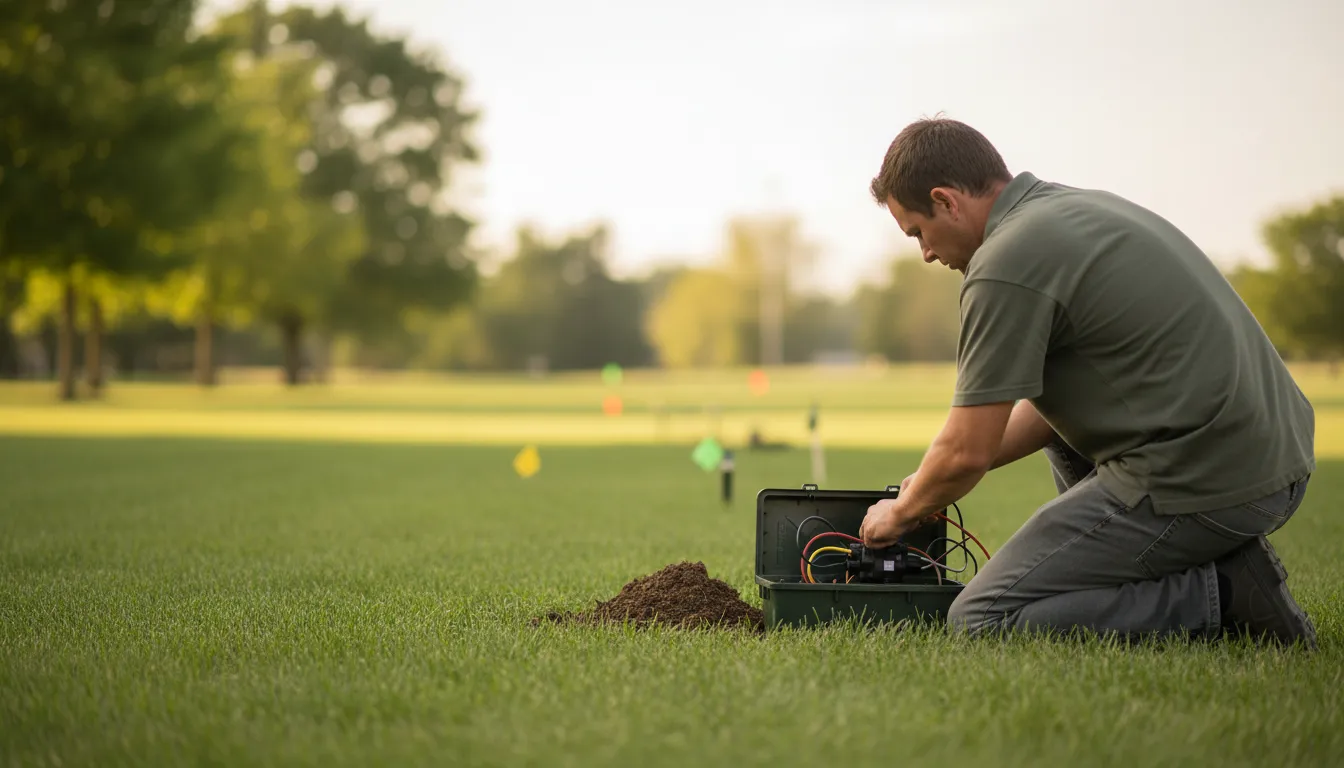
Find the Best Sprinkler & Irrigation Companies for Your Business
No obligation • Fast responses • Nationwide coverage

Why you can trust Landscape Atlas
Landscape Atlas is a leading United States resource for evaluating landscaping, lawn care, and outdoor service providers. Our team researches each category in depth, focusing on service quality, safety, and customer experience. Listings and rankings are based on independent criteria and user feedback, and companies cannot pay to influence our assessments or recommendations.
Search providers near you
Top Sprinkler & Irrigation Companies in Cherry Hill, New Jersey Ranked
A well-designed sprinkler and irrigation system is the cornerstone of a healthy, vibrant landscape in Cherry Hill. These automated watering systems deliver precise hydration to your lawn and garden, conserving water, saving you time, and protecting your property investment. Whether you're considering a new installation, need a repair, or want to optimize your current setup, understanding your local options for irrigation services is the first step toward a greener, more resilient yard.
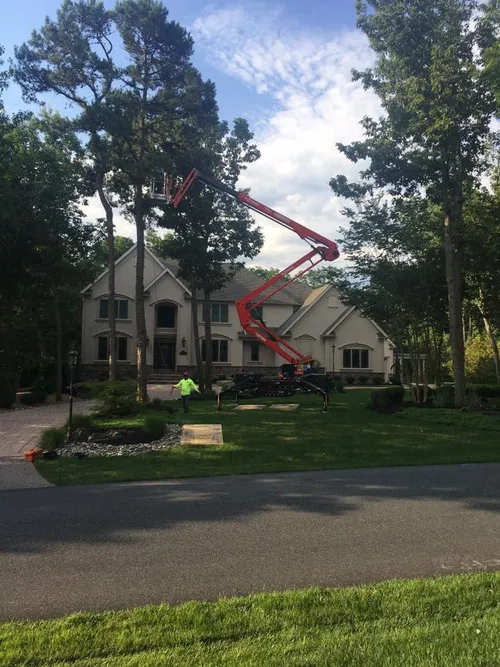
JMA Tree Service
145 Crowfoot Rd, West Berlin, NJ 08091
JMA Tree Service provides a range of outdoor services in Philadelphia, PA, including tree removal, stump grinding, lawn care, landscaping, irrigation, and yard drainage. They serve both residential and commercial clients, offering expertise in tree trimming, brush removal, and full irrigation and drainage solutions. JMA Tree Service is equipped to handle large tree removals with proper cleanup and property protection. The company has built a reputation for careful work and thorough debris removal, with a focus on maintaining the health and appearance of clients' properties.
Boker Landscapes, Hardscapes, & Aquascapes
121 E Washington St, Paulsboro, NJ 08066
Boker Landscapes, Hardscapes, & Aquascapes is a landscaping and outdoor services company serving Philadelphia, PA. They offer a wide range of services including lawn care, landscaping, hardscaping, aquascaping, power washing, garden maintenance, irrigation system installation and repair, tree care, and outdoor lighting installation. Their capabilities include comprehensive outdoor construction and irrigation solutions. The company emphasizes completing projects with attention to detail and customer satisfaction.
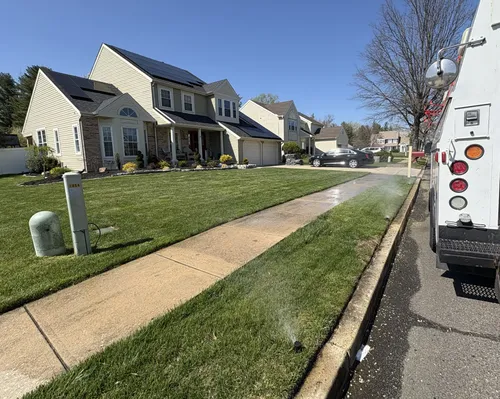
Pennygreen Sprinklers
12 Randy Rd, Glendora, NJ 08029
Pennygreen Sprinklers is a landscape lighting and irrigation company serving Philadelphia, PA, and surrounding counties including Camden, Gloucester, Burlington, Atlantic, Cape May, and Ocean. They specialize in sprinkler installation, repair, and outdoor lighting solutions designed to enhance the appearance and health of outdoor spaces. Their services include the installation of hot-spot proof irrigation systems that ensure even lawn hydration. Pennygreen Sprinklers offers a 3-year warranty on new systems and a 2-year warranty on parts repairs, reflecting their commitment to quality and durability. The company emphasizes clear communication and customer collaboration throughout the project process.
HomanGarden LLC
Philadelphia, PA
HomanGarden LLC is a family-owned lawn care and landscaping company based in Philadelphia, PA. They specialize in lawn mowing, garden sprinkler system installation and repair, landscape lighting design and installation, and general lawn maintenance services. The company offers comprehensive outdoor living solutions, from initial design to installation, with a focus on irrigation and lighting systems. Founded by BJ Homan, who began his career in irrigation in 2012 and expanded his expertise over the years, HomanGarden LLC brings years of experience servicing a wide range of clients in the region.
Make It Rain Irrigation LLC
Philadelphia, PA
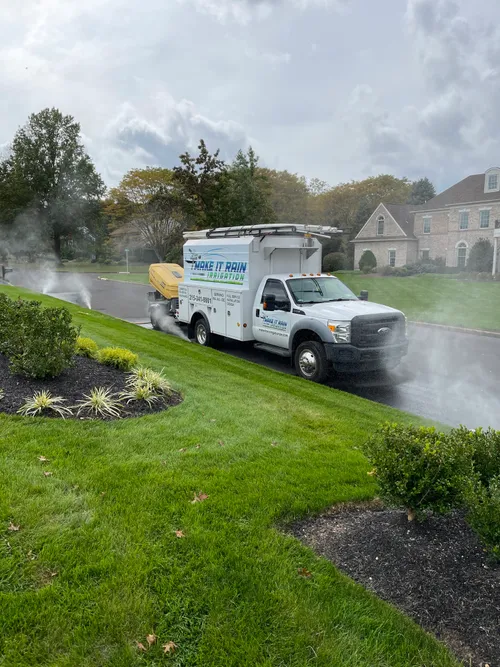
Make It Rain Irrigation LLC provides irrigation system design, installation, and maintenance services in Philadelphia, PA. They offer a range of services including sprinkler installation and repair, drip system repairs, Wi-Fi smart controller setups, and system winterization. The company is experienced in handling both new installations and repairs, focusing on efficient and tailored irrigation solutions to support healthy lawns and gardens.
How Irrigation Systems Work in Cherry Hill
At its core, an automatic sprinkler system is designed to mimic natural rainfall in a controlled, efficient manner. The process begins with a controller, often called a timer, which is the brain of the operation. This device sends low-voltage electrical signals to a series of zone valves, usually housed in a valve box buried in your yard. When a valve opens, it allows pressurized water from your home's main supply to flow.
Before entering the irrigation lines, the water passes through a critical safety device: the backflow preventer. This component ensures that water from your sprinkler lines cannot flow backward and contaminate your home's drinking water supply, a requirement in many municipalities including Cherry Hill1. From the valves, water travels through a network of underground PVC pipes to the sprinkler heads. These heads pop up when pressurized, distributing water in specific patterns (full circle, half circle, or quarter circle) before retracting back to ground level.
Modern systems often include smart sensors, like rain or soil moisture sensors, that communicate with the controller to skip a watering cycle during or after adequate rainfall, preventing overwatering and waste.
Key Components of a Reliable System
A durable and effective irrigation setup relies on several key components working in harmony. Knowing what each part does can help you communicate better with service professionals.
- The Controller (Timer): This is your command center. Modern "smart" controllers can be programmed and monitored via smartphone apps, adjusting schedules based on local weather data to optimize water use.
- Valves: Each watering zone has its own electric valve, which acts as a gate. The controller tells each valve when to open and close. Valves are typically grouped together in valve manifolds installed in underground boxes for easy access.
- Sprinkler Heads: These are the workhorses that deliver the water. Rotor heads are used for larger lawn areas, spraying streams of water in circles. Spray heads are for smaller, regular-shaped areas like flower beds, emitting a fan-shaped mist. It's crucial to match the head type and nozzle to the area's shape and size2.
- Piping Network: Schedule 40 PVC pipe is the standard for underground mains and lateral lines due to its durability and resistance to soil pressure and corrosion.
- Backflow Prevention Device: A non-negotiable safety component, this is usually installed above ground near your water meter and must be tested annually by a certified technician in New Jersey to meet code.
Designing for Efficiency: Zoning and Coverage
A one-size-fits-all approach wastes water and harms plants. Professional irrigation design is all about creating intelligent zones.
A zone is a group of sprinkler heads controlled by a single valve. A well-designed system will have separate zones for areas with different watering needs. For example, sunny lawn areas, shaded lawn areas, perennial beds, and shrub areas should all be on different zones3. This allows you to give your sun-baked grass more frequent water than your shade-tolerant hostas.
The golden rule for layout is head-to-head coverage. This means sprinkler heads are spaced so that the water from one head reaches the adjacent head. This overlap ensures every square foot of the zone receives uniform water distribution, eliminating dry spots and preventing the wasteful overwatering that occurs when heads are spaced too far apart. A proper design also accounts for water pressure and flow rate from your source to ensure each zone has enough heads operating effectively without compromising performance4.
Find the perfect sprinkler & irrigation companies for your needs
Get personalized recommendations and expert advice
Smart Watering Practices for the New Jersey Climate
Your system is only as good as its schedule. Cherry Hill's climate, with hot, humid summers and cold winters, requires seasonal adjustments.
The general goal is to provide your lawn with about one inch of water per week, including rainfall. This is often best achieved by splitting the watering into 2-3 sessions per week, allowing water to penetrate deeply into the soil and encouraging stronger root growth. Each watering session might run for 15 to 45 minutes per zone, depending on your soil type and sprinkler output5.
- Summer (90°F+): Increase frequency to 3-4 times per week to combat heat stress and evaporation.
- Spring/Fall (60-80°F): 2-3 times per week is typically sufficient.
- Late Fall/Winter: Systems must be properly winterized (see below). No watering is needed.
Always aim to water in the early morning, ideally between 4 a.m. and 8 a.m. This minimizes water loss from evaporation and wind, and allows grass blades to dry during the day, reducing the risk of fungal diseases6.
Understanding Costs: Installation, Repair, and Maintenance
Investing in an irrigation system involves initial installation costs and ongoing upkeep. In Cherry Hill, installation costs are typically quoted in two ways: per square foot or per zone.
For an average residential property, you can expect a price range of $0.88 to $1.65 per square foot7. For larger properties, the per-square-foot cost may be lower. Alternatively, costs are often broken down by zone, with each zone costing between $590 and $1,340, including labor, materials, and the controller8. The final price depends on property size, complexity of the design, soil conditions (rocky soil is more labor-intensive to trench), and the quality of components selected.
Repair costs are highly variable and depend on the issue. A simple head replacement is minor, while locating and repairing a broken pipe under a paved driveway can be more involved. Common repairs include fixing leaks, replacing damaged heads, repairing faulty valves, or updating an old controller9.
Perhaps the most critical cost to factor in is preventative maintenance. For Cherry Hill homeowners, this means two essential annual services:
- Spring Startup: A technician will activate your system, check for winter damage, test each zone, adjust heads, and program the controller for the season.
- Winterization: In late fall, before the first hard freeze, the system must be "blown out." Using a large air compressor, a professional will force all water out of the pipes, valves, and heads to prevent freezing and cracking, which can cause costly damage10. This service is not optional in our climate.
Choosing a Local Irrigation Service Provider
When looking for a professional in the Cherry Hill area, seek out companies with specific expertise in irrigation, not just general landscaping. Look for licensed, insured technicians who are knowledgeable about local codes and backflow prevention testing requirements. A reputable provider will offer a detailed site evaluation and design plan before giving a quote, and they should clearly explain their recommended zoning strategy and component choices. Many established local companies offer comprehensive service packages that include installation, repairs, and the essential seasonal maintenance visits 11.
Frequently asked questions
Sources
Footnotes
-
Anatomy of an Automatic Sprinkler System - Rain Bird - https://www.rainbird.com/homeowners/blog/anatomy-of-an-automatic-sprinkler-system ↩
-
Easy, step-by-step, underground sprinkler system layout guide - https://images.thdstatic.com/catalog/pdfImages/a9/a9564496-8fb7-4141-8758-5f660a7a9310.pdf ↩
-
CHAPTER 5. SPRINKLER IRRIGATION - https://www.fao.org/4/s8684e/s8684e06.htm ↩
-
How to Install an In-Ground Sprinkler System - This Old House - https://www.thisoldhouse.com/landscaping/how-to-install-in-ground-sprinklers ↩
-
How Long to Run Sprinklers - Irrigreen - https://irrigreen.com/blogs/sprinkler-systems/how-long-to-run-sprinklers ↩
-
How Long to Run a Sprinkler for 1 Inch of Water - Sod Solutions - https://sodsolutions.com/advanced-how-to/how-long-to-run-a-sprinkler-for-1-inch-of-water/ ↩
-
How Much Does it Cost to Install a Sprinkler System in 2026? - https://lawnlove.com/blog/sprinkler-system-cost/ ↩
-
Pacific Lawn Sprinklers > Cherry-Hill-Camden-County-NJ - https://www.pacificlawnsprinklers.com/Cherry-Hill-Camden-County-NJ ↩
-
How Much Does a Sprinkler System Cost? (2026) - HomeGuide - https://homeguide.com/costs/sprinkler-system-install-cost ↩
-
Lawn Sprinklers System Services - New Jersey Irrigation - https://newjerseyirrigationservices.com/residential-services/lawn-sprinklers-system-services/ ↩
-
THE BEST 10 IRRIGATION in CHERRY HILL, NJ - Yelp - https://m.yelp.com/search?cflt=irrigation&find_loc=Cherry+Hill%2C+NJ ↩