Find the Best Sprinkler & Irrigation Companies for Your Business
No obligation • Fast responses • Nationwide coverage

Why you can trust Landscape Atlas
Landscape Atlas is a leading United States resource for evaluating landscaping, lawn care, and outdoor service providers. Our team researches each category in depth, focusing on service quality, safety, and customer experience. Listings and rankings are based on independent criteria and user feedback, and companies cannot pay to influence our assessments or recommendations.
Search providers near you
Top Sprinkler & Irrigation Companies in Tigard, Oregon Ranked
A well-designed sprinkler and irrigation system is the key to a healthy, vibrant landscape while conserving our precious water resources. In Tigard's climate, an automated watering system ensures your lawn and garden receive the precise amount of water they need, exactly when they need it, saving you time and money. This guide will help you understand the components, best practices, and local considerations for installing or maintaining an irrigation system for your property.
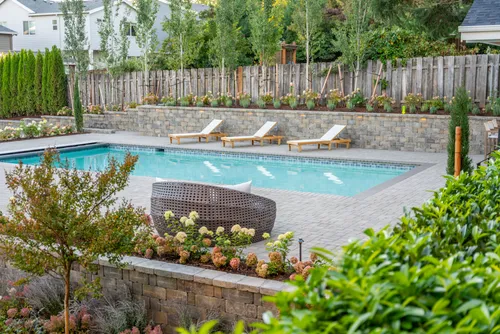
Simple Lawns Landscape Design
9707 NE 54th St #C, Vancouver, WA 98662
Simple Lawns Landscape Design is a family-owned landscaping and lawn care company serving Portland, OR. They provide a full range of services including lawn mowing, fertilization, weed control, landscape design, yard drainage, sprinkler installation and repair, and hardscaping such as pavers and retaining walls. With over 20 years of experience, they focus on durable outdoor solutions backed by a 5-year warranty on hardscaping. Their team includes trained installers who stay current with landscaping techniques to ensure quality results.
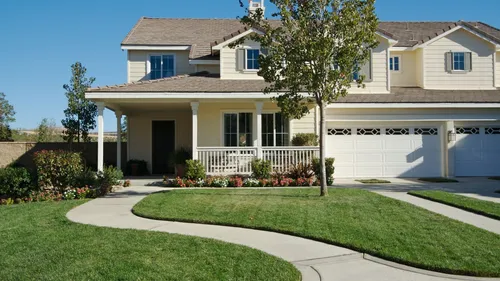
Lawn & Irrigation Technologies NW
2900 SE Cornelius Pass Rd Ste 336, Hillsboro, OR 97123
Lawn & Irrigation Technologies NW is a landscaping and irrigation contractor based in Portland, OR, serving the Washington County area for over 30 years. They offer a wide range of services including irrigation system installation and repair, sod installation, landscape lighting, paver installation, yard drainage solutions, and lawn fertilization. Their team is known for using water-efficient irrigation products and providing NDS-certified drainage solutions to enhance outdoor spaces while promoting environmental stewardship.
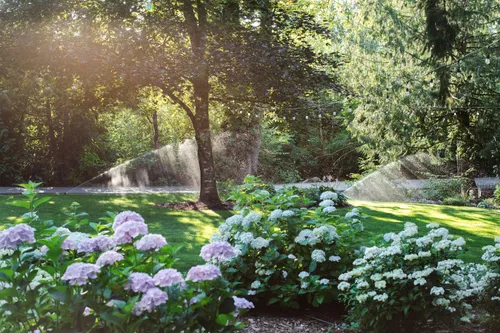
Wyeast Gardens, LLC
23202 SE Hoffmeister Rd, Damascus, OR 97089
Wyeast Gardens, LLC is a full-service landscaping company based in Portland, OR, offering landscape design, irrigation installation and repair, yard drainage solutions, and hardscaping services. Serving commercial, residential, industrial, and governmental clients, they specialize in efficient irrigation systems and sustainable water management to enhance outdoor spaces. Established in 1994, Wyeast Gardens brings over 25 years of experience, including work with national cemeteries and VA hospitals, and provides skilled masonry and landscape construction services.
RoyalWorks Landscaping LLC
20948 S Charriere Rd, Oregon City, OR 97045
RoyalWorks Landscaping LLC is a locally owned and operated landscaping company serving Portland, OR. With over 20 years of experience, they provide a range of services including lawn mowing, lawn care, weed control, tree pruning, stump grinding, sprinkler installation and repair, and comprehensive landscaping management. Their team handles both residential and commercial properties, focusing on creating unique, sustainable outdoor spaces. They also offer irrigation management services such as spring turn-on and winterization adjustments.
Earthborn Landscape Services
10367 SE Helena St, Portland, OR 97222
Earthborn Landscape Services is a landscaping company based in Portland, OR, offering a range of lawn care and irrigation services. They specialize in sod installation, sprinkler system installation and repair, and full landscape maintenance for residential and commercial properties. Their team prepares soil and installs sod to ensure long-lasting lawns and provides sprinkler system upgrades including WiFi controllers and drip irrigation. Clients have noted their detailed planning, respectful work ethic, and thorough clean-up after projects. Earthborn Landscape Services serves the Portland Metro area and is recognized for integrating both sprinkler and drip systems in different zones to optimize irrigation.
Understanding Your Irrigation System's Core Components
A modern irrigation system is more than just sprinkler heads popping up from the ground. It's a precisely engineered network designed for efficiency. At its heart, the system connects to your home's main water supply and is controlled by a central timer, known as a controller. From there, water flows through a series of underground PVC pipes to various zones in your yard.
Each zone is controlled by an electric valve that opens and closes on a schedule from the controller. Zones are created based on the type of plants and their sun exposure; for example, a sunny lawn would be on a different zone than a shaded garden bed. The water is then delivered through emission devices: either sprinkler heads for turf areas or drip emitters for planting beds 1.
Key Components:
- Controller/Timer: The brain of the operation. Modern "smart" controllers can adjust watering schedules automatically based on local weather data.
- Valves: Electrically operated gates that control water flow to each zone.
- Sprinkler Heads: Include pop-up sprays for smaller areas and rotating rotors for larger lawns (covering 25 feet or more) 2.
- Drip Irrigation: A network of tubing with small emitters that deliver water slowly and directly to plant roots, minimizing evaporation and runoff.
- Sensors: Rain sensors and soil moisture sensors can override the controller to prevent unnecessary watering.
Smart Watering Practices for the Tigard Climate
Proper scheduling is what separates a wasteful system from a water-smart asset. The goal for most lawns in our region is to apply about one inch of water per week during the active growing season 3. This should be split into 2-3 watering sessions to allow the water to penetrate deeply, encouraging robust root systems that are more drought-tolerant 4.
When to Water: The absolute best time to water is between 2 AM and 6 AM. Winds are typically calm, evaporation rates are at their lowest, and water has time to soak into the soil before the sun rises. This practice also helps prevent fungal diseases that can thrive on damp grass blades overnight 5.
Seasonal Adjustments:
- Summer: Water deeply every other day or less, depending on heat.
- Spring & Fall: Reduce to 2-3 times per week as temperatures cool and rainfall increases.
- Winter: Irrigation systems should be winterized to prevent freeze damage. Watering is rarely needed, perhaps only once a week during an extended dry spell 6.
Find the perfect sprinkler & irrigation companies for your needs
Get personalized recommendations and expert advice
Installation and Retrofit Considerations
Whether you're installing a new system or upgrading an old one, understanding the scope and cost is essential. Installation costs can vary widely based on property size, complexity, and the components used. For a basic in-ground system covering a quarter-acre lot, homeowners can expect a range from approximately $1,700 to $3,500 or more.
Dedicated drip irrigation systems for garden beds, patios, or shrub areas are generally less expensive to install, often ranging from $450 to $2,000, depending on the area's size and plant density. The biggest advancement in recent years is smart technology. Upgrading to a weather-based smart controller, which can cost between $200 and $500 plus installation, can lead to significant water savings by automatically adjusting for rain, temperature, and humidity 7.
For existing homes with older systems, a retrofit is often a wise investment. Local Tigard-area professionals can replace outdated sprinkler heads with more efficient models, add new zones for landscape expansions, or integrate smart controllers and sensors to modernize the entire system's efficiency.
Common Repairs and Maintenance
Even the best systems require occasional maintenance. Common issues include clogged nozzles, broken sprinkler heads from lawn mowers, leaking valves, and broken wires or pipes. Addressing small problems quickly can prevent water waste and larger repair bills.
Typical Repair Costs:
- Nozzle or Filter Replacement: A simple and inexpensive fix, typically $10 - $25 per head.
- Solenoid or Valve Repair: The solenoid is the electric component that opens the valve. Repairs for these parts can range from $75 to $300.
- Below-Ground Pipe Repair: Fixing a broken lateral pipe usually involves excavation and can cost between $150 and $225 or more 8.
- Electrical Issues: Troubleshooting and repairing wire breaks or controller problems are often billed at an hourly rate and can run into the hundreds of dollars.
An annual startup and winterization service is highly recommended. A technician will pressurize the system, check for leaks, adjust heads, and program the controller in the spring. In the fall, they will blow out all the water from the pipes using compressed air to prevent freezing and cracking.
Leveraging Local Expertise and Resources
Tigard residents have access to excellent local knowledge. Portland and state guidelines emphasize water conservation, and local irrigation professionals are well-versed in the best practices for our specific soil types and regional climate patterns 9.
When looking for service, seek out established local companies familiar with the area. They can provide invaluable advice on the right equipment for your yard's specific conditions and help you navigate any local regulations. Furthermore, the City of Portland's water bureau offers resources and guidelines for saving water outdoors, which are directly applicable and beneficial for Tigard homeowners looking to optimize their irrigation efficiency.
Frequently asked questions
Sources
Footnotes
-
RESIDENTIAL SPRINKLER SYSTEM - Hunter Industries - https://www.hunterirrigation.com/sites/default/files/design_guide_Residential_System_LIT-226-US.pdf ↩
-
Sprinkler Planning & Installation Guide - https://sod.com/wp-content/uploads/2015/10/sprinkler-pig.pdf ↩
-
Irrigation Help | Santa Clarita Valley Water - https://yourscvwater.com/irrigation-help ↩
-
Landscape Irrigation - https://home-water-works.org/landscape-irrigation/irrigation ↩
-
How Long to Run a Sprinkler for 1 Inch of Water - Sod Solutions - https://sodsolutions.com/advanced-how-to/how-long-to-run-a-sprinkler-for-1-inch-of-water/ ↩
-
Lawn watering guide for Eastern Oregon - https://extension.oregonstate.edu/gardening/lawn/lawn-watering-guide-eastern-oregon ↩
-
Saving water outdoors - Portland.gov - https://www.portland.gov/water/water-efficiency-programs/save-water-outdoors ↩
-
Oregon Sprinkler: Sprinkler System Services in Tualatin, OR - https://www.oregonsprinkler.com/ ↩
-
TOP 10 BEST Sod Installation in Tigard, OR - Yelp - https://m.yelp.com/search?find_desc=Sod+Installation&find_loc=Tigard%2C+OR ↩