Find the Best Sprinkler & Irrigation Companies for Your Business
No obligation • Fast responses • Nationwide coverage

Why you can trust Landscape Atlas
Landscape Atlas is a leading United States resource for evaluating landscaping, lawn care, and outdoor service providers. Our team researches each category in depth, focusing on service quality, safety, and customer experience. Listings and rankings are based on independent criteria and user feedback, and companies cannot pay to influence our assessments or recommendations.
Search providers near you
Best Sprinkler & Irrigation Companies in Virginia Ranked
A well-designed sprinkler and irrigation system is a cornerstone of a healthy, vibrant Virginia landscape. It delivers water efficiently to your lawn, garden, and plantings, conserving a precious resource while protecting your property investment. Whether you're considering a new installation, need repairs, or want to upgrade to smart technology, understanding your local options is key. This guide provides practical information to help you navigate the process and connect with qualified professionals in your area.
Tanner Irrigation
8200 Fordson Rd, Richmond, VA 23229
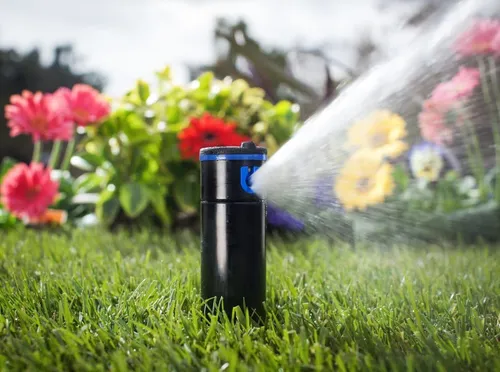
Tanner Irrigation is a Richmond, VA-based company specializing in sprinkler installation, irrigation repairs, and system maintenance. Established in 1987, the company has extensive experience providing lawn sprinkler systems and irrigation services to homeowners and landscapers in the Richmond metropolitan area. Tanner Irrigation offers services such as spring activation, winterization, and backflow device work, using quality materials and adhering to professional standards.
Sod & irrigation exclusive
9513 Kennesaw Rd, North Chesterfield, VA 23236
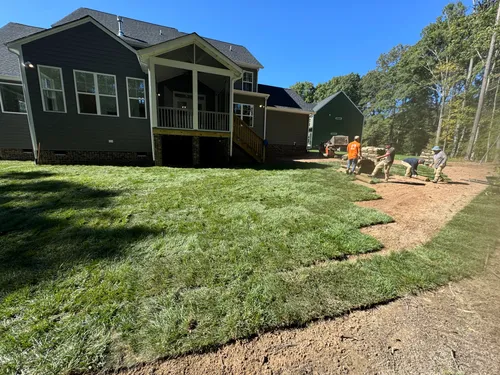
Sod & Irrigation Exclusive is a Richmond, VA-based company specializing in sod installation and irrigation services. They focus on installing locally grown and harvested turf, including varieties such as Fescue, Zoysia, and Bermudagrass, tailored to suit different climates and lifestyles. Their expertise covers both residential lawns and larger outdoor spaces, providing professional sod and sprinkler system installations. The team offers downloadable contracts and sod care guidance to ensure clear communication and proper maintenance.
Meadow Lawn & Pest
21401 Brewers Neck Blvd, Carrollton, VA 23314
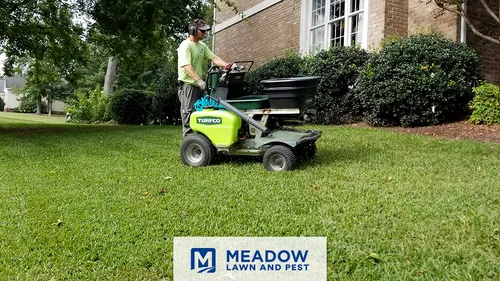
Meadow Lawn & Pest is a family-owned lawn care and pest control company serving Norfolk, VA, and surrounding areas including Carrollton, Smithfield, and Newport News. Established in 2008, they offer a range of services such as lawn mowing, fertilization, weed control, irrigation and sprinkler repair, landscaping, tree removal, and landscape lighting installation. Their team is licensed, certified, and insured, providing expertise in both indoor and outdoor pest control as well as yard drainage solutions. With over 16 years of experience, Meadow Lawn & Pest emphasizes consistent quality through regular maintenance and staff training.
Aubrey's Tree Service & Landscaping
630 Carter Rd, Chesapeake, VA 23322
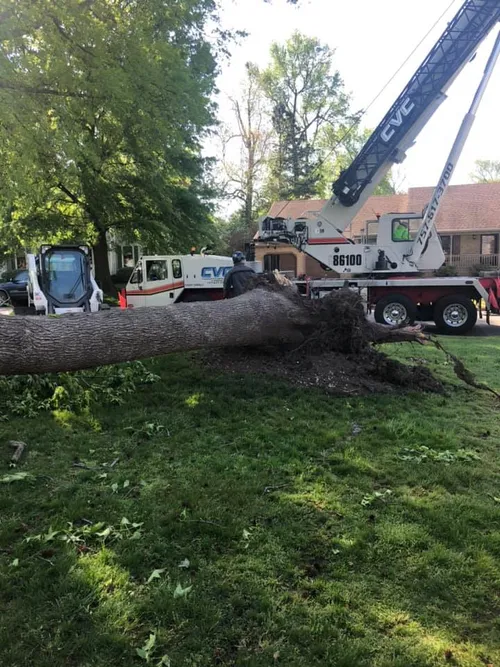
Aubrey's Tree Service & Landscaping is a family-owned business serving Chesapeake, VA, and the Hampton Roads area for over 25 years. They offer a wide range of services including tree removal, stump grinding, landscape design and installation, hardscaping, sod installation, irrigation, drainage system installation, and lot clearing. Their team is certified by OSHA and ISA and provides 24/7 emergency tree services to address urgent needs promptly. With extensive experience and comprehensive capabilities, they handle projects from concept to completion, including commercial and residential properties.
Rivas Irrigation
2926 Hilliard Rd, Henrico, VA 23228
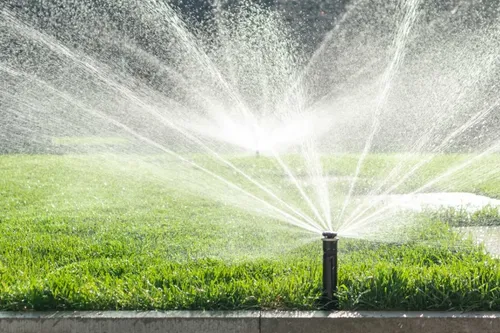
Rivas Irrigation is a family-owned lawn care and irrigation company based in Richmond, VA. They offer a wide range of services including irrigation system design, installation, repair, and maintenance for both residential and commercial properties. Their expertise also extends to landscaping, tree services, lawn mowing, weed control, and driveway sealing. With over 20 years of experience, Rivas Irrigation uses the latest technology to ensure efficient watering and healthy landscapes. They focus on personalized solutions to meet each client's specific needs.
Understanding Your Irrigation Options in Virginia
Virginia homeowners have several effective methods for watering their landscapes, each suited to different needs. The right choice depends on your property's layout, plant types, and your personal goals for water conservation and convenience.
In-Ground Sprinkler Systems are the most common solution for lawns. These systems use a network of underground pipes connected to pop-up spray heads or rotors that water specific zones. The property is divided into zones based on plant type and sun exposure-allowing grass areas, shrub beds, and flower gardens to be watered on separate schedules with appropriate amounts of water.
Drip Irrigation is a highly efficient, low-volume system ideal for garden beds, vegetable plots, foundation plantings, and trees. Instead of spraying water into the air, drip systems use a network of tubes with emitters that deliver water slowly and directly to the root zone of each plant. This method minimizes evaporation and runoff, promotes deeper root growth, and helps prevent weed growth and fungal diseases by keeping foliage dry 1.
Smart Irrigation Controllers represent a significant technological advancement, applicable to both sprinkler and drip systems. These Wi-Fi-enabled devices automatically adjust watering schedules based on local weather data, soil moisture levels, and plant type. You can manage them from a smartphone app, ensuring your landscape receives exactly the water it needs, which is crucial for complying with local water restrictions and conserving resources.
The Installation Process: From Design to Green Lawn
Installing a new irrigation system is a multi-step process that requires careful planning and expertise to ensure long-term reliability and efficiency.
- Site Assessment & Design: A professional will start by evaluating your property's specific conditions. This includes measuring water pressure (PSI) and flow rate (GPM) from your main supply, mapping the sun and shade patterns, and identifying different plant material zones. A detailed plan is then created, specifying the location of pipes, valves, sprinkler heads, and the controller.
- Permitting & Backflow Prevention: In Virginia, installing an irrigation system typically requires a plumbing permit from your local city or county. A critical and often legally mandated component is the installation of a backflow preventer. This device stops contaminated water from flowing backward into the public drinking water supply, protecting community health. Annual testing of this device is usually required by local codes.
- Trenching & Pipe Installation: The underground network is installed either by trenching (digging narrow channels) or using a pipe-pulling machine that minimizes surface disruption. Pipes are laid in the trenches according to the design plan 2.
- Assembly & Connection: The system is assembled by connecting the pipes to the water supply via the backflow device, installing zone control valves in valve boxes, and attaching the sprinkler heads or drip emitters. All electrical wiring for the automatic valves is connected to the irrigation controller.
- Programming & Final Adjustments: The controller is programmed with initial watering schedules for each zone. The installer will then perform a thorough test, adjusting the direction and spray pattern of each sprinkler head to ensure complete coverage without wasting water on driveways or sidewalks.
- Restoration: Finally, the trenches are backfilled and the turf is replaced. With proper installation techniques, a lawn can recover from this process within one to two weeks.
Find the perfect sprinkler & irrigation companies for your needs
Get personalized recommendations and expert advice
Navigating Local Regulations and Smart Water Use
Virginia's climate can vary from humid coastal plains to more temperate regions, and local water ordinances are in place to manage demand, especially during drier summer months.
Local Watering Restrictions: Most municipalities in Virginia have specific watering rules, which may dictate odd/even watering days based on your street address or set specific allowable watering times (e.g., before 10 AM and after 4 PM). These restrictions are often intensified during declared drought conditions. It is essential to check with your local public utilities department for the exact rules that apply to your home.
The Role of Smart Technology: Modern smart controllers are invaluable tools for compliance and conservation. By automatically skipping watering cycles after sufficient rainfall or adjusting run times based on evaporation rates, these systems ensure you never accidentally violate local ordinances while keeping your landscape healthy. Investing in a smart controller or adding rain/freeze sensors to an existing system is one of the most effective steps a homeowner can take 3.
Annual Backflow Testing: As mentioned, Virginia law generally requires annual testing of the backflow prevention device by a certified tester. This is not just a formality; it's a vital public health measure. A licensed irrigation professional can typically perform this service and provide the necessary certification to your water provider.
Cost Considerations for Installation and Maintenance
Understanding the potential costs involved helps in planning and budgeting for your irrigation project. Prices can vary widely based on system complexity, property size, and soil conditions.
New System Installation: Costs are typically calculated per zone, as each zone requires its own valve and piping. For a standard in-ground sprinkler system in Virginia, installation can range from $500 to $2,000 or more per zone, with total costs for an average residential property often falling between $3,000 and $10,000+ 4 5 6. Drip irrigation systems for garden beds can be less expensive to install, sometimes starting at a lower overall project cost due to simpler components and labor 7.
Repair and Service Costs: Even well-installed systems require occasional repairs. Common issues include broken sprinkler heads from lawn mowers or freezing, malfunctioning solenoid valves, and leaks in main lines or lateral pipes. Repair costs vary:
- Minor fixes like replacing a sprinkler head or adjusting coverage may cost under $100.
- Repairing a faulty valve or fixing a section of leaking pipe can range from $150 to $400.
- Major repairs, such as locating and fixing a leak in a main supply line, can cost several hundred dollars depending on the depth and location of the problem.
Ongoing Maintenance: To ensure longevity and winter readiness, systems require seasonal shutdown (winterization) and startup services, which usually cost a flat fee. Factor in the annual cost for mandatory backflow device testing as well. Many homeowners opt for a yearly maintenance plan with a local provider to cover these services and priority repair scheduling 8.
Frequently asked questions
Sources
Footnotes
-
Installing Irrigation System for Garden: 7 Powerful Benefits 2025 - https://salcorplandscaping.com/installing-irrigation-system-for-garden/ ↩
-
Irrigation Systems - Affordable Lawn Sprinklers - https://www.affordablelawnsprinklers.com/irrigation-systems ↩
-
How to Install an In-Ground Sprinkler System - This Old House - https://www.thisoldhouse.com/landscaping/how-to-install-in-ground-sprinklers ↩
-
Sprinkler System Installation, Repairs & Service Plans - https://www.htiva.com/lawn-sprinkler-design-installation-services-in-northern-virginia/ ↩
-
How Much Does a Sprinkler System Cost? (2026) - HomeGuide - https://homeguide.com/costs/sprinkler-system-install-cost ↩
-
How Much Does a Sprinkler System Cost in 2026? - LawnStarter - https://www.lawnstarter.com/blog/cost/sprinkler-system-price/ ↩
-
How Much Does Drip Irrigation Cost in 2026? - LawnStarter - https://www.lawnstarter.com/blog/cost/drip-irrigation-cost/ ↩
-
Sprinkler System Cost in Hampton Roads [2025 Price Guide] - https://www.hrirrigation.com/sprinkler-system-cost-hampton-roads ↩