Find the Best Sprinkler & Irrigation Companies for Your Business
No obligation • Fast responses • Nationwide coverage

Why you can trust Landscape Atlas
Landscape Atlas is a leading United States resource for evaluating landscaping, lawn care, and outdoor service providers. Our team researches each category in depth, focusing on service quality, safety, and customer experience. Listings and rankings are based on independent criteria and user feedback, and companies cannot pay to influence our assessments or recommendations.
Search providers near you
Top Sprinkler & Irrigation Companies in Norfolk, Virginia Ranked
A well-designed sprinkler and irrigation system is a cornerstone of a healthy, vibrant landscape in Norfolk. These automated systems deliver water precisely where and when it's needed, conserving a vital resource while promoting lush lawns and thriving gardens. For homeowners and property managers, understanding the components, scheduling, and maintenance of these systems is key to maximizing their investment. This guide provides local insights to help you navigate your options, from installation to smart upgrades, and connect with experienced professionals in the Hampton Roads area.
Meadow Lawn & Pest
21401 Brewers Neck Blvd, Carrollton, VA 23314
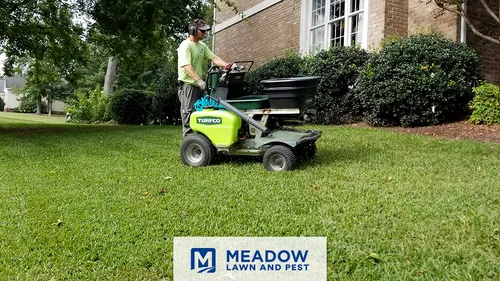
Meadow Lawn & Pest is a family-owned lawn care and pest control company serving Norfolk, VA, and surrounding areas including Carrollton, Smithfield, and Newport News. Established in 2008, they offer a range of services such as lawn mowing, fertilization, weed control, irrigation and sprinkler repair, landscaping, tree removal, and landscape lighting installation. Their team is licensed, certified, and insured, providing expertise in both indoor and outdoor pest control as well as yard drainage solutions. With over 16 years of experience, Meadow Lawn & Pest emphasizes consistent quality through regular maintenance and staff training.
Aubrey's Tree Service & Landscaping
630 Carter Rd, Chesapeake, VA 23322
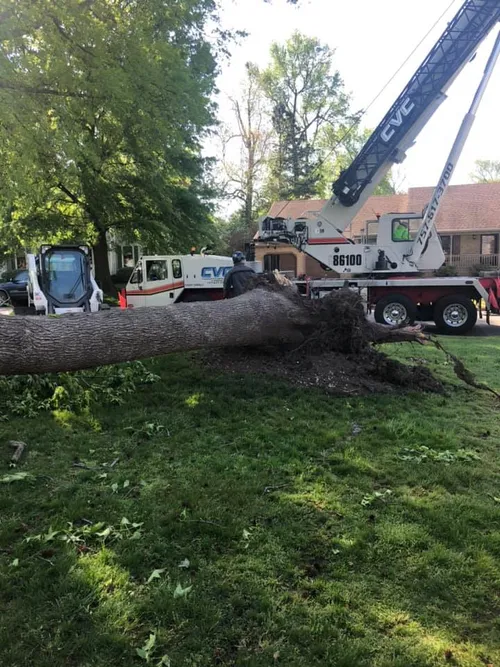
Aubrey's Tree Service & Landscaping is a family-owned business serving Chesapeake, VA, and the Hampton Roads area for over 25 years. They offer a wide range of services including tree removal, stump grinding, landscape design and installation, hardscaping, sod installation, irrigation, drainage system installation, and lot clearing. Their team is certified by OSHA and ISA and provides 24/7 emergency tree services to address urgent needs promptly. With extensive experience and comprehensive capabilities, they handle projects from concept to completion, including commercial and residential properties.
Bay Area Irrigation
744 Shillelagh Rd, Chesapeake, VA 23323
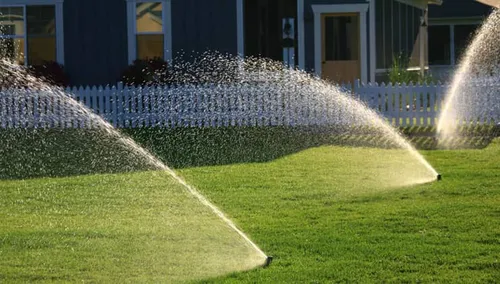
Bay Area Irrigation provides sprinkler installation and repair services in Virginia Beach, VA. They specialize in home irrigation systems designed to meet individual watering needs. The company is licensed and insured, ensuring professional standards in their work.
Hydra Irrigation
120 S Plaza Trail, Virginia Beach, VA 23452
Hydra Irrigation is a Virginia Beach, VA-based company specializing in irrigation system installation, maintenance, and repair, along with outdoor and landscape lighting installation. Serving the Hampton Roads area, they offer tailored sprinkler systems designed to provide efficient watering that adapts to local weather conditions. Their expertise includes well pump installation and winterization services to protect irrigation systems during colder months. Hydra Irrigation has installed thousands of sprinkler heads and feet of piping, demonstrating extensive experience in the field.

Impact Landscaping
5041 Jakeman St, Virginia Beach, VA 23455
Impact Landscaping is a landscaping company based in Virginia Beach, VA, offering a wide range of outdoor services including sod and artificial turf installation, fence and hardscape construction, landscape lighting, tree and yard maintenance, sprinkler system installation, and land clearing. They specialize in custom garden design, concrete and paver work, and drainage solutions using industry-leading products. The team also provides property rehabilitation and real estate rescue services to restore and enhance outdoor spaces. Impact Landscaping partners with local experts for irrigation and custom deck and fence installations to deliver comprehensive outdoor improvements. Their skilled crew focuses on quality craftsmanship and personalized service, working on projects throughout Virginia Beach and nearby areas. Phone support is available 24/7, and they operate on-site daily from dawn to dusk.
Understanding Your System's Core Components
At its heart, an in-ground irrigation system is a network of connected parts working in harmony. It begins at the water source, either your municipal supply or a private well, where a critical backflow preventer is installed to protect drinking water from contamination 1. From there, water is directed through a series of underground PVC pipes, controlled by an electronic controller or timer. This brain of the operation is often mounted in your garage or basement.
The system is divided into zones, each watering a specific area of your landscape, such as the front lawn, side yard, or flower beds. This zoning allows for customized watering schedules based on plant type, sun exposure, and soil conditions. Each zone is activated by an electric valve that opens to send water to the sprinkler heads. The most common types are:
- Spray Heads: Ideal for small, rectangular areas like front lawns, delivering water in a fixed pattern.
- Rotary Heads: Best for covering large, open spaces, these rotate a stream of water to reach greater distances.
- Drip Irrigation: A network of tubing and emitters that delivers water slowly and directly to plant roots in garden beds, conserving water and reducing weed growth.
Designing for Norfolk's Landscape and Climate
Effective irrigation design is not one-size-fits-all; it must account for Norfolk's unique coastal environment. A professional layout starts with a zone map, assigning different areas to separate valves based on their water needs. A sunny turf zone will have a very different schedule than a shaded bed of azaleas or a vegetable garden.
Head placement is a science of its own. Sprinklers are spaced to achieve "head-to-head" coverage, meaning the water from one head reaches the adjacent head. This ensures even distribution and eliminates dry spots. In large yards, rotary heads are often used for their reach, while spray heads and drip lines handle perimeter beds and gardens 2. Soil type also plays a role; Norfolk's common clay soils absorb water slowly, requiring shorter, more frequent watering cycles to prevent wasteful runoff compared to sandy soils.
Find the perfect sprinkler & irrigation companies for your needs
Get personalized recommendations and expert advice
Smart Watering: Schedules, Timing, and Automation
Knowing how to water is as important as having the system to do it. The goal is to encourage deep, drought-resistant roots by watering deeply but infrequently.
- Frequency: This changes with the seasons. During the peak summer heat, lawns typically need watering 2-3 times per week. In the cooler spring and fall, this can be reduced to 1-2 times per week. Systems should be professionally winterized to prevent freeze damage and not run during winter months.
- Timing: The best time to water is in the early morning, between 4 AM and 6 AM. Winds are calm, evaporation rates are lowest, and foliage has time to dry before nightfall, which helps prevent fungal diseases 3 4.
- Duration: Run times vary by sprinkler type and season. Spray heads may run for 15-20 minutes per cycle, while rotary heads often need 30-45 minutes to deliver enough water in the summer. These durations should be adjusted by zone and month.
This is where smart irrigation controllers become invaluable. These Wi-Fi enabled devices automatically adjust your watering schedule based on hyper-local weather data, satellite imagery, and soil moisture sensors. They can skip a cycle after a rainstorm or increase watering during a heat wave, optimizing lawn health and conserving water-a key consideration in our community.
Investment and Upkeep: Installation & Repair Costs
Investing in an irrigation system involves upfront installation costs and ongoing maintenance. For a typical Norfolk yard, installing a new in-ground system ranges from $2,000 to $7,000 or more, with the final price depending heavily on the property size, number of zones, and complexity of the layout 5. Adding a smart controller or opting for high-efficiency components from reliable brands like Rain Bird or Hunter will increase the initial cost but offer long-term savings and reliability 6 7. A dedicated drip system for gardens and beds is a smaller project, typically ranging from $450 to $2,000 5.
Even the best systems require occasional repairs. Common issues include broken sprinkler heads from lawn mowers or wear, malfunctioning valves, and cracked pipes. Repair costs vary based on accessibility:
- Above-ground repairs (e.g., replacing a visible head): $80 - $320
- In-ground repairs requiring digging to fix a pipe or valve: $100 - $490+ 8
Regular maintenance, such as a spring start-up service that includes checking heads, adjusting spray patterns, and testing the controller, can prevent small problems from becoming expensive repairs.
Choosing the Right Professional for Your Project
Whether you're installing a new system, upgrading to smart technology, or troubleshooting a problem, working with a knowledgeable local expert is crucial. Look for licensed and insured professionals in the Hampton Roads area who understand local codes, including required backflow prevention testing. They can assess your specific landscape, soil, and water pressure to design an efficient system. Reputable companies like those serving Norfolk can provide detailed quotes and explain the benefits of different components, ensuring your irrigation investment enhances your property's beauty and value for years to come 9.
Frequently asked questions
Sources
Footnotes
-
Parts of a Lawn Sprinkler System - https://www.horizonlandscape.com/parts-of-a-lawn-sprinkler-system/ ↩
-
Ultimate Guide to Sprinkler and Irrigation Systems - https://heartlandsprinklers.com/green-tips/ultimate-guide-to-sprinkler-and-irrigation-systems/ ↩
-
Irrigation & Water Management Tips For Your Virginia Lawn | Blog | NuLeaf - https://nuleaflawncare.com/blog/virginia-irrigation-watering-tips ↩
-
Irrigation Help | Santa Clarita Valley Water - https://yourscvwater.com/irrigation-help ↩
-
Williamsburg Irrigation: Install vs. Upgrade Costs in 2026 - https://www.hrirrigation.com/irrigation-system-install-vs-upgrade-williamsburg ↩ ↩2
-
Sprinkler & Irrigation in Hampton Roads [Expert Care] - https://www.hrirrigation.com/sprinklers-irrigation ↩
-
Irrigation and Lawn Sprinkler Systems installation in Northern Virginia - https://www.affordablelawnsprinklers.com/irrigation-systems ↩
-
How Much Does Sprinkler Repair Cost in 2026? - LawnStarter - https://www.lawnstarter.com/blog/cost/sprinkler-repair-price/ ↩
-
Norfolk Irrigation Installation - https://www.conservairrigation.com/hampton-roads/services/irrigation-installation/ ↩