Find the Best Sprinkler & Irrigation Companies for Your Business
No obligation • Fast responses • Nationwide coverage

Why you can trust Landscape Atlas
Landscape Atlas is a leading United States resource for evaluating landscaping, lawn care, and outdoor service providers. Our team researches each category in depth, focusing on service quality, safety, and customer experience. Listings and rankings are based on independent criteria and user feedback, and companies cannot pay to influence our assessments or recommendations.
Search providers near you
Top Sprinkler & Irrigation Companies in Auburn, Washington Ranked
An automated sprinkler and irrigation system is a smart investment for any Auburn homeowner looking to maintain a healthy, vibrant landscape while conserving water. These systems deliver precise, scheduled watering to your lawn and garden, saving you time and promoting deep root growth that withstands our local climate variations. This guide will help you understand the components, benefits, and local considerations for irrigation in Auburn, empowering you to make informed decisions and connect with qualified professionals for your project.
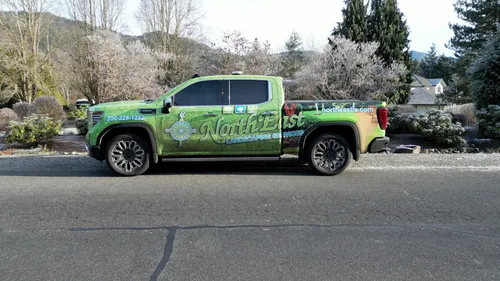
North East Landscaping Services
12259 155th Ave SE, Renton, WA 98059
North East Landscaping Services is a family-owned landscaping company with over 20 years of experience serving residential and commercial clients in Seattle, WA. They provide a comprehensive range of outdoor services including lawn care, fertilization, weed control, sod and artificial turf installation, fence and deck construction, landscape lighting, tree services, yard drainage, sprinkler installation and repair, as well as hardscaping like pavers and retaining walls. The company emphasizes quality workmanship and building lasting relationships with clients, handling projects of all sizes with care and honesty.
Saltos Landscaping LLC
Seattle, WA
Saltos Landscaping LLC is a landscaping company based in Seattle, WA, offering design, installation, and maintenance services. They specialize in landscape design and sprinkler system installation and repair, addressing issues like uneven watering and system leaks to maintain healthy landscapes. Their services help manage the challenges posed by Seattle's varying weather patterns, ensuring efficient irrigation and landscape care.
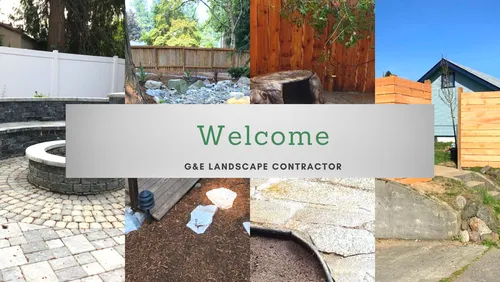
G&E Landscape Contractor
Seattle, WA
G&E Landscape Contractor is a general contractor based in Seattle, WA, offering a wide range of landscaping and lawn care services. Their expertise includes lawn mowing, fence installation, sprinkler system installation and repair, hardscaping with pavers and retaining walls, as well as residential and commercial painting. They focus on delivering skilled craftsmanship and comprehensive landscape solutions to meet client needs.
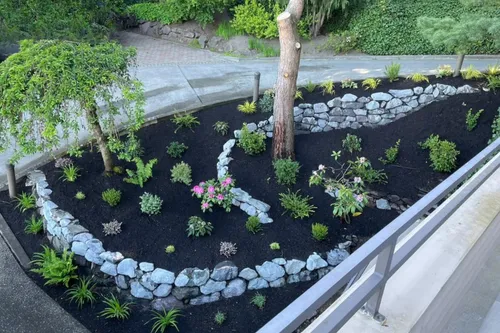
Seattle Sustainable Landscapes
420 S 96th St Suite 13, Seattle, WA 98108
Seattle Sustainable Landscapes is a family-owned landscaping company based in Seattle, WA, specializing in sustainable and environmentally friendly outdoor spaces. They offer a range of services including landscape design, outdoor lighting installation, sprinkler system installation and repair, hardscaping with patios and retaining walls, and both residential and commercial lawn care. The company is Rain Bird certified for irrigation systems and focuses on creating landscapes that promote biodiversity and reduce environmental impact. Founded by local Seattle natives with backgrounds in irrigation and environmental research, they bring both expertise and a commitment to sustainability to their projects.
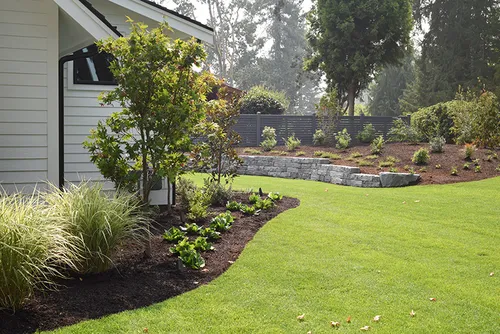
Green Earth Landscape Management, Inc
5280 SE Mile Hill Dr, Port Orchard, WA 98366
Green Earth Landscape Management, Inc provides comprehensive landscaping, hardscaping, lawn care, irrigation, and fence installation services in Seattle, WA. They offer custom landscape design, hydroseeding for lawns and erosion control, irrigation system installation and repair, as well as snow and ice management. Their work emphasizes eco-friendly and sustainable practices tailored to each property's unique needs. Serving the Seattle area and surrounding communities, Green Earth Landscape Management combines skilled craftsmanship with personalized solutions to enhance outdoor spaces.
How an Automated Irrigation System Works
At its core, a residential sprinkler system is a network of components designed to automate watering. It connects to your home's main water supply and is controlled by a programmable timer, often called an irrigation controller. This controller is the "brain" of the operation, allowing you to set specific days and times for watering.
The system is divided into sections called zones. Each zone is controlled by a separate electric valve and is designed to water plants with similar needs-for example, a sunny lawn zone versus a shaded shrub bed. When the controller activates a zone, it sends a signal to open the corresponding valve. Water then flows through a network of underground pipes, typically PVC or polyethylene, to the sprinkler heads in that zone 1. The heads pop up and deliver water in a specific pattern, retracting when the cycle is complete.
Key Components of Your System
Understanding the parts of your irrigation setup helps with maintenance and communication with service providers.
- Controller/Timer: Modern models range from simple dials to Wi-Fi-enabled "smart" controllers that adjust watering based on local weather data.
- Valves: Usually housed in valve boxes in the ground, these are the gatekeepers for each zone. A malfunctioning valve is a common repair issue.
- Piping: Buried supply lines distribute water from the valve to the sprinkler heads.
- Sprinkler Heads: These are the workhorses. Two main types are used:
- Spray Heads: Fixed-pattern heads ideal for smaller, rectangular areas like flower beds or narrow side yards.
- Rotor Heads: Rotating streams that cover larger, open areas like lawns. They apply water more slowly, reducing runoff.
- Backflow Preventer: A crucial safety device required by code. It prevents contaminated water from siphoning back into your home's drinking water supply.
Designing for Efficiency: Zoning and Coverage
A well-designed system is more than just parts; it's a plan tailored to your landscape. Proper zoning is the most critical design principle. Grouping plants by their water needs (turf, perennials, shrubs) and sun exposure (full sun, shade) on separate zones prevents overwatering some areas while underwatering others 2.
Another essential rule is "head-to-head coverage." This means the spray from one sprinkler head should reach the adjacent head. This overlap ensures even water distribution without dry spots 3. A local professional will also account for Auburn's microclimates-adjusting for sunny southern slopes that dry out faster or low-lying shady areas that stay damp.
Smart Watering Practices for the Auburn Climate
The Pacific Northwest climate, with its wet springs and dry summers, demands a seasonal approach. The golden rule for healthy turf is deep and infrequent watering. This encourages roots to grow deeper, creating a more drought-resistant and resilient lawn.
A general goal is to provide about 1 inch of water per week during the peak growing season, including rainfall. This is often achieved by running each zone for 20-30 minutes, 2-3 times per week, rather than a little every day 4 5. The best time to water is early morning, reducing evaporation and wind interference.
Find the perfect sprinkler & irrigation companies for your needs
Get personalized recommendations and expert advice
Installation, Repair, and Maintenance Costs
Investing in an irrigation system involves upfront installation costs and ongoing maintenance. For a typical Auburn home, a new in-ground sprinkler system installation can range from $1,000 to $6,000 or more, depending on property size, complexity, and the number of zones. This often translates to a cost of $0.20 to $1.00 per square foot of irrigated area 6.
Repairs are priced by the job. Common fixes include:
- Replacing a broken sprinkler head: $75 - $200
- Repairing or replacing a faulty valve: $150 - $300
- Fixing a broken pipe or line: $200 - $1,000+ (depending on location and depth)
Professional annual maintenance, which includes a spring startup (checking pressure, cleaning heads, programming the controller) and a fall winterization (blowing out lines to prevent freeze damage), typically costs between $100 and $250 7 8. This service is highly recommended to extend the life of your system and prevent costly repairs.
Local Regulations and Working with Auburn Professionals
Before installing or modifying a system, it's wise to check for any City of Auburn water use regulations or design standards that may apply 9. A local irrigation specialist will be familiar with these requirements, as well as the specific soil conditions and water pressure common in our area.
Hiring a professional familiar with the Auburn and greater Seattle microclimate is invaluable. They can design a system that automatically adjusts for our seasonal shifts-watering less during the cool, wet spring and fall, and more during the dry summer peak 10 11. They also ensure proper backflow prevention installation, which is not only a code requirement but a critical health and safety measure.
The Value of Smart Technology
Upgrading to a weather-based "smart" irrigation controller can maximize water savings. These devices connect to local weather stations or satellite data to automatically skip watering cycles after sufficient rainfall and adjust run times based on temperature and evaporation rates 12. For Auburn homeowners, this technology takes the guesswork out of seasonal adjustments and is a significant step toward sustainable landscape management.
Frequently asked questions
Sources
Footnotes
-
How to Install an In-Ground Sprinkler System - This Old House - https://www.thisoldhouse.com/landscaping/21016605/how-to-install-in-ground-sprinklers ↩
-
A General Guide to Irrigation Systems in Seattle - https://www.leesgenerallandscaping.com/blog/a-general-guide-to-irrigation-systems-in-seattle/ ↩
-
How Many Sprinkler Heads Per Zone or Valve? A Comprehensive Guide - https://irrigatesmart.com/how-many-sprinkler-heads-per-zone/ ↩
-
How Long to Run a Sprinkler for 1 Inch of Water - Sod Solutions - https://sodsolutions.com/advanced-how-to/how-long-to-run-a-sprinkler-for-1-inch-of-water/ ↩
-
LAWN IRRIGATION GUIDE - USDA - https://www.nrcs.usda.gov/plantmaterials/idpmsbr5464.pdf ↩
-
What Does a Lawn Sprinkler System Cost in 2025? - https://blog.lawnguru.co/lawn-sprinkler-system-cost/ ↩
-
Sprinkler System Annual Maintenance: Essential Care Guide ... - https://advancedinc.com/sprinkler-system-annual-maintenance-essential-care-guide-for-seattle-homeowners/ ↩
-
Best Cost of Garden Irrigation System: Ultimate 2025 Guide - https://randalllandscaping.com/cost-of-garden-irrigation-system/ ↩
-
Design Standards Revision #10 02.16.10 - https://weblink.auburnwa.gov/External/DocView.aspx?id=164235&dbid=0&repo=CityofAuburn ↩
-
Lawn Repair & New Turf Watering Guidelines - https://northtechirr.com/lawn-repair-new-turf-watering-guidelines/ ↩
-
Best Watering Schedule for Your Lawn: A Comprehensive Guide🌱 - https://simmonslandscape.com/best-watering-schedule-for-lawn/ ↩
-
Landscape Irrigation Controller Maintenance - https://www.aquawsc.com/conservation-environment/water-conservation/tips-and-tools/home-outdoor-conservation/landscape-irrigation-controller-maintenance/ ↩