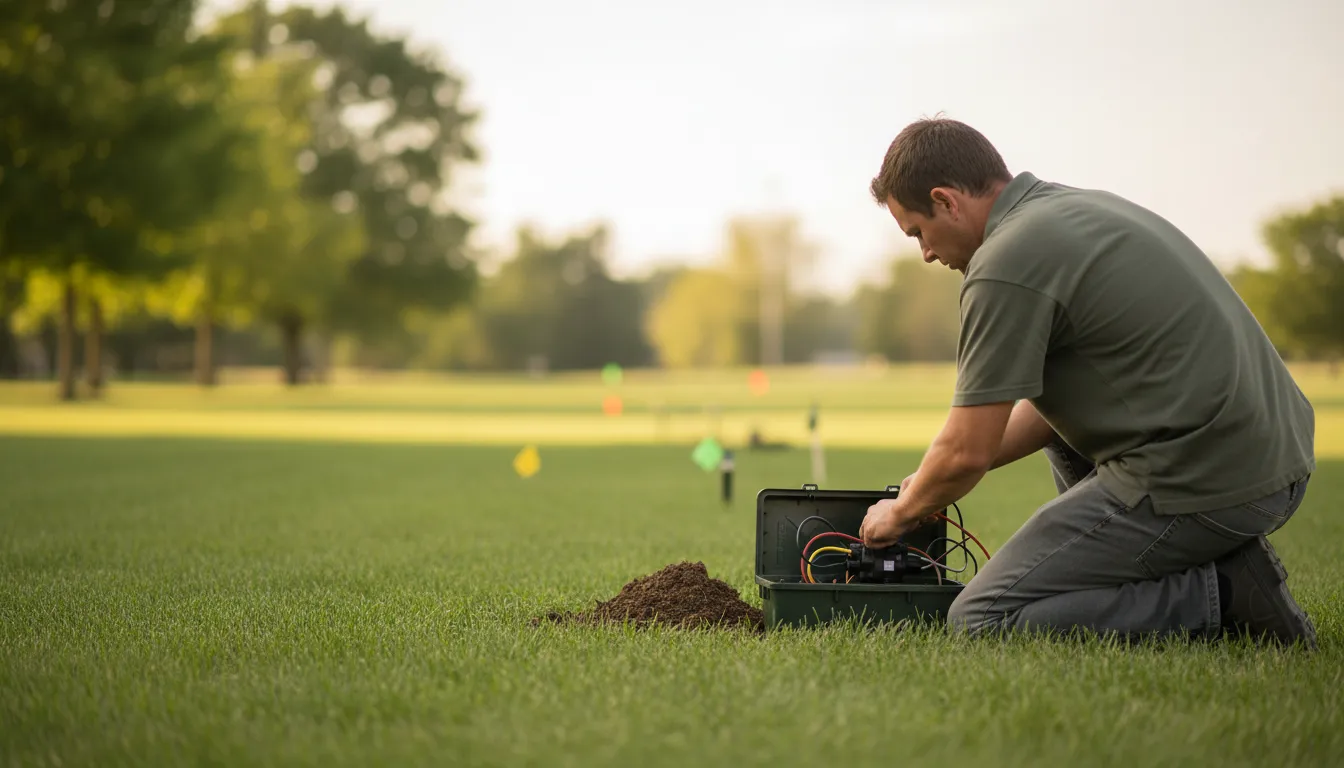
Find the Best Sprinkler & Irrigation Companies for Your Business
No obligation • Fast responses • Nationwide coverage

Why you can trust Landscape Atlas
Landscape Atlas is a leading United States resource for evaluating landscaping, lawn care, and outdoor service providers. Our team researches each category in depth, focusing on service quality, safety, and customer experience. Listings and rankings are based on independent criteria and user feedback, and companies cannot pay to influence our assessments or recommendations.
Search providers near you
Top Sprinkler & Irrigation Companies in Sammamish, Washington Ranked
A well-designed sprinkler or irrigation system is a cornerstone of a healthy, vibrant landscape in Sammamish. These automated watering solutions deliver precise amounts of water directly to your lawn and planting beds, conserving water and ensuring your plants receive the hydration they need to thrive in our Pacific Northwest climate. This guide will help you understand the components, benefits, and best practices for landscape watering, connecting you with the knowledge to find qualified local professionals for your project.
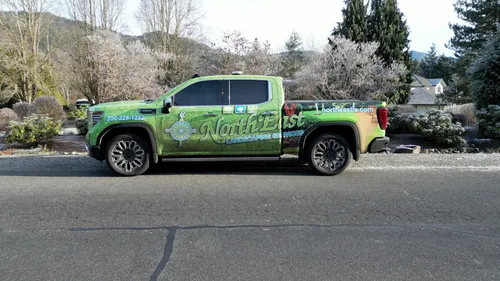
North East Landscaping Services
12259 155th Ave SE, Renton, WA 98059
North East Landscaping Services is a family-owned landscaping company with over 20 years of experience serving residential and commercial clients in Seattle, WA. They provide a comprehensive range of outdoor services including lawn care, fertilization, weed control, sod and artificial turf installation, fence and deck construction, landscape lighting, tree services, yard drainage, sprinkler installation and repair, as well as hardscaping like pavers and retaining walls. The company emphasizes quality workmanship and building lasting relationships with clients, handling projects of all sizes with care and honesty.
Saltos Landscaping LLC
Seattle, WA
Saltos Landscaping LLC is a landscaping company based in Seattle, WA, offering design, installation, and maintenance services. They specialize in landscape design and sprinkler system installation and repair, addressing issues like uneven watering and system leaks to maintain healthy landscapes. Their services help manage the challenges posed by Seattle's varying weather patterns, ensuring efficient irrigation and landscape care.
G&E Landscape Contractor
Seattle, WA
G&E Landscape Contractor is a general contractor based in Seattle, WA, offering a wide range of landscaping and lawn care services. Their expertise includes lawn mowing, fence installation, sprinkler system installation and repair, hardscaping with pavers and retaining walls, as well as residential and commercial painting. They focus on delivering skilled craftsmanship and comprehensive landscape solutions to meet client needs.
Seattle Sustainable Landscapes
420 S 96th St Suite 13, Seattle, WA 98108
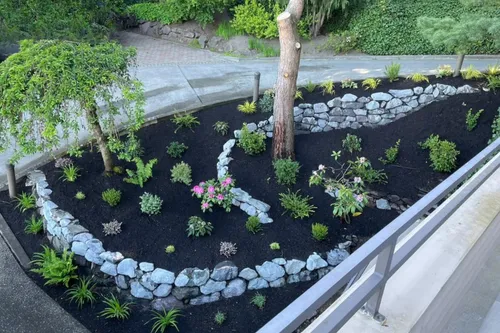
Seattle Sustainable Landscapes is a family-owned landscaping company based in Seattle, WA, specializing in sustainable and environmentally friendly outdoor spaces. They offer a range of services including landscape design, outdoor lighting installation, sprinkler system installation and repair, hardscaping with patios and retaining walls, and both residential and commercial lawn care. The company is Rain Bird certified for irrigation systems and focuses on creating landscapes that promote biodiversity and reduce environmental impact. Founded by local Seattle natives with backgrounds in irrigation and environmental research, they bring both expertise and a commitment to sustainability to their projects.
Green Earth Landscape Management, Inc
5280 SE Mile Hill Dr, Port Orchard, WA 98366
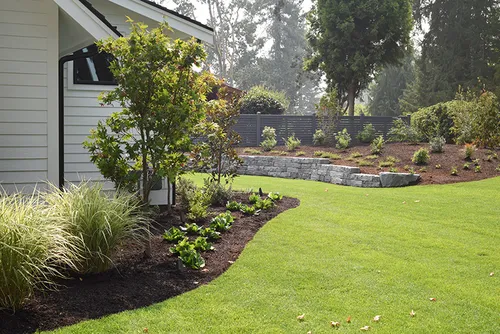
Green Earth Landscape Management, Inc provides comprehensive landscaping, hardscaping, lawn care, irrigation, and fence installation services in Seattle, WA. They offer custom landscape design, hydroseeding for lawns and erosion control, irrigation system installation and repair, as well as snow and ice management. Their work emphasizes eco-friendly and sustainable practices tailored to each property's unique needs. Serving the Seattle area and surrounding communities, Green Earth Landscape Management combines skilled craftsmanship with personalized solutions to enhance outdoor spaces.
Understanding Your Landscape Watering System
At its core, a modern automatic irrigation system is a network of underground pipes, valves, and sprinkler heads controlled by a central timer. The goal is to mimic natural rainfall in a controlled, efficient manner. This setup allows for deep, infrequent watering, which encourages plants to develop robust root systems that are more resilient to drought and disease.
The main components include:
- Water Source & Backflow Preventer: The system connects to your home's main water line. A critical safety device called a backflow preventer stops contaminated water from flowing back into your drinking water supply.
- Controller/Timer: This is the "brain" of the operation. Modern controllers are often Wi-Fi enabled, allowing you to adjust schedules from your smartphone based on local weather data.
- Valves: Each watering zone has its own valve, which opens and closes on command from the controller to release water to its designated area.
- Piping: PVC pipes carry water from the source to the valves and then to the sprinkler heads.
- Sprinkler Heads: These pop up to water and retract when done. Different types are used for different areas: rotary heads for large lawns and fixed spray heads for smaller, shaped beds 1.
The Importance of Professional System Design
A successful installation starts with a custom design. A professional will map your property, considering sun exposure, soil type, plant material, and slope. They group areas with similar water needs into separate zones. This zoning allows you to water your thirsty lawn differently than your drought-tolerant shrubs, preventing over- or under-watering.
Proper design ensures head-to-head coverage, where the spray from one sprinkler head reaches the adjacent head. This eliminates dry spots and promotes uniform growth. Design also involves calculating water pressure and flow rate to size pipes correctly and select appropriate heads, avoiding issues like misting or runoff 2. For new developments or significant landscape changes, it's important to ensure the design complies with local Sammamish Municipal Code standards for landscaping and irrigation 3.
Best Practices for Watering in Sammamish
How and when you water is just as important as the system itself. The general rule is to apply about 1 inch of water per week to your lawn, including rainfall. This deep watering encourages roots to grow downward.
- Frequency: Water 3-4 times per week during hot, dry summer periods. In cooler spring and fall months, reduce frequency to 1-2 times per week.
- Timing: The ideal window is early morning, between 4 AM and 10 AM. Winds are calmer, evaporation rates are lowest, and foliage has time to dry before nightfall, reducing the risk of fungal diseases 4.
- Method: For slopes or clay soils common in our area, use the "cycle and soak" method. Instead of one long watering session that causes runoff, program your controller for multiple shorter cycles (e.g., three cycles of 10 minutes each with an hour in between) to allow water to penetrate deeply 5.
Find the perfect sprinkler & irrigation companies for your needs
Get personalized recommendations and expert advice
Installation and Repair Considerations
The cost to install a new in-ground sprinkler system in Sammamish varies significantly based on your property's size, complexity, and the number of zones. A common pricing model is per zone, with costs typically ranging from $500 to $1,300 or more per zone. This cost includes components like the controller, valves, heads, piping, and professional labor. The total project cost is the sum of all zones plus any site-specific challenges 6 7.
Even the best systems require occasional maintenance. Common repairs include:
- Replacing a clogged or broken sprinkler head or nozzle.
- Fixing a leaking or malfunctioning zone valve.
- Repairing a pipe broken by freezing or landscaping work.
- Upgrading or troubleshooting the controller.
Repair costs can range from $100-$300 for simple fixes to $500 or more for major pipe breaks or controller replacements 8 9. Establishing a relationship with a local landscape irrigation professional for annual startup and winterization can prevent many issues and extend your system's life.
Choosing the Right Components for Your Yard
Not all sprinkler equipment is the same. Selecting the right components ensures efficiency and longevity.
- Spray Heads: Best for small, rectangular, or irregularly shaped areas like flower beds and narrow side yards. They provide a fixed spray pattern.
- Rotary/Rotor Heads: Ideal for covering large, open lawn areas. They shoot a single, powerful stream of water that rotates, covering a larger radius with slower application rates that are better for water absorption.
- Smart Controllers: These advanced timers can adjust watering schedules automatically based on hyper-local weather data, soil moisture sensors, or plant type, offering the highest level of water conservation and convenience 10 11.
Seasonal Maintenance for Peak Performance
To keep your system running smoothly and efficiently, a seasonal checklist is essential.
- Spring Startup: A professional will pressurize the system, inspect for winter damage, clean filters, adjust heads, and program the controller for the growing season.
- Summer Monitoring: Regularly walk your property while the system is running to check for misaligned heads, leaks, or dry spots. Adjust schedules monthly as temperatures change.
- Fall Adjustment: Reduce watering frequency as plant growth slows and rainfall increases.
- Winterization (Critical): Before the first hard freeze, the system must be completely drained of water using compressed air (blown out) to prevent frozen and burst pipes. This is a job best left to professionals.
Frequently asked questions
Sources
Footnotes
-
How to Install an In-Ground Sprinkler System - This Old House - https://www.thisoldhouse.com/landscaping/how-to-install-in-ground-sprinklers ↩
-
Basic Irrigation Design - https://www.midwestturf.net/wp-content/uploads/2017/03/Toro-Irrigation-Design-Workbook.pdf ↩
-
21.06.020 Design Standards-Landscaping and Irrigation - https://sammamish.municipal.codes/DC/21.06.020 ↩
-
Landscape Irrigation | Home Water Works - https://home-water-works.org/landscape-irrigation/irrigation ↩
-
Landscape Irrigation Watering Guide - https://northgeorgiawater.org/wp-content/uploads/2017/02/Landscape-Irrigation-Watering-Guide.pdf ↩
-
How Much Does a Sprinkler System Cost in 2026? - LawnStarter - https://www.lawnstarter.com/blog/cost/sprinkler-system-price/ ↩
-
Sprinkler System Installation Cost - https://www.highprairieoutdoors.com/how-much-cost-install-irrigation-system-kansas-city/ ↩
-
TOP 10 BEST Lawn Sprinkler Installation in Sammamish, WA - https://m.yelp.com/search?find_desc=lawn+sprinkler+installation&find_loc=Sammamish%2C+WA ↩
-
Cost of Sprinkler Systems: Price Estimate per Square Foot - https://planner5d.com/costs/sprinkler-systems-cost ↩
-
Types of Automatic Irrigation Systems - https://irrigationtech.com/types-of-automatic-irrigation-systems/ ↩
-
CHAPTER 5. SPRINKLER IRRIGATION - https://www.fao.org/4/s8684e/s8684e06.htm ↩