Find the Best Sprinkler & Irrigation Companies for Your Business
No obligation • Fast responses • Nationwide coverage

Why you can trust Landscape Atlas
Landscape Atlas is a leading United States resource for evaluating landscaping, lawn care, and outdoor service providers. Our team researches each category in depth, focusing on service quality, safety, and customer experience. Listings and rankings are based on independent criteria and user feedback, and companies cannot pay to influence our assessments or recommendations.
Search providers near you
Top Sprinkler & Irrigation Companies in Milwaukee, Wisconsin Ranked
A well-designed sprinkler and irrigation system is the cornerstone of a healthy, vibrant landscape in Milwaukee. These automated watering solutions deliver precise amounts of water exactly where and when your lawn and plants need it, conserving water and saving you significant time and effort. This guide will help you understand how these systems work, what to consider for your property, and how to connect with local experts who can design, install, and maintain a system tailored to Milwaukee's unique climate.
Perea Lawn Sprinkler
11540 W Cold Spring Rd, Greenfield, WI 53228
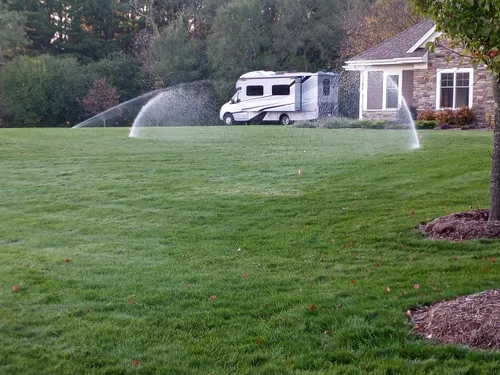
Perea Lawn Sprinkler offers sprinkler installation, repair, replacement, and maintenance services in Milwaukee, WI. They work with both residential and commercial clients, providing custom layouts and system upgrades to improve landscape watering efficiency. The company is experienced with all major sprinkler systems and can handle troubleshooting, system flow adjustments, and seasonal services like spring startup and fall winterization. Their approach includes clear communication with clients and attention to system calibration and leak detection.
Greenwise Organic Lawn Care of Milwaukee
5420 W State St, Milwaukee, WI 53208
Greenwise Organic Lawn Care of Milwaukee provides organic lawn care, landscape design, installation, and maintenance services in Milwaukee, WI. They focus on creating safe, healthy lawns and landscapes using organic and natural products along with battery-powered and low-emission equipment. Their design-build team incorporates sustainable elements such as native plantings and water management solutions, offering services that include lawn fertilization, weed control, sprinkler installation, hardscaping, and snow removal. Established in 2007, Greenwise serves both residential and commercial clients in the Milwaukee and Chicagoland areas.
Hernandez Landscaping llc
2507 W Grant St, Milwaukee, WI 53215
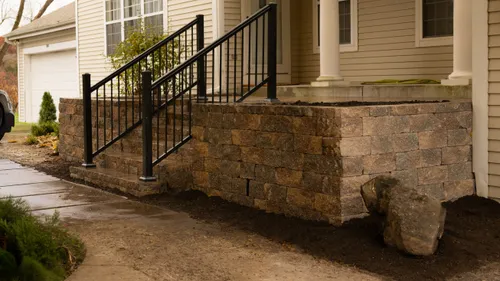
Hernandez Landscaping llc is a landscaping company based in Milwaukee, WI, offering a wide range of lawn care and landscape services. Their expertise includes lawn mowing, fertilization, weed control, sod installation, landscape lighting, hardscaping, drainage solutions, sprinkler installation and repair, and comprehensive landscape design and construction. They provide year-round commercial landscape maintenance with services such as weekly mowing, seasonal clean-ups, and 24/7 snow and ice removal. Their capabilities also include grading, retaining walls, and energy-efficient outdoor lighting installation. Hernandez Landscaping llc emphasizes a strategic approach to maintaining healthy and attractive commercial properties, including site audits and horticultural care.

His Workmanship - Milwaukee
Milwaukee, WI
His Workmanship - Milwaukee is a landscaping and labor service provider based in Milwaukee, WI. They offer a range of services including lawn fertilization, weed control, tree removal, stump grinding, sprinkler installation and repair, land clearing, brush removal, and general landscaping. The company connects homeowners with skilled laborers, primarily Christian college students, to complete projects efficiently across the Milwaukee area, including Greenfield, Racine, Menomonee Falls, and Waukesha. Their crews handle tasks such as heavy yard cleanup, removal of invasive plants, and stump grinding, leaving sites tidy and well-prepared for future landscaping. His Workmanship emphasizes clear communication and quick scheduling to facilitate smooth project completion.
LawnStarter
303 S Honey Creek Pkwy, Milwaukee, WI 53214
LawnStarter is a landscaping company based in Milwaukee, WI, offering a wide range of outdoor services including lawn mowing, fence installation, landscape lighting, tree removal, sprinkler system installation and repair, and hardscaping. They provide comprehensive lawn care and landscaping solutions tailored to the seasonal needs of Milwaukee residents. Their services cover various neighborhoods and ZIP codes throughout Milwaukee, ensuring local expertise and convenience. LawnStarter supports smart landscaping technology and sustainable practices, helping customers maintain efficient and eco-friendly outdoor spaces.
How Automated Lawn Watering Systems Work
At its core, a modern irrigation system is a network of components designed to automate and optimize watering. The process begins with a central controller, which acts as the brain of the operation. This controller sends signals to solenoid valves that open and close to control water flow to different sections of your yard, known as zones. Water travels from your home's main supply through a series of underground pipes. A critical safety device called a backflow preventer is installed to ensure contaminated water cannot flow back into your home's drinking supply.
The actual water delivery is handled by sprinkler heads or drip lines. Pop-up spray heads are commonly used for turf areas, retracting when not in use, while rotor heads cover larger areas. For garden beds, shrubs, and trees, drip irrigation lines or micro-sprayers provide water directly to the root zone with minimal waste 1. Dividing your property into zones allows you to customize watering schedules for grass, flowers, and other plant types, ensuring each gets the right amount of moisture 2.
Key Components of a Residential System
Understanding the parts of your system makes maintenance and troubleshooting much easier.
- Controller/Timer: This is your command center. Modern "smart" controllers can connect to Wi-Fi and adjust watering based on local weather data, saving water automatically.
- Valves: Usually housed in valve boxes in the ground, these electrically operated gates control water to each zone. A faulty valve is a common cause of a zone not turning on or off.
- Sprinkler Heads & Nozzles: These come in various types for different applications. It's important to match the head and nozzle to the area's shape and size for even coverage.
- Drip Irrigation Tubing: A network of flexible tubing with emitters spaced at intervals, ideal for watering rows of plants, vegetable gardens, or foundation plantings efficiently.
- Rain Sensor or Weather Station: These add-ons are highly recommended in Milwaukee's variable climate. They automatically suspend the watering cycle during or after sufficient rainfall, preventing overwatering 3.
- Piping and Fittings: Schedule 40 PVC pipe is standard for main lines, while polyethylene pipe is often used for lateral lines to heads. Proper sizing is crucial for adequate water pressure.
Designing an Efficient System for Your Milwaukee Yard
A successful installation starts with a good design. Professionals will consider your property's specific characteristics:
- Water Pressure and Flow Rate: This determines how many sprinkler heads can run simultaneously in a zone. An installer will measure your home's gallons per minute (GPM) and pounds per square inch (PSI).
- Soil Type: Milwaukee has varied soils; clay-heavy soil absorbs water slowly, while sandy soil drains quickly. This affects how long and how often you should water.
- Sun and Shade Patterns: Sunny areas dry out faster and need more water than shaded sections. A good design will account for these microclimates.
- Plant Material: Your lawn, perennial beds, trees, and shrubs all have different water needs. Effective zoning separates these into different irrigation schedules.
- Slope and Grading: Water runs off sloped areas quickly. Specialized heads or drip irrigation may be needed to prevent runoff and ensure penetration.
Find the perfect sprinkler & irrigation companies for your needs
Get personalized recommendations and expert advice
Best Practices for Watering in the Midwest Climate
Milwaukee's seasons demand a flexible approach to lawn irrigation. The goal is deep, infrequent watering that encourages strong, drought-resistant roots.
- Frequency: During the growing season, 1-3 times per week is typically sufficient, depending on rainfall and temperature. It's better to water deeply less often than to sprinkle lightly every day.
- Duration: Aim to provide about 1 inch of water per week, including rainfall 4. You can measure this by placing empty tuna cans around your lawn and timing how long it takes to fill them. This may translate to 30-60 minutes per zone, split over two sessions.
- Timing: The absolute best time to water is in the early morning, between 4 AM and 10 AM. Winds are usually calmer, evaporation rates are lowest, and foliage has time to dry before nightfall, reducing the risk of fungal diseases 5.
- Seasonal Adjustments: Your controller should be adjusted seasonally. Systems often need to be run more frequently in the peak summer heat and scaled back significantly in spring and fall. Smart controllers handle these adjustments automatically.
Installation, Maintenance, and Repair Considerations
Professional installation involves designing the system, trenching for pipes, assembling the components, and programming the controller. Costs vary widely based on property size, complexity, and component quality, with a full residential system often ranging from $2,000 to $6,000 or more 6.
Ongoing maintenance is key to longevity and efficiency. The most critical service in our climate is winterization. This process involves blowing compressed air through the lines to remove all water, preventing freeze damage. A professional spring start-up then checks for any issues, adjusts heads, and programs the controller for the new season. This annual service cycle is a standard practice for Milwaukee homeowners 7.
Common repairs include:
- Broken or Misaligned Sprinkler Heads: Often damaged by lawnmowers or foot traffic, causing poor coverage.
- Faulty Valves: A valve stuck open can cause constant leaking, while one stuck closed will prevent a zone from activating.
- Pipe Leaks: Usually indicated by soggy patches in the lawn when the system is off.
- Controller/Electrical Issues: Problems with wiring or the timer itself can disrupt the entire schedule.
Repair costs depend on the issue; a simple head replacement might be $100-$250, while fixing a major pipe leak or valve manifold issue can cost $250-$500 or more 8 9.
The Benefits of Smart Irrigation Technology
Upgrading to a Wi-Fi enabled smart controller is one of the best investments for your system. These devices connect to local weather networks and automatically adjust-or skip-watering based on real-time conditions like rainfall, humidity, wind, and temperature 10. This eliminates guesswork and overwatering, leading to significant water savings, a healthier landscape, and lower utility bills. Many can be controlled and monitored from a smartphone app, giving you total control from anywhere.
Frequently asked questions
Sources
Footnotes
-
4 Types of Landscape Irrigation - https://www.sposatoirrigation.com/4-types-of-landscape-irrigation/ ↩
-
Designing an Irrigation System: A Beginner's Guide - https://maxumirrigation.com/designing-an-irrigation-system-a-beginners-guide/ ↩
-
The 5 essential components for an efficient irrigation system - rain.it - https://www.rain.it/en/magazine/5-essential-components-for-an-efficient-irrigation-system/ ↩
-
How Long to Run a Sprinkler for 1 Inch of Water - Sod Solutions - https://sodsolutions.com/advanced-how-to/how-long-to-run-a-sprinkler-for-1-inch-of-water/ ↩
-
LAWN IRRIGATION GUIDE - USDA - https://www.nrcs.usda.gov/plantmaterials/idpmsbr5464.pdf ↩
-
Residential Irrigation Systems | Menomonee Falls, WI - https://www.milwaukeelawnsprinkler.com/residential-installation/ ↩
-
Milwaukee Lawn Sprinkler | Irrigation System | Menomonee ... - https://www.milwaukeelawnsprinkler.com/ ↩
-
Your Lawn Irrigation Questions-Answered! - https://www.milwaukeelawnsprinkler.com/frequently-asked-questions/ ↩
-
How to Install an In-Ground Sprinkler System - This Old House - https://www.thisoldhouse.com/landscaping/how-to-install-in-ground-sprinklers ↩
-
New Irrigation System Installation & Maintenance: Everything You ... - https://www.rainmasterlawn.com/blog/new-irrigation-system-installation-maintenance-everything-need-to-know ↩