Find the Best Tree Service Companies for Your Business
No obligation • Fast responses • Nationwide coverage

Why you can trust Landscape Atlas
Landscape Atlas is a leading United States resource for evaluating landscaping, lawn care, and outdoor service providers. Our team researches each category in depth, focusing on service quality, safety, and customer experience. Listings and rankings are based on independent criteria and user feedback, and companies cannot pay to influence our assessments or recommendations.
Search providers near you
Top Tree Service Companies in San Jose, California Ranked
Maintaining the trees on your property is about more than just curb appeal; it's a critical aspect of home safety, environmental health, and responsible property ownership. From routine pruning to emergency removal, professional tree care ensures your landscape remains beautiful and safe. This guide helps you understand the common services, processes, and local considerations for hiring a qualified tree care provider in San Jose.
Luna's Tree Service
350 Demeter St #4b, East Palo Alto, CA 94303
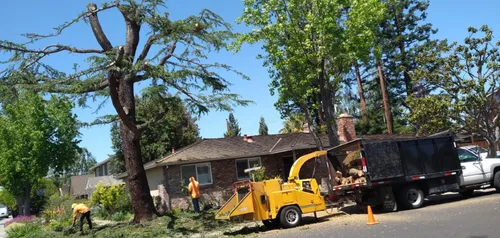
Luna's Tree Service is a family-owned business based near San Jose, CA, providing professional tree care across the Bay Area including Palo Alto, Menlo Park, and Mountain View. With eighteen years of experience, they offer a range of services such as tree trimming, removal, pruning, stump grinding, landscape maintenance, and storm and emergency services. The company is licensed, insured, and bonded, focusing on safe and thorough tree care for both residential and commercial properties.
Emerald View Tree Service
3333 Pepper Tree Ln, San Jose, CA 95127
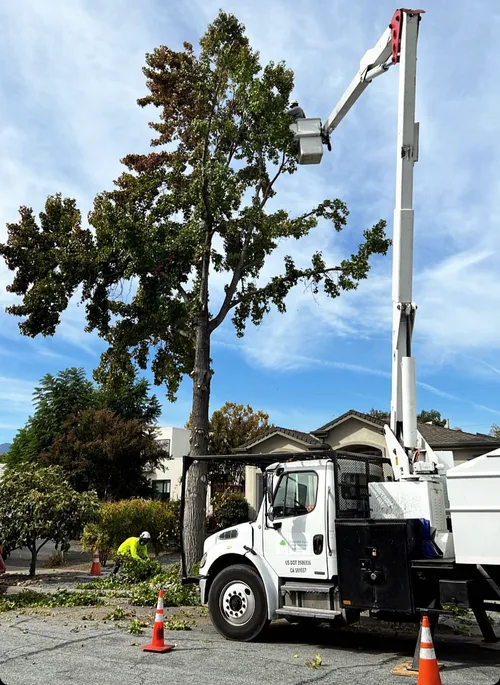
Emerald View Tree Service is a family-owned company based in San Jose, CA, with over 25 years of experience in tree care and land clearing. They provide services to both residential and commercial customers in San Jose and surrounding areas including Willow Glen, Rose Garden, Campbell, Saratoga, Cupertino, and more. Their capabilities include tree trimming, pruning, removal, stump grinding, hedge shaping, and brush clearing, supported by a fleet of utility trucks, wood chippers, and stump grinders. Emerald View Tree Service is licensed, insured, and fully bonded, offering professional service with same-day free estimates.
The Dog Tree Service LLC
2729 Mission St #202, San Francisco, CA 94110
The Dog Tree Service LLC provides tree services including tree removal and stump grinding in San Jose, CA. They focus on maintaining and improving garden health with professional care.
SavATree - Tree Service
1993 E Bayshore Rd, Redwood City, CA 94063
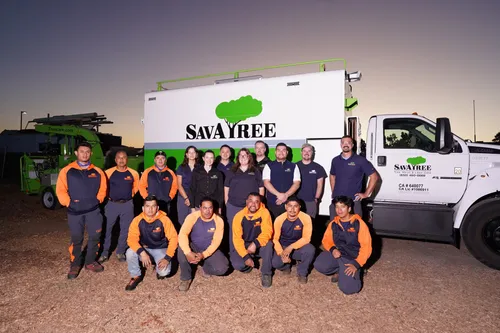
SavATree - Tree Service offers professional tree care and land clearing services in San Jose, CA. Their services include tree disease treatment, pruning, removal, stump grinding, cabling and bracing, insect and mite management, fertilization, and wildfire risk management. The team also provides emergency tree services for hazardous situations. They focus on maintaining tree health and safety while preparing properties for landscaping or fire-safe conditions.
Brush Pros
San Jose, CA
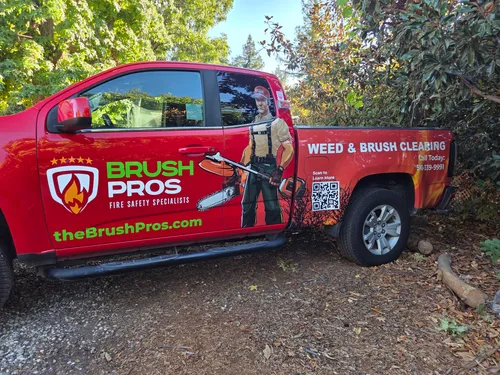
Brush Pros is a tree service and land clearing contractor based in San Jose, CA, specializing in brush clearing, yard cleanup, tree pruning, and fire abatement services. They serve the East Bay region of California, including Oakland, Orinda, and Lafayette, focusing on fire inspection-compliant brush clearing and yard maintenance. With over 40 years of experience since 1982, Brush Pros uses commercial-grade, electric-powered equipment in compliance with local regulations and offers a fire inspection guarantee to help reduce fire hazards on properties.
Why San Jose Homeowners Need Professional Tree Care
The urban forest of San Jose is a valuable asset, but trees in a densely populated area come with unique challenges. Professional arborist services address three primary concerns: health, safety, and aesthetics. A diseased or structurally unsound tree can pose a significant risk to your home, vehicles, and power lines, especially during seasonal storms. Overgrown limbs can obstruct views, damage roofs, and create excessive shade that hinders other landscaping. Furthermore, in the fire-prone Bay Area, proper tree trimming and clearance is a key component of creating a defensible space around your property1 2. Engaging a certified professional ensures this vital work is done correctly, preserving the tree's health where possible and removing hazards when necessary.
Common Tree Services Explained
Local companies offer a comprehensive suite of arboricultural services tailored to the needs of Silicon Valley properties.
- Tree Trimming and Pruning: This is often the most frequent service. Pruning focuses on a tree's long-term health by selectively removing dead, diseased, or crossing branches to improve structure and air circulation3 4 5. Trimming often refers to shaping a tree for aesthetic reasons or to clear specific sightlines. For smaller jobs, costs in San Jose typically range from $250 to $600, though larger or more complex shaping will cost more.
- Tree Removal: When a tree is dead, dying, dangerously damaged, or causing irreconcilable problems, removal is the safest option. This is a complex operation, particularly for large trees or those near structures. Prices vary widely based on size, location, and complexity, generally starting around $500 for small trees and exceeding $2,500 for large, hazardous removals 6.
- Stump Grinding: After a tree is removed, the remaining stump can be a tripping hazard and attract pests. Stump grinding machines the stump below grade, allowing for replanting or new landscaping. This service typically costs between $100 and $400 per stump in the area7 8.
- Emergency Services: Many providers offer 24/7 emergency response for trees that have fallen due to storms or have suffered sudden, hazardous failures.
- Consultation and Health Diagnosis: ISA-certified arborists can assess tree health, diagnose diseases or pest infestations (like fungus or insects), and recommend treatment or preventive care plans.
The Onsite Evaluation: Your First Step to a Healthier Landscape
The process for any significant tree work begins with a professional evaluation. Reputable companies offer free, no-obligation onsite consultations 9. During this visit, a certified arborist will:
- Inspect the Tree(s): They look for signs of disease, structural cracks, decay, poor branch attachments, and proximity to hazards like power lines or buildings.
- Discuss Your Goals: Whether it's risk reduction, view clearance, general health maintenance, or preparing for a new garden, communicating your objectives is key.
- Assess Permit Requirements: A crucial step in San Jose. The arborist can identify if your project requires a city permit (more on this below).
- Provide a Detailed Quote: You will receive a personalized, written proposal outlining the scope of work, the specific techniques to be used, the total cost, and the cleanup process10 11 12. This transparency allows you to compare services and make an informed decision.
Find the perfect tree service companies for your needs
Get personalized recommendations and expert advice
Navigating San Jose's Tree Permit Regulations
One of the most important local considerations is the City of San Jose's tree protection ordinance. A permit is required to remove any "ordinance-sized" tree, defined as a tree with a trunk diameter of 15 inches or more, measured at 4.5 feet above ground. This rule applies even to dead trees on single-family residential lots. For commercial, multi-family, and institutional properties, a permit is required to remove any tree, regardless of size.
A reputable tree service company will typically manage the permit application process on your behalf, submitting the required documentation and plans to the city's Planning Division. Attempting to remove a protected tree without a permit can result in significant fines. Always verify that your chosen provider is familiar with and will comply with all local regulations.
What to Expect During a Tree Care Project
Once you've selected a provider and secured any necessary permits, a standard project follows a clear sequence:
- Scheduling and Preparation: The company will schedule the work, often providing a window for arrival. They will mark any underground utilities (via 811) and plan for equipment access.
- Execution of Work: Certified arborists and trained crews perform the work using industry-standard techniques and safety protocols. For pruning, this means making proper cuts that allow the tree to compartmentalize and heal. For removals, it may involve careful rigging and sectional dismantling.
- Cleanup and Site Restoration: A professional service includes thorough cleanup. All brush, logs, and debris are removed from your property, or logs can be cut to a specified length for your use. If stump grinding was included, the area will be filled with wood chips or soil.
- Final Walkthrough: Many companies will do a final walkthrough with you to ensure you are satisfied with the work and that the site is left in good condition.
Investing in Your Property's Value and Safety
While cost is a factor, the value of professional tree maintenance extends beyond the price tag. Proper care enhances your property's aesthetic appeal and can prevent costly damage from fallen limbs. It contributes to the overall health of the urban canopy, which provides shade, reduces cooling costs, and improves air quality. By choosing a qualified, insured, and locally knowledgeable provider, you are making a smart investment in the safety, beauty, and longevity of your San Jose home.
Frequently asked questions
Sources
Footnotes
-
San Jose Landscaping & Tree Care Experts - https://sanjosetreemaintenance.com/ ↩
-
Tree Services San Jose & Santa Clara County | Anderson's ... - https://andersonstreecare.com/ ↩
-
Trimming & Pruning - San Jose Tree Service & Landscaping - https://sanjosetreemaintenance.com/san-jose-ca/tree-services/trimming-pruning/ ↩
-
Tree Pruning Service | Tree Trimming in San Jose & San Ramon - https://www.majestictreeservice.com/tree-pruning-trimming/ ↩
-
What Is The Primary Purpose of Tree Pruning? - https://bayareatreespecialists.com/what-is-the-primary-purpose-of-tree-pruning/ ↩
-
Bay Area Tree Care Services - https://www.serranotrees.com/tree-care-services/ ↩
-
San Jose Tree Services by Certified Arborists - SavATree - https://www.savatree.com/locations/san-jose-california/ ↩
-
Tree Maintenance Services in San Jose CA | Professional Care - https://gettreemaintenance.com/tree-maintenance-san-jose-ca ↩
-
Tree & Stump Removal - San Jose Tree Service & Landscaping - https://sanjosetreemaintenance.com/san-jose-ca/tree-services/tree-stump-removal/ ↩
-
Tree Removal Permits | City of San José - https://www.sanjoseca.gov/your-government/departments-offices/planning-building-code-enforcement/planning-division/tree-removal-permits ↩
-
Arborist Consultations | ISA-Certified Arborists in San Jose CA - https://www.majestictreeservice.com/consulting-arborist/ ↩
-
THE BEST 10 TREE SERVICES in SAN JOSE, CA - Yelp - https://m.yelp.com/search?cflt=treeservices&find_loc=San+Jose%2C+CA ↩