Find the Best Yard Drainage Contractors for Your Business
No obligation • Fast responses • Nationwide coverage

Why you can trust Landscape Atlas
Landscape Atlas is a leading United States resource for evaluating landscaping, lawn care, and outdoor service providers. Our team researches each category in depth, focusing on service quality, safety, and customer experience. Listings and rankings are based on independent criteria and user feedback, and companies cannot pay to influence our assessments or recommendations.
Search providers near you
Best Yard Drainage Contractors in Alaska Ranked
Effective yard drainage and grading is essential for protecting your home's foundation and managing the unique water challenges of the Alaskan landscape. From rapid spring snowmelt to permafrost and dense clay soils, proper water management prevents costly damage like basement flooding, soil erosion, and structural instability. This guide explains the critical practices and solutions for Alaskan properties, helping you understand your options and connect with local specialists who can assess your site and implement a lasting fix.
Valley Excavation LLC
12405 E Icy Ln, Palmer, AK 99645
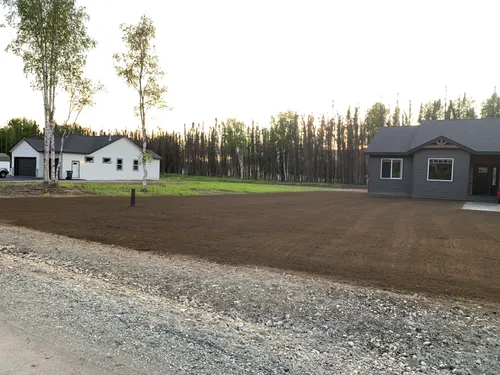
Valley Excavation LLC is a landscaping and excavation company based in Anchorage, AK. They provide a range of services including lawn installation, landscape design, septic system and waterline installation, gravel driveway construction, land clearing, grading, and drainage solutions. The company handles residential projects with attention to soil preparation, grading, and proper drainage to ensure lasting results. Valley Excavation also offers excavation services for site and foundation preparation, using experienced operators and appropriate machinery to complete projects efficiently.
F&P Forestry Services LLC
Anchorage, AK
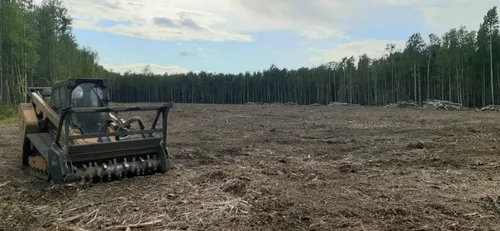
F&P Forestry Services LLC is based in Anchorage, AK, providing land clearing, tree removal, stump grinding, yard drainage, grading, and brush removal services. They specialize in land development tasks such as building site preparation, runway clearing, underbrush management, hazardous fuel reduction, and excavation. Their advanced machinery allows them to clear overgrowth efficiently while enriching soil with natural mulch. They also offer snow removal services for residential and commercial properties. Founded by Nathan Patterson and Corey Foster, the company has over ten years of experience and emphasizes honest pricing without hidden fees.
Red Valley Services
Anchorage, AK
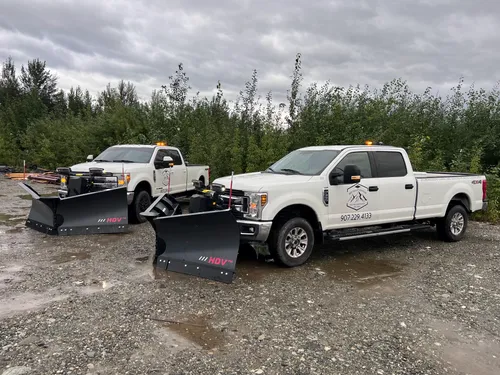
Red Valley Services is a family-run general contractor based in Anchorage, AK, specializing in excavation, grading, fencing, landscaping, and winter maintenance. Founded in 2023 with roots dating back to 2015, the company offers a range of outdoor services including snow removal, ice management, and bulk sand delivery for traction. Their team uses advanced equipment and eco-friendly products to maintain safe and accessible properties throughout the winter season.
Master's Hand Landscaping and Excavation
8141 Sandy Cir, Anchorage, AK 99507
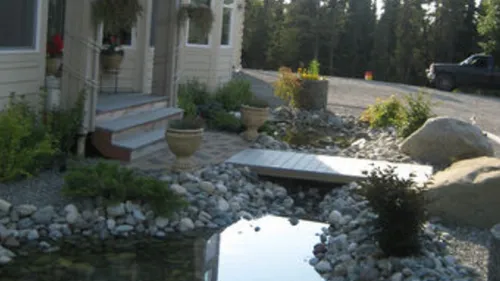
Master's Hand Landscaping and Excavation is a family-owned landscaping and excavation company based in Anchorage, AK. They provide a full range of services including sod installation, artificial turf, fence installation, landscape design, yard drainage, grading, hardscaping with pavers and retaining walls, foundation waterproofing, excavation, and hauling. With 14 years of experience serving the Anchorage area, they specialize in foundation waterproofing and site excavation, addressing issues like sinkhole filling and grading to protect properties. Their Bobcat MT50 equipment supports efficient fence post hole digging and other excavation tasks.
Skyline Services
Anchorage, AK
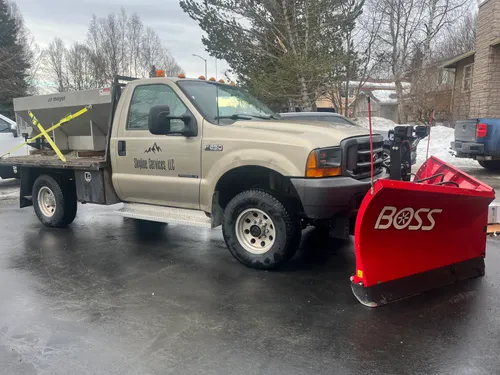
Skyline Services is a property maintenance company based in Anchorage, AK, offering both commercial and residential lawn care, landscaping, and snow removal services. Their range includes lawn mowing, fertilization, weed control, sod installation, grading and drainage, flower bed installation, and winter snow and ice management. Founded in 2022 by Slade Lindsoe and Trever Fitzgerald, the company emphasizes a community-driven approach and hands-on experience to maintain properties year-round.
Why Drainage is Critical in Alaska
Alaska's climate and geology present a distinct set of challenges for property drainage. Unlike many other states, the primary concerns extend beyond simple rainfall to include the massive volume of spring snowmelt and the complicating effects of frozen ground. Without a properly designed system, water can pool around your foundation, leading to saturation, hydrostatic pressure, and potential damage during the seasonal freeze-thaw cycles. Managing this water is not just about convenience; it's a key component of home preservation in the North.
The consequences of poor drainage are amplified here. Saturated soils can lead to frost heave, where freezing water expands and pushes on foundation walls, causing cracks and misalignment. In areas with permafrost, improper drainage can accelerate thawing, leading to ground instability and sinking. Furthermore, directing water away from your home protects against mold, mildew, and wood rot, which are prevalent in damp conditions.
Alaska-Specific Drainage Challenges
Designing an effective drainage system in Alaska requires addressing three core environmental factors.
Permafrost and Freeze-Thaw Cycles: In many parts of the state, the ground remains permanently frozen (permafrost) at a certain depth. The active layer above it thaws each summer. Drainage systems must be designed to handle the sudden influx of water from this thaw without destabilizing the soil or accelerating permafrost degradation. Frozen ground also acts as a barrier, limiting water infiltration and increasing surface runoff during early thaw periods.
Heavy Snowmelt: Alaska's long winters accumulate significant snowpack. The rapid spring melt can release an enormous volume of water in a short time, overwhelming gutters, downspouts, and undersized drainage pipes. Systems must be sized and sloped to manage these peak flows, not just average rainfall.
Clay and Poorly Draining Soils: Many regions in Alaska have soils with high clay content. Clay has very low permeability, meaning water infiltrates slowly and tends to pool on the surface or saturate the topsoil for extended periods. This increases the risk of water seeping into basements and crawl spaces, making subsurface drainage solutions like French drains particularly important.
Core Grading and Drainage Practices
The foundation of any good drainage plan starts with the slope of the land, or grading. From there, a combination of surface and subsurface techniques can be employed.
Positive Grading: This is the first and most crucial step. The ground should slope away from your home's foundation for at least 5 to 10 feet, with a recommended grade of about 2% (a 1/4-inch drop per foot). This uses gravity to move surface water away from the structure. In some cases, achieving this may require importing and compacting fill soil.
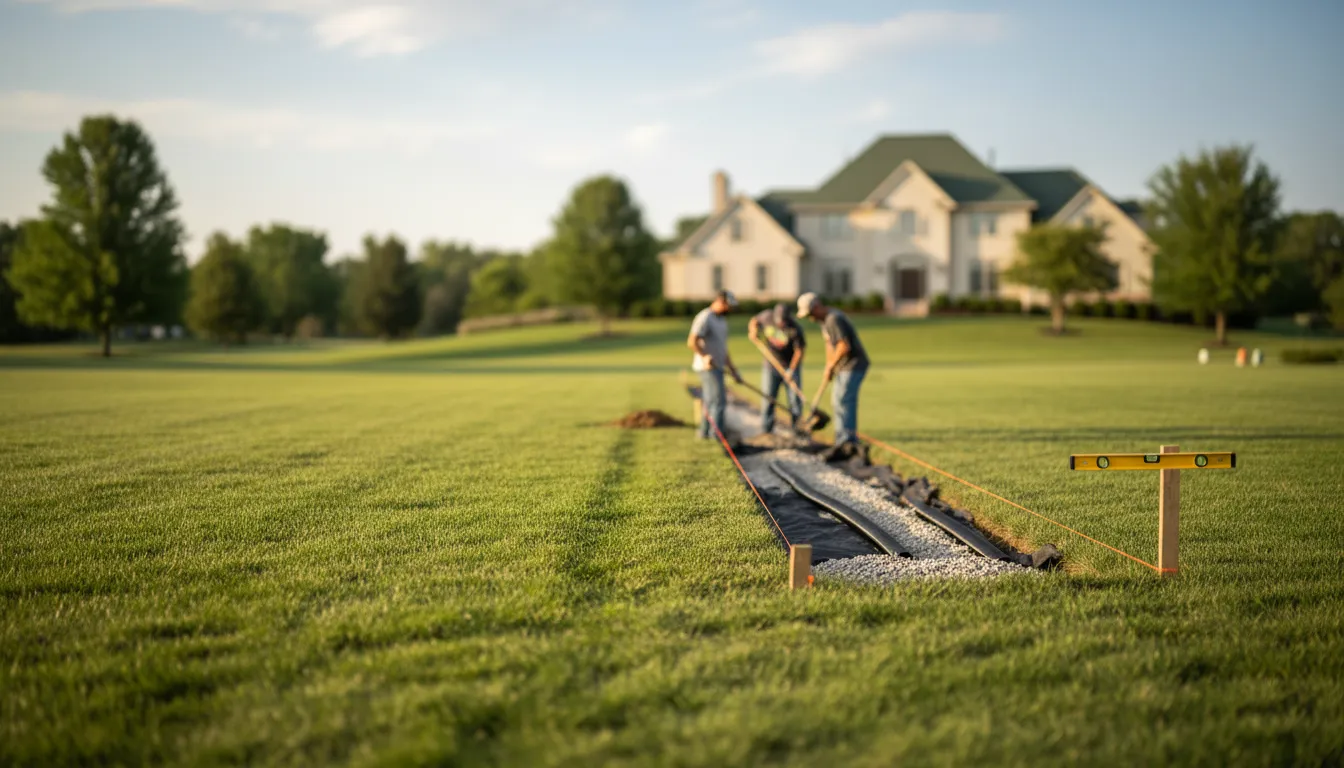
Foundation Drains (French Drains): A French drain is a trench filled with gravel or rock containing a perforated pipe. It is typically installed around the perimeter of a foundation or in areas where water collects. The pipe collects groundwater and surface water, channeling it safely away from the house to a discharge point like a storm drain, dry well, or lower area of the property. Proper installation includes filter fabric to prevent soil from clogging the gravel and pipe.
Swales and Berms: A swale is a broad, shallow, vegetated channel designed to convey water. A berm is a raised mound of soil. These landscape features can be used together to strategically redirect surface runoff around your home, garden, or other sensitive areas, guiding it toward a desired infiltration or discharge location. They are a natural and often aesthetically pleasing solution for managing overland flow.
Dry Wells and Infiltration Trenches: When you cannot discharge water to a street or ditch, infiltration is the answer. A dry well is an underground chamber filled with gravel that collects water from downspouts or drains and allows it to slowly percolate into the surrounding soil. An infiltration trench is a linear version, essentially a long, narrow dry well. Their effectiveness depends heavily on soil permeability and must be placed a safe distance from the foundation.
Rain Gardens: A rain garden is a depressed, planted area that collects runoff from roofs, driveways, or lawns. It is filled with engineered soil and deep-rooted native plants that filter pollutants and allow water to infiltrate over 24-48 hours. Rain gardens are an excellent, low-impact development technique for managing smaller volumes of runoff while enhancing landscaping.
Find the perfect yard drainage contractors for your needs
Get personalized recommendations and expert advice
Design Options: From Simple to Engineered
The right solution for your property depends on the severity of your water issues, soil conditions, and budget. Approaches generally fall into three categories.
Simple Solutions: For minor issues, start with basic maintenance and improvements. Ensure gutters are clean and downspouts are extended at least 5 feet away from the foundation. Regrading small areas with soil to create positive slope can often resolve ponding. These are low-cost, do-it-yourself friendly first steps.
Moderate Systems: For persistent dampness or seasonal pooling, integrated systems are needed. This often involves installing French drains in problem areas, creating swales to direct water, or adding dry wells or rain gardens to capture downspout runoff. A combination of grading and subsurface drainage typically falls into this category and is a common scope for residential drainage contractors.
Advanced/Engineered Systems: Severe, chronic flooding or challenging sites (like heavy clay or high water tables) may require engineered solutions. These can include extensive subsurface infiltration systems using chambers or large rock-filled trenches, permeable paving for driveways or patios, or even constructed detention basins. New construction or major landscaping projects in municipalities like Anchorage often require stormwater management plans that incorporate these advanced techniques 1.
Understanding Costs and Planning
Costs for drainage work in Alaska vary widely due to site accessibility, soil conditions, project scale, and regional labor rates, especially in remote areas. The following are rough estimates to help with initial planning.
- Grading/Sloping: Simple reshaping of soil to improve slope can range from $500 to $2,000 or more, depending on the area size and amount of fill needed.
- French Drain: Installed costs typically range from $20 to $50+ per linear foot, influenced by depth, trenching difficulty, and materials.
- Dry Well/Infiltration Trench: A standard residential dry well system can cost between $1,000 and $4,000+, with size and depth being major cost factors.
- Rain Garden: Installing a residential rain garden, including excavation, soil amendment, and plants, may range from $500 to $2,500+ 2 3.
Important Note: These figures are illustrative. Always obtain multiple quotes from local professionals. Before starting any significant project, consult local building codes and stormwater regulations, such as those outlined in the Anchorage Stormwater Manual, as permits may be required.
Finding the Right Professional
Given Alaska's unique conditions, working with a professional experienced in local soils and climate is crucial. Look for contractors who specialize in site work, excavation, or landscaping with a proven track record in drainage solutions. They should conduct a thorough site evaluation, discuss how local freeze-thaw cycles and soil types inform their design, and provide a clear plan that complies with any municipal guidelines. A well-designed system is an investment that protects your most valuable asset-your home.
Frequently asked questions
Sources
Footnotes
-
Alaska Storm Water Guide | AK Dept. of Environmental ... - https://dec.alaska.gov/water/wastewater/stormwater/resources/guidance/ ↩
-
Chapter 3 - Storm Water Design Considerations and Methods - https://dec.alaska.gov/media/13249/akswguide-chapter3.pdf ↩
-
ANCHORAGE STORMWATER MANUAL - Muni.org - https://www.muni.org/departments/project_management/documents/asm_volume1_final_december2017.pdf ↩