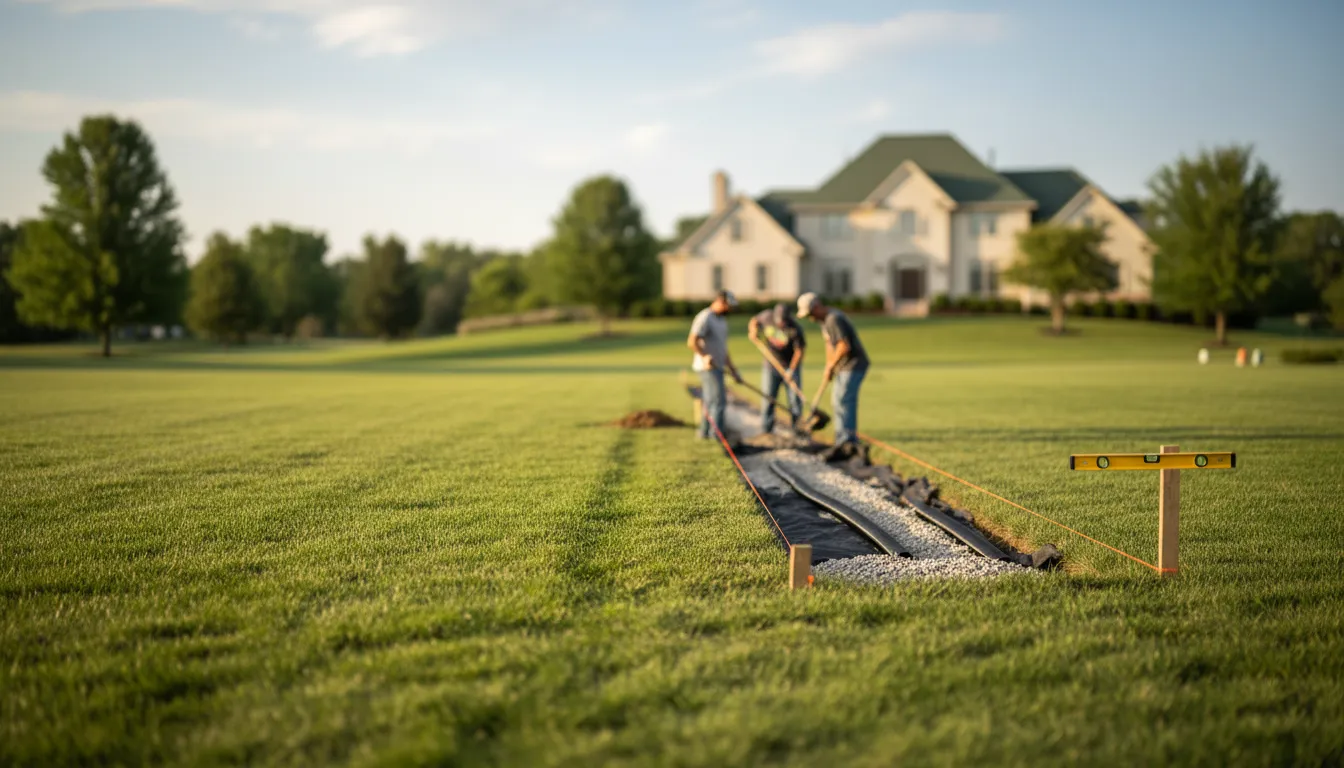
Find the Best Yard Drainage Contractors for Your Business
No obligation • Fast responses • Nationwide coverage

Why you can trust Landscape Atlas
Landscape Atlas is a leading United States resource for evaluating landscaping, lawn care, and outdoor service providers. Our team researches each category in depth, focusing on service quality, safety, and customer experience. Listings and rankings are based on independent criteria and user feedback, and companies cannot pay to influence our assessments or recommendations.
Search providers near you
Best Yard Drainage Contractors in Georgia Ranked
Proper yard drainage and grading are essential for protecting your Georgia home from water damage. Heavy rains, common across the state, can lead to foundation issues, basement flooding, and landscape erosion if water isn't managed correctly. This guide explains the importance of effective water management, outlines solutions suited for Georgia's climate and soil, and helps you understand how to connect with local experts who can assess your property and implement the right system.
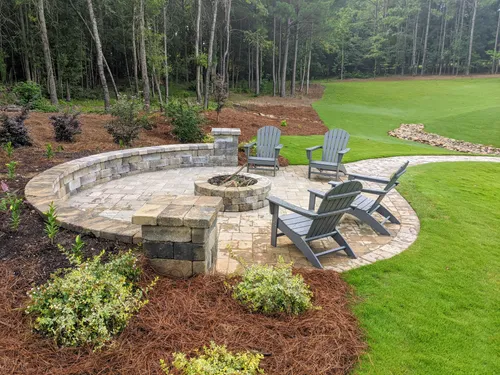
Wallis Landscape, Inc.
6720 GA-20, Loganville, GA 30052
Wallis Landscape, Inc. is a landscape design and hardscaping company based in Atlanta, GA. They provide design-build landscaping and hardscaping services, including yard drainage, grading, pavers, and retaining walls. Serving areas such as Grayson, Lawrenceville, Lilburn, Loganville, Snellville, Walton County, and Oconee County, they handle all aspects of the project from design to materials and labor. Their team works with clients to create custom landscape designs and offers erosion control and drainage solutions for both residential and commercial properties.
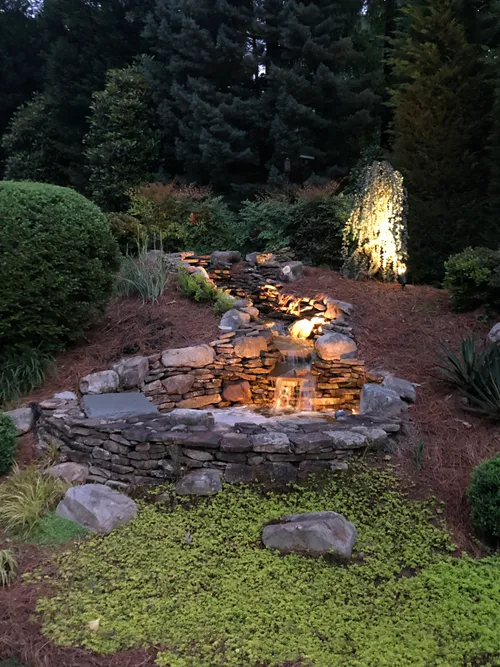
Total Lawn Inc.
1670 Hazelwood Dr SE, Marietta, GA 30067
Total Lawn Inc. is a landscaping and lawn care company serving the East Cobb area near Atlanta, GA. They offer a wide range of services including lawn mowing, fertilization, weed control, landscape design, tree removal, stump grinding, yard drainage, grading, and hardscaping such as pavers and retaining walls. The company is known for its expertise in grading and drainage, ensuring efficient water management while integrating aesthetic elements into the landscape. Established in 1992, Total Lawn Inc. has over 30 years of experience working closely with clients to create and maintain personalized outdoor spaces.
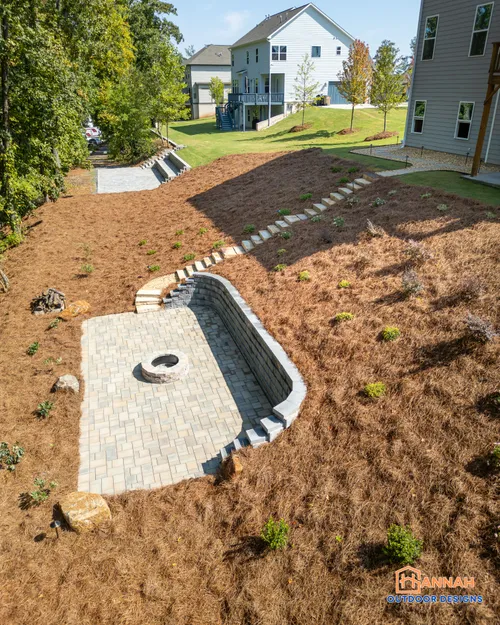
Hannah Outdoor Designs
2400 Herodian Way Suite 220, Smyrna, GA 30080
Hannah Outdoor Designs is a landscaping company based in Atlanta, GA, offering a wide range of services including landscape design, sod installation, irrigation, outdoor lighting, and yard drainage. They create custom 2D and 3D landscape designs and specialize in hardscaping features such as paver patios, walkways, retaining walls, and fire pits. The company holds several industry certifications, including those for retaining walls, soil and water conservation, pesticide application, and professional drainage, reflecting their expertise in outdoor living and erosion control solutions.
Outside Designs
Atlanta, GA
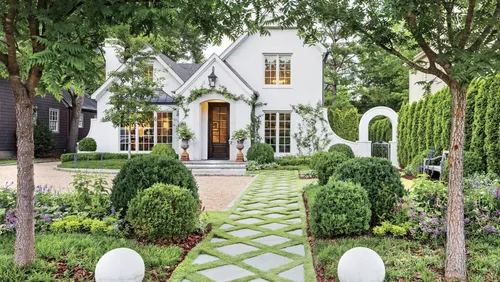
Outside Designs is a landscape design and hardscaping company based in Atlanta, GA, serving Cobb County, Roswell, Sandy Springs, Buckhead, and surrounding communities. With over 15 years of experience, they offer a range of services including landscape design, installation of softscapes like plants and flower beds, hardscape construction such as patios, pergolas, fire pits, retaining walls, and outdoor kitchens, as well as low voltage landscape lighting. Their capabilities include yard grading and drainage improvements to enhance outdoor spaces for both residential and commercial properties.
Georgia Oak Landscaping
4045 Five Forks Trickum Rd SW B 241, Lilburn, GA 30047
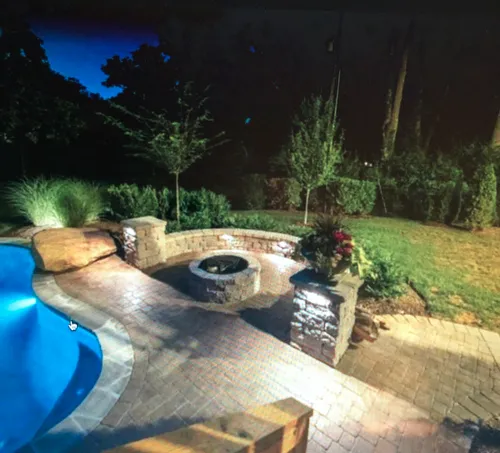
Georgia Oak Landscaping is a family-owned landscaping and hardscaping contractor based near Atlanta, GA. They specialize in yard drainage, grading, and the installation and replacement of retaining walls. Serving homeowners in the Atlanta area, they provide engineering services and manage building permits as part of their work. With 25 years of experience, Georgia Oak Landscaping focuses on careful attention to detail and yard leveling services.
Why Drainage is Critical for Georgia Properties
Georgia's weather patterns make effective drainage a non-negotiable aspect of home maintenance. The state experiences intense, sudden downpours, particularly during summer thunderstorms, which can quickly overwhelm a yard's natural ability to absorb water. Without a planned drainage strategy, this runoff can pool around your home's foundation, saturate your lawn, and create persistent muddy areas.
The soil types across Georgia further complicate water management. In the Piedmont region, heavy clay soil is prevalent, which absorbs water slowly and can lead to prolonged surface pooling and subsurface saturation1. Near the coast, sandy soils drain quickly but can contribute to erosion during heavy flows. The primary goal of any drainage plan in Georgia is foundation protection. Keeping water away from your home's base prevents basement flooding, cracks in walls and floors, and the costly structural damage caused by the expansion and contraction of waterlogged soil2.
Common Yard Drainage Problems in Georgia
Homeowners across the state typically face a few recurring issues:
- Standing Water in the Yard: Puddles that linger for days after a rain, killing grass and creating breeding grounds for mosquitoes.
- Water Pooling Against the Foundation: This is the most urgent problem, indicating improper grading that directs water toward, rather than away from, the house.
- Erosion in Landscaped Beds or on Slopes: Fast-moving runoff washes away mulch, soil, and plants.
- Soggy Lawn Areas: Sections of the yard that are perpetually soft and wet, making them unusable and damaging grass roots.
- Overwhelmed Gutters and Downspouts: During a heavy rain, water overflows from gutters, cascading down directly next to the foundation.
Identifying which of these problems you have is the first step toward a solution.
Effective Drainage and Grading Solutions
A range of proven techniques can be used to manage stormwater on residential properties. Often, a combination of methods yields the best results.
1. Grading and Land Forming
This is the most fundamental solution. It involves reshaping the soil around your home to create a gentle, consistent slope-typically a 1-2% grade-that directs surface water away from the foundation3. Proper grading is often the first and most cost-effective correction for preventing water intrusion into basements and crawl spaces.
2. Swales
Swales are broad, shallow, vegetated channels designed to guide surface water across your yard to a safe discharge point, such as a street gutter or a dry well. They are a natural-looking way to intercept and redirect runoff from driveways, patios, and lawns.
3. French Drains
A French drain is a trench filled with gravel containing a perforated pipe. It is designed to intercept and redirect subsurface water-the water that saturates the soil. French drains are excellent for solving soggy yard problems, channeling water away from foundations, or relieving hydrostatic pressure against basement walls. They are a core component of many comprehensive drainage systems in Georgia's clay-heavy regions4.
4. Rain Gardens
A rain garden is a landscaped depression planted with native, water-tolerant plants. It is designed to capture runoff from roofs or paved areas, allowing it to slowly infiltrate into the ground. This not only manages water but also filters pollutants, recharges groundwater, and provides a beautiful landscape feature.
5. Dry Creek Beds
Also known as rock swales, these are decorative channels lined with stone and gravel that manage surface flow. They are both functional and aesthetic, often used in conjunction with swales or to disguise the outlet of a French drain.
6. Downspout and Gutter Management
Your roof collects a massive amount of water. Ensuring gutters are clean and downspouts are extended well away from the foundation (at least 5-10 feet) is a simple, critical step. Buried downspout extensions that connect to a drainage pipe can discreetly carry roof runoff to a street or a drainage area.
Find the perfect yard drainage contractors for your needs
Get personalized recommendations and expert advice
Key Considerations for Georgia Homeowners
When planning a drainage project, local factors are crucial:
- Soil Analysis: Understanding whether you have clay, sand, or loam will determine which solutions (like French drains) are most effective and how they should be installed.
- Local Regulations: Some counties and municipalities in Georgia have stormwater management regulations, especially concerning where you can discharge runoff 5. It's important to check local codes or work with a professional who knows them.
- Integration with Landscaping: The best drainage solutions are often integrated into the landscape design. A dry creek bed can be a garden focal point, and a swale can be seeded with attractive ground cover.
- Professional Assessment: Due to the variables of slope, soil, and local climate, a professional assessment is highly recommended. An expert can identify the true source of water problems and design a system that addresses them efficiently.
Understanding Project Scope and Investment
The cost of drainage work in Georgia varies significantly based on the solution, the size of your property, and the complexity of the problem. Here are some general estimates based on common projects 6 7 8:
- Basic Grading/Resloping: $500 - $2,000, depending on yard size and machinery needed.
- French Drain Installation (per 50 feet): $1,000 - $3,000+, including trenching, pipe, gravel, and labor.
- Rain Garden Installation: $500 - $2,500, influenced by size, plants, and soil amendments.
- Downspout Extensions or Channel Drains: $200 - $800 for materials and installation.
These are estimates, and Georgia-specific conditions like dense clay soil or the need for rock excavation can impact the final price9. A detailed quote from a local professional will provide the most accurate picture.
Maintaining Your Drainage System
Once installed, a drainage system requires minimal but important maintenance:
- Keep it Clear: Regularly remove leaves, silt, and debris from gutter guards, swales, and the surface of drain inlets.
- Inspect After Heavy Rains: Check that water is flowing as intended and not pooling in new areas.
- Ensure Discharge Points are Open: Verify that the outlets of pipes and swales are not blocked by soil or vegetation.
Proper drainage is an investment in your property's long-term health, stability, and usability. By managing stormwater effectively, you protect your home's foundation, enhance your landscape, and prevent the headaches of water damage.
Frequently asked questions
Sources
Footnotes
-
CHAPTER 4 DRAINAGE DESIGN - https://www.fao.org/4/t0099e/t0099e04.htm ↩
-
georgia - stormwater management manual - http://documents.atlantaregional.com/gastormwater/GSMM_2016%20EDITION_FINAL_V1.pdf ↩
-
Six Residential Drainage System Options| Rockaway, Inc. - https://www.rockawayinc.com/blog/2023/october/six-residential-drainage-system-options/ ↩
-
Stormwater - | YourHome - https://www.yourhome.gov.au/water/stormwater ↩
-
Drainage Design Policy Manual - GDOT - https://www.dot.ga.gov/PartnerSmart/DesignManuals/Drainage/Drainage%20Design%20Policy%20Manual.pdf ↩
-
Stormwater Best Management Practices - https://spcwater.org/topics/stormwater-management/stormwater-best-management-practices-2/ ↩
-
10 Things You Can Do to Prevent Stormwater Runoff Pollution - https://www.farmington-ct.org/departments/engineering/stormwater/10-things-to-prevent-stormwater-pollution ↩
-
8 Grading and Drainage Strategies for Florida's Landscapes - https://dtelandscape.com/8-grading-and-drainage-strategies-for-florida-landscapes/ ↩
-
Stormwater Design Guide - GDOT - Georgia.gov - https://www.dot.ga.gov/PartnerSmart/DesignManuals/Drainage/Stormwater%20Design%20Guide.pdf ↩