Find the Best Yard Drainage Contractors for Your Business
No obligation • Fast responses • Nationwide coverage

Why you can trust Landscape Atlas
Landscape Atlas is a leading United States resource for evaluating landscaping, lawn care, and outdoor service providers. Our team researches each category in depth, focusing on service quality, safety, and customer experience. Listings and rankings are based on independent criteria and user feedback, and companies cannot pay to influence our assessments or recommendations.
Search providers near you
Best Yard Drainage Contractors in Hawaii Ranked
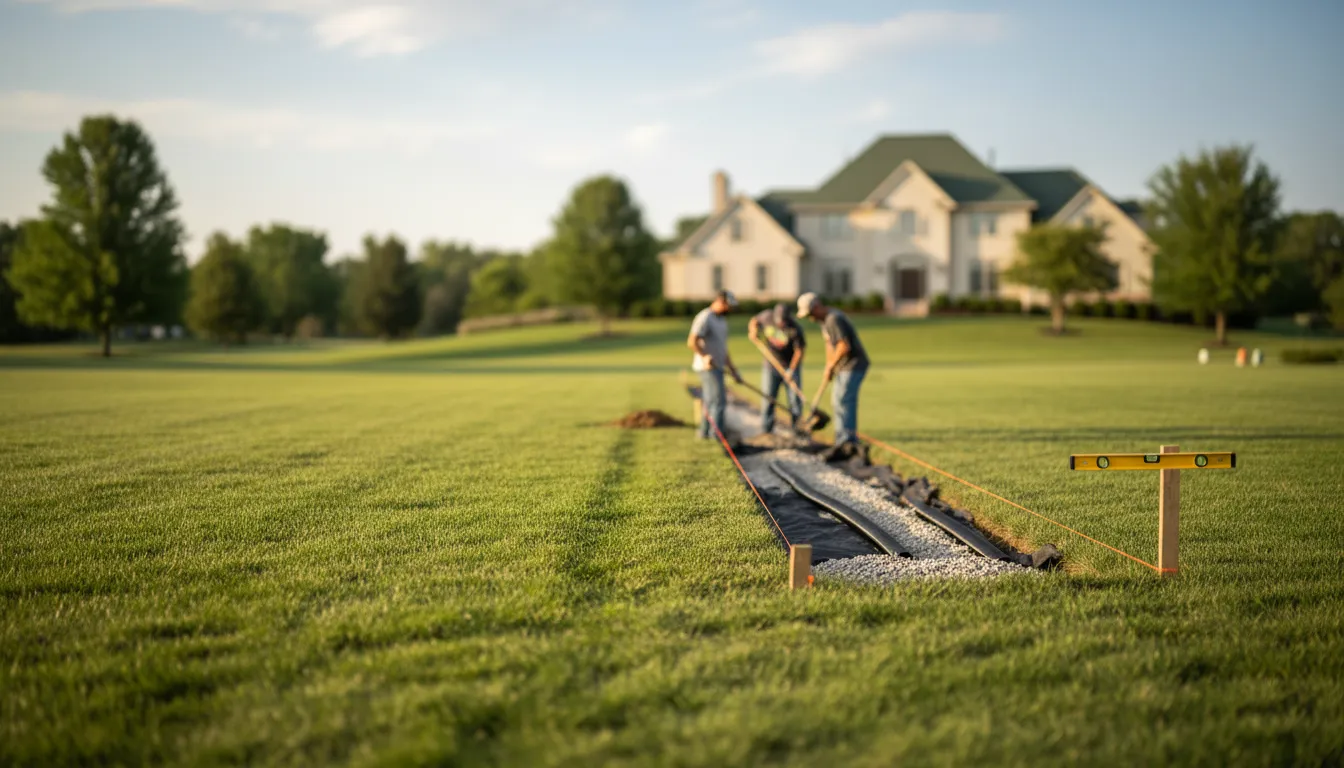
Effective yard drainage and grading are essential for protecting your home and landscape from Hawaii's intense tropical rainfall. Managing stormwater runoff prevents soil erosion, protects your home's foundation from water damage, and helps safeguard local streams and ocean waters from pollution. This guide explains the unique challenges and solutions for residential drainage in Hawaii, helping you understand your options and connect with experienced local professionals who can assess your property and implement the right system.
Aloha hydroseed
Keolu Dr, Kailua, HI 96734
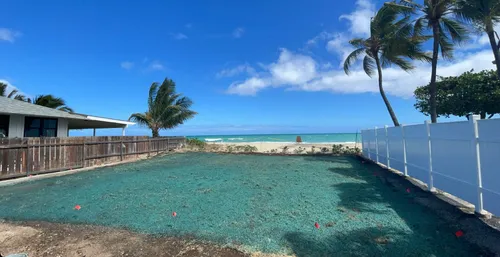
Aloha Hydroseed is a lawn care company based in Honolulu, HI, specializing in hydroseeding as a cost-effective alternative to sod installation. They provide services including lawn fertilization, weed control, yard drainage, grading, sprinkler installation and repair, irrigation, land clearing, and brush removal. Their hydroseeding process involves thorough site preparation, irrigation setup, and fertilizing to promote healthy grass growth, with expertise in various grass types such as Eltoro Zoysia, St Augustine, Bermuda, and Seashore Pestpalm. The company emphasizes proper watering and weed management to ensure successful lawn establishment.
Landscape Builders Hawaii
Honolulu, HI
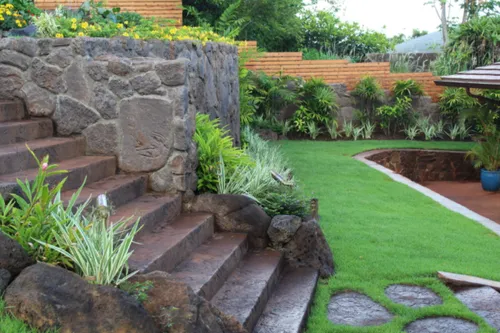
Landscape Builders Hawaii is a landscaping and hardscaping contractor based in Honolulu, HI. They offer a range of services including landscape design and installation, concrete driveway and patio construction, as well as wall and fence installation using various materials. The company also addresses yard drainage and erosion issues by creating functional outdoor spaces that enhance both residential and commercial properties. With years of experience, they guide clients from design through installation to achieve tailored outdoor living areas that complement the natural beauty of Hawaii.
Widner Builders
Honolulu, HI
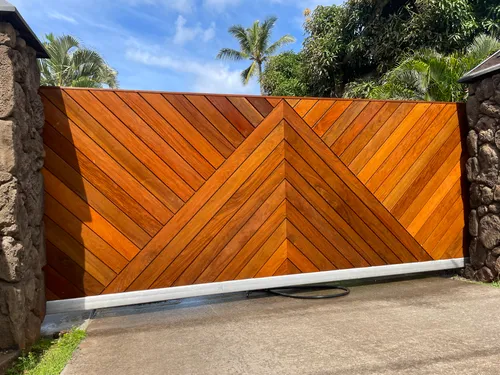
Widner Builders is a contractor based in Honolulu, HI, specializing in automatic driveway gate installation and repair. They offer custom-designed gates, fencing, and walls, with expertise in construction, concrete work, welding, and access control systems including RFID and Bluetooth technologies. Serving the entire island of Oahu, Widner Builders provides durable gate solutions designed to withstand the local tropical climate. Their services also extend to outdoor patios, kitchens, and custom hardscaping projects. The company is known for its craftsmanship and ability to handle complex gate repairs and installations with a comprehensive skill set.
HAWAII WORKS, INC
160-A Ahui St, Honolulu, HI 96813
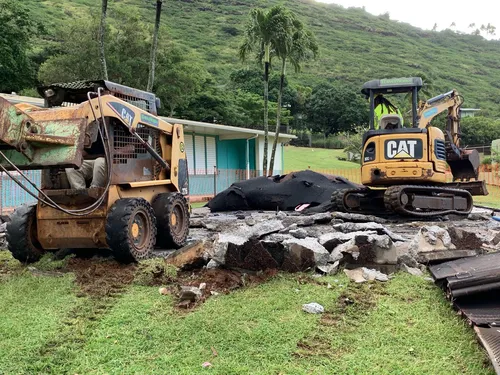
HAWAII WORKS, INC is a contractor based in Honolulu, HI, specializing in concrete, erosion control, masonry, excavation, and comprehensive site work. They serve all of Oahu, providing services such as grading, drainage, retaining walls, pavers, seawalls, and underground utilities. The company is experienced in handling both residential and commercial projects, with capabilities including structural concrete, shotcrete, soil nail walls, and coastal protection. Their work includes preparing land for construction, building durable foundations, and installing erosion control measures tailored to Hawaii's environment. HAWAII WORKS, INC emphasizes precision and craftsmanship to ensure long-lasting results. They are fully licensed, bonded, and insured, and operate during regular business hours on weekdays.
Aloha `Aina Landscaping LLC
41-668 Kakaina St, Waimanalo, HI 96795
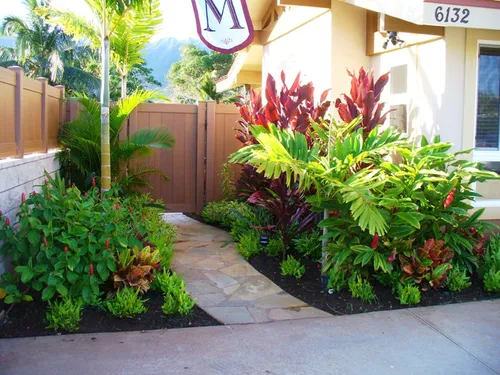
Aloha `Aina Landscaping LLC is a licensed and insured landscaping company based in Honolulu, HI. They offer a comprehensive range of services including landscape design and planting, irrigation system installation, lawn installation, drainage and grading, masonry and fencing construction, landscape lighting, and yard care. Their nursery grows high-quality plants to support vibrant outdoor spaces. The company emphasizes transparent communication and partnership to meet client project visions with cost-effective solutions. Aloha `Aina Landscaping is known for their masonry construction capabilities such as driveway and walkway paving.
Why Drainage is Critical in Hawaii
Hawaii's unique climate and geology create specific challenges for property owners. The islands experience heavy, concentrated downpours, especially during winter storms, which can quickly overwhelm poorly managed landscapes. Furthermore, the volcanic soils found across the islands vary widely in their ability to absorb water (permeability), meaning a solution that works in one area may not be suitable for another. Beyond protecting your home, proper drainage is a community responsibility; it helps prevent sediment, metals, and excess nutrients from washing off your property and into the delicate local waterways and coral reefs 1 2. A well-designed system doesn't just move water away-it manages it responsibly on-site.
Common Drainage Problems in Hawaiian Yards
Homeowners across the islands often face a few recurring issues:
- Foundation Pooling: Water collecting around the home's slab or foundation footings, which can lead to leaks, mold, and structural damage over time.
- Erosion on Slopes: Fast-moving runoff stripping away topsoil from landscaped slopes or yards, damaging plants and creating unsightly gullies.
- Soggy Lawns & Garden Beds: Areas that remain saturated long after a rain, drowning grass roots and creating muddy, unusable spaces.
- Overwhelmed Downspouts: Roof runoff that is discharged too close to the house, simply transferring the water problem to another vulnerable area.
- Driveway & Patio Flooding: Impervious surfaces that channel large volumes of water to a single low point, causing flooding.
Core Drainage and Grading Strategies
A comprehensive approach often layers several techniques. Here are the primary methods used by professionals in Hawaii.
1. Regrading and Slope Creation
This is often the first and most fundamental step. Proper grading involves reshaping the land to create gentle slopes (often recommended at a 4:1 horizontal to vertical ratio) that direct surface water away from your home and toward a safe discharge point 3. It's the foundation upon which other drainage features are built. Costs for land grading can range from $0.08 to over $2.00 per square foot, with typical yard projects falling between $1,000 and $6,400+ depending on size and complexity.
2. Swales and Dry Creek Beds
These are surface channels designed to move water. A swale is a broad, shallow, vegetated ditch that slows water down and allows some to infiltrate. A dry creek bed is a landscaped, rock-lined channel that mimics a natural streambed, providing an attractive way to manage larger flows and prevent erosion. They are excellent for directing water across a property.
3. Subsurface Drainage: French Drains and Dry Wells
For water that soaks into the ground, subsurface solutions are key. A French drain is a trench filled with gravel and containing a perforated pipe that collects and redirects groundwater. It's particularly useful for relieving hydrostatic pressure against foundations or drying out soggy yards. Installation typically costs between $10 and $50 per linear foot. A dry well is an underground pit filled with gravel or rubble that collects water from downspouts or drains and allows it to slowly percolate into the surrounding soil. It's a good option for properties with decent soil permeability and costs approximately $1,600 to $4,800+ per unit.
Find the perfect yard drainage contractors for your needs
Get personalized recommendations and expert advice
4. Green Stormwater Infrastructure (GSI)
Hawaii actively encourages Best Management Practices (BMPs) that treat stormwater as a resource 4. Rain gardens (or bioretention cells) are depressed garden areas planted with native vegetation that capture runoff, filter pollutants, and allow water to infiltrate slowly. Bioswales are engineered, vegetated swales designed for enhanced filtration. These features are not only functional but also add beauty and habitat to your landscape 4.
5. Hardscape Drainage Solutions
For paved areas like driveways, patios, and pool decks, integrated drainage is crucial. Trench drains (linear grates) and channel drains are installed flush with the surface to catch water running across pavement. Catch basins are grated inlets that connect to underground piping, ideal for collecting water from low spots. Catch basin units can range from $200 for basic plastic models to over $5,000 for large concrete structures 5 6.
Designing a System for Your Property
A successful drainage plan starts with a professional assessment. A local expert will:
- Identify the Source: Determine where the water is coming from (roof, hillside, neighboring property).
- Map the Flow: Observe how water moves across your property during a rain event to find problem areas.
- Test the Soil: Understand your soil's infiltration rate to decide between surface or subsurface solutions.
- Create a Layered Plan: Most systems combine several strategies-for example, regrading the yard, installing a French drain at the base of a slope, and directing the outlet into a rain garden or dry well.
- Ensure Proper Discharge: All plans must have a legal and environmentally safe endpoint for the water, such as a storm sewer (with permission), a dry well, or a stabilized dispersion area on your own property.
Working with Hawaii Drainage Professionals
Given the environmental sensitivity and technical requirements, hiring a knowledgeable contractor is wise. Look for landscapers or drainage specialists with experience in:
- Local Regulations: Understanding county requirements for stormwater management and runoff.
- Volcanic Soils: Knowing how to work with Hawaii's unique soil conditions.
- Native Plants: Recommending appropriate vegetation for swales and rain gardens.
- Erosion Control: Implementing temporary and permanent measures to prevent sediment loss during construction.
Be prepared to discuss your budget, as project costs can vary widely from a few thousand dollars for simple grading and a French drain to $15,000 or more for complex, multi-feature systems involving extensive hardscape drainage and green infrastructure 7 8.
Frequently asked questions
Sources
Footnotes
-
Stormwater Drainage Design and Best Management Practices ... - https://www.metrans.org/assets/research/psr-18-42_francis_final-report.pdf ↩
-
Urbanization and Stormwater Runoff | US EPA - https://www.epa.gov/sourcewaterprotection/urbanization-and-stormwater-runoff ↩
-
Green Stormwater Infrastructure Features - https://www.cleancreeks.org/241/Green-Stormwater-Infrastructure-Features ↩
-
Stormwater Best Management Practices - https://spcwater.org/topics/stormwater-management/stormwater-best-management-practices-2/ ↩ ↩2
-
Landscape Grading and Drainage Costs - https://www.whiteshovel.com/blog/landscape-grading-and-drainage-costs ↩
-
A Homeowner Guide to Backyard Drainage Solutions - https://tamuradesigns.com/backyard-drainage-solutions/ ↩
-
A Handbook for Stormwater Reclamation and Reuse ... - Hawaii.gov - https://files.hawaii.gov/dlnr/cwrm/planning/hsrar_handbook.pdf ↩
-
How Much Does Land Grading Cost in 2026? - Lawn Love - https://lawnlove.com/blog/land-grading-cost/ ↩