Find the Best Yard Drainage Contractors for Your Business
No obligation • Fast responses • Nationwide coverage

Why you can trust Landscape Atlas
Landscape Atlas is a leading United States resource for evaluating landscaping, lawn care, and outdoor service providers. Our team researches each category in depth, focusing on service quality, safety, and customer experience. Listings and rankings are based on independent criteria and user feedback, and companies cannot pay to influence our assessments or recommendations.
Search providers near you
Top Yard Drainage Contractors in Nampa, Idaho Ranked
A well-drained yard is essential for protecting your home's foundation, preventing soil erosion, and creating a usable outdoor space. Yard drainage and grading services involve reshaping the land and installing systems to manage water flow, solving problems like soggy lawns, standing water, and basement seepage. This guide will help you understand the common solutions used by local professionals in Nampa, from simple grading to complex drainage installations, so you can find the right expert to address your property's specific water management needs.
Idaho Drainage Solutions
1510 E Watertower St #100, Meridian, ID 83642
Idaho Drainage Solutions is a yard drainage contractor based in Boise, ID, specializing in water mitigation and drainage services for residential and commercial properties. Their offerings include yard drainage system installation, basement waterproofing, French drains, sump pump systems, foundation repair, and crawl space encapsulation. The company provides engineered, permanent solutions tailored to Idaho's soil and groundwater conditions, backed by a five-year warranty. Idaho Drainage Solutions is licensed, insured, and accredited with an A+ rating from the Better Business Bureau.
Jennings Landscape & Cleaning
2580 E Blackstone Dr, Eagle, ID 83616
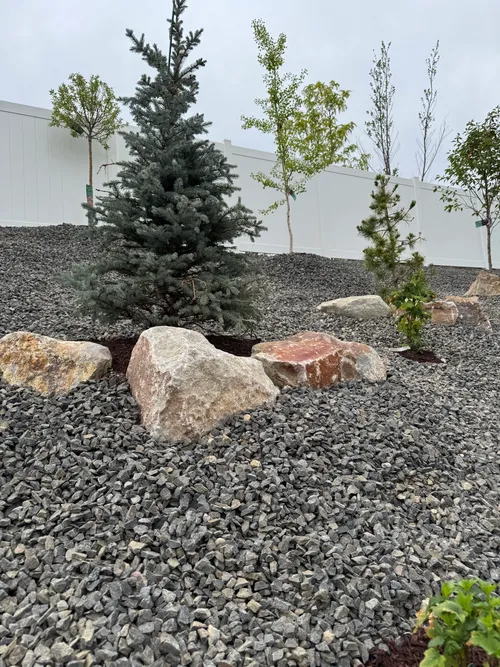
Jennings Landscape & Cleaning is a landscaping and lawn care company serving Boise, ID, and nearby areas including Meridian, Eagle, Kuna, and Garden City. They provide a wide range of services such as landscape design, lawn mowing, custom patios and walkways, yard drainage, land clearing, and snow removal. The company also specializes in excavation work including grading, trenching, and site preparation. Jennings Landscape & Cleaning offers custom mini golf course design and construction, managing projects from consultation through completion. Their team handles property clean-up and junk removal to maintain tidy outdoor spaces.
Art of the Earth Landscaping
9777 W Chinden Blvd, Garden City, ID 83714
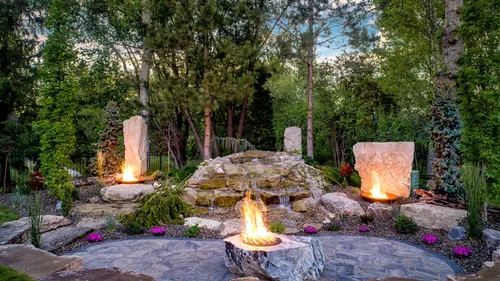
Art of the Earth Landscaping is a family-owned landscaping company based in Boise, ID. They provide comprehensive landscape design, installation, and maintenance services, including foundation plantings, grading, drainage work, hardscaping, retaining walls, outdoor kitchens, and low voltage lighting. With over 15 years of experience, the team focuses on creating functional and beautiful outdoor living spaces tailored to each client's vision. Their expertise includes custom patios, walkways, water features, and innovative landscape lighting solutions.
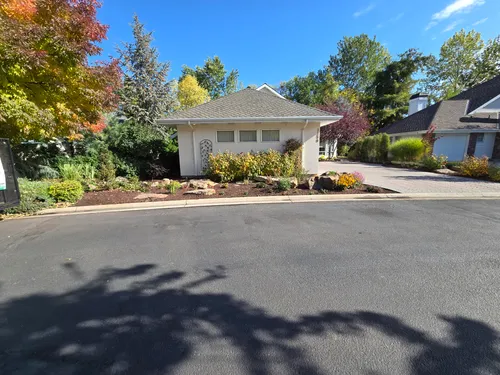
Boise Landscaping and Lawn Care
Boise, ID
Boise Landscaping and Lawn Care provides a wide range of landscaping and lawn care services in Boise, ID, and the surrounding Treasure Valley area. Their offerings include lawn mowing, tree trimming and pruning, lawn aeration, weed control, fertilization, seeding, overseeding, and yard leveling. The company focuses on delivering tailored landscaping plans to enhance the beauty and functionality of outdoor spaces. Boise Landscaping and Lawn Care works closely with clients through consultations and customized project execution to meet specific needs.
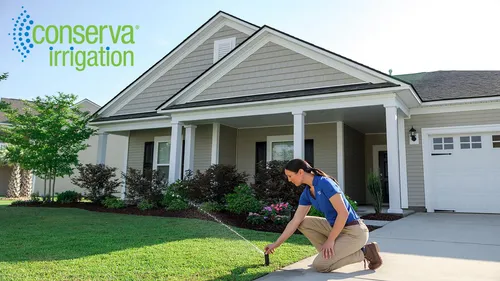
Conserva Irrigation of Greater Boise
5301 W Emerald St Suite C, Boise, ID 83706
Conserva Irrigation of Greater Boise provides residential and commercial irrigation services in Boise, ID, and surrounding areas including Eagle, Garden City, Kuna, Meridian, Middleton, Nampa, and Star. They specialize in designing, installing, and maintaining efficient sprinkler systems that conserve water and improve lawn health. Their services include system inspections, repairs, upgrades, and drainage solutions to prevent overwatering and runoff. Conserva Irrigation focuses on smart irrigation technologies such as automated scheduling, weather monitoring, and moisture sensors to optimize water use and reduce waste.
Understanding Common Drainage Problems in Nampa
Nampa's soil composition and seasonal weather patterns can create unique challenges for homeowners. Heavy spring rains or rapid snowmelt can overwhelm flat or improperly sloped yards, leading to persistent wet spots that kill grass, create muddy areas, and attract pests. More critically, water pooling near your home's foundation is a leading cause of basement moisture, mold growth, and costly structural damage over time1. Identifying the source and pattern of water on your property is the first step toward an effective solution. Common signs you need professional drainage or grading work include standing water that remains for more than a day after rain, soggy soil that feels spongy to walk on, visible erosion on slopes, or water marks in your basement or crawl space.
Core Solutions for Effective Water Management
Local landscaping and excavation professionals in Nampa employ a range of techniques to control surface water and subsurface moisture. The right solution depends on your yard's specific issues, which are determined through a thorough site assessment.
Land Grading and Resloping
This fundamental process involves reshaping the contour of your land to create a gentle, consistent slope that directs water away from structures. Proper grading is often the first line of defense, ensuring surface runoff flows toward a suitable outlet like a street gutter, dry well, or drainage ditch. For yards with severe pooling, regrading may involve moving significant amounts of soil to establish a new, functional slope. This is a critical step for new construction or major landscaping overhauls to prevent future problems.
French Drain Systems
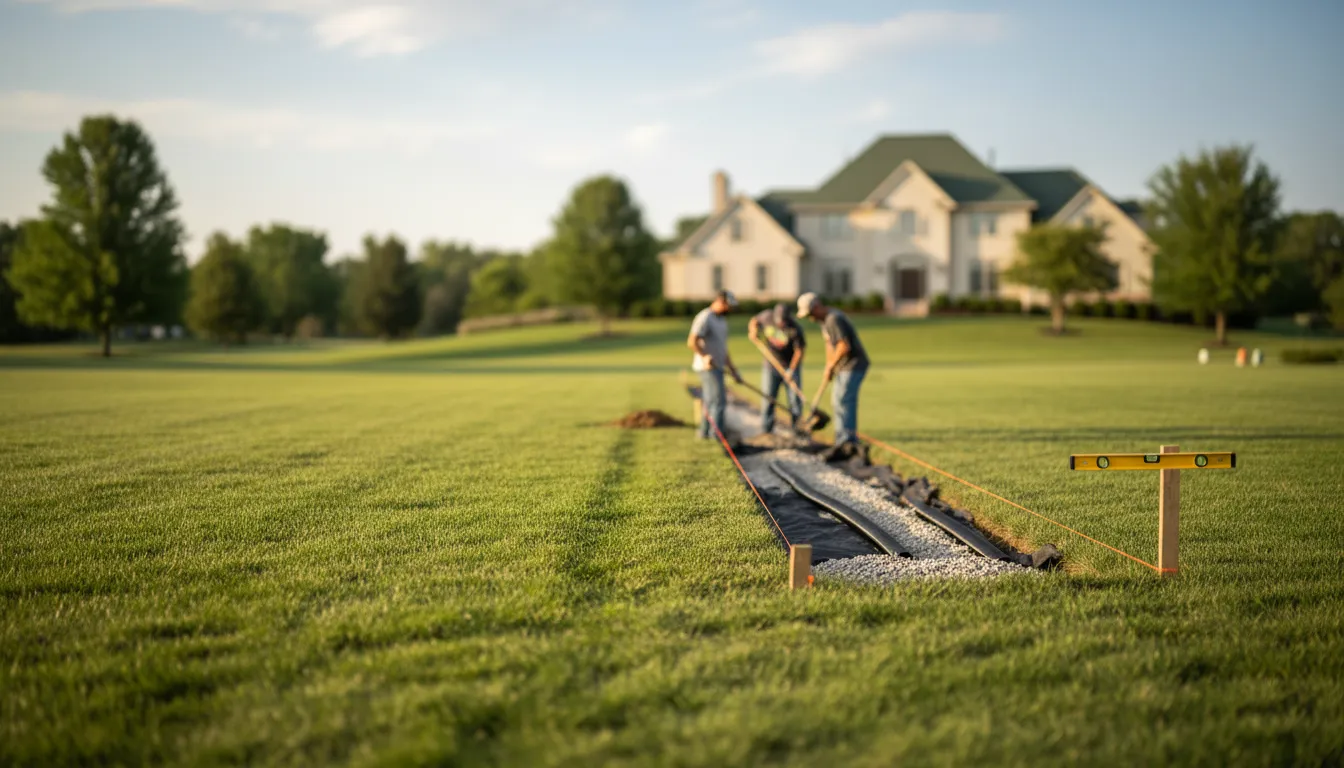
A French drain is a versatile subsurface solution ideal for intercepting groundwater and relieving hydrostatic pressure in chronically wet areas. It consists of a trench filled with gravel and a perforated pipe that collects seeping water and redirects it to a safer discharge point. These systems are excellent for solving soggy spots in the middle of a lawn, water seepage into basements, or managing water at the base of a slope. Installation requires careful planning of the trench depth, pipe slope, and discharge location to ensure long-term functionality.
Surface Drainage: Catch Basins and Channel Drains
For collecting water from hard surfaces or low spots, surface drains are highly effective. A catch basin is a grated inlet installed at the lowest point of a depression, connected to an underground pipe that carries the water away. They are commonly used in driveway aprons, patio corners, or lawn valleys. Channel drains (or trench drains) are long, linear grates perfect for across walkways, garage entries, or along the edge of a patio to stop water from flowing into unwanted areas. These components are key to managing heavy surface runoff during storms.
Downspout and Gutter Management
Often, a major source of yard water is your own roof. Extending downspouts to discharge roof water at least 10 feet from your foundation is a simple but crucial upgrade. For a cleaner look and more effective dispersal, underground downspout extensions can be installed, piping water directly to a drainage system or a pop-up emitter in a distant part of the yard. This prevents concentrated streams of water from eroding soil next to your home and saturating the foundation perimeter.
Erosion Control and Slope Stabilization
For properties with existing slopes or newly graded banks, controlling erosion is essential. Techniques include installing erosion control blankets, building retaining walls, or creating rock-lined swales (shallow, vegetated channels) to slow water down and guide it safely without washing away topsoil. These solutions protect your investment in grading and preserve the landscape.
The Professional Process: From Assessment to Installation
Engaging a local Nampa professional for drainage work typically follows a structured process to ensure a lasting solution.
- Comprehensive Site Assessment: A specialist will visit your property, often after a rain, to observe water patterns. They will evaluate the soil type (clay soils common in the area drain slowly), measure slopes, identify pooling areas, and determine the ultimate destination for diverted water. This diagnosis is critical to designing the right system.
- Customized Design Plan: Based on the assessment, the professional will create a plan that may combine several solutions. For example, a plan might involve regrading a portion of the yard, installing a catch basin in a low spot, and tying it into a French drain that discharges to the street. They will handle any necessary permits from the city of Nampa.
- Expert Installation: This phase involves excavation, trenching, precise pipe installation with proper slope, setting basins, and careful backfilling. For grading projects, heavy machinery like skid-steers or excavators is used to move and compact soil to the designed contours2.
- System Testing and Final Grading: Once pipes are in place, the system is flushed with water to test flow and ensure there are no blockages or low spots. The final landscaping, including topsoil and sod or seed, is then completed to restore the yard.
Find the perfect yard drainage contractors for your needs
Get personalized recommendations and expert advice
What to Know About Project Investment
The cost for drainage and grading work in Nampa varies widely based on the project's scale, complexity, and the solutions required. A simple regrading project for a small area might start around $1,000, while a comprehensive whole-yard solution involving multiple French drains, catch basins, and significant excavation can range from $6,400 to $15,000 or more. Understanding typical unit costs can help when reviewing estimates:
- French Drains: Typically cost between $10 and $50 per linear foot, depending on depth, pipe quality, and accessibility.
- Catch Basins: A standard plastic basin unit can range from $200 to $500+ for supply and installation, with concrete basins costing more.
- Underground Downspout Extensions: Installing these can range from $200 to $2,000+ per downspout, depending on the run length and connection to other drainage systems3.
While cost is a factor, investing in a professionally designed and installed system prevents far more expensive repairs to your home's foundation, landscaping, and hardscaping down the line.
Selecting a Service Provider in Nampa
Nampa is home to several experienced companies specializing in landscape drainage and earthwork. When looking for a provider, seek out those with specific experience in yard drainage solutions, site grading, and erosion control. Companies like Organic Solutions, Idacrest Landscaping, and The Landscape Design Center highlight these services4 5 6. Look for licensed, insured professionals who offer clear explanations, provide detailed written estimates, and can show examples of past work. A reputable contractor will always start with a thorough evaluation of your property's unique conditions rather than immediately proposing a one-size-fits-all solution.
Frequently asked questions
Sources
Footnotes
-
Yard & Exterior Drainage Solutions in Boise - https://drainageboise.com/yard-and-exterior-drainage-services/ ↩
-
Commercial Site Grading & Leveling in Nampa, Idaho - https://www.titaniumexcavation.com/commercial-grading-services-nampa-caldwell-boise/ ↩
-
Landscape Grading and Drainage Costs - https://www.whiteshovel.com/blog/landscape-grading-and-drainage-costs ↩
-
Professional Grading and Drainage Service for Your Home - https://thelandscapedesigncenter.com/services/drainage-and-grading/ ↩
-
Landscape Drainage Nampa, ID | Organic Solutions - https://www.idahoorganicsolutions.com/landscaping/landscape-drainage/ ↩
-
Grading & Resloping | Idacrest Landscaping | Nampa, ID - https://www.idacrestlandscaping.com/service/grading-resloping ↩