Find the Best Yard Drainage Contractors for Your Business
No obligation • Fast responses • Nationwide coverage

Why you can trust Landscape Atlas
Landscape Atlas is a leading United States resource for evaluating landscaping, lawn care, and outdoor service providers. Our team researches each category in depth, focusing on service quality, safety, and customer experience. Listings and rankings are based on independent criteria and user feedback, and companies cannot pay to influence our assessments or recommendations.
Search providers near you
Best Yard Drainage Contractors in Kansas Ranked
Proper yard drainage and grading are essential for protecting your Kansas home from water damage. The state's intense storms and seasonal freeze-thaw cycles can quickly turn a soggy yard into a foundation problem. This guide explains the core principles of managing stormwater on your property, outlines the most effective solutions for Kansas conditions, and provides a starting point for connecting with local professionals who can assess your specific needs.
Earthworks Plan Design Build
Wichita, KS
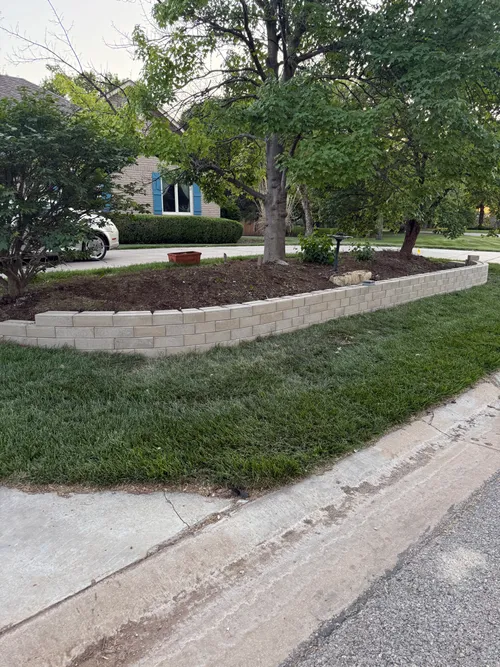
Earthworks Plan Design Build is a landscaping and outdoor construction company based in Wichita, KS. They offer a full range of land services including landscape design, yard drainage, grading, land clearing, brush removal, and hardscaping such as pavers and retaining walls. The company manages projects from initial design through to completion, focusing on precise earthmoving and tailored outdoor construction to meet client visions.
Bluestone Landscaping LLC
810 N Ridge Rd, Wichita, KS 67212
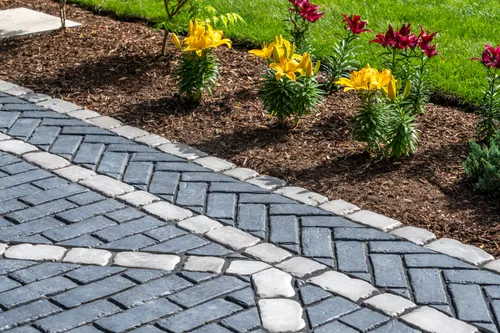
Bluestone Landscaping LLC is a landscaping and hardscaping company based in Wichita, KS. They offer a range of services including landscape design, tree removal, stump grinding, yard drainage, grading, and the construction of pavers and retaining walls. The company focuses on creating outdoor spaces tailored to clients' lifestyles, emphasizing quality materials and careful planning. Their expertise includes building retaining walls with proper drainage to enhance both function and curb appeal. Bluestone Landscaping is committed to a thoughtful process that starts with consultation and follows through with precise execution.
The Grounds Guys of Wichita
1816 N Wabash Ave, Wichita, KS 67214
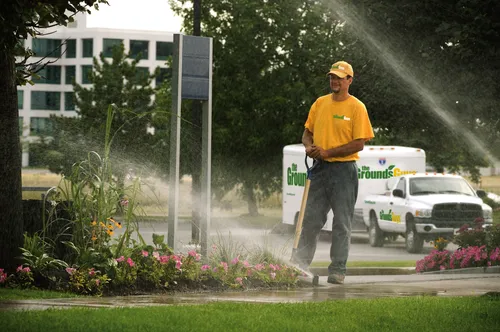
The Grounds Guys of Wichita provides comprehensive landscaping and lawn care services in Wichita, KS. Their offerings include lawn mowing, fertilization, weed control, irrigation installation and repair, landscape design, hardscaping such as patios and retaining walls, tree services, and yard drainage solutions. They specialize in eco-friendly and drought-tolerant landscaping options, incorporating water-smart irrigation and permeable hardscaping to conserve resources. The company delivers tailored landscape maintenance programs that include mowing, pruning, aeration, and seasonal cleanups to keep properties well-maintained year-round. Their team also offers custom landscape designs with 2D and 3D previews to help clients visualize projects before installation. The Grounds Guys are part of a national network, providing local expertise with a broad range of landscaping capabilities.
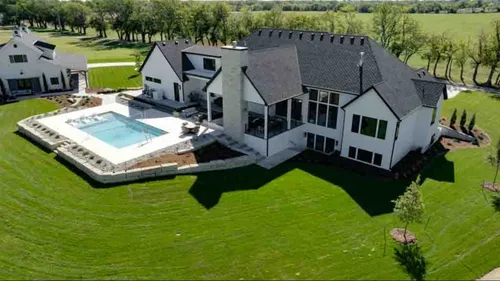
Meadowlark Landscape & Design - Wichita, KS
3425 N Broadway St, Wichita, KS 67219
Meadowlark Landscape & Design - Wichita, KS offers comprehensive landscaping and lawn care services in Wichita, KS. Their expertise includes custom landscape design, hardscaping, outdoor lighting, irrigation systems, tree and shrub care, grading and drainage, and lawn maintenance such as mowing, fertilization, and weed control. Founded in 2012, Meadowlark focuses on creating unique outdoor spaces tailored to each client's needs, combining original design with practical solutions. They also provide commercial and HOA landscape maintenance services.
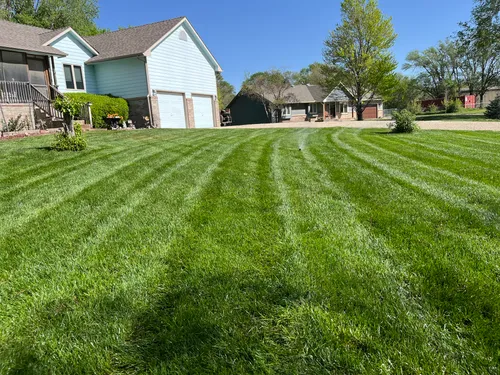
Panther Lawn Care
Wichita, KS
Panther Lawn Care is a lawn care and landscaping company serving Wichita, KS. They offer a range of services including lawn mowing, landscaping design, tree trimming, gutter cleaning, yard cleanup, and property management. Their team focuses on maintaining healthy lawns, designing functional outdoor spaces, and ensuring proper tree care. Panther Lawn Care also addresses drainage issues and provides property maintenance to enhance curb appeal. Their services are tailored to meet the needs of local residents and property owners.
Why Kansas Homes Need Specialized Drainage
Kansas weather presents unique challenges for property drainage. The state experiences periods of intense rainfall that can overwhelm standard systems, requiring designs that efficiently handle large volumes of water. Furthermore, the annual freeze-thaw cycle means that any water pooling near foundations or in pipes can freeze, leading to expansion and potential damage to structures and drainage components. Effective systems must be planned with these overflows and seasonal shifts in mind to provide year-round protection.
Ignoring drainage issues can lead to costly repairs. The most common problems include:
- Foundation Cracking: Hydrostatic pressure from saturated soil pushes against basement walls.
- Basement Flooding: Water finds the path of least resistance, often through cracks or window wells.
- Landscape Erosion: Fast-moving runoff can wash away topsoil and mulch, damaging your lawn and garden beds.
- Mold and Mildew: Persistent dampness around or under your home creates an ideal environment for unhealthy growth.
Core Principles: Grading and Downspout Management
Before investing in complex systems, address these two fundamental, often most effective, steps.
Proper Grading
The slope of the land, or grade, is your first line of defense. The goal is to create a landscape that directs water away from your home.
- Foundation Slope: Soil should slope away from your foundation at a minimum of 6 inches over the first 10 feet. This creates a positive grade that encourages surface water to flow away.
- Hardscape Slope: Patios, walkways, and driveways should also be sloped, typically at a rate of 1/4 inch per foot, to prevent water from pooling against your house.
Downspout Extension and Management
Your roof collects a tremendous amount of water during a storm. If downspouts empty directly next to the foundation, you are funneling water into the exact area you want to keep dry.
- Extension: Downspouts should be extended to discharge water at least 3 feet from the foundation. Simple above-ground extensions are a start, but for a cleaner look and better performance, downspouts can be buried and connected to a drainage pipe that carries water to a safe discharge point like a street gutter, dry well, or rain garden.
Find the perfect yard drainage contractors for your needs
Get personalized recommendations and expert advice
Effective Drainage Solutions for Kansas Properties
When grading and downspouts aren't enough, these engineered solutions can manage the remaining water.
French Drains
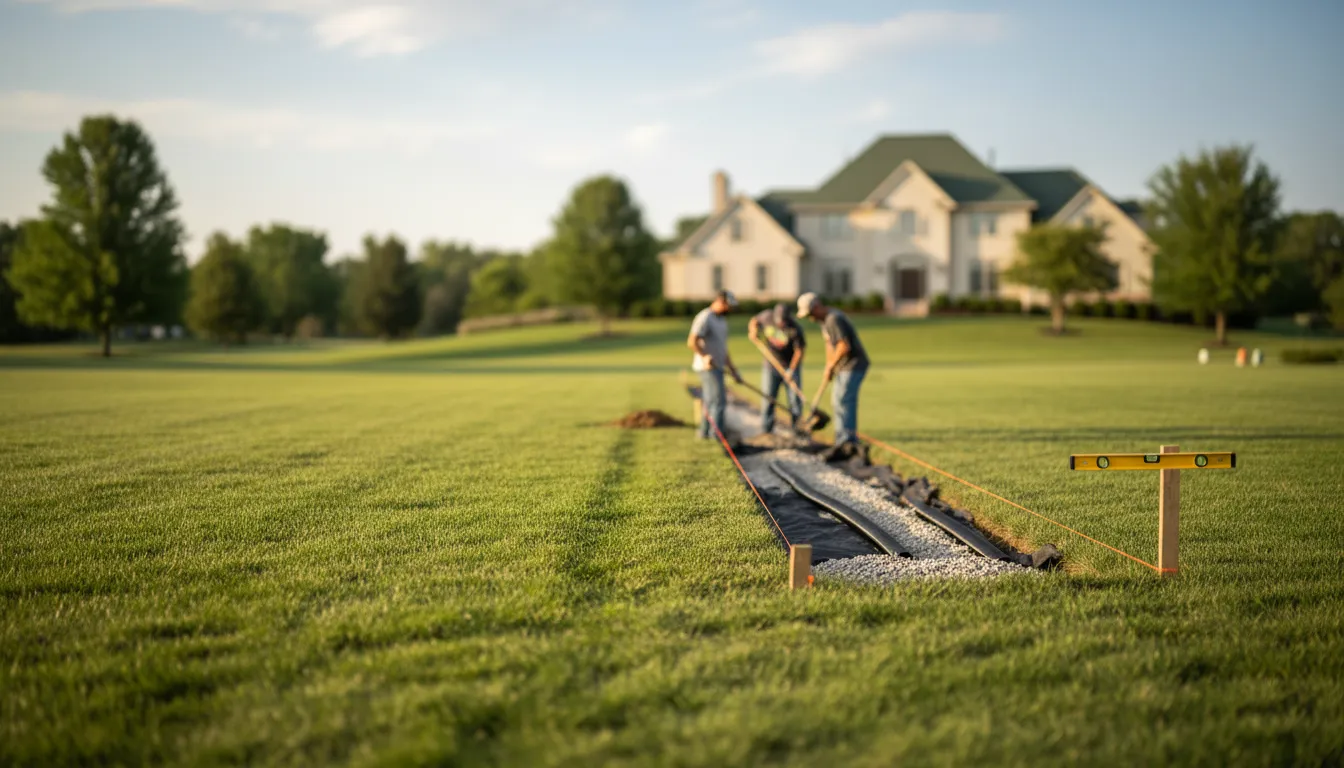
A French drain is a trench filled with gravel containing a perforated pipe wrapped in fabric. It's designed to intercept and redirect subsurface water (water soaking through the soil). They are excellent for solving soggy lawn areas, water in basements, or pooling around patios. The fabric prevents soil and roots from clogging the pipe, making it a durable, long-term solution.
Rain Gardens
A rain garden is a landscaped depression planted with native, water-tolerant plants. It's designed to capture runoff from roofs or driveways, allowing it to slowly soak into the ground while being filtered by the plants and soil. For Kansas, it's critical to use native, regionally adapted plants that can handle both periodic saturation and dry spells, ensuring the garden thrives and manages stormwater effectively 1. They are an eco-friendly solution ideal for managing runoff from downspouts in a low spot of your yard.
Catch Basins and Trench Drains
These are surface-level collection systems.
- Catch Basins: These are grated drains installed in low spots where water pools. They connect to an underground pipe that carries the water away.
- Trench Drains: These are long, narrow grated channels, often used across driveways, walkways, or patio edges to intercept surface water before it can travel to an unwanted area.
Rain Barrels
While primarily for water conservation, rain barrels can be part of a drainage strategy by capturing roof runoff at the downspout. It is crucial that they are placed on a secure, level base and have an overflow hose that directs any excess water well away from the foundation 2.
Understanding Costs for Drainage Projects in Kansas
The investment for a drainage solution varies widely based on the size of your property, the extent of the problem, and the complexity of the system installed. Here is a general overview of potential costs:
- Grading & Downspout Work: Basic regrading and adding downspout extensions typically range from $500 to $2,000 or more 3.
- French Drain Installation: Installing a French drain system can cost between $1,500 and $5,000+, depending heavily on the length and depth required 4.
- Rain Garden Installation: Creating a rain garden may cost between $500 and $3,000+, influenced by its size, the plants selected, and any necessary soil amendments.
- Comprehensive Drainage System: A full property solution combining multiple components (catch basins, piping, discharge points) can range from $3,000 to $15,000 or more for complex projects 5 6.
Kansas-Specific Resources and Standards
When planning a project, it's helpful to reference local guidelines:
- Mid-America Regional Council (MARC): Provides regional stormwater standards and best management practices that are relevant for much of eastern Kansas 7 8.
- Kansas State University Pollution Prevention Institute: Offers excellent local guidance, including detailed rain garden design and implementation guides for Kansas property owners.
Frequently asked questions
Sources
Footnotes
-
section 5: permanent stormwater runoff management - AQUALIS - https://www.aqualisco.com/wp-content/uploads/2019/08/Missouri-Water-Quality-Guide-Section-5-Permanent-Stormwater-Runoff-Management.pdf ↩
-
4 Best Types of Backyard Drainage Systems - Slot Drain - https://blog.slotdrainsystems.com/backyard-drainage-design ↩
-
8 Patio & Landscape Drainage Solutions for Kansas City Homeowners - https://highflowdrainagesolutions.com/patio-landscape-drainage-solutions/ ↩
-
Foundation Grading & Drainage | Kansas City - PolyMagic - https://www.polymagic.com/foundation-repair-grading ↩
-
Rain-Garden Design and Implementation for Kansas Property Owners - https://www.sbeap.org/sites/sbeap/files/publications/green-infrastructure/KSU-LARCP_Rain-Garden-Guidebook-lrs.pdf ↩
-
Drainage System FAQ for KC Homeowners: Top 10 Questions ... - https://www.scapesart.com/drainage-system-faq-for-kc-homeowners-top-10-questions-answered ↩
-
DIVISION V SECTION 5600 STORM DRAINAGE SYSTEMS ... - https://marc2.org/assets/MARC-APWA-Regional-Stormwater-Standards.pdf ↩
-
Stormwater Best Management Practices | MARC - https://www.marc.org/environment/environment-plans/stormwater-best-management-practices ↩