Find the Best Yard Drainage Contractors for Your Business
No obligation • Fast responses • Nationwide coverage

Why you can trust Landscape Atlas
Landscape Atlas is a leading United States resource for evaluating landscaping, lawn care, and outdoor service providers. Our team researches each category in depth, focusing on service quality, safety, and customer experience. Listings and rankings are based on independent criteria and user feedback, and companies cannot pay to influence our assessments or recommendations.
Search providers near you
Top Yard Drainage Contractors in Cuyahoga Falls, Ohio Ranked
Managing water flow on your property is a critical part of homeownership in Northeast Ohio. Effective yard drainage and grading systems are designed to protect your home's foundation, prevent basement flooding, and eliminate soggy, unusable areas of your lawn. In Cuyahoga Falls, with its varied terrain and significant rainfall, a properly designed landscape drainage plan is essential for long-term property health. This guide will help you understand the common solutions, processes, and considerations for addressing water issues, connecting you with the knowledge to find qualified local professionals for your project.
Clean N’ Green Lawn Services LLC
Cleveland, OH
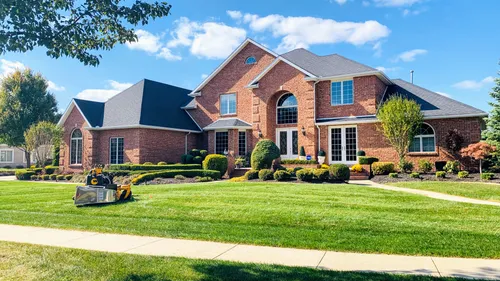
Clean N' Green Lawn Services LLC provides professional lawn care and landscaping services in Cleveland, OH. Their offerings include lawn mowing, fertilization and weed control, aeration and overseeding, yard drainage solutions, and hardscaping such as decorative concrete and retaining walls. The company serves multiple nearby communities including Brunswick, Medina, and Strongsville. Clean N' Green is fully licensed and insured, with a hands-on approach to customer service and project management.
Irrigation Incorporated
Cleveland, OH
Irrigation Incorporated is a Cleveland, OH-based company specializing in sprinkler system installation, irrigation repair, landscape lighting, yard drainage, and grading services. Established in 1998, they serve Cleveland and surrounding communities within a 30-mile radius, including Olmsted Falls, North Ridgeville, and Westlake. The company is known for its comprehensive sprinkler system services, including design, installation, maintenance, and backflow testing. They also handle drainage solutions to improve yard functionality. With over two decades of experience, Irrigation Incorporated offers expertise in installing multi-zone irrigation systems and adapting to changes in yard layouts to ensure effective water management.
The Grounds Guys of Twinsburg, OH
Cleveland, OH
The Grounds Guys of Twinsburg, OH offers comprehensive landscaping services in Cleveland, OH, including lawn mowing, fertilization, weed control, sod installation, landscape lighting, irrigation system installation and repair, hardscaping, and yard drainage solutions. They provide both residential and commercial landscape maintenance, design, and installation services tailored to local climate and customer preferences. Their capabilities include custom irrigation systems and hardscaping features such as patios, retaining walls, and fire features. The Grounds Guys emphasize sustainable landscaping options like xeriscaping and native plant palettes to reduce water use while maintaining curb appeal.
DiFranco Contractors Inc
9735 Taylor May Rd, Chagrin Falls, OH 44023
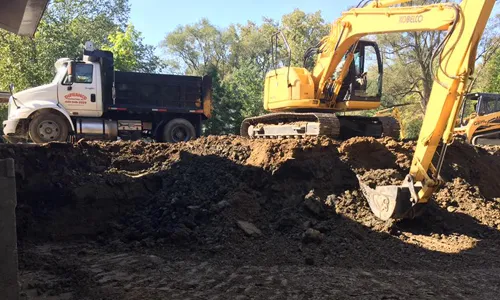
DiFranco Contractors Inc is a construction company based in Cleveland, OH, specializing in yard drainage, septic systems, concrete work, masonry, excavation, and sewer construction. Founded in 1996 by Gianni DiFranco, the company serves Northeast Ohio, including areas such as Novelty, Chagrin Falls, Chesterland, Beachwood, Pepper Pike, and Gates Mills. Their services include installation of yard drains, French drains, catch basins, and downspout lines, along with basement waterproofing, stamped concrete, and foundation repair. With over 25 years of experience, DiFranco Contractors Inc offers direct owner involvement throughout projects, ensuring consistent communication and oversight.
Treva LLC Landscaping & Snow Removal
Cleveland, OH
Treva LLC Landscaping & Snow Removal is a landscaping and yard drainage contractor based in Cleveland, OH. They focus on landscape construction services that address issues like water pooling, poor grading, soggy lawns, cracked foundations, and failing gravel pads. Their services include yard regrading, drainage system installation, gravel driveway construction, and land preparation for new projects. Founded by a solo operator with a clear vision, Treva emphasizes creating functional and protective outdoor spaces that work with the land rather than against it.
Why Proper Drainage is Critical in Cuyahoga Falls
The geography and climate of Cuyahoga Falls present unique challenges for homeowners. Situated within the Cuyahoga River Watershed, the area experiences runoff that must be carefully managed. Persistent water pooling doesn't just kill grass; it can lead to foundation cracks, mold in basements, and erosion that damages your property and potentially your neighbors'. The City of Cuyahoga Falls explicitly states that managing stormwater runoff is the responsibility of the individual landowner. This makes investing in correct grading and drainage not just a home improvement, but a necessary safeguard for your property's value and structural integrity.
Common Yard Drainage Solutions
Professional contractors in the area utilize a range of techniques to solve water problems. The right solution depends on your yard's specific issues, soil type, and topography.
Grading and Sloping
This is often the first line of defense. Grading involves reshaping the soil around your home to create a gentle slope (typically a minimum 2% grade) that directs surface water away from the foundation. It's a crucial step for preventing basement moisture and is frequently the core of any comprehensive drainage plan 1.
French Drains
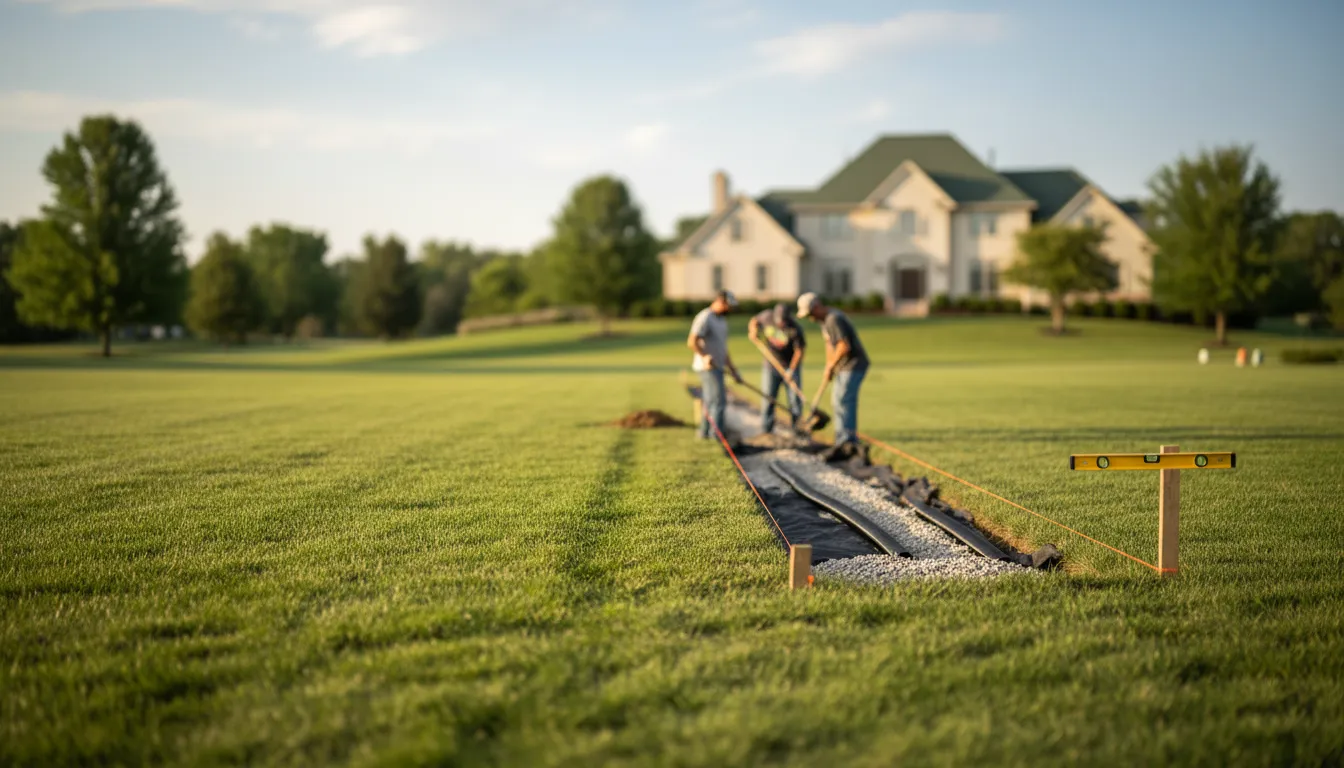
A French drain is a trench filled with gravel and a perforated pipe that collects and redirects groundwater. It's an excellent solution for chronically soggy yards or for intercepting water running down a slope before it reaches a problem area. These subsurface drains are highly effective for managing hydrostatic pressure and channeling water to a safe discharge point.
Catch Basins and Trench Drains
These solutions manage surface water. A catch basin is a grated inlet installed in a low spot, connected to an underground pipe system. It's ideal for collecting runoff from downspouts or draining puddles on driveways and patios. Trench drains are similar, often using a long, linear grate to channel water across a surface.
Dry Creek Beds and Swales
For a more natural aesthetic, dry creek beds use strategically placed rocks and gravel to create a channel that mimics a natural stream, guiding water through your landscape. Swales are shallow, vegetated ditches that slow and filter runoff. Both are effective, attractive ways to manage flow, especially in larger yards.
Dry Wells
In areas with poor soil absorption, a dry well-an underground chamber filled with gravel-can be used to collect and slowly disperse excess water from downspouts or drainage pipes into the surrounding soil.
Find the perfect yard drainage contractors for your needs
Get personalized recommendations and expert advice
The Professional Drainage Installation Process
Understanding the steps involved can help you know what to expect when working with a specialist.
- Site Assessment and Problem Identification: A professional will inspect your property during or after a rain to identify the source and path of water. They look for soggy spots, foundation dampness, and improper slopes.
- System Design and Planning: Using the assessment, the contractor designs a tailored solution. This plan determines the type of drains, their placement, slope calculations, and where water will be safely discharged in compliance with local guidelines.
- Excavation and Installation: This is the physical work: digging trenches for pipes, shaping the land for proper grading, installing basins, and laying gravel. Proper depth and slope are critical for system functionality.
- System Integration and Discharge: All components are connected. The system must tie into existing downspouts or outlet to a municipal storm drain, ditch, or a permitted area on your property where it won't cause erosion or problems for others.
- Final Landscaping and Restoration: Once pipes and structures are in place, the area is backfilled, compacted, and restored with topsoil, sod, or seed to blend the work seamlessly into your yard 2.
Understanding Project Investment
Costs for drainage work in Cuyahoga Falls vary widely based on the solution's complexity and the yard's size. Here's a general breakdown based on regional data:
- Minor Grading Adjustments: For correcting slope in a specific area, projects can start from $500 to $2,000 or more.
- French Drains: Typically cost $10 to $50 per linear foot, with total projects often ranging from $2,000 to $7,000 on average.
- Catch Basins: Each unit can cost $200 to $500, with installation for a multi-basin system ranging from $600 to over $2,000.
- Dry Wells: Installing a single dry well unit generally falls between $1,000 and $4,800+.
- Complete System Overhaul: For a full property regrading combined with multiple drainage features, total costs can range from $2,000 to $6,400 for typical corrections, and can exceed $15,000 for extensive, complex projects involving significant earthmoving and multiple systems 3.
Local Regulations and Watershed Considerations
When planning drainage work, it's important to be aware of the local context. Summit County conducts stormwater studies and provides guidelines, particularly for the Cuyahoga River Watershed, to manage runoff and protect water quality 4. As mentioned, the City of Cuyahoga Falls places the responsibility for on-property stormwater management squarely on the homeowner 5. A reputable contractor will understand these parameters and ensure your system's discharge point is appropriate and does not negatively impact neighboring properties or public infrastructure.
Maintaining Your Drainage System
A well-installed system requires minimal but important maintenance:
- Regular Inspection: Check grates on catch basins and the outlets of drain pipes after heavy storms to ensure they are clear.
- Keep It Clear: Prevent soil, mulch, and leaves from washing into or covering drain grates and dry creek beds.
- Monitor Performance: After installation, watch how your yard handles subsequent rainfalls. Small adjustments may sometimes be needed.
Investing in professional yard drainage and grading is an investment in your home's longevity, safety, and usability. By addressing water issues directly, you protect your foundation, reclaim your outdoor space, and fulfill your responsibility as a property owner in Cuyahoga Falls.
Frequently asked questions
Sources
Footnotes
-
Grading & Drainage Basics for Residential Landscaping in North ... - https://www.honeycutt-landscaping-inc.com/grading-and-drainage-in-residential-yard-design/ ↩
-
12 Residential Backyard Drainage Solutions - Protect Your Yard - https://wilsonslawncare.com/12-residential-backyard-drainage-solutions/2024/ ↩
-
Landscape Grading and Drainage Costs - https://www.whiteshovel.com/blog/landscape-grading-and-drainage-costs ↩
-
Cuyahoga River Watershed Study - Summit County Engineer - https://www.summitengineer.net/files/33588/file/cuyahogariverwatershedstudy_finalreport_signed_v2_2025-06-20.pdf ↩
-
Stormwater | City of Cuyahoga Falls - https://www.cityofcf.com/departments/stormwater ↩