Find the Best Yard Drainage Contractors for Your Business
No obligation • Fast responses • Nationwide coverage

Why you can trust Landscape Atlas
Landscape Atlas is a leading United States resource for evaluating landscaping, lawn care, and outdoor service providers. Our team researches each category in depth, focusing on service quality, safety, and customer experience. Listings and rankings are based on independent criteria and user feedback, and companies cannot pay to influence our assessments or recommendations.
Search providers near you
Top Yard Drainage Contractors in Strongsville, Ohio Ranked
Proper yard drainage and grading are essential for protecting your Strongsville home from water damage. Ohio's heavy rainfall can lead to soggy lawns, foundation issues, and flooded basements if water isn't managed correctly. This guide explains the core solutions for effective runoff management, helping you understand the process and connect with local professionals who can assess your property and implement a lasting fix.
Clean N’ Green Lawn Services LLC
Cleveland, OH
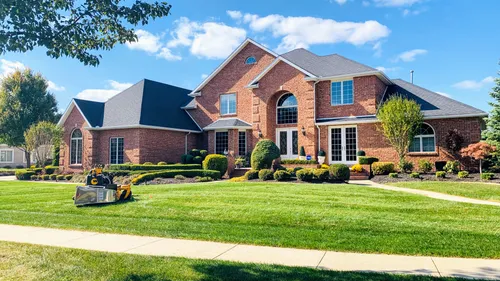
Clean N' Green Lawn Services LLC provides professional lawn care and landscaping services in Cleveland, OH. Their offerings include lawn mowing, fertilization and weed control, aeration and overseeding, yard drainage solutions, and hardscaping such as decorative concrete and retaining walls. The company serves multiple nearby communities including Brunswick, Medina, and Strongsville. Clean N' Green is fully licensed and insured, with a hands-on approach to customer service and project management.
Irrigation Incorporated
Cleveland, OH
Irrigation Incorporated is a Cleveland, OH-based company specializing in sprinkler system installation, irrigation repair, landscape lighting, yard drainage, and grading services. Established in 1998, they serve Cleveland and surrounding communities within a 30-mile radius, including Olmsted Falls, North Ridgeville, and Westlake. The company is known for its comprehensive sprinkler system services, including design, installation, maintenance, and backflow testing. They also handle drainage solutions to improve yard functionality. With over two decades of experience, Irrigation Incorporated offers expertise in installing multi-zone irrigation systems and adapting to changes in yard layouts to ensure effective water management.
Doskoch Lawn Care & Landscaping Services
605 Clague Rd, Bay Village, OH 44140
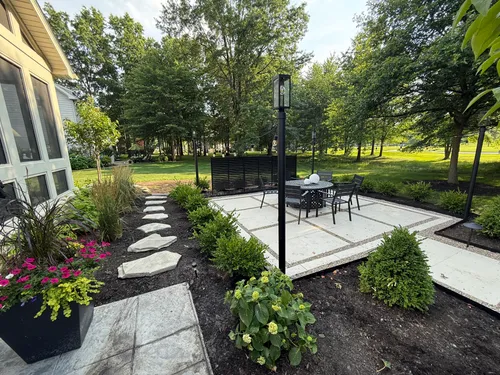
Doskoch Lawn Care & Landscaping Services provides full landscaping and snow removal services to residential and commercial customers in Cleveland, OH, and surrounding suburbs. Since 2018, they have offered year-round property maintenance including lawn mowing, spring and fall cleanups, weed control, sod installation, hardscaping, landscape lighting, and snow and salt management. Their expertise includes grading and sod installation to ensure proper drainage and a healthy lawn. Doskoch serves multiple communities such as Avon, Bay Village, Lakewood, and Westlake, offering comprehensive outdoor care throughout the year.
The Grounds Guys of Twinsburg, OH
Cleveland, OH
The Grounds Guys of Twinsburg, OH offers comprehensive landscaping services in Cleveland, OH, including lawn mowing, fertilization, weed control, sod installation, landscape lighting, irrigation system installation and repair, hardscaping, and yard drainage solutions. They provide both residential and commercial landscape maintenance, design, and installation services tailored to local climate and customer preferences. Their capabilities include custom irrigation systems and hardscaping features such as patios, retaining walls, and fire features. The Grounds Guys emphasize sustainable landscaping options like xeriscaping and native plant palettes to reduce water use while maintaining curb appeal.
DiFranco Contractors Inc
9735 Taylor May Rd, Chagrin Falls, OH 44023
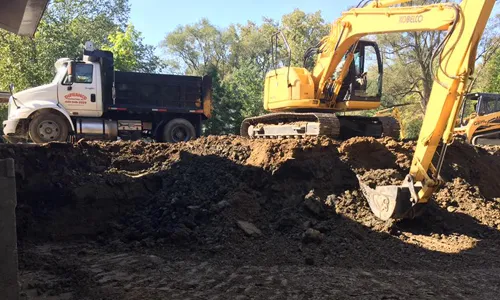
DiFranco Contractors Inc is a construction company based in Cleveland, OH, specializing in yard drainage, septic systems, concrete work, masonry, excavation, and sewer construction. Founded in 1996 by Gianni DiFranco, the company serves Northeast Ohio, including areas such as Novelty, Chagrin Falls, Chesterland, Beachwood, Pepper Pike, and Gates Mills. Their services include installation of yard drains, French drains, catch basins, and downspout lines, along with basement waterproofing, stamped concrete, and foundation repair. With over 25 years of experience, DiFranco Contractors Inc offers direct owner involvement throughout projects, ensuring consistent communication and oversight.
Why Strongsville Homes Need Effective Drainage Solutions
The climate in Northeast Ohio presents a significant challenge for homeowners. Persistent rain and melting snow can overwhelm a yard's natural ability to absorb and direct water. Without a proper drainage plan, this excess moisture pools in low spots, saturates the soil around your foundation, and can eventually seep into your basement or crawl space. Investing in landscape drainage isn't just about fixing a muddy patch; it's a critical measure to preserve your home's structural integrity, prevent mold growth, and maintain a usable outdoor space throughout the year. Effective water management starts with a professional assessment to identify the specific vulnerabilities of your property.
Core Components of a Drainage System
A comprehensive water management strategy often combines several elements to address both surface water and subsurface saturation. Here are the fundamental components professionals use to solve drainage problems.
Regrading and Swales
Grading is the process of reshaping the soil's contour to create a gentle slope that directs surface water away from your home's foundation. It's frequently the first and most impactful step in solving drainage issues. A swale is a shallow, grassy ditch designed to channel water across your yard to a safe discharge point, like a storm drain or a dry well. These solutions are ideal for correcting minor pooling and ensuring surface runoff flows in the intended direction.
Subsurface Drainage: French Drains and Dry Wells
For water that soaks into the ground, subsurface systems are necessary. A French drain is a trench filled with gravel and containing a perforated pipe. It intercepts groundwater and redirects it away from problem areas, making it highly effective for chronically soggy lawns or yards with high water tables 1. The collected water is often routed to a dry well, which is an underground pit filled with gravel. This structure stores water temporarily, allowing it to percolate slowly back into the surrounding soil without causing erosion or flooding elsewhere.
Surface Water Collection: Catch Basins and Trench Drains
In areas where water collects on hard surfaces like driveways, patios, or low spots in the lawn, catch basins (also called drain inlets) are used. These are grates set into the ground that connect to a buried pipe system, swiftly capturing surface runoff and piping it away. Trench drains are similar but consist of a long, narrow channel with a grate, perfect for managing water runoff along the edges of paved areas or garage aprons.
Downspout Management
A major source of water near your foundation is your roof. Simply discharging downspouts onto the ground next to your house can undermine all other drainage efforts. Downspout extensions, whether above-ground or buried underground and connected to a drainage pipe, are a crucial and relatively simple upgrade. They ensure roof water is carried a sufficient distance away from the foundation before being released.
Find the perfect yard drainage contractors for your needs
Get personalized recommendations and expert advice
The Professional Drainage Installation Process
Understanding the steps a contractor will take can help you know what to expect and ensure the project runs smoothly. A proper installation follows a logical sequence from diagnosis to completion.
-
Site Assessment and Diagnosis: A reputable professional will start by inspecting your yard during or after a rain event to identify where water pools, flows, and originates. They will look for signs like eroded soil, damp foundation walls, or standing water. This step determines the root cause, whether it's improper slope, subsurface springs, or concentrated runoff from neighboring properties.
-
System Design and Planning: Based on the assessment, the contractor will design a tailored solution. This plan outlines the placement of regraded areas, the routing of French drain trenches, the locations for catch basins and dry wells, and the integration of downspout extensions. A good design considers the entire property as a system to move water from collection points to safe discharge areas.
-
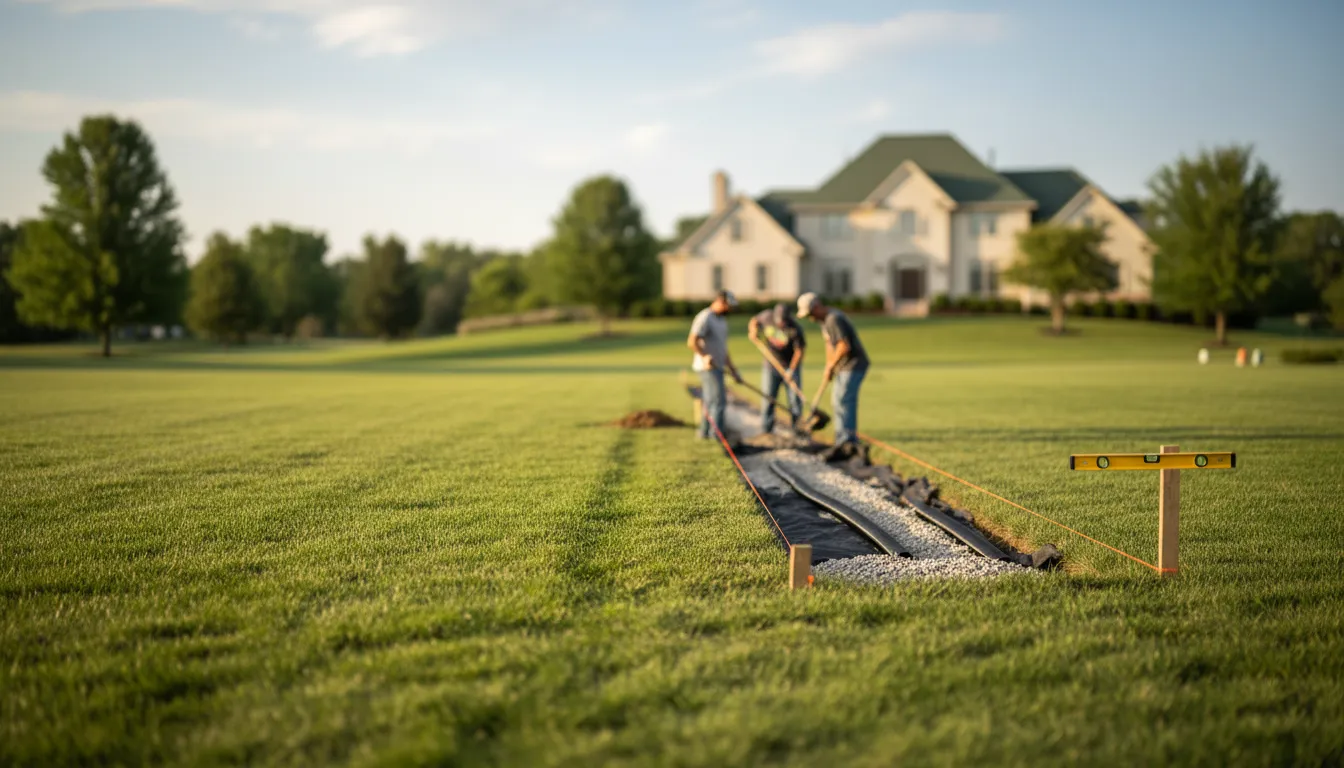
Excavation and Earthwork: This is the most labor-intensive phase. Using machinery like mini-excavators or trenchers, the crew will dig trenches for drainage pipes, holes for dry wells and catch basins, and move soil to achieve the new, proper grade. They will carefully work around existing landscaping, utilities, and tree roots.
-
Pipe and Component Installation: Perforated pipes are laid in French drain trenches atop a bed of gravel, then covered with more gravel and a filter fabric to prevent clogging. Solid pipes are used to connect catch basins and downspouts. All components are assembled, connected, and sloped precisely to ensure water flows via gravity.
-
Backfilling and Restoration: Once the system is in place and tested, trenches are backfilled. Topsoil is replaced and graded smoothly over subsurface drains. The contractor will then reseed sod or restore any affected landscaping to blend the work into your existing yard.
-
Final Inspection and Demonstration: A thorough contractor will review the completed system with you, demonstrating how each part functions and showing where water is being directed. They should ensure the yard surface is even and that all components are functioning correctly before considering the project complete.
Understanding Investment and Cost Factors
The cost for drainage and grading work in Strongsville varies widely, as it is highly dependent on the size of your yard, the complexity of the problem, and the solutions required. Here's a general breakdown of what you might expect:
- Minor Grading or Swale Creation: Correcting the slope of a specific area typically ranges from $500 to $3,000.
- French Drains: Installed costs generally run between $10 to $75 per linear foot, depending on depth, materials, and site accessibility.
- Catch Basins: Each basin, including installation, can cost between $200 and $2,000, with material (plastic vs. concrete) being a key factor.
- Dry Wells: These are more significant installations, with each unit typically costing between $1,600 and $4,800.
- Complete System Installation: For a whole-yard solution combining several elements, homeowners should budget between $2,000 and $10,000 or more 2 3.
It's important to note that Strongsville's specific soil conditions-which can range from clay to loam-directly impact both the necessary solution and the final price. Clay soil drains poorly and may require more extensive systems, while sandy soil may absorb water more easily. Always consult with local landscapers or drainage specialists for precise, site-specific quotes that account for these variables.
Maintaining Your Drainage System
After investing in a professional drainage system, simple maintenance will ensure it functions for years to come. Periodically inspect catch basin grates and clear away leaves, grass clippings, and debris to prevent blockages. Check the outlets of your downspout extensions and drainage pipes to ensure they are clear and discharging water freely. After heavy storms, walk your property to look for new areas of pooling that might indicate a clog or shift in the system. A well-designed and maintained drainage system is a long-term safeguard for your home.
Frequently asked questions
Sources
Footnotes
-
Tailored Drainage Solutions for Sloped Yards | Rainscapes - https://rainscapes.com/tailored-drainage-solutions-for-sloped-yards/ ↩
-
Landscape Grading and Drainage Costs - https://www.whiteshovel.com/blog/landscape-grading-and-drainage-costs ↩
-
How Much Does Land Grading Cost in 2026? - Lawn Love - https://lawnlove.com/blog/land-grading-cost/ ↩