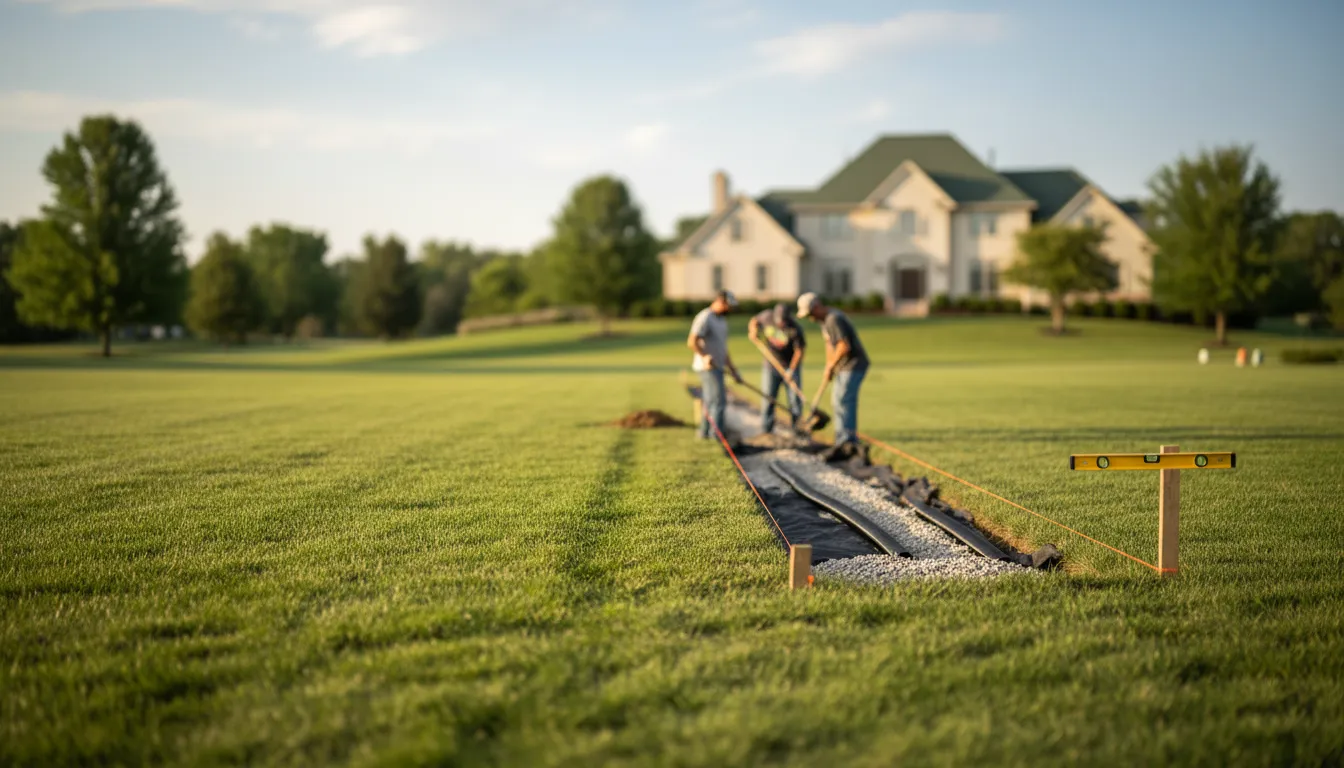
Find the Best Yard Drainage Contractors for Your Business
No obligation • Fast responses • Nationwide coverage
Why you can trust Landscape Atlas
Landscape Atlas is a leading United States resource for evaluating landscaping, lawn care, and outdoor service providers. Our team researches each category in depth, focusing on service quality, safety, and customer experience. Listings and rankings are based on independent criteria and user feedback, and companies cannot pay to influence our assessments or recommendations.
Search providers near you
Top Yard Drainage Contractors in Brentwood, Tennessee Ranked
Effective yard drainage and grading are essential for protecting your Tennessee home from water damage. The state's heavy rainfall and common clay soils can lead to foundation issues, basement flooding, and landscape erosion if water isn't properly managed. This guide explains the local considerations and proven solutions, helping you identify the right strategies and connect with qualified local specialists to safeguard your property.
Nashville Dirt Works, LLC
Nashville, TN
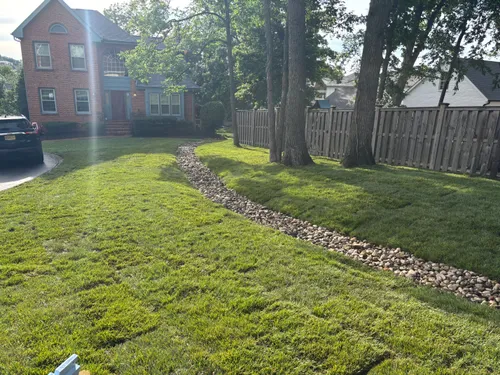
Nashville Dirt Works, LLC is a landscaping company based in Nashville, TN, serving White House, Hendersonville, Brentwood, and surrounding areas. They offer a range of services including sod installation, landscape design, yard drainage, and grading to prepare land for construction or improve existing landscapes. With over 10 years of experience, the company is fully licensed and insured, using professional equipment and industry best practices to complete projects. Their service area includes Davidson, Sumner, Robertson, Wilson, and Williamson counties.
All Terrain Land Clearing and Brush Control
Nashville, TN
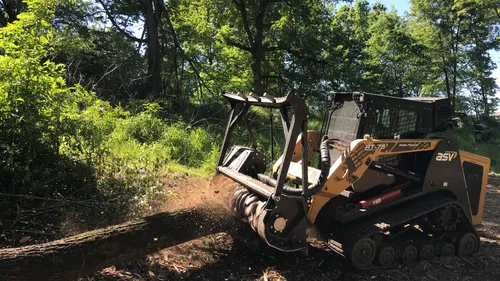
All Terrain Land Clearing and Brush Control is a family-owned business based in Nashville, TN, specializing in land clearing, brush control, forestry mulching, excavating, grading, and stump grinding. Owner-operator Austin Comes brings extensive experience with heavy equipment to each project, ensuring careful attention to detail. The company serves Nashville and surrounding areas including Franklin and Brentwood, offering services such as site preparation, driveway installation, utility trenching, and culvert installation. Their forestry mulching capability allows them to clear large dead trees and stumps efficiently while returning nutrients to the soil and reducing erosion. All Terrain Land Clearing uses proprietary equipment rather than brush cutters, resulting in smoother, more manageable cleared land. They have a strong focus on environmentally friendly land management and do not rely on hauling away debris or burning. The business emphasizes personalized service with Austin personally overseeing each job.
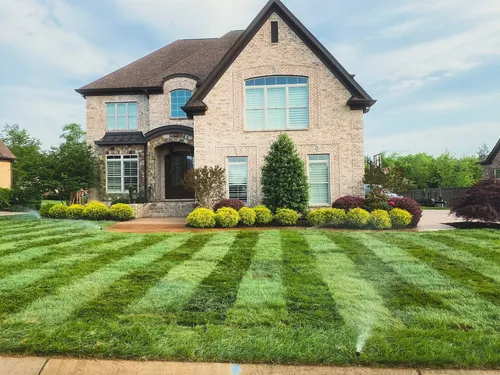
TruePoint Land Management
1803 Murfreesboro Rd, Lebanon, TN 37090
TruePoint Land Management is a lawn care company based in Nashville, TN, specializing in sod installation, irrigation systems, hydroseeding, and yard drainage services. They serve residential and commercial clients across Nashville and surrounding communities including Brentwood, Franklin, Murfreesboro, Spring Hill, Lebanon, and Mount Juliet. TruePoint installs various types of sod such as tall fescue, bermudagrass, and zoysia, using fresh turf sourced from trusted local farms to ensure healthy, durable lawns. Their services include thorough site preparation with grading and soil amendments, as well as irrigation system installation to support sod health and growth. Hydroseeding is also offered for large or sloped areas to promote faster grass establishment and erosion control.
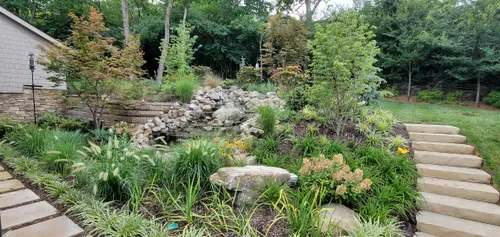
Green Ventures Landscaping
9310 Franklin Rd, Murfreesboro, TN 37128
Green Ventures Landscaping is a full-service landscaping company based in Nashville, TN. They offer a wide range of services including lawn mowing, sod installation, artificial turf, landscape lighting, design, tree removal, yard drainage, sprinkler installation and repair, land clearing, and hardscaping such as pavers and retaining walls. The company is known for handling projects from design through installation, managing scheduling and materials to complete jobs efficiently. Green Ventures also provides custom drainage solutions to address water issues effectively. With over 16 years of experience, they have built a reputation for thorough and attentive service. The company is family-owned and locally operated, with a focus on customer satisfaction and clear communication throughout each project.
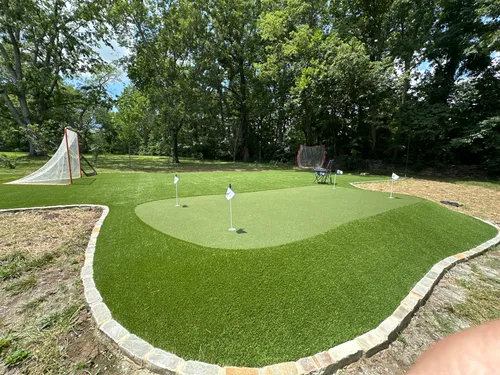
Grass!365 Nashville
Nashville, TN
Grass!365 Nashville is a certified artificial grass installation company serving Nashville, TN, and the surrounding Middle Tennessee area including Davidson, Williamson, Wilson, and Sumner counties. They specialize in synthetic turf for residential and commercial properties, including playgrounds, sports fields, putting greens, and pet-friendly lawns. Their installations use SealTuft technology, which provides superior drainage and durability for high-traffic areas. With over a decade of experience in the region, Grass!365 Nashville is led by Kent McMillin, a local resident and certified turf installer who oversees in-house crews to ensure quality results.
Why Drainage is Critical in Tennessee
Tennessee's climate and geology create unique challenges for property owners. Understanding these factors is the first step toward an effective solution.
Heavy Rainfall and Stormwater: The state receives significant rainfall throughout the year. This volume of water generates substantial runoff, which can overwhelm poorly managed landscapes, leading to pooling, erosion, and increased pollution in local waterways 1. Effective systems are designed to handle these peak flows.
Problematic Soil Conditions: Clay soils are prevalent across much of Tennessee. While stable when dry, clay has poor permeability, meaning it becomes saturated quickly and drains very slowly. This saturation increases hydrostatic pressure against foundation walls and turns yards into muddy quagmires, making subsurface drainage solutions like French drains particularly important.
Foundation Protection Codes: Proper grading is not just a recommendation-it's often a building code requirement. Standards, such as the International Residential Code, specify that the ground must slope away from the foundation a minimum of 6 inches within the first 10 feet. This fundamental practice is your home's first and most crucial defense against water intrusion and structural damage.
Common Drainage and Grading Solutions
A range of techniques exists to manage water, from simple DIY adjustments to complex engineered systems. The right approach depends on your property's specific issues.
Grading and Re-Grading: This involves shaping the soil's contour to create a slope that directs surface water away from structures. Proper grading is the cornerstone of any drainage plan. For existing homes, re-grading may be necessary to correct settling or improper initial work, focusing on achieving that critical slope away from the foundation.
Downspout and Gutter Management: Your roof collects a massive amount of water. Simply discharging it at the base of your home defeats the purpose of any other drainage work. Effective management includes keeping gutters clean and extending downspouts 4 to 6 feet away from the house using above-ground extensions or buried drain pipes that channel water to a safe discharge point.
Surface Drainage Systems: These solutions collect water from low spots, patios, and driveways.
- Catch Basins: These are grated inlets installed in low areas that connect to a buried pipe network, intercepting surface water before it can pool.
- Swales: These are broad, shallow, vegetated channels designed to gently guide surface runoff across your property, often toward a street or drainage ditch. They are a more natural-looking alternative to concrete channels.
Subsurface Drainage Systems: When water is soaking into the ground and causing problems below the surface, these systems are key.
- French Drains: A perforated pipe is laid in a gravel-filled trench. Water from the saturated soil enters the pipe through the holes and is carried away. French drains are excellent for relieving hydrostatic pressure around foundations and drying out soggy yards.
- Channel Drains: Often used along driveways or walkways, these are long, narrow surface drains that capture water flowing across a paved area.
Sustainable Stormwater Management: These solutions manage water by absorbing and filtering it on-site.
- Rain Gardens: A depression planted with deep-rooted native plants collects runoff from a roof or yard. The garden allows water to infiltrate the soil slowly, filtering out pollutants and recharging groundwater-a beautiful and eco-friendly solution.
- Dry Wells: An underground structure filled with gravel that collects water from downspouts and allows it to percolate slowly into the surrounding soil.
Find the perfect yard drainage contractors for your needs
Get personalized recommendations and expert advice
Understanding Costs for Drainage Work in Tennessee
Project costs vary widely based on complexity, materials, and property size. Here's a general overview of what you might expect for common drainage improvements in Tennessee:
- Downspout Extensions & Splash Blocks: The most affordable fix, typically ranging from $50 to $200 per downspout for materials and basic installation 2.
- Simple Grading/Re-Grading: For correcting the slope in a specific area near your foundation, costs can range from $200 to $800, depending on the amount of soil moved and labor involved.
- French Drain or Catch Basin System: For a professionally installed system involving trenching, gravel, pipe, and labor, homeowners can expect to invest between $1,000 and $4,000 or more. The final price depends heavily on the linear footage of drain needed and the depth of excavation 3 4.
- Rain Garden Installation: Creating a functional and landscaped rain garden can cost between $300 and $1,500+, influenced by its size, the plants selected, and whether soil amendments are needed 5 6.
- Comprehensive Drainage Plan: For properties with severe or multiple issues, a professional may design a full system combining several solutions. These projects are custom and can cost several thousand dollars but provide a complete, long-term resolution.
Key Steps to Protect Your Home
Taking proactive steps can prevent minor issues from becoming major, costly repairs.
- Inspect and Clean Gutters Regularly: Ensure your gutters are free of debris so they can channel roof water efficiently to the downspouts.
- Implement Downspout Extensions: This is a simple, high-impact upgrade. Move the discharge point as far from your foundation as practically possible 7.
- Check Your Property's Grade: After a heavy rain, look for standing water or areas where water flows toward your home. Use a level to check if the ground slopes away properly.
- Consider a Rain Garden: If you have a consistently wet area, transforming it into a rain garden can solve the problem while adding landscape beauty and environmental benefit.
- Consult a Specialist for Complex Issues: For persistent flooding, soggy lawns, or signs of foundation movement, seek a professional assessment. Getting multiple quotes for a full system is the best way to understand your options and investment.
Frequently asked questions
Sources
Footnotes
-
Tennessee Permanent Stormwater Management and Design ... - https://lewisburgtn.gov/wp-content/uploads/2022/11/Permanent-Stormwater-Management-Design-Guidance-Manual.pdf ↩
-
Understanding Your Grading and Drainage Plan: A Guide - https://www.elmid.ca/understanding-your-grading-and-drainage-plan-a-guide/ ↩
-
Yard Drainage 101: Protect Your Tennessee Home's Foundation - https://affordablefoundationfix.com/blog/yard-drainage-tennessee-foundation/ ↩
-
5 Effective Methods of Managing Urban Stormwater Runoff - https://www.pathlightpro.com/5-effective-methods-of-managing-urban-stormwater-runoff/ ↩
-
10 Things You Can Do to Prevent Stormwater Runoff Pollution - https://www.farmington-ct.org/departments/engineering/stormwater/10-things-to-prevent-stormwater-pollution ↩
-
Control Heavy Runoff - Solving Drainage and Erosion Problems - https://www.fairfaxcounty.gov/soil-water-conservation/drainage-problem-control-runoff ↩
-
2021 International Residential Code (IRC) - R401.3 Drainage. - https://codes.iccsafe.org/s/IRC2021P3/chapter-4-foundations/IRC2021P3-Pt03-Ch04-SecR401.3 ↩