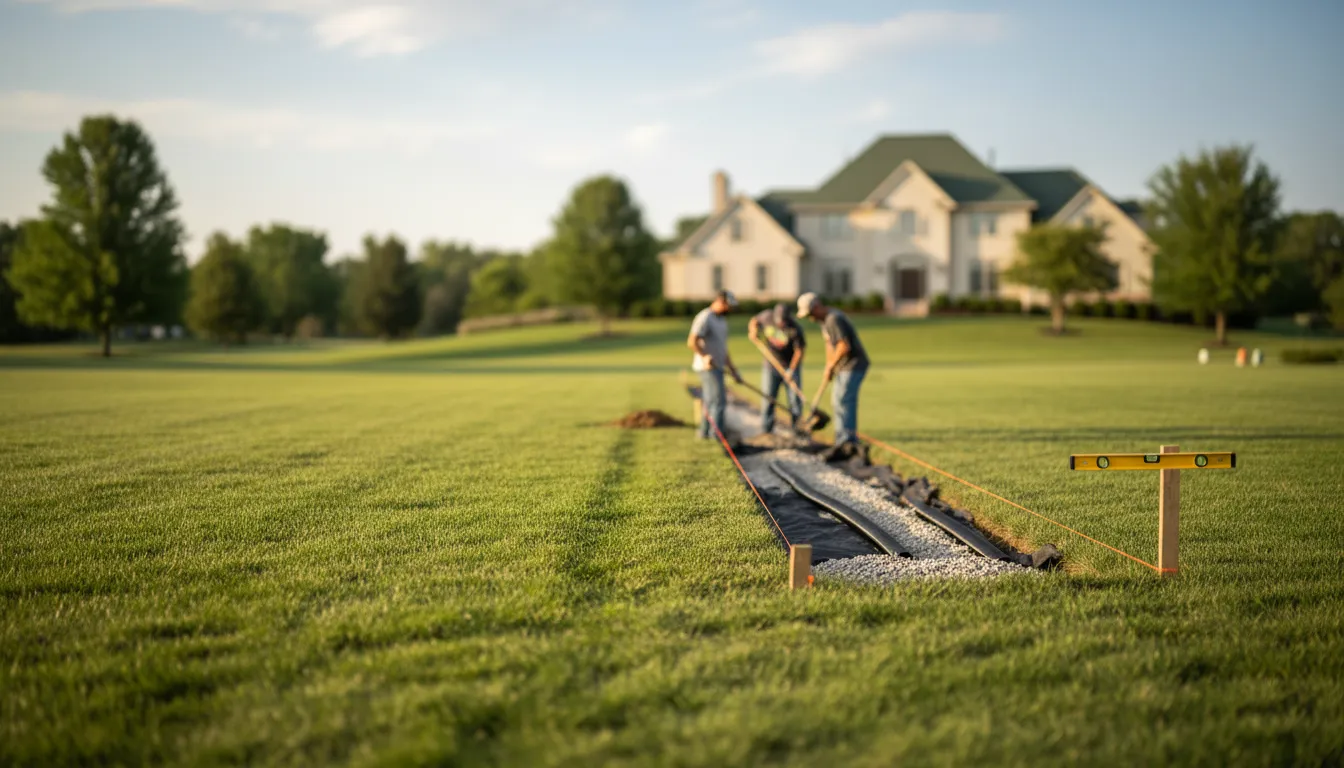
Find the Best Yard Drainage Contractors for Your Business
No obligation • Fast responses • Nationwide coverage

Why you can trust Landscape Atlas
Landscape Atlas is a leading United States resource for evaluating landscaping, lawn care, and outdoor service providers. Our team researches each category in depth, focusing on service quality, safety, and customer experience. Listings and rankings are based on independent criteria and user feedback, and companies cannot pay to influence our assessments or recommendations.
Search providers near you
Best Yard Drainage Contractors in Virginia Ranked
Proper yard drainage and grading are essential for protecting your Virginia home from water damage, managing stormwater runoff, and preserving your landscape. Ineffective drainage can lead to foundation cracks, basement flooding, soil erosion, and mosquito breeding grounds. This guide explains the core principles of managing water on your property, from basic grading to advanced solutions like French drains and rain gardens, and how to connect with local experts who understand Virginia's specific climate and regulations.
Altizer Lawn & Landscape LLC
Richmond, VA
Altizer Lawn & Landscape LLC is a licensed and insured lawn care and landscaping company based in Richmond, VA. They offer a wide range of services including lawn mowing, fertilization, weed control, yard drainage, grading, land clearing, hardscaping with pavers and retaining walls, and stormwater management to protect home foundations. The company is certified in pesticide, herbicide, and fertilizer application and provides excavation and gravel driveway installation and maintenance. Founded and operated by Britt Altizer, a Richmond resident with a background in Environmental Studies and Urban Planning, the business emphasizes creative solutions and skilled workmanship.
Meadow Lawn & Pest
21401 Brewers Neck Blvd, Carrollton, VA 23314
Meadow Lawn & Pest is a family-owned lawn care and pest control company serving Norfolk, VA, and surrounding areas including Carrollton, Smithfield, and Newport News. Established in 2008, they offer a range of services such as lawn mowing, fertilization, weed control, irrigation and sprinkler repair, landscaping, tree removal, and landscape lighting installation. Their team is licensed, certified, and insured, providing expertise in both indoor and outdoor pest control as well as yard drainage solutions. With over 16 years of experience, Meadow Lawn & Pest emphasizes consistent quality through regular maintenance and staff training.
Aubrey's Tree Service & Landscaping
630 Carter Rd, Chesapeake, VA 23322
Aubrey's Tree Service & Landscaping is a family-owned business serving Chesapeake, VA, and the Hampton Roads area for over 25 years. They offer a wide range of services including tree removal, stump grinding, landscape design and installation, hardscaping, sod installation, irrigation, drainage system installation, and lot clearing. Their team is certified by OSHA and ISA and provides 24/7 emergency tree services to address urgent needs promptly. With extensive experience and comprehensive capabilities, they handle projects from concept to completion, including commercial and residential properties.
Easton Outdoors
550 Wythe Creek Rd, Poquoson, VA 23662
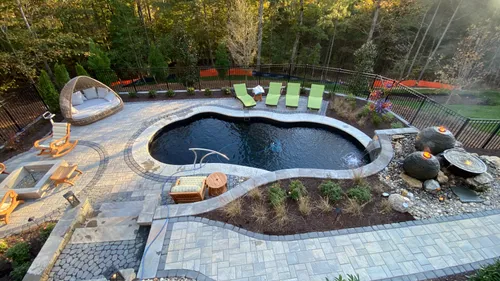
Easton Outdoors is a landscaping and hardscaping company based in Virginia Beach, VA. They offer services including landscape design, yard drainage, grading, and the construction of patios, retaining walls, and koi ponds. With decades of combined experience, they focus on creating functional and attractive outdoor spaces tailored to client visions. Their capabilities include comprehensive drainage solutions to improve yard performance.
Miller Irrigation & Landscape Lighting
5803 Staples Mill Rd, Henrico, VA 23228
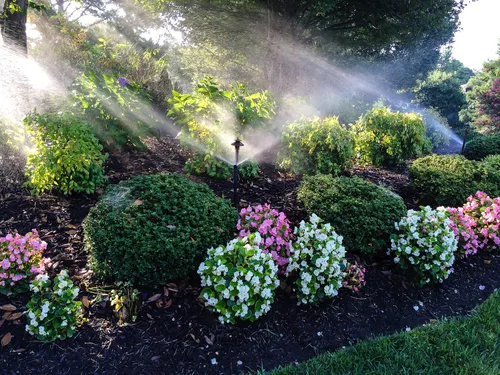
Miller Irrigation & Landscape Lighting is a Richmond, VA-based company offering comprehensive outdoor solutions including sprinkler installation and repair, yard drainage, grading, and landscape lighting. They specialize in creating efficient irrigation systems tailored to maintain healthy lawns without water waste, as well as installing drainage systems to prevent water pooling and protect properties. The company also enhances outdoor spaces with professionally installed lighting that adds safety and ambiance. Serving Richmond and nearby communities such as Chesterfield, Henrico, Midlothian, and Glen Allen, Miller Irrigation focuses on fast, precise service and customer satisfaction.
Why Drainage is Critical in Virginia
Virginia's climate and geology present unique challenges for property owners. The state experiences intense rainfall events, particularly during summer thunderstorms and tropical systems, which can deposit large volumes of water in short periods. This heavy rainfall necessitates systems designed to handle high flow volumes to prevent erosion and protect against localized flooding.
Furthermore, parts of Virginia, especially in the Valley and Ridge region, are underlain by karst geology-limestone bedrock that is susceptible to forming sinkholes. In these areas, improper drainage that directs water toward subsurface cavities can accelerate erosion and potentially lead to ground collapse, making professional assessment and careful planning imperative.
Finally, a significant portion of Virginia lies within the Chesapeake Bay Watershed. Protecting water quality is a statewide priority, meaning drainage solutions should be designed not just to move water, but to filter pollutants like fertilizers, oils, and sediment before they enter storm drains and local waterways 1.
Core Principles of Effective Drainage
The goal of any residential drainage plan is to replicate natural water flow, directing runoff away from structures and safely dispersing it into the ground or toward a suitable outlet. Several key principles form the foundation of a sound system.
Positive Grading: This is the first and most crucial line of defense. The ground should slope away from your home's foundation on all sides. Virginia guidelines often recommend a minimum slope of 5% (a 5-foot drop over 100 feet) for at least the first 10 feet from the foundation 2 3. This "positive grade" ensures surface water flows away from your home, not toward it.
Minimizing Impervious Surfaces: Reducing the amount of non-porous cover like concrete and asphalt on your property allows rainwater to soak into the ground naturally. Using permeable pavers for patios or driveways, or simply reducing paved areas, can significantly decrease the volume of runoff you need to manage 4 5.
Controlling Roof Runoff: A significant amount of water collects on your roof. Downspouts should discharge water at least 5 to 10 feet away from the foundation, using extensions, splash blocks, or, ideally, buried drain pipes that lead to a safe discharge point.
Common Drainage & Grading Solutions
When positive grading alone isn't enough, integrated solutions are required. The right approach depends on your property's topography, soil type, and specific water problems.
Regrading and Surface Contouring
This involves reshaping the land's surface to create the proper slopes and direct water flow. Professionals may create swales-broad, shallow, vegetated ditches-to channel water across a yard. Swales are often paired with berms, which are raised mounds of soil used to redirect water flow. These are effective for managing surface runoff across lawns and landscaped areas.
Subsurface Drainage: French Drains
For issues with soggy lawns, water in crawl spaces, or persistent dampness near foundations, a French drain is a standard solution. It consists of a trench filled with gravel and containing a perforated pipe, which collects groundwater and subsurface water and carries it away from the problem area. The pipe should be sloped and ideally outlet to a dry well, storm drain, or daylight in a lower, safe part of the property. The cost varies based on length, depth, and materials.
Stormwater Best Management Practices (BMPs)
These are landscape features designed to manage runoff volume and quality.
- Rain Gardens (Bioretention): A rain garden is a depressed area planted with native, water-tolerant plants. It is designed to capture runoff from roofs or driveways, allowing it to pool and slowly infiltrate into the soil. The plants and soil filter pollutants, making this an eco-friendly solution that also adds beauty to your landscape. Installation costs can range widely based on size and complexity.
- Dry Wells and Infiltration Trenches: These are underground structures filled with gravel or stone that collect water from downspouts or drains and allow it to percolate slowly into the surrounding soil.
Find the perfect yard drainage contractors for your needs
Get personalized recommendations and expert advice
Navigating Virginia's Rules and Regulations
Before starting a significant drainage project, it's important to understand local requirements. Virginia's Department of Environmental Quality (DEQ) manages the state's stormwater program, and local counties and cities often have additional ordinances 6 7.
Land Disturbance Permits: Many localities, such as Fairfax County, require a permit for land disturbance exceeding a certain area (e.g., 2,500 square feet) 8. A regrading project that moves a large amount of soil may trigger this requirement. The permit process typically involves submitting a site plan that shows how stormwater will be managed during and after construction.
Chesapeake Bay Preservation Act: If your property is in a designated Chesapeake Bay Preservation Area, stricter rules apply to limit runoff and pollution. Your local planning department can provide specific guidance.
Erosion and Sediment Control: Any grading work must include measures to prevent soil from leaving your property and entering streets or streams. This often involves installing silt fencing or other temporary controls during construction 9.
The Professional Assessment Process
Given these complexities, a professional assessment is highly recommended for any drainage issue beyond simple downspout extension. A qualified expert will typically:
- Evaluate the Site: Inspect the property's topography, soil type, existing drainage patterns, and problem areas.
- Identify the Source: Determine where the water is coming from (e.g., roof, neighboring property, natural springs) and where it is causing issues.
- Design a Custom Solution: Create a plan that may combine several techniques (e.g., regrading, a swale, and a French drain) to address the problem effectively and in compliance with local codes 10.
- Handle Permitting: Assist with or manage the process of obtaining any necessary permits from your local jurisdiction.
Costs and Considerations
Costs for drainage work in Virginia vary significantly based on the solution's scale and complexity. Simple regrading or downspout work may be relatively modest, while extensive French drain systems or engineered rain gardens represent a larger investment. The most critical step is to get a detailed, site-specific assessment and quote from a reputable professional. They can provide accurate cost estimates based on the labor, materials, and machinery required for your unique situation 11 12.
The key takeaway for Virginia homeowners is that proper grading is fundamental, but complex issues often require an integrated approach. Combining surface grading with subsurface drains and stormwater BMPs, guided by local regulations and a professional assessment, is the most reliable path to a dry, stable, and healthy property.
Frequently asked questions
Sources
Footnotes
-
Document Viewer | Virginia Stormwater Management Handbook - https://online.encodeplus.com/regs/deq-va/doc-viewer.aspx?secid=157 ↩
-
Drainage & Grading | Fairfax & Loudoun Counties, VA - https://riverbendva.com/drainage-grading/ ↩
-
CHAPTER 9 - RESIDENTIAL LOT DRAINAGE - Roanoke, VA - https://www.roanokeva.gov/DocumentCenter/View/1174/Chapter-9-Residential-Lot-Drainage?bidId= ↩
-
6.3.1 Stormwater Site Design Practices - enCodePlus - https://online.encodeplus.com/regs/deq-va/doc-viewer.aspx?secid=152 ↩
-
10 Things You Can Do to Prevent Stormwater Runoff Pollution - https://www.farmington-ct.org/departments/engineering/stormwater/10-things-to-prevent-stormwater-pollution ↩
-
Stormwater Handbooks | Virginia DEQ - https://www.deq.virginia.gov/water/stormwater/stormwater-construction/handbooks ↩
-
Stormwater | Virginia DEQ - https://www.deq.virginia.gov/water/stormwater ↩
-
Stormwater Management Design for Residential Infill Lot Grading ... - https://www.fairfaxcounty.gov/landdevelopment/stormwater-management-design-residential-infill-lot-grading-plans ↩
-
Document Viewer | Virginia Stormwater Management Handbook - https://online.encodeplus.com/regs/deq-va/doc-viewer.aspx?secid=10 ↩
-
Custom Drainage System Design: Homeowner's Guide for 2025 - https://www.hrirrigation.com/custom-drainage-system-design-process ↩
-
Stormwater Management for Homeowners Fact Sheet 5: Rain Gardens - https://www.pubs.ext.vt.edu/SPES/SPES-13/SPES-13.html ↩
-
Swales, Drains, and Site Grading for Stormwater Control - https://basc.pnnl.gov/resource-guides/swales-drains-and-site-grading-stormwater-control ↩