Find the Best Landscape Design Companies for Your Business
No obligation • Fast responses • Nationwide coverage

Why you can trust Landscape Atlas
Landscape Atlas is a leading United States resource for evaluating landscaping, lawn care, and outdoor service providers. Our team researches each category in depth, focusing on service quality, safety, and customer experience. Listings and rankings are based on independent criteria and user feedback, and companies cannot pay to influence our assessments or recommendations.
Search providers near you
Top Landscape Design Companies in Bloomington, Minnesota Ranked
Creating a beautiful and functional outdoor space in Bloomington starts with thoughtful landscape design. This process involves planning and shaping your yard to suit your lifestyle, enhance your property's value, and thrive in our unique Minnesota climate. A well-designed landscape organizes your property into distinct zones, selects hardy plants that can withstand our cold winters, and incorporates features like patios or rain gardens for enjoyment and environmental benefit. This guide will help you understand the key principles of residential landscaping, from plant selection to layout, so you can effectively evaluate and collaborate with local professionals to bring your vision to life.
Pioneer Landscaping LLC
1694 Ivory Ave N, Lake Elmo, MN 55042
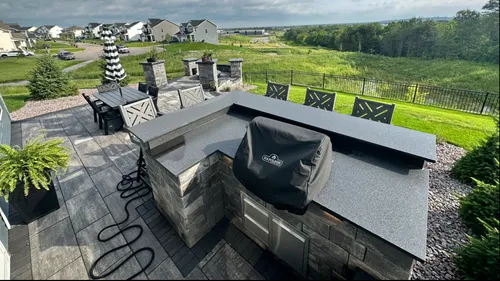
Pioneer Landscaping LLC is a full-service landscaping company based in St Paul, MN, offering a wide range of services including hardscaping, outdoor living spaces, sod and irrigation installation, sport court and pool installation, and year-round property maintenance for both residential and commercial clients. They serve the St Paul area along with nearby communities such as Lake Elmo, Woodbury, Stillwater, and White Bear Lake. Founded in 2020, the company emphasizes dedicated crews and specialized managers to deliver precise results and sustainable practices. Pioneer Landscaping also provides 24/7 emergency services, ensuring support through all seasons.
Wilkerson's Landscaping Services, LLC
Minneapolis, MN
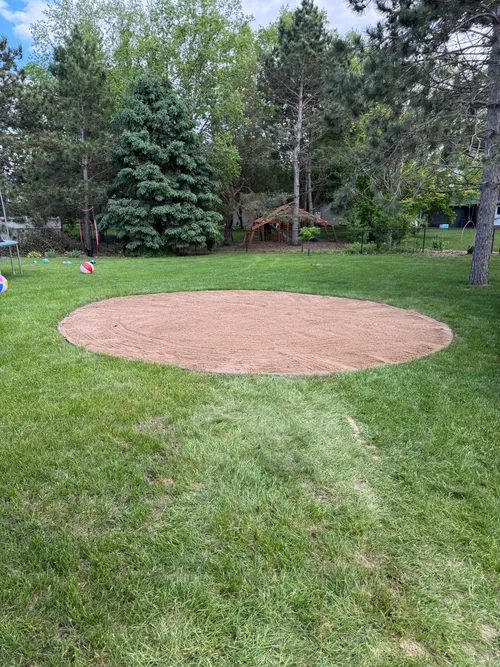
Wilkerson's Landscaping Services, LLC provides commercial and residential landscaping services in Minneapolis, MN. With over 11 years of industry experience, they offer custom landscape designs, plant and tree selection, lawn mowing, and recurring lawn maintenance. Their service area includes Edina, Woodbury, and St Paul, focusing on enhancing business properties with professional and appealing outdoor spaces. The company is licensed and insured, emphasizing quality work and customer satisfaction.

Dean Bjorkstrand Landscaping
5508 Clinton Ave, Minneapolis, MN 55419
Dean Bjorkstrand Landscaping is a landscaping and design company based in Minneapolis, MN, serving the Twin Cities metro area and beyond. Since 1983, the company has specialized in creating unique outdoor living spaces including patios, retaining walls, walkways, gardens, water features, and outdoor lighting. They understand the local weather and soil conditions, ensuring landscapes that remain vibrant and functional through cold winters and warm summers. Dean Bjorkstrand personally oversees each project from concept to completion, providing expert guidance and supervision throughout the process.
Open Space Gardens
Minneapolis, MN
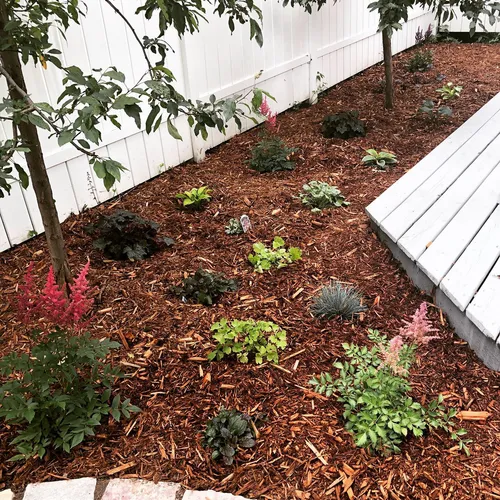
Open Space Gardens is a sustainable landscaping company based in Minneapolis, MN, serving the Twin Cities metro area including St. Paul and surrounding neighborhoods. They specialize in creating nature-friendly outdoor spaces that support native plants, pollinators, and wildlife while promoting clean air and water. Their services include custom garden design, installation, chemical-free maintenance, and seasonal enhancements, all performed with electric-powered equipment to reduce environmental impact. Since 2015, Open Space Gardens has focused on sustainable practices such as using native species, composting, and minimizing soil disturbance to build healthy, low-maintenance landscapes.
Sota Landscaping
Minneapolis, MN
Sota Landscaping is a full-service landscaping company based in Minneapolis, MN. They provide a wide range of services including sod installation, artificial turf installation, landscape design, lawn care, hardscaping such as pavers and retaining walls, and commercial property maintenance. The company also offers snow and ice management services to handle winter weather conditions. Sota Landscaping emphasizes clear communication and client satisfaction throughout each project, ensuring outdoor spaces are both beautiful and functional.
Understanding Bloomington's Landscape Environment
Successful landscaping in Bloomington begins by working with, not against, our local climate and soil conditions. This region experiences a continental climate with cold, snowy winters (USDA Hardiness Zone 4b/5a) and warm, sometimes humid summers. This swing in temperatures means plant selection is critical; species must be resilient enough to survive deep freezes and also tolerate summer heat. Furthermore, much of the soil in the area is clay or clay-loam, which holds moisture well but can drain poorly if not managed correctly.
The key to a sustainable, low-maintenance yard is choosing native and adapted plants. Native species like Little Bluestem grass and Purple Coneflower have evolved to handle Minnesota's weather extremes and soil types, requiring less water, fertilizer, and pest control once established. They also provide crucial habitat and food for local pollinators and birds. Designing with these plants in mind from the start creates a landscape that is not only beautiful but also ecologically responsible and easier to care for over time.
The Core Principles of Residential Landscape Design
Professional landscape architecture and garden design are built on a few foundational concepts that transform an ordinary yard into a cohesive outdoor living area. These principles help create order, balance, and purpose in your space.
Creating Functional Zones A fundamental strategy is to divide your property into distinct areas based on use. This zoning approach typically includes:
- The Public Zone (Front Yard): This area focuses on curb appeal and creating a welcoming entry to your home. Design elements here might include defined planting beds, a clear and accessible walkway, and foundation plantings that frame the house. In Bloomington, this is also an ideal area to incorporate a rain garden, which manages stormwater runoff beautifully.
- The Private Zone (Backyard): This is your personal retreat for relaxation and entertainment. This zone is where you'll plan for patios, decks, outdoor kitchens, fire pits, and private garden nooks. The design should facilitate flow between your indoor and outdoor living spaces.
- The Service Zone: Often located to the side or rear of the property, this area houses utilitarian functions. It includes spaces for trash and recycling bins, storage sheds, compost bins, and vegetable gardens. Screening this zone with fencing or attractive plantings helps maintain the beauty of the other areas 1.
Incorporating Hardscape and Softscape A balanced landscape design skillfully blends hardscape (the non-living elements) with softscape (the living, horticultural elements).
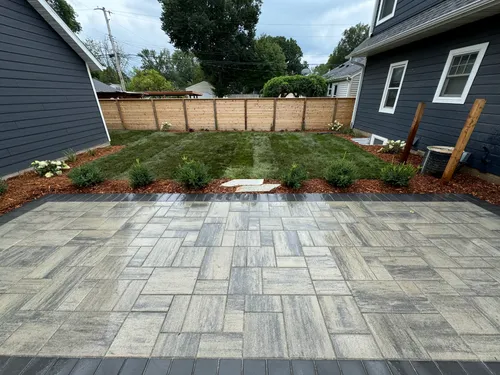
- Hardscape Elements: These include patios, walkways, retaining walls, fences, and pergolas. In Bloomington, using locally suitable materials that can withstand freeze-thaw cycles is important for longevity. A well-placed paver patio, for instance, provides a stable surface for furniture and defines an outdoor room.
- Softscape Elements: This encompasses all your plantings-trees, shrubs, perennials, grasses, and annuals. The goal is to create layers and textures that provide year-round interest. A popular low-maintenance approach for our area is the native prairie-style planting, which uses grasses and flowering perennials to create dynamic, moving displays that change with the seasons.
Key Design Features for Bloomington Homes
When planning your outdoor space, consider integrating these features that are particularly well-suited to our local environment and enhance livability.
Sustainable Stormwater Solutions: Rain Gardens Due to our clay soils, managing rainwater is a common concern. A rain garden is a landscaped depression planted with deep-rooted native plants. It captures runoff from roofs or driveways, allows it to soak slowly into the ground, and filters out pollutants naturally 2. It's a functional feature that adds a striking, naturalistic planting area to your yard and aligns with local environmental best practices.
Defined Outdoor Living Spaces Extending your home's livable square footage outdoors is a major goal of modern landscaping. A patio or seating area serves as the anchor for backyard living. When designing this space, consider sun and wind patterns, privacy, and its connection to your home's interior. In colder climates, incorporating elements like a fire pit or outdoor heater can extend the usability of the space into the cooler months.
Paths, Lighting, and Edging These elements are the finishing touches that ensure safety, functionality, and polish.
- Paths guide movement through the landscape, connecting different zones. They can be formal (pavers, stone) or informal (mulch, stepping stones).
- Landscape lighting highlights architectural features, illuminates walkways for safety, and creates ambiance for evening enjoyment.
- Edging creates a clean, defined border between lawn and planting beds. It helps contain mulch, prevents grass from creeping into beds, and gives the landscape a well-maintained appearance.
Find the perfect landscape design companies for your needs
Get personalized recommendations and expert advice
Planning and Budgeting for Your Project
A clear plan and realistic budget are essential for a successful landscaping project. Costs can vary widely based on the scope, materials, and complexity of the work.
Understanding Cost Factors For a typical Bloomington project, costs often fall into a few categories:
- Native Plantings and Rain Gardens: Generally represent a lower cost investment, focused primarily on plants, soil amendments, and labor for planting. This is an excellent high-value, sustainable starting point.
- Hardscape Features (Patios, Walkways, Walls): These involve moderate to higher costs due to materials (e.g., pavers, natural stone), extensive site preparation (excavation, gravel base), and skilled installation to ensure proper drainage and durability.
- Full-Scale Landscape Design and Installation: A comprehensive project that includes master planning, grading, installation of multiple features, and full planting will have a variable budget. It's wise to phase such projects over time.
The Value of Professional Guidance While some homeowners tackle DIY planting projects, consulting with a professional for the initial site plan can be invaluable. Experts understand local codes, soil dynamics, and microclimates on your property. Resources like the University of Minnesota Extension offer excellent guidance for planning 3. A professional can help you prioritize elements, avoid costly mistakes, and develop a phased approach that fits your budget while building toward a complete vision.
Maintaining Your Designed Landscape
A good design considers long-term maintenance from the outset. The use of native plants is the single biggest factor in reducing ongoing care, as they require less watering and are more resistant to pests and diseases 4. Proper mulching helps retain soil moisture and suppress weeds. Seasonal tasks in Bloomington will include spring cleanup, dividing perennials, pruning shrubs at the appropriate time, and preparing beds for winter. A design that matches your desired level of maintenance effort is key to ensuring your landscape remains a joy, not a chore, for years to come.
Frequently asked questions
Sources
Footnotes
-
Spruce Up Your Site: How to Plan a Residential Landscape Design - https://www.skh.com/blog/residential-landscape-design/ ↩
-
Landscape Ordinance - Bloomington, MN - https://www.bloomingtonmn.gov/sites/default/files/media/landscape.pdf ↩
-
Landscape design and plant selection | UMN Extension - https://extension.umn.edu/lawns-and-landscapes/landscape-design ↩
-
The Best Landscaping Practices for Minnesota's Climate - https://aeoutdoorsmn.com/the-best-landscaping-practices-for-minnesotas-climate-essential-tips-for-sustainable-yards/ ↩