Find the Best Landscape Design Companies for Your Business
No obligation • Fast responses • Nationwide coverage

Why you can trust Landscape Atlas
Landscape Atlas is a leading United States resource for evaluating landscaping, lawn care, and outdoor service providers. Our team researches each category in depth, focusing on service quality, safety, and customer experience. Listings and rankings are based on independent criteria and user feedback, and companies cannot pay to influence our assessments or recommendations.
Search providers near you
Top Landscape Design Companies in Brooklyn Park, Minnesota Ranked
Creating a beautiful and functional outdoor space in Brooklyn Park is about more than just planting flowers. It's a thoughtful process of planning and shaping your yard to thrive in Minnesota's distinct climate while meeting your personal needs for relaxation, entertainment, and curb appeal. Professional landscape design transforms your property by strategically combining hardy plants, durable materials, and architectural elements into a cohesive, year-round environment. This guide will help you understand the key considerations for your project and how to connect with local experts who can bring your vision to life.
Pioneer Landscaping LLC
1694 Ivory Ave N, Lake Elmo, MN 55042
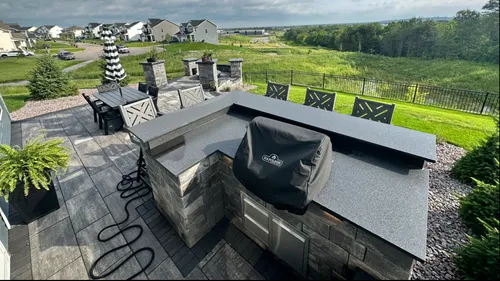
Pioneer Landscaping LLC is a full-service landscaping company based in St Paul, MN, offering a wide range of services including hardscaping, outdoor living spaces, sod and irrigation installation, sport court and pool installation, and year-round property maintenance for both residential and commercial clients. They serve the St Paul area along with nearby communities such as Lake Elmo, Woodbury, Stillwater, and White Bear Lake. Founded in 2020, the company emphasizes dedicated crews and specialized managers to deliver precise results and sustainable practices. Pioneer Landscaping also provides 24/7 emergency services, ensuring support through all seasons.
Wilkerson's Landscaping Services, LLC
Minneapolis, MN
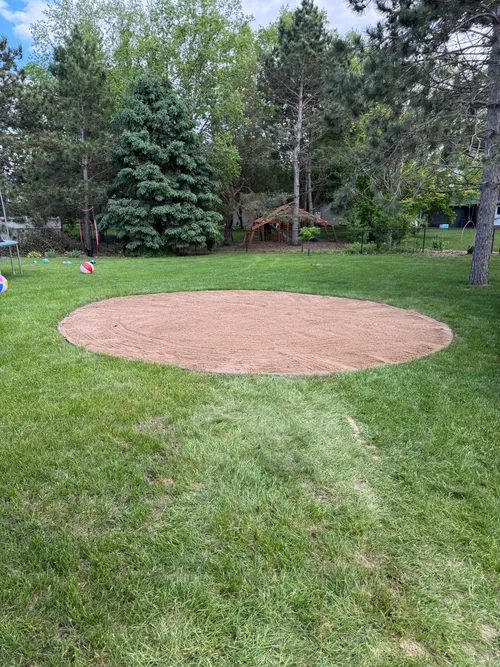
Wilkerson's Landscaping Services, LLC provides commercial and residential landscaping services in Minneapolis, MN. With over 11 years of industry experience, they offer custom landscape designs, plant and tree selection, lawn mowing, and recurring lawn maintenance. Their service area includes Edina, Woodbury, and St Paul, focusing on enhancing business properties with professional and appealing outdoor spaces. The company is licensed and insured, emphasizing quality work and customer satisfaction.

Dean Bjorkstrand Landscaping
5508 Clinton Ave, Minneapolis, MN 55419
Dean Bjorkstrand Landscaping is a landscaping and design company based in Minneapolis, MN, serving the Twin Cities metro area and beyond. Since 1983, the company has specialized in creating unique outdoor living spaces including patios, retaining walls, walkways, gardens, water features, and outdoor lighting. They understand the local weather and soil conditions, ensuring landscapes that remain vibrant and functional through cold winters and warm summers. Dean Bjorkstrand personally oversees each project from concept to completion, providing expert guidance and supervision throughout the process.
Open Space Gardens
Minneapolis, MN
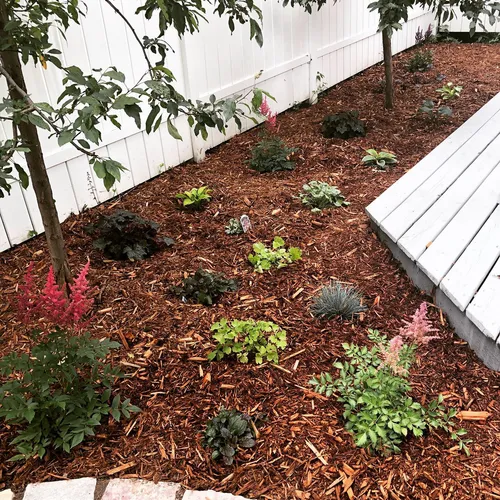
Open Space Gardens is a sustainable landscaping company based in Minneapolis, MN, serving the Twin Cities metro area including St. Paul and surrounding neighborhoods. They specialize in creating nature-friendly outdoor spaces that support native plants, pollinators, and wildlife while promoting clean air and water. Their services include custom garden design, installation, chemical-free maintenance, and seasonal enhancements, all performed with electric-powered equipment to reduce environmental impact. Since 2015, Open Space Gardens has focused on sustainable practices such as using native species, composting, and minimizing soil disturbance to build healthy, low-maintenance landscapes.
Sota Landscaping
Minneapolis, MN
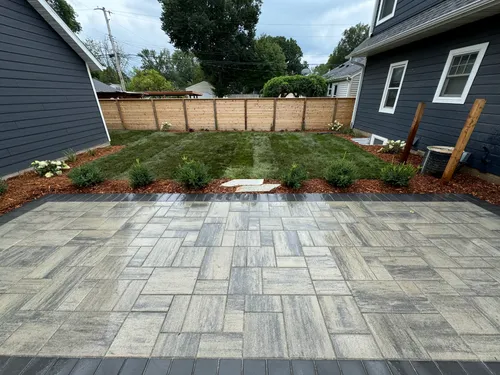
Sota Landscaping is a full-service landscaping company based in Minneapolis, MN. They provide a wide range of services including sod installation, artificial turf installation, landscape design, lawn care, hardscaping such as pavers and retaining walls, and commercial property maintenance. The company also offers snow and ice management services to handle winter weather conditions. Sota Landscaping emphasizes clear communication and client satisfaction throughout each project, ensuring outdoor spaces are both beautiful and functional.
Understanding Brooklyn Park's Unique Environment
Successful landscape architecture in Brooklyn Park begins with a deep respect for the local climate and soil conditions. Ignoring these factors can lead to costly plant loss, drainage issues, and maintenance headaches.
Navigating USDA Hardiness Zones 4b/5a
Brooklyn Park falls within USDA Plant Hardiness Zones 4b and 5a. This classification means winter temperatures can plummet to -20°F to -15°F. This extreme cold dictates every plant selection. A professional designer will prioritize extremely cold-hardy perennials, trees, and shrubs that can not only survive but flourish through long, frozen winters. Common choices include native conifers, hardy deciduous trees like oaks and maples, and resilient perennials such as coneflowers, sedum, and ornamental grasses bred for northern climates.
Working with Clay and Loamy Soils
The native soil in much of Brooklyn Park is a dense clay or clay-loam mix. While fertile, clay soil presents challenges: it drains slowly when wet, becomes hard when dry, and can restrict root growth. A foundational step in many local landscape plans involves soil assessment and amendment. Incorporating organic matter like compost can improve soil structure, drainage, and fertility. Furthermore, selecting native plants that have evolved to thrive in these conditions is a cornerstone of sustainable and low-maintenance garden design.
Managing Water: From Summer Rains to Frozen Ground
Minnesota weather delivers heavy rainfall in the summer and a deep freeze in the winter. This cycle makes proper water management a critical component of any site plan. Effective drainage solutions-such as grading, French drains, or dry creek beds-are essential to move water away from your home's foundation and prevent soggy lawns. Conversely, planning for periods of drought with efficient irrigation zones or drought-tolerant native plantings ensures your landscape remains vibrant through all seasons.
Core Elements of a Brooklyn Park Landscape Plan
A comprehensive outdoor design weaves together softscapes (plants), hardscapes (built structures), and living spaces to create a unified whole.
Sustainable Planting with Native Focus
There's a growing emphasis on ecological landscaping in Brooklyn Park, which uses native plants to create resilient, beautiful, and environmentally beneficial spaces. The University of Minnesota Extension promotes the use of native species for their adaptability and lower water needs. A popular and impactful trend is the "bee lawn," a low-mow turf area seeded with pollinator-friendly flowers like white clover and self-heal. These lawns support local ecosystems while reducing maintenance. Beyond lawns, incorporating native grasses, shrubs, and trees creates a layered, naturalistic look that provides habitat and seasonal interest.
Integrating Durable Hardscapes
Hardscaping refers to the non-living, constructed features of your landscape. In Brooklyn Park, these elements must withstand freeze-thaw cycles. Common and valuable additions include:
- Patios & Walkways: Built with interlocking pavers, natural stone, or poured concrete, these define outdoor rooms and provide stable surfaces.
- Retaining Walls: Functional for managing sloped yards, they also create visual interest and planting opportunities. Local zoning codes may regulate wall height and location, so professional guidance is key.
- Fire Features & Water Features: A fire pit or outdoor fireplace extends the usability of your yard into cooler months. Water features, like a small fountain or pond, add soothing sound and visual appeal.
Creating Outdoor Living Areas
Modern landscape architecture blurs the line between indoors and out. Designing for "outdoor living" means creating functional zones just like you have inside your home.
- Outdoor Kitchens & Dining Areas: These range from simple grilling stations to full kitchens with countertops, storage, and appliances, turning your backyard into an entertainment hub.
- Seating & Lounge Spaces: Defined by patio areas, pergolas, or decking, these are places for relaxation and conversation.
- Ambient Lighting: Strategic lighting enhances safety, highlights architectural plants or features, and allows you to enjoy your landscape after sunset.
Find the perfect landscape design companies for your needs
Get personalized recommendations and expert advice
Navigating Local Regulations and Planning for Value
A well-executed landscape plan not only beautifies your home but also adds significant property value and ensures compliance with local standards.
Adhering to Brooklyn Park Zoning Codes
Before breaking ground, it's important to understand local regulations. Brooklyn Park has codes governing landscaping, fences, and structures to maintain community standards and safety 1. For instance, regulations may address:
- Clear View Triangles: Requirements for keeping plantings and structures low at street corners to ensure visibility for drivers and pedestrians.
- Fence Height & Placement: Rules on where fences can be placed and how tall they can be.
- Permitting for Structures: Larger projects like detached pergolas, gazebos, or retaining walls over a certain height may require a permit. A knowledgeable local designer or contractor will help you navigate this process.
Investment and Return
The cost of a landscape design project in Brooklyn Park varies dramatically with its scope and complexity 2. Simple planting bed refreshes with mulch may start around a few thousand dollars. A new paver patio often ranges from $2,000 to $8,000 or more. Comprehensive projects that create a full outdoor living area-integrating a kitchen, seating walls, a pergola, and sophisticated planting-can represent a significant investment from $10,000 to $30,000+ 2. This investment, however, is one of the most rewarding for homeowners. A professional design can yield a high return by boosting curb appeal, creating functional living space, and enhancing your overall enjoyment of your property for years to come. The key is to focus on resilient, native plantings suited to our climate and to integrate durable hardscapes using local professionals who understand both the aesthetic possibilities and the practical necessities of Minnesota living 2 3 4.
Frequently asked questions
Sources
Footnotes
-
Zoning Code Text Amendment - Article 3 Development ... - https://www.brooklynpark.org/wp-content/uploads/2024/04/20240424-PC-Work-Session-Discussion-Item.pdf ↩
-
Landscape Design & Build Company Brooklyn Park MN - https://landscapesunlimitedmn.com/landscape-design-build-company-brooklyn-park-mn/ ↩ ↩2 ↩3
-
Landscape design and plant selection | UMN Extension - https://extension.umn.edu/lawns-and-landscapes/landscape-design ↩
-
brooklyn park property - sustainable landscape restoration - https://metrocouncil.org/Wastewater-Water/Projects/Sewer-Planning-Construction-Updates/Interceptor-Sustainable-Landscapes-805501/ISL-Brooklyn-Park/General-Info/Brooklyn-Park-Fact-Sheet-%28PDF%29.aspx ↩