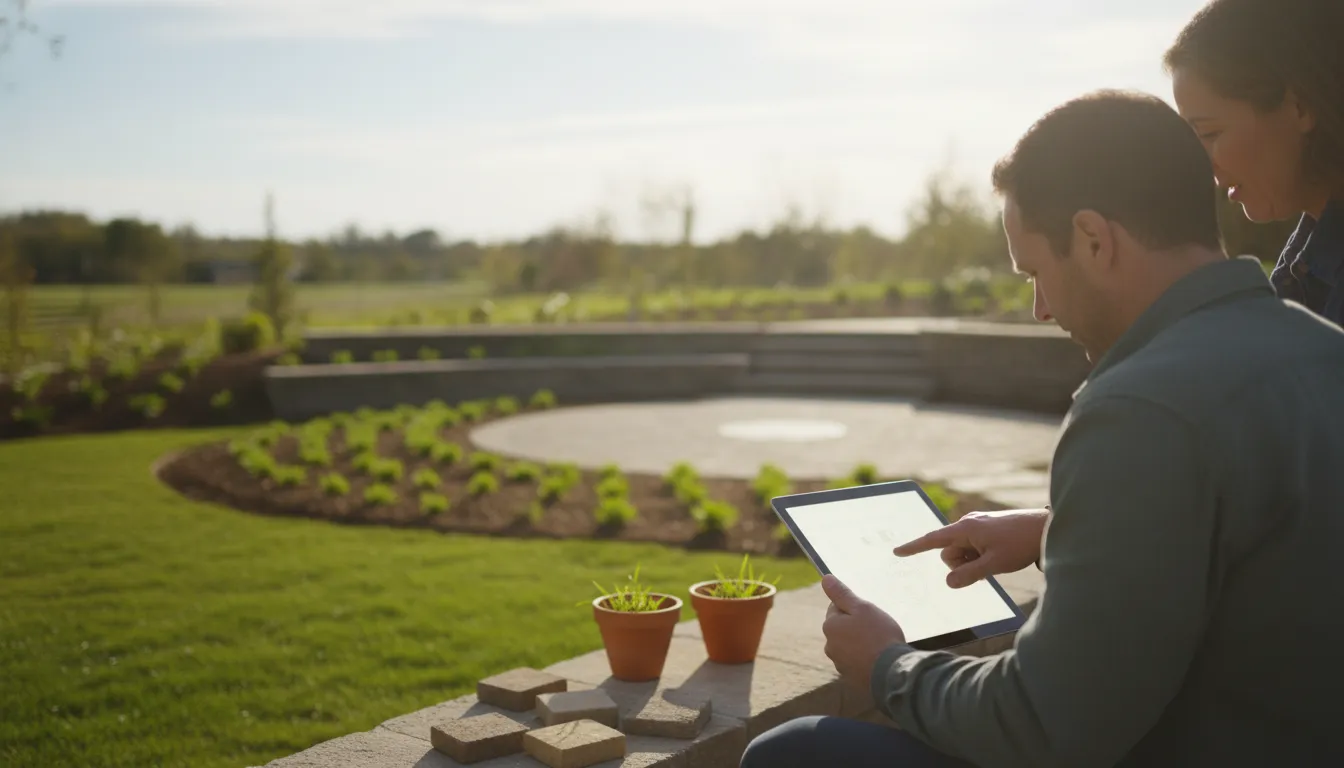
Find the Best Landscape Design Companies for Your Business
No obligation • Fast responses • Nationwide coverage

Why you can trust Landscape Atlas
Landscape Atlas is a leading United States resource for evaluating landscaping, lawn care, and outdoor service providers. Our team researches each category in depth, focusing on service quality, safety, and customer experience. Listings and rankings are based on independent criteria and user feedback, and companies cannot pay to influence our assessments or recommendations.
Search providers near you
Top Landscape Design Companies in St Louis Park, Minnesota Ranked
A well-crafted landscape design transforms your outdoor space into a functional, beautiful extension of your home. In St. Louis Park, this means creating a plan that thrives in Minnesota's distinct seasons while reflecting your personal style and needs. This guide will help you understand the key considerations for local garden design and outdoor planning, connecting you with the principles and professionals who can bring your vision to life.
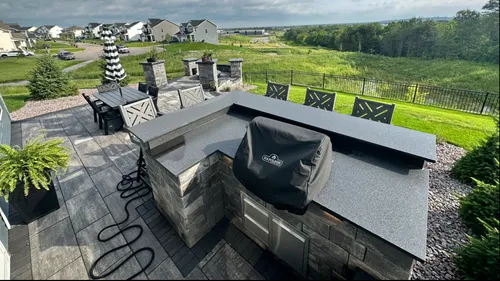
Pioneer Landscaping LLC
1694 Ivory Ave N, Lake Elmo, MN 55042
Pioneer Landscaping LLC is a full-service landscaping company based in St Paul, MN, offering a wide range of services including hardscaping, outdoor living spaces, sod and irrigation installation, sport court and pool installation, and year-round property maintenance for both residential and commercial clients. They serve the St Paul area along with nearby communities such as Lake Elmo, Woodbury, Stillwater, and White Bear Lake. Founded in 2020, the company emphasizes dedicated crews and specialized managers to deliver precise results and sustainable practices. Pioneer Landscaping also provides 24/7 emergency services, ensuring support through all seasons.
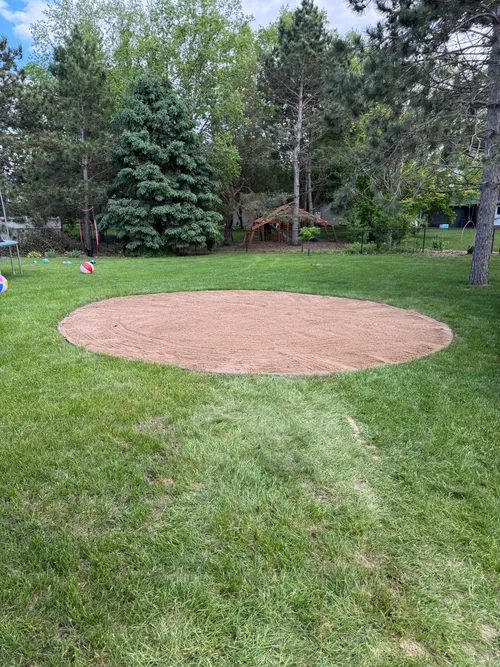
Wilkerson's Landscaping Services, LLC
Minneapolis, MN
Wilkerson's Landscaping Services, LLC provides commercial and residential landscaping services in Minneapolis, MN. With over 11 years of industry experience, they offer custom landscape designs, plant and tree selection, lawn mowing, and recurring lawn maintenance. Their service area includes Edina, Woodbury, and St Paul, focusing on enhancing business properties with professional and appealing outdoor spaces. The company is licensed and insured, emphasizing quality work and customer satisfaction.

Dean Bjorkstrand Landscaping
5508 Clinton Ave, Minneapolis, MN 55419
Dean Bjorkstrand Landscaping is a landscaping and design company based in Minneapolis, MN, serving the Twin Cities metro area and beyond. Since 1983, the company has specialized in creating unique outdoor living spaces including patios, retaining walls, walkways, gardens, water features, and outdoor lighting. They understand the local weather and soil conditions, ensuring landscapes that remain vibrant and functional through cold winters and warm summers. Dean Bjorkstrand personally oversees each project from concept to completion, providing expert guidance and supervision throughout the process.
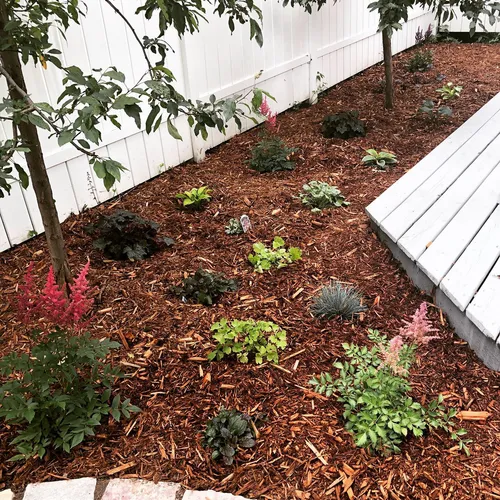
Open Space Gardens
Minneapolis, MN
Open Space Gardens is a sustainable landscaping company based in Minneapolis, MN, serving the Twin Cities metro area including St. Paul and surrounding neighborhoods. They specialize in creating nature-friendly outdoor spaces that support native plants, pollinators, and wildlife while promoting clean air and water. Their services include custom garden design, installation, chemical-free maintenance, and seasonal enhancements, all performed with electric-powered equipment to reduce environmental impact. Since 2015, Open Space Gardens has focused on sustainable practices such as using native species, composting, and minimizing soil disturbance to build healthy, low-maintenance landscapes.
Sota Landscaping
Minneapolis, MN
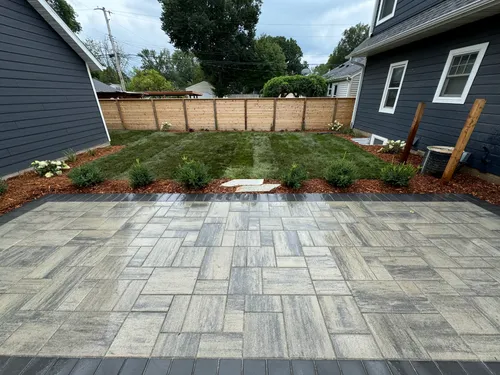
Sota Landscaping is a full-service landscaping company based in Minneapolis, MN. They provide a wide range of services including sod installation, artificial turf installation, landscape design, lawn care, hardscaping such as pavers and retaining walls, and commercial property maintenance. The company also offers snow and ice management services to handle winter weather conditions. Sota Landscaping emphasizes clear communication and client satisfaction throughout each project, ensuring outdoor spaces are both beautiful and functional.
Understanding St. Louis Park's Unique Environment
Successful garden design in St. Louis Park starts with a deep understanding of the local climate and soil. This foundational knowledge ensures your outdoor space is not only beautiful but also resilient and sustainable.
Climate Considerations: Zone 4b/5a
St. Louis Park falls within USDA Hardiness Zones 4b and 5a, characterized by cold winters and warm, humid summers. This temperature range dictates plant selection, favoring species that can survive sub-zero winter lows and thrive in summer heat. A professional landscape plan will prioritize hardy perennials, native shrubs, and conifers that provide year-round structure and interest. Understanding your property's specific microclimates-areas of full sun, partial shade, or deep shade-is a critical first step in any site analysis 1.
Soil and Drainage
The local soil is often clay-based, which can present challenges with compaction and poor drainage. A thoughtful landscape architecture plan addresses this by incorporating soil amendments, strategic grading, and built solutions. Raised planting beds and rain gardens are not only excellent for managing stormwater runoff-a key consideration for local watershed health-but also become beautiful, ecological focal points in the design.
Core Principles of Local Landscape Architecture
Moving beyond environmental factors, effective outdoor planning in St. Louis Park revolves around creating intentional, multi-functional spaces that enhance daily living.
Functional Zoning
Think of your yard as a series of interconnected rooms. Dividing the space into clear zones creates organization and purpose. Common zones include:
- Entry Zone: Focused on curb appeal with welcoming walkways, foundational plantings, and lighting.
- Living Zone: Dedicated to relaxation and entertainment, potentially featuring a patio, deck, pergola, or fire pit.
- Utility Zone: For practical needs like storage sheds, compost bins, or vegetable gardens.
- Planting Zone: Areas dedicated to garden beds, native plantings, or ornamental trees and shrubs.
This zoning approach ensures every part of your property has a defined use, contributing to a cohesive and manageable overall plan.
Creating Outdoor Living Rooms
The trend toward seamless indoor-outdoor living is strong. Patios and decks constructed from durable materials like pavers or composite decking serve as the "floor." Elements like pergolas, arbors, or strategic tree planting create the "ceiling." The "walls" might be defined by planting screens, fencing, or trellises. Incorporating amenities like outdoor kitchens, fire pits, and ambient lighting transforms these spaces into true extensions of your home's living area, perfect for Minnesota's beautiful summers.
Find the perfect landscape design companies for your needs
Get personalized recommendations and expert advice
Strategic Planting Design
Planting is more than just adding color; it's about creating layers, texture, and year-round interest. A robust planting plan for St. Louis Park often includes:
- Evergreens: For consistent structure and green during the long winter.
- Deciduous Trees: Placed strategically to provide summer shade and reduce cooling costs, while allowing winter sun to warm the home.
- Perennials & Native Plants: Species like coneflowers, black-eyed Susans, and native grasses offer seasonal color, are drought-tolerant once established, and provide crucial habitat for pollinators. This approach aligns with sustainable landscaping principles that reduce maintenance and support local ecology.
Trends and Sustainable Practices in Garden Design
Modern landscape design in St. Louis Park increasingly blends aesthetics with environmental responsibility and personal wellness.
- Native-First Planting: Using plants adapted to the local climate reduces the need for watering, fertilizers, and pesticides. These plants are naturally more resistant to local pests and diseases, creating a healthier, lower-maintenance garden.
- Water Management as a Feature: Instead of hiding drainage, incorporate it into the design. Rain gardens, dry creek beds, and permeable pavers manage stormwater beautifully while preventing erosion and reducing runoff into local waterways 2.
- Multi-Functional Spaces: Homeowners are looking for yards that do more. A patio might be designed for both dining and container gardening. A lawn area could be sized for both play and casual gatherings. This efficient use of space maximizes the value and enjoyment of your property 3.
Planning and Investment for Your Project
The scope and cost of a landscape design project can vary widely, influenced by size, materials, and complexity.
Project Scale & Investment:
- Small-Scale Enhancements: Refreshing mulch, adding a few new planting beds, or installing seasonal color. These projects might range from a few hundred to a couple thousand dollars.
- Mid-Scale Transformations: Installing a new patio, walkway, or a comprehensive front-yard redesign. These projects often fall in the $3,000 to $15,000 range.
- Large-Scale Master Plans: A full property overhaul including extensive hardscaping, outdoor kitchens, lighting systems, and mature plantings. These investments can range from $20,000 to $50,000 or more, reflecting significant property enhancement.
A professional landscape design provides a master plan that can be implemented in phases, allowing you to budget over time while ensuring all elements work together cohesively. Well-executed landscaping is also recognized for its ability to increase property value, often yielding a strong return on investment by boosting curb appeal and functional livable space 4.
The Professional Planning Process:
- Site Analysis & Consultation: A designer assesses your property's conditions-sun, soil, drainage, architecture-and discusses your vision, lifestyle, and budget.
- Conceptual Design: Initial sketches outline the spatial zones, circulation (paths), and key features.
- Master Plan & Material Selection: A detailed plan specifies plants, hardscape materials, and construction details. This is where choices are made for durability and climate suitability.
- Implementation: While spring is popular, fall is an excellent time for planting in Minnesota, giving roots time to establish before winter. A phased approach is always an option.
Frequently asked questions
Sources
Footnotes
-
Landscape Design Mistakes | WorkWave - Real Green Systems - https://www.realgreen.com/blog/common-landscape-design-mistakes-and-how-to-avoid-them ↩
-
Landscape Design Definition - https://www.apld.org/landscape-design-definition ↩
-
Top 5 Landscaping Trends to Watch in 2025 - https://waynesborogardens.com/2025/02/21/top-5-landscaping-trends-to-watch-in-2025/ ↩
-
How Professional Landscaping Increases Property Value - https://www.lakeviewfarmslandscaping.com/how-professional-landscaping-increases-property-value ↩