Find the Best Landscape Design Companies for Your Business
No obligation • Fast responses • Nationwide coverage

Why you can trust Landscape Atlas
Landscape Atlas is a leading United States resource for evaluating landscaping, lawn care, and outdoor service providers. Our team researches each category in depth, focusing on service quality, safety, and customer experience. Listings and rankings are based on independent criteria and user feedback, and companies cannot pay to influence our assessments or recommendations.
Search providers near you
Best Landscape Design Companies in North Carolina Ranked
Creating a beautiful and functional outdoor space in North Carolina is an exciting journey that blends art, horticulture, and local know-how. Professional landscape design goes beyond simple planting; it's a strategic plan that enhances your property's beauty, usability, and value while respecting the unique environmental conditions of the Tar Heel State. Whether you're drawn to the lush cottage gardens of the Piedmont or the resilient, salt-tolerant plantings of the coast, a well-conceived design is your roadmap to success. This guide will help you understand the key considerations for North Carolina, from climate and style to regulations and budgeting, so you can confidently connect with skilled professionals who can bring your vision to life.
SunSouth Carolinas | Patio Contractor & Landscape Designer
150 Marvin Rd, Fort Mill, SC 29707
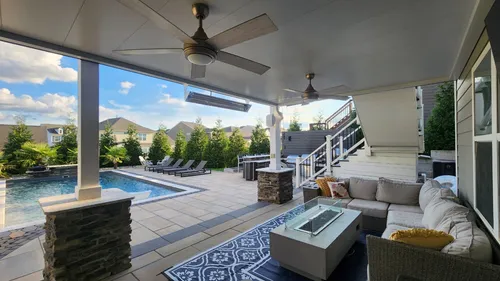
SunSouth Carolinas is a landscape design and hardscaping company serving Charlotte, NC, and surrounding areas. They specialize in creating custom outdoor living spaces, including patios, stonework, retaining walls, and outdoor kitchens. With over 8 years of experience, they manage projects from design through construction, including permit handling. Their expertise includes masonry and paver installation using high-quality materials sourced from leading suppliers. SunSouth Carolinas offers a comprehensive service that covers both residential and commercial projects, ensuring durable and personalized outdoor environments.
LandGreen Landscaping Inc.
Barbour Store Rd, Willow Spring, NC 27592
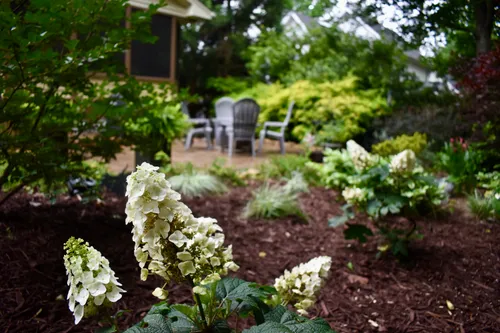
LandGreen Landscaping Inc. is a full-service landscaping company based in Raleigh, NC, serving residential, commercial, and HOA clients in Raleigh and surrounding areas including Fuquay-Varina, Holly Springs, Willow Spring, Angier, Garner, and Apex. They offer a wide range of services such as landscape design, installation of plants, sod, mulch, and rock, as well as year-round lawn maintenance and rehabilitation including core aeration, dethatching, topdressing, and overseeding. The team is licensed, insured, and locally owned, with expertise in North Carolina's climate to provide tailored outdoor solutions that meet specific property needs. LandGreen Landscaping Inc. is also community driven, partnering with local schools and universities to support landscaping education.
Hyatt Landscaping, Inc.
8332 Harvell Rd, Stanfield, NC 28163
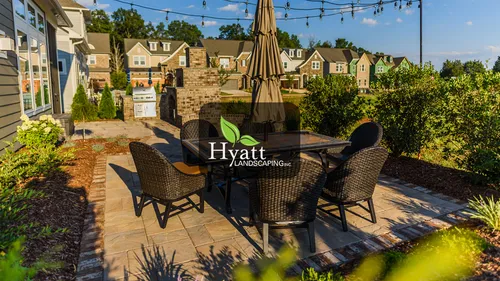
Hyatt Landscaping, Inc. is a landscaping and lawn care company serving Charlotte, NC. They provide lawn fertilization, weed control, and comprehensive landscape design and installation services. Their team focuses on maintaining healthy turf through timely fertilizer treatments and preventative care against weeds, insects, and diseases. Hyatt Landscaping also offers hardscaping projects such as patios and retaining walls, combining design, planning, and execution to create outdoor living spaces. With over 45 years of experience, they emphasize horticultural excellence in all their services.
DreamScapes
4913 Professional Ct, Raleigh, NC 27609
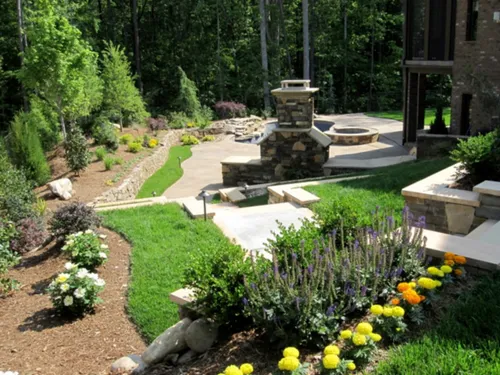
DreamScapes is a landscaping company based in Raleigh, NC, offering a wide range of residential and commercial landscaping services. Their expertise includes lawn mowing, fertilization, weed control, sod and artificial turf installation, landscape lighting, design, tree services, yard drainage, sprinkler installation and repair, as well as hardscaping such as pavers and retaining walls. With over fifteen years of experience, DreamScapes serves the greater Raleigh area including Cary, Wake Forest, Durham, and Chapel Hill. They provide customized landscape design and maintenance plans, combining hardscapes, planting, and lighting to meet client needs. DreamScapes sources materials from local high-quality suppliers and is known for attention to detail and comprehensive service. The company does not specify special availability hours.
Carolina Terrain
1515 Waxhaw Indian Trail Rd S, Waxhaw, NC 28173
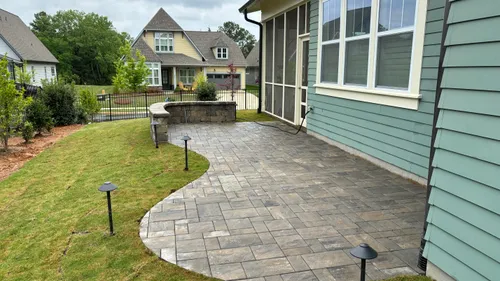
Carolina Terrain is a licensed landscaping, hardscaping, and drainage contractor based in Charlotte, NC. They offer comprehensive property services including custom landscape design, sod installation, grading, drainage solutions, and hardscape construction for residential, commercial, industrial, and HOA properties. Their certified capabilities include Keystone-certified retaining walls and permeable pavers, as well as NDS-certified drainage systems such as French drains and stormwater management. Carolina Terrain serves a 20-mile radius around Waxhaw, NC, covering areas like Marvin, Weddington, and South Charlotte. They also provide pressure washing and property cleaning with a high-capacity hot water system. The company is experienced in handling HOA approvals and municipal projects, ensuring compliance and quality results.
Understanding North Carolina's Diverse Climate Zones
A successful landscape plan in North Carolina begins with a deep understanding of its varied climate. The state spans USDA Plant Hardiness Zones 6b in the mountainous west to 8b along the southeastern coast. This significant range means a plant that thrives in the cool, crisp air of Asheville may struggle in the humid heat of Wilmington.
- Mountain Region (Zones 6b-7a): This area experiences colder winters and milder summers. Design here often incorporates native woodland plants like mountain laurel, rhododendron, and Fraser fir, and must account for potential frost and well-draining slopes.
- Piedmont Region (Zones 7a-7b): Encompassing cities like Charlotte, Raleigh, and Greensboro, this central region has hot, humid summers and moderately cold winters. It offers the widest plant palette, supporting everything from traditional Southern annuals to many deciduous trees and shrubs.
- Coastal Plain (Zones 7b-8b): Characterized by long, hot, humid summers and very mild winters, this region requires salt-tolerant (halophyte) plants near the shore, such as palmettos, wax myrtle, and sea oats. Drainage and wind exposure are also critical design factors.
Beyond the hardiness zone, savvy designers evaluate your property's microclimates-small areas with unique sun, shade, wind, and moisture patterns. A south-facing wall creates a warm pocket perfect for extending the season for certain plants, while a low, shady corner might host a fern garden. Managing water is also crucial, especially on slopes in Western NC, where features like rain gardens, swales, and dry creek beds are both beautiful and functional for erosion control and stormwater management 1.
Popular Landscape Design Styles for North Carolina Homes
Your landscape should be a reflection of your personal taste and your home's architecture. Several styles are particularly well-suited to North Carolina's settings and lifestyle.
- Southern Charm & Cottage Gardens: This timeless style evokes a sense of abundance and nostalgia. Think lush, layered plantings of hydrangeas, roses, and boxwoods; meandering paths of brick or flagstone; and cozy seating areas on porches or under arbors. It often incorporates traditional materials and a slightly informal, welcoming feel.
- Modern & Contemporary: Clean lines, geometric forms, and minimalist plantings define this style. It often features sleek hardscaping with materials like smooth concrete, ipe wood, and steel. Planting is strategic and architectural, using ornamental grasses, bold foliage plants, and carefully pruned shrubs for texture and contrast.
- Naturalistic & Woodland: Ideal for properties with existing trees or a more rustic setting, this style aims to mimic and enhance the natural environment. It relies heavily on native trees, shrubs, and groundcovers, uses organic mulch for paths, and creates quiet, shaded retreats that require less formal maintenance 2.
- Coastal & Lowcountry: Designed for life near the water, this style prioritizes durability and views. It utilizes salt-tolerant native plants, open layouts that maximize breezes and sightlines, and focuses on outdoor living spaces like screened porches, raised decks, and spacious patios for entertaining.
The fundamental principles of good design-unity, balance, and simplicity-apply to all styles. Designers use elements like line, form, color, and texture to create a harmonious composition that feels intentional and connected to your home.
Navigating Local Regulations and Permitting
Before breaking ground, it's essential to understand the rules that govern exterior changes in North Carolina. Navigating these requirements is a key service a professional designer provides.
- Local City & County Codes: Regulations vary significantly by jurisdiction. You or your designer must check with your local planning department for rules on setbacks (how far structures must be from property lines), fence heights, driveway materials, and approved hardscape elements. Some areas have specific landscape ordinances requiring a certain amount of green space or tree canopy 3.
- Erosion and Sediment Control: State law requires an approved Erosion & Sediment Control Plan for any land-disturbing activity over one acre. Even for smaller projects, responsible designers will incorporate best practices to prevent soil runoff into streets and waterways, which is especially important on sloped sites 4 5.
- Homeowners Associations (HOAs): Many North Carolina neighborhoods have HOAs with strict design guidelines or architectural review committees. These rules can dictate everything from approved plant species and paint colors for fences to the style of outdoor lighting and mailbox posts. Obtaining HOA approval is a critical step in the process 6 7.
- Licensing Requirements: For large-scale projects where the total cost of installation exceeds a certain threshold (typically $40,000), North Carolina requires a licensed general contractor or landscaping contractor to oversee the work. A professional designer will help you understand when this applies 8.
Find the perfect landscape design companies for your needs
Get personalized recommendations and expert advice
Key Design Elements and Plant Selection
A cohesive design thoughtfully integrates several core elements. Lines in pathways, bed edges, and fences guide the eye and movement through the space. Form refers to the shape of plants and structures-whether they are rounded, weeping, columnar, or sprawling. The interplay of texture (fine vs. coarse leaves) and color (seasonal blooms and foliage) creates visual interest and rhythm throughout the year 9 10.
Plant selection is where climate knowledge becomes action. The goal is to choose plants that will thrive with minimal intervention. Native plants are always an excellent choice, as they are adapted to local soils, pests, and rainfall patterns, and they support local birds and pollinators. Examples include Eastern redbud, Carolina jessamine, and various native grasses and ferns 11. A professional designer creates a plant palette that provides multi-season interest, ensuring your garden has something to offer in spring, summer, fall, and even winter.
Understanding Costs and Investment
Landscape design and installation costs in North Carolina vary widely based on project scope, materials, property size, and site complexity. Here's a general overview of what you might expect:
- Design-Only Fees: Many designers offer hourly consultations ($50-$200 per hour) or flat-fee packages for a complete master plan. A full set of detailed planting and construction drawings can range from $2,000 to $10,000 or more, depending on the property size and plan complexity 12.
- Small to Medium Installation Projects: This tier includes focused upgrades like a new patio with basic planting, a front yard makeover, or a garden bed renovation. Costs typically fall between $5,000 and $20,000.
- Large or Complex Installations: Projects that involve multiple elements-such as outdoor kitchens, retaining walls, extensive drainage solutions, custom water features, and full property transformations-represent a significant investment. These projects often range from $25,000 to $50,000+ 13 14.
Remember, these figures are for installation. The design fee is typically separate. A clear, professional design plan can actually save money during installation by preventing costly changes and mistakes, ensuring your investment is spent efficiently on a well-conceived vision.
Working with a Professional Designer
The process usually begins with an initial consultation to discuss your goals, budget, and site challenges. The designer will then conduct a thorough site analysis, noting sun patterns, soil conditions, drainage, and existing vegetation. From there, they develop a conceptual plan, followed by detailed construction documents and planting plans. They can also help you select a qualified contractor and may provide oversight during installation to ensure the plan is executed correctly.
Frequently asked questions
Sources
Footnotes
-
Chapter 16: Landscape Design - Pressbooks at Virginia Tech - https://pressbooks.lib.vt.edu/emgtraining/chapter/16/ ↩
-
Landscaping Design Considerations - https://onslandscape.com/landscaping-design-considerations/ ↩
-
ARTICLE V. LANDSCAPE DESIGN STANDARDS - https://www.hendersoncountync.gov/code-document/article-v-landscape-design-standards ↩
-
Civil Site Design and Permitting in North Carolina's Cities - https://www.jrhengineering.net/post/navigating-civil-site-design-and-permitting-in-north-carolina-s-growing-cities ↩
-
A Guide for Homeowners in Western North Carolina - https://bhglandscapes.com/sustainable-landscaping-a-guide-for-homeowners-in-western-north-carolina/ ↩
-
RESIDENTIAL DESIGN GUIDELINES - Carolina Park - https://carolinapark.com/site/user/files/1/Riverside-Design-Guidelines.pdf ↩
-
RESIDENTIAL DESIGN GUIDELINES CPR 1 - Carolina Park - https://carolinapark.com/site/user/files/1/The-Village-Design-Guidelines.pdf ↩
-
Landscaping Guidelines and Curb Appeal Tips for HOAs in North ... - https://www.slatterhoamanagement.com/curb-appeal-tips-for-hoas-in-north-carolina/ ↩
-
- Landscape Design | NC State Extension Publications - https://content.ces.ncsu.edu/extension-gardener-handbook/19-landscape-design
-
What are the 7 Principles of Landscape Design? - https://hearnlandscape.com/what-are-the-7-principles-of-landscape-design/ ↩
-
Choose the Perfect Plants for Your North Carolina Landscape - https://smithandlloyd.com/plants-for-your-north-carolina-landscape/ ↩
-
How Much Does Professional Landscape Design Cost? - https://milehighlandscaping.com/how-much-does-professional-landscape-design-cost/ ↩
-
How Much Does Landscape Design and Installation Cost in 2025? - https://willowridgegardencenter.com/the-complete-breakdown-how-much-does-landscape-design-and-installation-cost-in-2025/ ↩
-
How to Price Landscape Design Projects: The Complete 2025 ... - https://proscapeai.com/resources/pricing-landscape-design-projects ↩