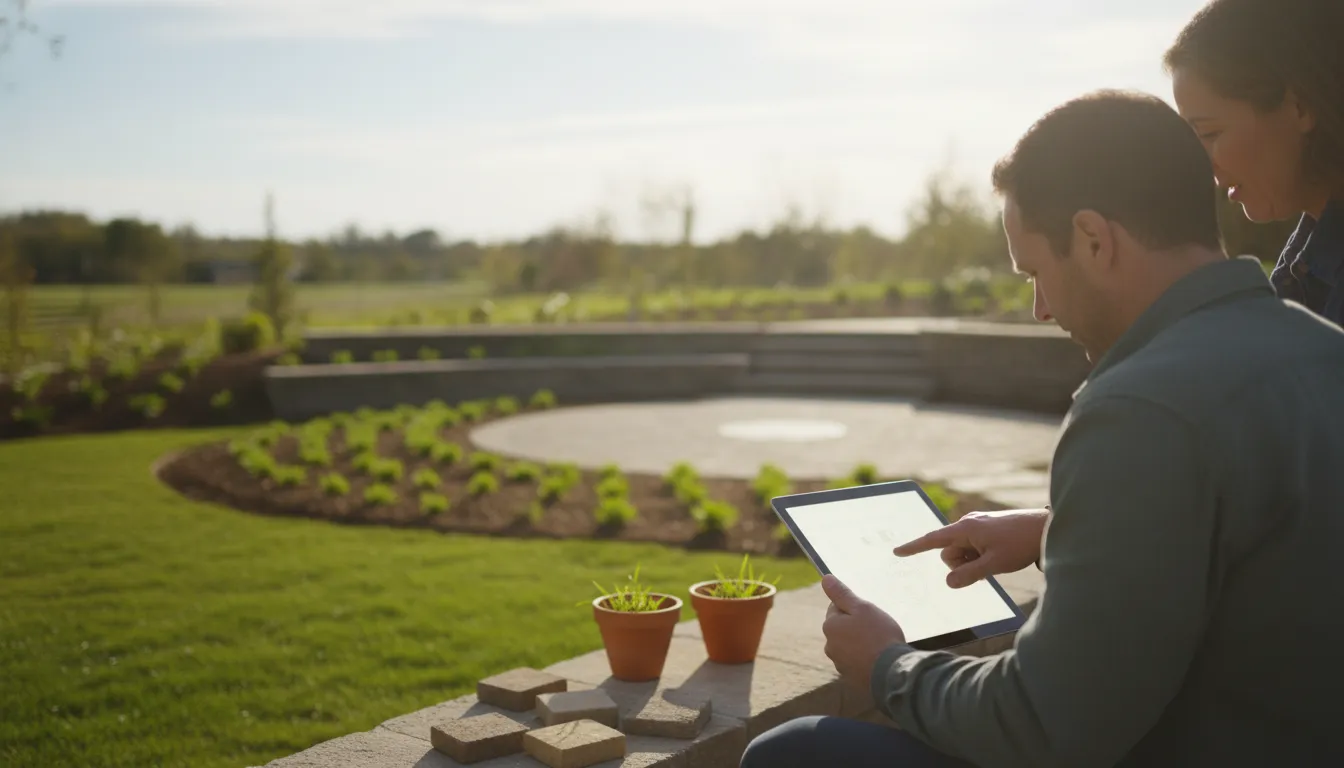
Find the Best Landscape Design Companies for Your Business
No obligation • Fast responses • Nationwide coverage

Why you can trust Landscape Atlas
Landscape Atlas is a leading United States resource for evaluating landscaping, lawn care, and outdoor service providers. Our team researches each category in depth, focusing on service quality, safety, and customer experience. Listings and rankings are based on independent criteria and user feedback, and companies cannot pay to influence our assessments or recommendations.
Search providers near you
Top Landscape Design Companies in Durham, North Carolina Ranked
Creating a beautiful and functional outdoor space in Durham requires a thoughtful blend of art and science. Landscape design is the process of planning and arranging the natural and built features of your yard to create an environment that is both aesthetically pleasing and practical for your lifestyle. In the Bull City, this means working with the unique Piedmont climate and clay soils to craft sustainable, low-maintenance gardens and outdoor living areas. This guide will help you understand the key considerations, popular features, and process of working with a professional to transform your property into a personal oasis.
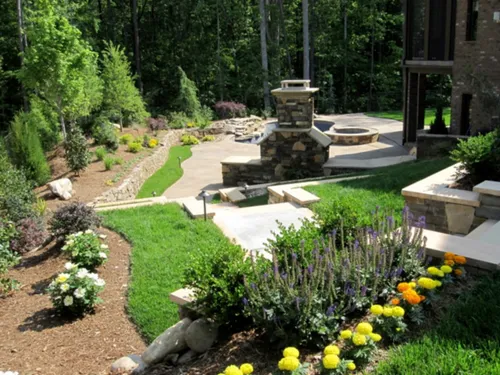
DreamScapes
4913 Professional Ct, Raleigh, NC 27609
DreamScapes is a landscaping company based in Raleigh, NC, offering a wide range of residential and commercial landscaping services. Their expertise includes lawn mowing, fertilization, weed control, sod and artificial turf installation, landscape lighting, design, tree services, yard drainage, sprinkler installation and repair, as well as hardscaping such as pavers and retaining walls. With over fifteen years of experience, DreamScapes serves the greater Raleigh area including Cary, Wake Forest, Durham, and Chapel Hill. They provide customized landscape design and maintenance plans, combining hardscapes, planting, and lighting to meet client needs. DreamScapes sources materials from local high-quality suppliers and is known for attention to detail and comprehensive service. The company does not specify special availability hours.
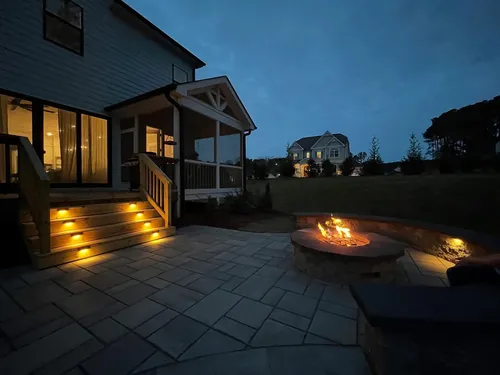
A Great View Property Services
Durham, NC
A Great View Property Services is a landscaping company based in Durham, NC, specializing in landscape design and outdoor living spaces. They offer residential and commercial landscaping services aimed at creating functional and attractive outdoor environments. With years of experience, the company focuses on transforming properties into inviting spaces that enhance the lives of their clients.

Wood Brothers Landscaping
316A Woodhaven Rd, Chapel Hill, NC 27514
Wood Brothers Landscaping is a full-service landscaping and hardscaping company based in Chapel Hill, serving Durham, NC, and nearby areas. They provide residential and commercial landscaping, including sod installation, grading, gravel driveway construction and repair, custom hardscapes like flagstone pathways and retaining walls, tree and shrub installations, and land clearing. Their expertise includes gravel driveway grading and drainage solutions such as piping and culverts. The company serves both homes and businesses, maintaining commercial properties including hotels in the region. Wood Brothers Landscaping works closely with clients to design and execute outdoor projects that enhance curb appeal and property value.
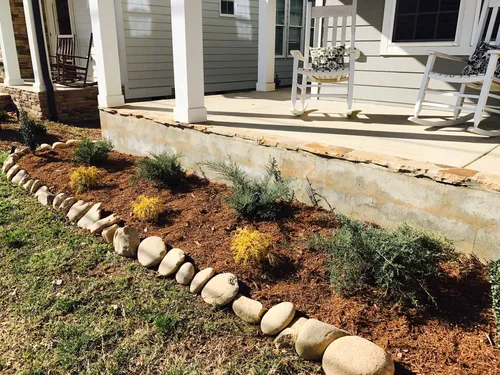
Redwood Land Design
Raleigh, NC
Redwood Land Design is a landscape design and hardscaping company based in Raleigh, NC. They offer personalized landscape and hardscape services, including design and installation of features such as pavers and retaining walls. The team is led by owner Matt Timmerman, who has over 10 years of experience in horticulture and landscape design, ensuring creative and attentive project execution. Redwood Land Design emphasizes individualized service and flexibility in scheduling to meet client needs.
Agape Lawn Company
2500 Regency Pkwy Suite 211, Cary, NC 27518
Agape Lawn Company provides comprehensive lawn care, landscaping, and outdoor living services to homeowners in Raleigh, NC. Their offerings include lawn fertilization, weed control, sod installation, irrigation system installation and repair, tree and shrub care, landscape design, and hardscaping features such as patios and retaining walls. Established in 2009, the company combines years of experience with a wide range of capabilities to maintain and enhance residential properties in the area.
Understanding Durham's Landscape Environment
Successful garden design in Durham starts with a deep understanding of the local environment. The city lies in the Piedmont region, characterized by USDA Hardiness Zones 7b and 8a. This means residents experience hot, humid summers and generally mild winters. This climate favors plants that can withstand summer heat and occasional drought periods.
The predominant soil type is clay-heavy, which presents both a challenge and an opportunity. Clay soil retains moisture well but can drain poorly and become compacted. A key part of any landscape plan for Durham properties involves soil assessment and amendment, often with compost, to improve drainage and fertility for a wider range of plants. Many local designers emphasize the use of native plants that are naturally adapted to these conditions, requiring less water, fertilizer, and overall maintenance.
Core Principles of Residential Landscape Architecture
Professional landscape design is guided by fundamental principles that ensure a cohesive and balanced result. These principles include unity, balance, proportion, and rhythm. Designers use these concepts to organize the basic elements of a landscape: line, form, color, texture, and visual weight.
For example, line guides the eye and movement through the garden, created by bed edges, pathways, or the silhouette of a tree. Form refers to the shape of plants and structures, while color and texture add depth and interest throughout the seasons. Applying these principles thoughtfully creates a yard that feels intentional and harmonious, rather than a random collection of plants and features.
Functional Zoning: Planning Your Outdoor Space
A well-conceived landscape plan divides your property into functional zones, each serving a distinct purpose. This zoning is a cornerstone of practical residential landscape design.
- Public Zone: This is typically the front yard, the area visible from the street. Design here focuses on curb appeal, creating a welcoming entryway and enhancing your home's architecture. Elements might include a defined walkway, foundation plantings, and a low-maintenance lawn or groundcover.
- Private Zone: Usually the backyard, this is your personal sanctuary for relaxation and entertainment. This zone may include patios, decks, outdoor kitchens, dining areas, fire pits, and play spaces for children. The design prioritizes privacy, comfort, and seamless flow from the indoors out.
- Service Zone: This utilitarian area is for composting, trash storage, tool sheds, or vegetable gardens. Good design cleverly screens these necessary functions from the main living areas using fencing, lattice, or attractive plantings 1.
Popular Design Features for Durham Homes
Integrating both "hardscape" (built) and "softscape" (planted) elements creates a dynamic and usable landscape.
Hardscape Features: These provide structure and function. Popular choices in Durham include:
- Patios & Walkways: Constructed from pavers, flagstone, or gravel to define outdoor rooms and provide stable surfaces.
- Retaining Walls: Useful for managing sloped yards, creating planting terraces, and preventing erosion.
- Outdoor Living Elements: Fire pits, fireplaces, and outdoor kitchens extend the usable season and functionality of your backyard, creating a true outdoor room.
- Lighting: Strategic lighting enhances safety, highlights architectural or botanical features, and allows for evening enjoyment.
Softscape Features: This is the living, growing heart of your garden design.
- Native Plant Beds: Utilizing species like Oakleaf Hydrangea, Coneflower, and various Ferns supports local ecology, attracts pollinators, and ensures resilience 2.
- Shade Trees: Essential for cooling patios and homes during Durham's hot summers.
- Edible & Pollinator Gardens: Incorporating fruits, vegetables, and nectar-rich flowers adds both beauty and purpose.
Find the perfect landscape design companies for your needs
Get personalized recommendations and expert advice
The Professional Design and Installation Process
Engaging a landscape design professional typically follows a structured process to ensure your vision becomes reality.
- Consultation & Site Analysis: This initial meeting discusses your needs, style preferences, budget, and how you want to use your space. The designer will conduct a thorough site analysis, noting sun/shade patterns, soil conditions, drainage issues, and existing vegetation 3.
- Conceptual & Master Planning: The designer translates your ideas and site data into a conceptual plan. This often includes sketches or digital renderings that illustrate the layout, zoning, and proposed elements. A final master plan details the placement of every plant and hardscape feature 4.
- Installation: A qualified team executes the plan, focusing on proper techniques for soil preparation, planting, and construction. Emphasis is placed on using quality materials and sustainable practices to ensure the longevity and health of the landscape.
Investment and Value Considerations
The cost of landscape design services and installation in Durham varies significantly based on the project's scope and complexity. Understanding typical price ranges can help in planning.
- Material Costs: Basic materials like mulch can range from $70 to $120 per cubic yard, while sod installation may cost $1-2 per square foot.
- Planting Costs: Individual plants vary widely: perennials ($10-$30+), shrubs ($25-$150+), and small trees ($150-$400+). A complete garden bed installation, including soil amendment, plants, and mulch, may range from $15 to $30 per square foot 5 6.
- Project Scale: Simple refreshes like new mulching and planting may cost a few hundred dollars. Comprehensive projects involving custom patios, outdoor kitchens, lighting, and extensive planting are significant investments, often ranging into the thousands, but they correspondingly add substantial aesthetic, functional, and property value 7.
A thoughtfully designed landscape is more than just decoration; it's an investment in your quality of life and your property's value. By working with the local environment and focusing on sustainable, functional design, you can create an outdoor space that you and your family will enjoy for years to come.
Frequently asked questions
Sources
Footnotes
-
Spruce Up Your Site: How to Plan a Residential Landscape Design - https://www.skh.com/blog/residential-landscape-design/ ↩
-
Landscape Design - Brightleaf - https://www.brightleaflandscaping.com/durham-landscape-design/ ↩
-
Principles of Landscape Design - Colorado Master Gardener - https://cmg.extension.colostate.edu/Gardennotes/413.pdf ↩
-
The 5 Basic Elements of Landscape Design - https://www.curtilandscaping.com/blog/the-5-basic-elements-of-landscape-design/ ↩
-
Residential Landscaping, Durham, NC - https://garden-environments.com/landscape-design-durham-nc/residential-landscaping/ ↩
-
How Much Does Landscaping Cost? | Durham NC Price Guide - https://www.leisurelandscapes.com/how-much-does-landscaping-cost/ ↩
-
landscape design definition - https://www.toddhaimanlandscapedesign.com/blog/what-is-landscape-design ↩