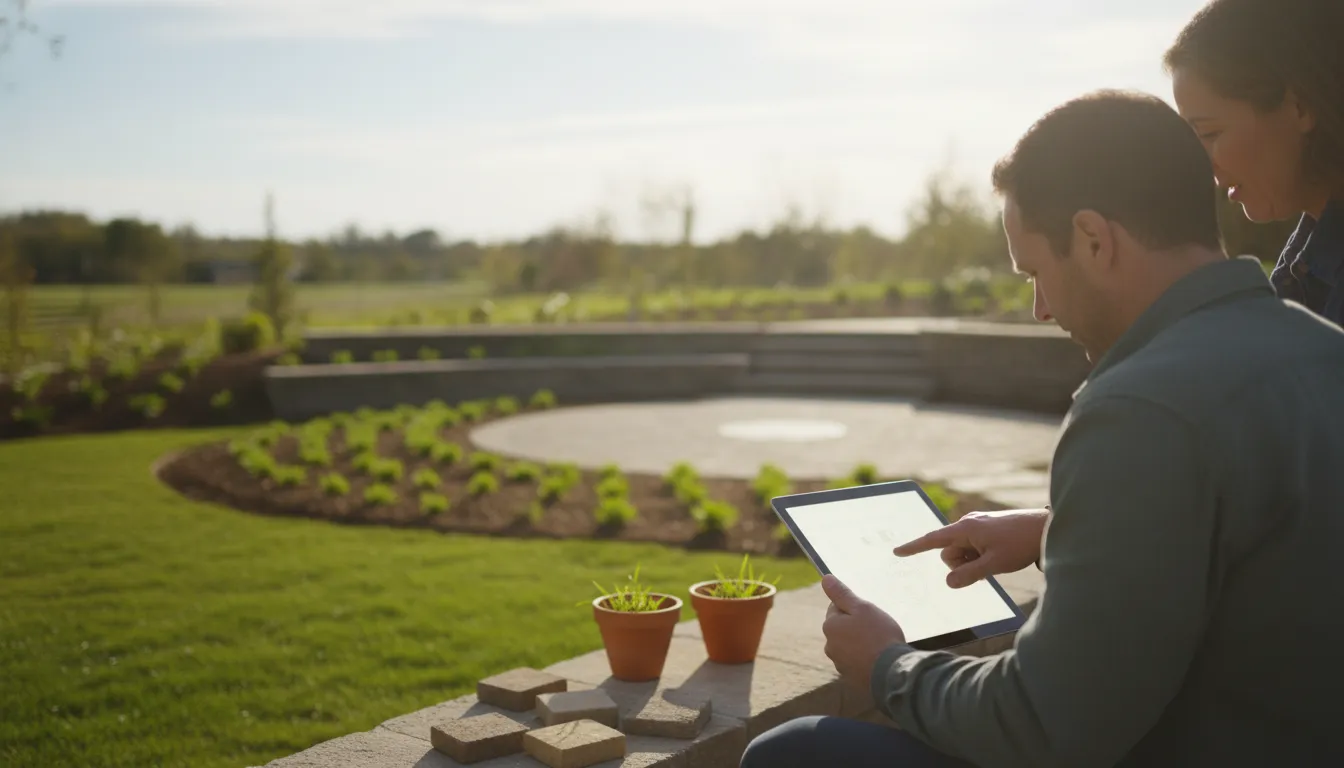
Find the Best Landscape Design Companies for Your Business
No obligation • Fast responses • Nationwide coverage

Why you can trust Landscape Atlas
Landscape Atlas is a leading United States resource for evaluating landscaping, lawn care, and outdoor service providers. Our team researches each category in depth, focusing on service quality, safety, and customer experience. Listings and rankings are based on independent criteria and user feedback, and companies cannot pay to influence our assessments or recommendations.
Search providers near you
Top Landscape Design Companies in Greensboro, North Carolina Ranked
Creating a beautiful and functional outdoor space in Greensboro requires a thoughtful approach that blends aesthetics with the realities of our local climate. Landscape design is the art and science of planning and arranging living plants, hard structures, and open spaces to create an environment that is both useful and visually pleasing. A well-executed design plan transforms your yard into a true extension of your home, increasing your property's enjoyment and value. This guide will help you understand the key principles, styles, and considerations for successful garden design in Greensboro, empowering you to connect with local professionals who can bring your vision to life.
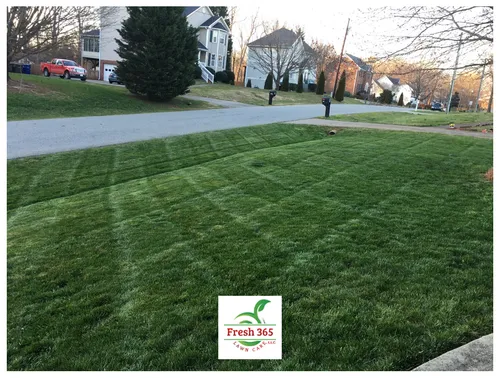
Fresh 365 Lawn Care, LLC
Winston Salem, NC
Fresh 365 Lawn Care, LLC is a licensed and insured lawn care and landscaping company based in Winston Salem, NC. They offer a full range of lawn care, maintenance, and landscaping services tailored to individual lawns, including lawn mowing, fertilization, weed control, trimming, leaf removal, and custom landscaping projects. Their team emphasizes personalized annual programs and detailed treatments to help lawns thrive. Fresh 365 Lawn Care focuses on building trusting client relationships and delivering attentive service to create enjoyable outdoor spaces.
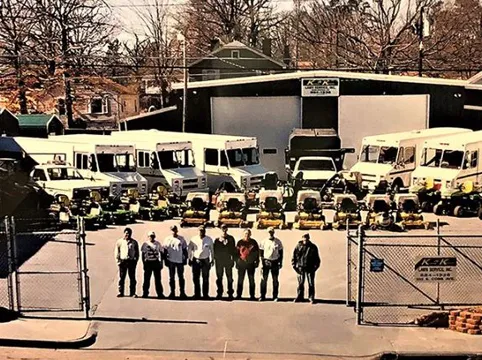
K & K Lawn Service Inc.
235 S Cobb Ave, Burlington, NC 27217
K & K Lawn Service Inc. is a landscaping contractor based in Greensboro, NC, serving Gibsonville, Whitsett, Burlington, Elon, Graham, and nearby areas. Since 1974, they have provided a wide range of lawn care and landscaping services, including lawn mowing, edging, weed control, landscape design, and installation of landscape lighting and hardscaping features such as patio pavers and drainage systems. Their experienced team works with both residential and commercial clients to maintain and enhance outdoor spaces with comprehensive care and design solutions.
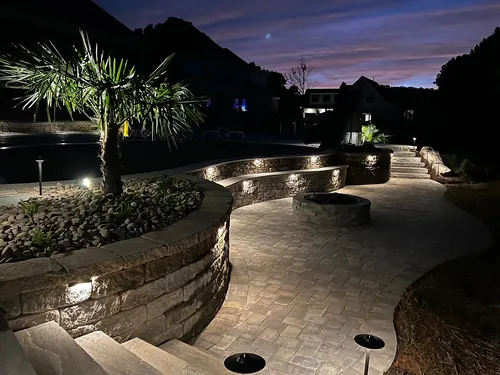
Lakeview Farms Landscaping & Maintenance Inc
Winston Salem, NC
Lakeview Farms Landscaping & Maintenance Inc is a family-owned landscaping company serving Winston Salem, NC, and the surrounding Triad area. With over 25 years of experience, they offer a wide range of services including lawn care, landscape design, hardscaping, tree care, irrigation system installation and maintenance, and outdoor lighting. Their expertise includes custom turf care plans, sustainable landscaping solutions, and durable hardscape installations such as patios and retaining walls. The company emphasizes eco-friendly practices and provides manufacturer warranties on their products.
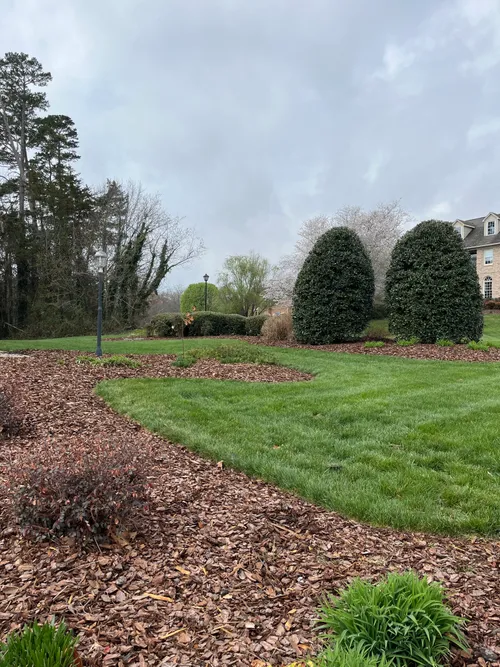
Cecilio’s Landscaping LLC
Greensboro, NC
Cecilio's Landscaping LLC is a family-owned lawn care and landscaping company serving Greensboro, NC. They offer a wide range of services including lawn mowing, fertilization, weed control, tree trimming, landscape design, and hardscaping such as patios, walkways, fire pits, and retaining walls. The company also provides yard drainage solutions like French drains and erosion control to protect properties and maintain healthy landscapes. Their team is experienced in creating and maintaining outdoor spaces that combine beauty and functionality.
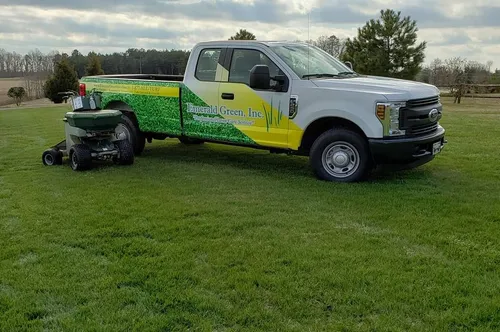
Emerald Green, Inc
1611 NC-61, Whitsett, NC 27377
Emerald Green, Inc is a family-owned lawn care and landscaping company serving Greensboro, NC. With over 25 years of experience, they offer comprehensive lawn fertilization, weed control, pest management, ornamental tree and shrub care, and landscape design services. Their team creates custom treatment plans based on grass type, soil conditions, and climate to maintain healthy, vibrant lawns year-round. Emerald Green, Inc also provides seasonal lawn treatments, overseeding, aeration, and soil conditioning to promote long-term lawn health and curb appeal.
Understanding Greensboro's Landscape Canvas
Successful outdoor design starts with a deep understanding of your site's specific conditions. In Greensboro, several environmental factors are crucial to consider from the outset.
Climate & Hardiness Zone: Greensboro is in USDA Plant Hardiness Zone 8a, characterized by mild winters and long, hot, humid summers. This climate allows for a long growing season but demands plants that can withstand summer heat and occasional drought. Selecting plants rated for Zone 8a ensures they will survive our winter lows.
Sun and Shade Patterns: Before placing a single plant or patio stone, spend time observing how sunlight moves across your property. Mapping full sun, partial shade, and full shade areas throughout the day is essential for placing plants according to their light needs and positioning activity zones for comfort. A dining area might be best in morning sun and afternoon shade, while a vegetable garden requires a full-sun location.
Soil and Drainage: Much of the soil in our area is clay-heavy, which can hold nutrients well but also compacts easily and drains poorly. Understanding your soil type is critical. Amending clay soil with organic matter can improve its structure, or you can choose plants that thrive in heavier soils. Equally important is observing how water flows and pools during a heavy rain; a good design will manage stormwater runoff effectively, directing it away from your home's foundation and preventing erosion.
Defining Your Outdoor Style and Zones
Your landscape should reflect your personal taste and how you want to live outdoors. Start by considering popular design aesthetics and then think about dividing your yard into functional "rooms."
Design Styles for Greensboro Homes:
- Modern: Characterized by clean lines, geometric shapes, and sleek materials like stained concrete, steel edging, and large-format stone pavers. Plantings are often minimalist, using ornamental grasses, structural shrubs, and single-species mass plantings for dramatic effect 1.
- Traditional: Features symmetry, classic elements like brick walkways, and lush, layered plantings. Think boxwood hedges, flowering perennials, and a central focal point such as a fountain or specimen tree.
- Informal/Naturalistic: Emulates a more relaxed, meadow-like feel. This style often uses curved beds, native plants, and informal stone or gravel pathways. It's well-suited to the Greensboro Sustainable Landscapes Project ethos, which promotes ecologically friendly gardens.
Creating Functional Zones: Think of your yard as an outdoor floor plan. Common zones include:
- Living/Dining Zone: For entertaining and relaxing, often featuring a patio, deck, pergola, outdoor furniture, and a fire pit or fireplace.
- Play/Lawn Zone: An open area for children, pets, or recreational activities.
- Utility Zone: A screened area for trash/recycling bins, compost, or a vegetable garden.
- Garden/Planting Beds: Areas dedicated to the beauty of plants, whether for cutting flowers, attracting pollinators, or simply providing year-round visual interest.
Find the perfect landscape design companies for your needs
Get personalized recommendations and expert advice
Key Elements of a Greensboro Landscape
A cohesive design weaves together "hardscape" (the non-living elements) and "softscape" (the plants).
Hardscaping: The Foundation Hardscape provides structure and defines how you move through and use the space.
- Patios & Walkways: Materials range from natural flagstone and brick to modern poured concrete. Proper base preparation is key for longevity, especially with our clay soil that can shift with freeze-thaw cycles.
- Retaining Walls: Useful for managing slopes, creating level planting areas, and adding visual interest. They can be built from stone, brick, or modular block systems.
- Fire Features: A fire pit or outdoor fireplace extends the usability of your landscape into cooler evenings, creating a natural gathering spot.
- Lighting: Strategic lighting enhances safety on paths and steps, highlights architectural plants or trees, and allows you to enjoy your garden after dark.
Softscaping: The Living Layer This is where your design comes alive with color, texture, and seasonal change.
- Native & Adapted Plants: The cornerstone of a sustainable, low-maintenance Greensboro garden. Native plants like Eastern Bluestar (Amsonia tabernaemontana), Butterfly Weed (Asclepias tuberosa), and various native grasses are adapted to our climate, require less water, and provide crucial habitat for birds and pollinators 2 3.
- Trees for Structure and Shade: Trees are long-term investments. Select species that provide cooling shade for your home or patio, such as Willow Oak or Red Maple, while considering their mature size.
- Layered Plantings: Design beds with a mix of trees, shrubs, perennials, and groundcovers to create depth and year-round interest. Drought-tolerant ornamental grasses are excellent for adding movement and texture.
Water Management & Features: Beyond choosing thirsty plants, smart design incorporates water. This includes creating rain gardens or bioswales to capture runoff, using permeable paving materials, and directing downspouts into planted areas. For ambiance, a simple recirculating fountain or bubbler can add the soothing sound of water without a large pond.
Planning for Sustainability and Budget
A beautiful landscape should also be a responsible one. Greensboro's climate makes sustainable practices not just an eco-friendly choice, but a practical one.
Embracing Sustainable Practices: The Greensboro Sustainable Landscapes Project is a local initiative that provides excellent resources for creating landscapes that conserve water, reduce pollution, and support local ecosystems 4. Key principles include:
- Reducing Lawn Area: Replacing thirsty turfgrass with native groundcovers, perennial beds, or mulch.
- Conserving Water: Using drip irrigation, rain barrels, and the right plants in the right place to minimize supplemental watering.
- Improving Soil Health: Adding compost to build healthy soil that retains moisture and supports plant growth.
Understanding Investment Ranges: Landscape design and installation costs in Greensboro vary dramatically based on scope, materials, and plant sizes.
- Foundational Investment ($100s - $1,000s): Ideal for DIY-focused projects or working with a designer on a plan you install yourself. This range covers new mulch, installing a few stepping stone paths, adding a small bed of native plants, or refreshing existing landscaping 5.
- Moderate Transformation ($2,000 - $10,000+): This tier typically includes professional installation of new planting beds with good-sized plants, a basic patio or walkway, and perhaps a simple retaining wall or pre-fabricated fire pit.
- Comprehensive Renovation ($10,000 - $50,000+): For extensive projects involving large-scale hardscaping (like an expansive patio with an outdoor kitchen), sophisticated lighting and irrigation systems, significant grading, custom water features, or large specimen trees installed by professionals 6.
The most successful projects start with a clear vision and a realistic budget. A professional designer can help you prioritize elements and develop a master plan that can be implemented in phases over time.
Frequently asked questions
Sources
Footnotes
-
A Guide to Popular Landscape Design Styles - https://lamacchialandscapeco.com/landscape-design-styles/ ↩
-
Greensboro - Native Garden Designs - Wild Ones - https://nativegardendesigns.wildones.org/designs/greensboro/ ↩
-
Plant Selection Guides for a Beautiful Garden - https://www.gardenia.net/guides/plant-selection-guides ↩
-
Greensboro Sustainable Landscapes Project - https://www.greensboro-nc.gov/departments/office-of-sustainability-and-resilience/sustainability-programs/greensboro-sustainable-landscapes-project ↩
-
14 Cheap, Simple Landscaping Ideas for Your Front Yard - LAHomes.com - https://www.lahomes.com/blog/curb-appeal-on-a-budget-7-tips-to-make-your-yard-stand-out/ ↩
-
Modern Garden Ideas for Greensboro, NC - Neighborbrite Blog - https://blog.neighborbrite.com/greensboro-nc-modern-garden-ideas ↩