Find the Best Landscape Design Companies for Your Business
No obligation • Fast responses • Nationwide coverage

Why you can trust Landscape Atlas
Landscape Atlas is a leading United States resource for evaluating landscaping, lawn care, and outdoor service providers. Our team researches each category in depth, focusing on service quality, safety, and customer experience. Listings and rankings are based on independent criteria and user feedback, and companies cannot pay to influence our assessments or recommendations.
Search providers near you
Best Landscape Design Companies in Wisconsin Ranked
Creating a beautiful and functional outdoor space in Wisconsin requires a thoughtful approach that embraces the state's unique climate and natural beauty. Professional landscape design transforms your property by strategically planning plantings, hardscapes, and outdoor living areas to suit your lifestyle while respecting the local environment. This resource connects you with experienced professionals who understand how to navigate Wisconsin's distinct seasons, soil conditions, and local regulations to create a sustainable and stunning yard you'll enjoy for years.
Fence and Deck Pros
2960 N 75th St, Milwaukee, WI 53210
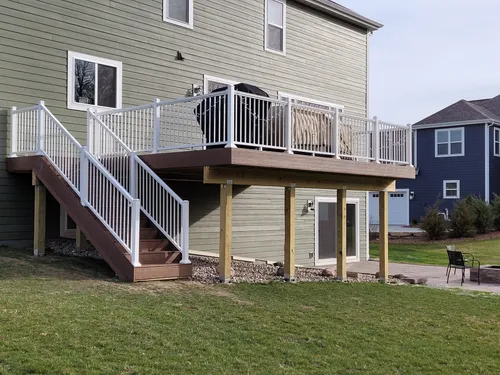
Fence and Deck Pros is an exterior structure specialist based near Milwaukee, WI. They provide fence installation, landscape design, and hardscaping services including decks, patios, pergolas, and retaining walls. The company serves Milwaukee and surrounding areas such as Wauwatosa, Mequon, Racine, and Waukesha. They offer a variety of fencing options for residential, commercial, industrial, and security needs, and work with materials like treated wood, synthetic wood, and sustainable options. Fence and Deck Pros also provides design recommendations to help bring customer visions to life.

Western Landscape LLC
6880 County Rd M, Verona, WI 53593
Western Landscape LLC is a full-service lawn care and landscaping company based in Madison, WI. Founded by brothers Sam and Elijah, the company offers a wide range of services including lawn mowing, fertilization, weed control, landscape design, hardscaping, snow removal, and luxury vinyl plank installation for both residential and commercial properties. They are known for transforming outdoor spaces into attractive and functional areas, serving Madison and the surrounding communities.
Corbin Landscaping and Lawn Care
Milwaukee, WI
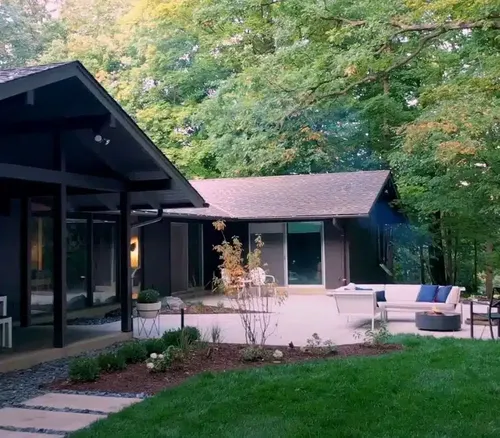
Corbin Landscaping and Lawn Care is a landscaping and lawn care company based in Milwaukee, WI. They offer landscape design, garden services, and maintenance including leaf cleanup, mulching, bush trimming, and seasonal cleanups. Their services cover Brookfield, Elm Grove, and surrounding areas, focusing on creating and maintaining gardens with features like flower beds and paver patios. The team emphasizes sustainability and aims to enhance outdoor spaces with professional care.
Sugar River Services, LLC
41 E Main St, Belleville, WI 53508
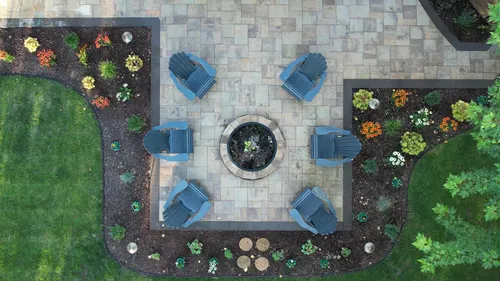
Sugar River Services, LLC is a landscape and hardscape company based in Madison, WI. They offer a range of residential and commercial services including landscape design, tree removal, stump grinding, and hardscaping such as pavers and retaining walls. Their skilled landscape designer collaborates with clients to develop customized plans, and they also provide deck installation tailored to customer needs.
Dreger Lawn & Landscape
10051 Mid Town Rd, Verona, WI 53593
Dreger Lawn & Landscape is a full-service lawn care, landscaping, and hardscaping company based in Madison, WI. They serve West Madison, Middleton, Verona, Fitchburg, Cross Plains, and surrounding areas, offering landscape maintenance, installation, and hardscape installation. Their team manages projects from initial consultation through planning, execution, and ongoing support to maintain outdoor spaces year-round. Dreger Lawn & Landscape is known for its local roots and commitment to quality results and strong communication.
Understanding Wisconsin's Climate for Your Landscape
A successful Wisconsin landscape begins with a deep respect for the local climate. The state experiences four distinct seasons, from humid summers to harsh, cold winters, which directly influences every design decision.
- Hardiness Zones: Wisconsin spans USDA Plant Hardiness Zones 3b to 5b. This means plants must be selected for their ability to survive winter temperatures that can plummet to -35°F in northern regions. A professional designer will choose trees, shrubs, and perennials proven to thrive in your specific zone.
- Water Management: The state receives an average of 30 inches of precipitation annually, but it can be highly variable. Proper grading, drainage solutions, and plant selection are critical to prevent water from pooling around your foundation or creating soggy, unusable areas of your yard.
- Growing Season: The frost-free period ranges from about 90 days in the north to 160 days in the southeast. This short window dictates planting schedules and project timelines, making advance planning with a designer essential.
- Humidity: Summer humidity can contribute to fungal diseases in plants. A good design will incorporate proper plant spacing and selection of disease-resistant varieties to ensure long-term health with less maintenance.
Popular Landscape Design Styles for Wisconsin Homes
Your landscape should reflect your personal taste while being practical for the Midwest. Several styles are particularly well-suited to Wisconsin's character.
- Naturalistic/Native Gardens: This eco-friendly style uses plants indigenous to the region to mimic local ecosystems. It promotes biodiversity, supports pollinators, and typically requires less water and fertilizer once established. Think of prairie grasses, native wildflowers, and oak savanna-inspired plantings.
- Cottage Garden: An informal, lush, and romantic style featuring a dense mix of flowering perennials, herbs, and sometimes edible plants. It often incorporates rustic hardscaping like flagstone paths or a picket fence, creating a charming, lived-in feel.
- Modern/Minimalist: Characterized by clean lines, geometric forms, and a limited plant palette. This style often focuses on structural elements like sleek patios, raised planters, and specimen trees or grasses, creating a serene and orderly outdoor space.
- Woodland/Shade Gardens: Ideal for properties with mature trees, this style focuses on shade-tolerant native plants like ferns, hostas, Solomon's seal, and understory trees such as serviceberry or redbud. It creates a cool, tranquil retreat that works with the existing tree canopy.
Navigating Local Regulations and Permits
Before breaking ground on any significant landscape project, it's crucial to understand local rules. Municipalities across Wisconsin have ordinances to ensure safety, proper drainage, and community standards.
- Common Projects Requiring Permits: Retaining walls over a certain height (often 2-4 feet), extensive grading or drainage alterations, new deck or patio installations, and sometimes significant tree removal all typically require a permit. Even fence height and placement are regulated.
- Local Site Standards: Cities like Brookfield have detailed Site Development and Landscape Standards that govern everything from parking lot landscaping to residential buffer zones and tree preservation 1. Your local municipality will have its own set of rules.
- The Role of a Professional: A knowledgeable landscape designer or contractor will be familiar with the permit process in your area. They can prepare the necessary site plans and applications, helping you avoid costly delays or violations 2 3.
Find the perfect landscape design companies for your needs
Get personalized recommendations and expert advice
Key Design Elements for Wisconsin Properties
Beyond style, several functional elements are vital for a resilient Wisconsin landscape.
- Hardscaping for Durability: Choose materials that can withstand freeze-thaw cycles. Properly installed concrete pavers, natural stone like Wisconsin limestone, and sealed concrete are excellent choices for patios and walkways. Ensure all hardscapes have a slight pitch for water runoff.
- Sustainable Practices: Incorporating a rain garden is a beautiful and effective way to manage stormwater runoff, filter pollutants, and provide habitat. Using permeable pavers, selecting drought-tolerant native plants, and installing efficient irrigation zones are all hallmarks of a sustainable design.
- Four-Season Interest: A great design provides visual appeal year-round. This can include evergreen conifers for winter structure, trees with interesting bark (like paperbark maple or river birch), ornamental grasses that stand tall in snow, and shrubs with persistent berries for wildlife.
- Soil Health: Wisconsin soils vary from heavy clay to sandy loam. Amending soil with compost at planting time and using mulch to retain moisture and regulate temperature are foundational steps for plant health.
Understanding Investment and Project Scope
Landscape design and installation is an investment in your property's value and your quality of life. Costs can vary widely based on the project's complexity, materials, and size.
- Design Fees: Professional design services may range from a few hundred dollars for a consultation and simple plan to $5,000 or more for a comprehensive master plan for a large property. Fees can be structured as a flat rate, hourly, or a percentage of the installation cost.
- Project Cost Ranges:
- Basic Installation (new planting beds, small patio): $2,000 - $8,000
- Mid-Range Project (larger patio, walkway, defined planting areas): $8,000 - $25,000
- Full Outdoor Living Overhaul (including features like an outdoor kitchen, fireplace, retaining walls, lighting, and extensive planting): $25,000 - $100,000+ 4 5
- Factors Influencing Cost: The primary cost drivers are the choice of materials (e.g., bluestone vs. basic concrete), the amount of site preparation needed (grading, drainage, removal), plant sizes and types, local labor rates, and permit fees.
Working with a qualified professional ensures your budget is allocated efficiently to create a cohesive and lasting result. They can help you phase a large project over several years, prioritizing elements that deliver the most immediate enjoyment and function.
Frequently asked questions
Sources
Footnotes
-
Site Development and Landscape Standards - Brookfield, WI - https://www.ci.brookfield.wi.us/DocumentCenter/View/19162/Site-Development-and-Landscape-Standards-2022-04-19 ↩
-
Our Wisconsin Hardscaping & Landscaping Permit Guide - https://ecoharmonylandscaping.com/wisconsin-hardscaping-landscaping-permit-guide/ ↩
-
Our Wisconsin Hardscaping & Landscaping Permit Guide - https://ecoharmonylandscaping.com/wisconsin-hardscaping-landscaping-permit-guide/ ↩
-
Planning and Designing Your Home Landscape - https://barron.extension.wisc.edu/files/2023/02/Planning-and-Designing-your-Home-Landscape-1.pdf ↩
-
How to Charge for Landscape Design to Win More Business and Make ... - https://www.landscapeleadership.com/blog/how-to-charge-for-landscape-design-fees ↩