Find the Best Landscape Design Companies for Your Business
No obligation • Fast responses • Nationwide coverage

Why you can trust Landscape Atlas
Landscape Atlas is a leading United States resource for evaluating landscaping, lawn care, and outdoor service providers. Our team researches each category in depth, focusing on service quality, safety, and customer experience. Listings and rankings are based on independent criteria and user feedback, and companies cannot pay to influence our assessments or recommendations.
Search providers near you
Top Landscape Design Companies in Madison, Wisconsin Ranked
A well-conceived landscape design transforms your Madison property into a beautiful, functional extension of your home, tailored to our unique climate and seasons. It's more than just planting; it's the artful planning of outdoor spaces for relaxation, entertainment, and connection with nature. This guide will help you understand the key considerations for planning your outdoor space and connect you with local professionals who can bring your vision to life.

Western Landscape LLC
6880 County Rd M, Verona, WI 53593
Western Landscape LLC is a full-service lawn care and landscaping company based in Madison, WI. Founded by brothers Sam and Elijah, the company offers a wide range of services including lawn mowing, fertilization, weed control, landscape design, hardscaping, snow removal, and luxury vinyl plank installation for both residential and commercial properties. They are known for transforming outdoor spaces into attractive and functional areas, serving Madison and the surrounding communities.
Sugar River Services, LLC
41 E Main St, Belleville, WI 53508
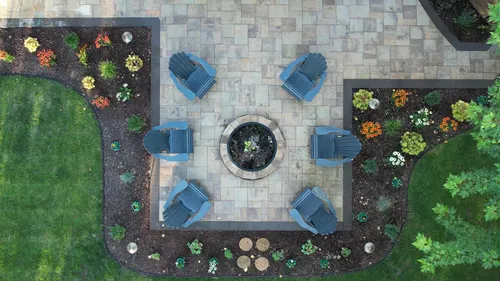
Sugar River Services, LLC is a landscape and hardscape company based in Madison, WI. They offer a range of residential and commercial services including landscape design, tree removal, stump grinding, and hardscaping such as pavers and retaining walls. Their skilled landscape designer collaborates with clients to develop customized plans, and they also provide deck installation tailored to customer needs.
Dreger Lawn & Landscape
10051 Mid Town Rd, Verona, WI 53593
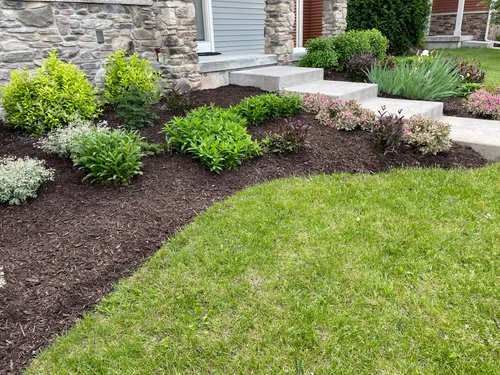
Dreger Lawn & Landscape is a full-service lawn care, landscaping, and hardscaping company based in Madison, WI. They serve West Madison, Middleton, Verona, Fitchburg, Cross Plains, and surrounding areas, offering landscape maintenance, installation, and hardscape installation. Their team manages projects from initial consultation through planning, execution, and ongoing support to maintain outdoor spaces year-round. Dreger Lawn & Landscape is known for its local roots and commitment to quality results and strong communication.
Carrington Lawn & Landscape
4387 Schwartz Rd, Middleton, WI 53562
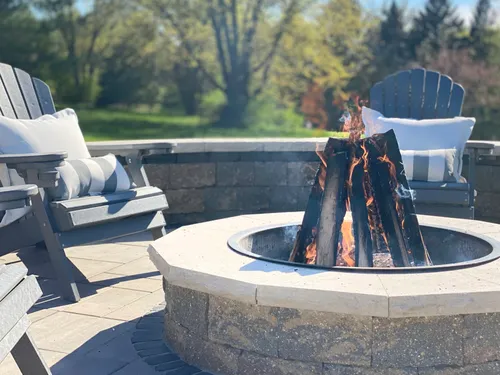
Carrington Lawn & Landscape is a full-service landscaping company based in Madison, WI, specializing in lawn care, landscape design, hardscaping, tree services, and outdoor lighting installation. Established in 1998, they offer customized solutions including lawn fertilization, weed control, retaining walls, and landscape lighting to enhance both the beauty and functionality of outdoor spaces. Their team manages projects from initial consultation through installation and ongoing maintenance, focusing on tailored designs that reflect clients' lifestyles. They also provide commercial snow removal services with certified expertise during winter months.
Vince Landscaping
757 Swallowtail Dr, Oregon, WI 53575
Vince Landscaping is a family-owned landscaping company serving Madison, WI. They provide a wide range of services including lawn care, landscape design, hardscaping, tree removal, stump grinding, and snow removal for both residential and commercial properties. Their team offers personalized and sustainable landscaping solutions to enhance property beauty and functionality. Vince Landscaping is known for their expertise in creating custom outdoor spaces and maintaining lawns year-round.
Understanding Madison's Landscape Canvas
Successful garden design in Madison begins with a deep respect for the local environment. Our distinct four-season climate and soil conditions are not limitations but the foundation for a resilient and thriving outdoor space.
Climate & Hardiness: Madison is situated in USDA Hardiness Zones 4 and 5. This means cold winters with temperatures that can dip well below freezing and warm, often humid summers. A durable landscape plan selects plants proven to withstand these extremes, ensuring your garden has interest and structure throughout the year, from spring blooms to winter berries and evergreen forms.
Soil Considerations: The native soil in our area is often clay-heavy or loamy 1. While fertile, clay soil can drain slowly and become compacted. Understanding your specific soil type is crucial for plant health. Many landscape plans incorporate soil amendments, raised beds for vegetable or specialty gardens, and strategic grading to ensure proper drainage and prevent water from pooling near your home's foundation.
Core Elements of a Madison Landscape Plan
A comprehensive outdoor design weaves together softscape (plants) and hardscape (built elements) to create cohesive, usable areas. Here are key components to consider for your property.
Creating Functional Zones
Think of your yard as a series of outdoor rooms. Defining distinct areas for different activities-such as a patio for dining, a lawn for play, a secluded garden nook, or a utility space for composting-brings order and purpose to the space. Pathways, often recommended to be at least 5 feet wide for main routes, gracefully connect these zones and guide movement.
Incorporating Hardscape and Outdoor Living
Hardscaping forms the backbone of your landscape's functionality. In Madison, where summers are cherished, features like patios, pergolas, and outdoor kitchens extend your living area. Using permeable pavers for patios and walkways can help manage stormwater runoff. Other popular elements include fire pits or fireplaces for cool evenings, and low retaining walls to manage slopes and create planting terraces.
Embracing Native Plants and Eco-Friendly Features
Integrating native plants is a smart strategy for garden design in our region. Plants like coneflower, black-eyed Susan, and native grasses are adapted to our climate and soils, requiring less water and maintenance once established. They also provide vital habitat for pollinators 2. A rain garden is another excellent feature for a Madison yard; it's a strategically placed, planted depression that captures runoff from roofs or driveways, filters pollutants, and recharges groundwater while adding beauty.
Ensuring Privacy and Screening
Whether you're in a close-knit neighborhood or on a more spacious lot, creating a sense of privacy can enhance your enjoyment of the outdoors. Strategic planting with layers of ornamental grasses, flowering shrubs, or small trees can screen views, buffer noise, and define property lines beautifully and naturally 3.
Find the perfect landscape design companies for your needs
Get personalized recommendations and expert advice
Fundamental Principles of Effective Design
Beyond the physical elements, great landscape architecture is guided by timeless artistic principles that create a sense of harmony and intention.
Unity and Balance: A cohesive design feels intentional and restful. Unity can be achieved by repeating certain plants, colors, or materials throughout the yard. Balance refers to the visual weight of the landscape; it can be symmetrical (formal) or asymmetrical (informal) but should feel stable and even.
Focal Points: Every engaging design has one or more focal points to draw the eye-a specimen tree, a striking sculpture, a vibrant flower bed, or a cozy fire pit. These elements create interest and give the landscape a sense of destination 4.
Simplicity and Scale: Avoiding clutter is key. Let major plants and architectural features shine by not overcrowding them with too many competing elements. It's also important to consider the mature size of plants and the scale of hardscape features relative to your home and lot size to ensure everything feels proportionate.
Functionality and Movement: A beautiful yard must also be livable. Designs should account for practical needs like space for garbage bins, easy access for maintenance, and sufficient clearance around furniture (typically at least 3 feet for comfortable movement) 5. The flow from one area to another should feel natural and intuitive.
Investment and Project Scope
The cost of landscape design and installation in Madison varies significantly based on the complexity and materials of your project. Understanding common scopes can help you plan your investment.
- Design-Only Services: Many professionals offer standalone planning services, which can start around $250-$500. This fee is often credited toward the total cost if you proceed with the same company for installation.
- Planting and Garden Beds: Installing new flower beds, shrub borders, or foundation planting can range from $500 for simple additions to $5,000 or more for extensive, complex gardens with mature plants and specialty soils.
- Hardscaping Projects: Adding features like patios, walkways, or retaining walls represents a larger investment, typically starting around $2,000 and easily reaching $10,000+ depending on the size and materials chosen (e.g., natural stone vs. concrete pavers).
- Complete Landscape Overhaul: A full property transformation that includes new grading, extensive hardscaping, lighting, irrigation, and comprehensive planting is a major project. Budgets for these overhauls often start at $10,000 and can extend to $50,000 or beyond for large, custom-designed estates 6 7.
A successful outdoor design for a Madison home thoughtfully addresses our cold climate and native soils, seamlessly incorporates outdoor living spaces for year-round enjoyment, and applies core principles of unity and function. By starting with a clear plan, you can develop your property in phases, ensuring each step contributes to a cohesive and beautiful final result 8 9.
Frequently asked questions
Sources
Footnotes
-
Analyze Your Town's Physical Landscape - University of Vermont - https://www.uvm.edu/place/analyze/physical.php ↩
-
10 Tips for a Low-Maintenance, Eco-Friendly Backyard - https://tataandhoward.com/10-tips-for-a-low-maintenance-eco-friendly-backyard/ ↩
-
Property Line Fence Ideas: Affordable Styles for Homeowners - https://barrierbossusa.com/blogs/news/property-line-fence-ideas-affordable-styles-for-homeowners ↩
-
What are the 7 Principles of Landscape Design? - https://hearnlandscape.com/what-are-the-7-principles-of-landscape-design/ ↩
-
Garden Design Basics: 11 Steps to a Better Backyard - https://www.finegardening.com/article/garden-design-basics-creating-well-thought-plan ↩
-
Landscape Design Madison, WI - Proscapes LLC - https://proscapesllc.com/landscape-design-installation-madison-wi/ ↩
-
The Best Backyard Landscaping Ideas in Madison, WI - https://www.jacksonsyardcare.com/transform-your-outdoor-spaces-the-best-backyard-landscaping-ideas-in-madison-wi ↩
-
Madison, WI - Niche - https://www.niche.com/places-to-live/madison-dane-wi/ ↩
-
Principles of Landscape Design - Colorado Master Gardener - https://cmg.extension.colostate.edu/Gardennotes/413.pdf ↩