Find the Best Landscape Design Companies for Your Business
No obligation • Fast responses • Nationwide coverage

Why you can trust Landscape Atlas
Landscape Atlas is a leading United States resource for evaluating landscaping, lawn care, and outdoor service providers. Our team researches each category in depth, focusing on service quality, safety, and customer experience. Listings and rankings are based on independent criteria and user feedback, and companies cannot pay to influence our assessments or recommendations.
Search providers near you
Top Landscape Design Companies in Milwaukee, Wisconsin Ranked
Creating a beautiful and functional outdoor space in Milwaukee requires a thoughtful approach that embraces the city's unique four-season climate and distinct character. Professional landscape design is the art and science of planning your yard to be both aesthetically pleasing and practically resilient. It matters because a well-designed landscape enhances your property's value, extends your living space, and creates a personal sanctuary that thrives through Wisconsin's winters and summers. You can use this guide to understand local considerations and connect with experienced design professionals who can bring your vision to life.
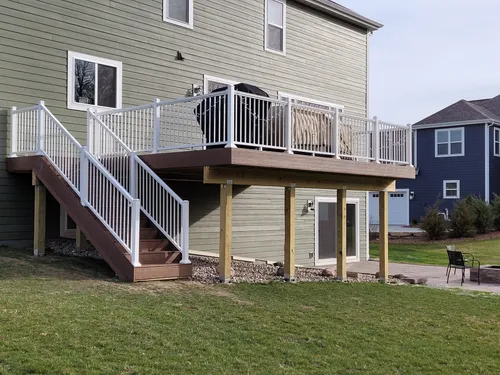
Fence and Deck Pros
2960 N 75th St, Milwaukee, WI 53210
Fence and Deck Pros is an exterior structure specialist based near Milwaukee, WI. They provide fence installation, landscape design, and hardscaping services including decks, patios, pergolas, and retaining walls. The company serves Milwaukee and surrounding areas such as Wauwatosa, Mequon, Racine, and Waukesha. They offer a variety of fencing options for residential, commercial, industrial, and security needs, and work with materials like treated wood, synthetic wood, and sustainable options. Fence and Deck Pros also provides design recommendations to help bring customer visions to life.
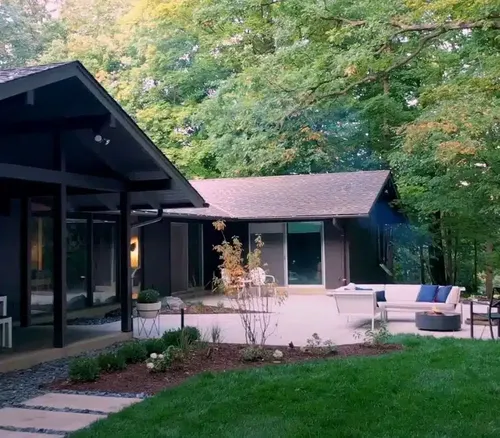
Corbin Landscaping and Lawn Care
Milwaukee, WI
Corbin Landscaping and Lawn Care is a landscaping and lawn care company based in Milwaukee, WI. They offer landscape design, garden services, and maintenance including leaf cleanup, mulching, bush trimming, and seasonal cleanups. Their services cover Brookfield, Elm Grove, and surrounding areas, focusing on creating and maintaining gardens with features like flower beds and paver patios. The team emphasizes sustainability and aims to enhance outdoor spaces with professional care.
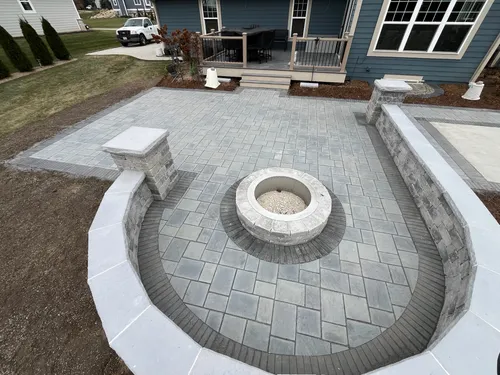
Palladium Patios & Landscaping LLC
11649 N Port Washington Rd Ste 223, Mequon, WI 53092
Palladium Patios & Landscaping LLC is a landscaping and hardscaping company based in Mequon, serving the Milwaukee, WI area. They specialize in creating outdoor living spaces with services including patio paver installation, pergola design and construction, custom decks, retaining walls, outdoor kitchens, and fireplaces. Their team installs Unilock pavers for patios and driveways and offers design-build projects focused on enhancing Wisconsin backyards. Serving the greater Milwaukee area, they provide landscaping design and construction alongside hardscaping services to transform yards into functional and attractive spaces.
Kanavas Landscape Management
13575 Juneau Blvd #1653, Elm Grove, WI 53122
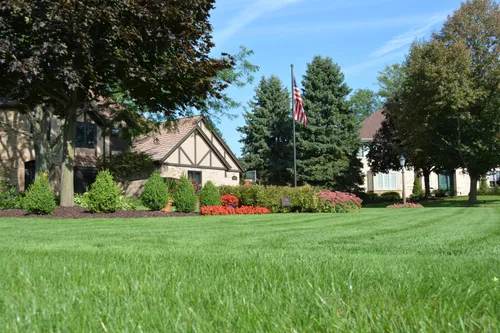
Kanavas Landscape Management is a full-service lawn care and landscaping company based in Milwaukee, WI. Serving Southeast Wisconsin, they offer a wide range of services including lawn fertilization, weed control, landscape design, tree care, and hardscaping such as patios and retaining walls. Their certified arborists provide specialized tree and shrub care, including removal and stump grinding. Established in 1974, Kanavas Landscape Management has over 50 years of experience delivering comprehensive outdoor solutions for residential and commercial properties.
Stone Oak Landscapes LLC
1930 E Norse Ave, Cudahy, WI 53110
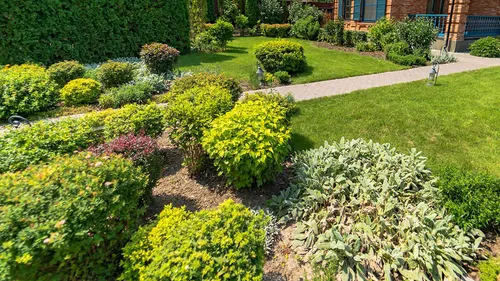
Stone Oak Landscapes LLC is a landscape design and hardscaping company serving Milwaukee, WI, and the surrounding Southeastern Wisconsin area. Established in 1989, the company offers a range of landscaping services including landscape architecture, design, and installation. They specialize in hardscaping features such as pavers and retaining walls, combining creative ideas with attention to detail to create outdoor spaces that complement home architecture. Stone Oak Landscapes LLC is a member of the American Society of Landscape Architects (ASLA) and provides warranties on their work.
Understanding Milwaukee's Landscape Environment
Successful garden and yard planning in Milwaukee starts with a deep respect for the local environment. The city experiences a full range of seasons, each presenting opportunities and challenges for your outdoor space.
Climate & Hardiness Zones: Milwaukee is primarily in USDA Plant Hardiness Zones 5a and 5b. This means cold, snowy winters with temperatures that can dip below -20°F, followed by warm, humid summers. The proximity to Lake Michigan also brings moderating lake-effect breezes, which can influence microclimates in your yard. This climate dictates plant selection, requiring species that are both cold-hardy and able to withstand summer heat.
Soil Considerations: A common challenge for Milwaukee property owners is soil composition. The native soil is often heavy with clay, which retains water and can lead to poor drainage and compaction. Successful planting often requires soil amendments, such as compost, to improve texture and nutrient content. In areas with better drainage, you may find loam, which is ideal for most plants. Understanding your soil is a critical first step in any landscape planning project.
Key Areas for Landscape Architecture
A comprehensive site plan addresses every part of your property, transforming it into a cohesive whole. Here's how to think about different zones.
Front Yard Curb Appeal: Your front yard is your home's welcome mat. Design focuses here often include creating inviting entry gardens, framing the porch or doorway with strategic plantings, and establishing pollinator-friendly beds that add color and life. The goal is to create a positive first impression that complements your home's architecture.
Backyard Living Spaces: This is where outdoor living truly comes alive. A typical backyard design in Milwaukee might integrate several zones: a patio or deck for dining and seating, defined walkways, usable lawn areas for play, and dedicated planting beds. There's also growing interest in expanding this space to include features like outdoor kitchens, pergolas for shade, and fire pits for cool evenings, effectively creating an outdoor room.
Hardscaping for Structure and Function: Hardscaping refers to the non-living, built elements of your landscape. In Milwaukee, durable materials like natural stone, pavers, and concrete are essential for creating patios, walkways, and retaining walls. These elements provide structure, define spaces, and solve practical problems like managing slopes or creating level areas for furniture. A well-integrated hardscape plan is the backbone of a low-maintenance and long-lasting yard.
Principles of Sustainable Garden Design in Milwaukee
Modern landscape architecture increasingly prioritizes sustainability-creating spaces that are beautiful, resilient, and gentle on the local ecosystem.
Embracing Native Plants: Incorporating native species like Purple Coneflower, Butterfly Weed, and native grasses is one of the most impactful sustainable choices 1. These plants are naturally adapted to Milwaukee's climate and soil, requiring less water, fewer fertilizers, and minimal pesticides. They also provide crucial habitat and food sources for local birds, butterflies, and pollinators.
Water Management Strategies: With clay soils and seasonal rain, managing water is key. Sustainable design techniques include installing rain gardens in low-lying or wet areas to capture and filter runoff. Rainwater harvesting with barrels and designing permeable paving for patios and walkways also help reduce strain on municipal systems and keep water in your landscape where plants can use it.
Reducing Lawn and Maintenance: The traditional expansive lawn is giving way to more diverse and eco-friendly landscapes. Reducing lawn area and replacing it with native groundcovers, perennial beds, or mulched garden zones significantly cuts down on water use, mowing, and chemical inputs 2. Mulching with organic materials like shredded bark helps retain soil moisture, suppress weeds, and improve soil health over time.
Find the perfect landscape design companies for your needs
Get personalized recommendations and expert advice
Popular Features in Milwaukee Yard Design
Current trends in Milwaukee outdoor design blend beauty with practicality, focusing on extending the usability of the yard and creating personalized retreats.
Outdoor Rooms and Living Areas: The demand for fully-functional outdoor living spaces continues to grow. This goes beyond a simple patio to include fully-equipped outdoor kitchens, comfortable seating areas anchored by fire pits or fireplaces, and structures like pergolas or pavilions that provide shade and architectural interest 3. These features encourage homeowners to spend more time outdoors, from spring through fall.
Four-Season Interest: A great design considers the view from your windows all year round. This involves selecting plants with winter berries, interesting bark, or evergreen structure. Elements like ornamental grasses that stand tall in the snow, the warm glow of strategic landscape lighting, and the enduring form of a stone wall ensure your yard remains engaging even in the depths of winter.
Custom Lighting: Professional lighting design is transformative. It enhances safety on paths and steps, highlights architectural features of your home and key plants, and sets a mood for evening entertainment. Low-voltage LED systems are energy-efficient and can create dramatic effects, making your landscape design visible and usable after dark.
The Process and Investment in Professional Design
Engaging a professional for your garden planning typically follows a collaborative process, from initial concept to final installation.
The Design Consultation and Plan Development: It usually begins with a consultation to discuss your vision, budget, and site conditions. The designer will then create a master plan, which may include detailed drawings, plant lists, and material specifications. This plan serves as the blueprint for the project, whether you implement it in phases or all at once.
Understanding Cost Variables: Investment in landscape architecture varies widely based on scope and complexity. A small design package for a specific area like a front border or entry garden may start around $800 4. A more comprehensive design for a backyard with a patio and planting zones might begin around $1,200 or more 5. The cost for the full installation or "build" of the design is separate and highly variable, ranging from several thousand dollars for a modest patio and planting to tens of thousands for elaborate outdoor kitchens and complex hardscaping 4 5.
Working with a Local Professional: The value of working with a Milwaukee-based designer or design-build firm cannot be overstated. They bring intrinsic knowledge of what works in local soils, which plants reliably thrive, and how to construct hardscapes to withstand freeze-thaw cycles. They can also navigate local permitting if needed and have relationships with quality nurseries and suppliers.
Frequently asked questions
Sources
Footnotes
-
Residential Landscape Design & Build for Milwaukee, WI - https://yardzen.com/landscape-design-in-milwaukee ↩
-
10 Tips for a Low-Maintenance, Eco-Friendly Backyard - https://tataandhoward.com/10-tips-for-a-low-maintenance-eco-friendly-backyard/ ↩
-
Top Milwaukee Landscaping Trends For 2024 - https://landcrafterslandscaping.com/blog/top-milwaukee-landscaping-trends/ ↩
-
Milwaukee Landscape Design | Landscapers in Milwaukee, WI - https://mkelandscapedesign.com/ ↩ ↩2
-
Our Landscape Design Services - Ideal Property Management - https://www.ideal-landscaping.net/design-services/ ↩ ↩2