Find the Best Lawn Treatment Companies for Your Business
No obligation • Fast responses • Nationwide coverage

Why you can trust Landscape Atlas
Landscape Atlas is a leading United States resource for evaluating landscaping, lawn care, and outdoor service providers. Our team researches each category in depth, focusing on service quality, safety, and customer experience. Listings and rankings are based on independent criteria and user feedback, and companies cannot pay to influence our assessments or recommendations.
Search providers near you
Top Lawn Treatment Companies in Azusa, California Ranked
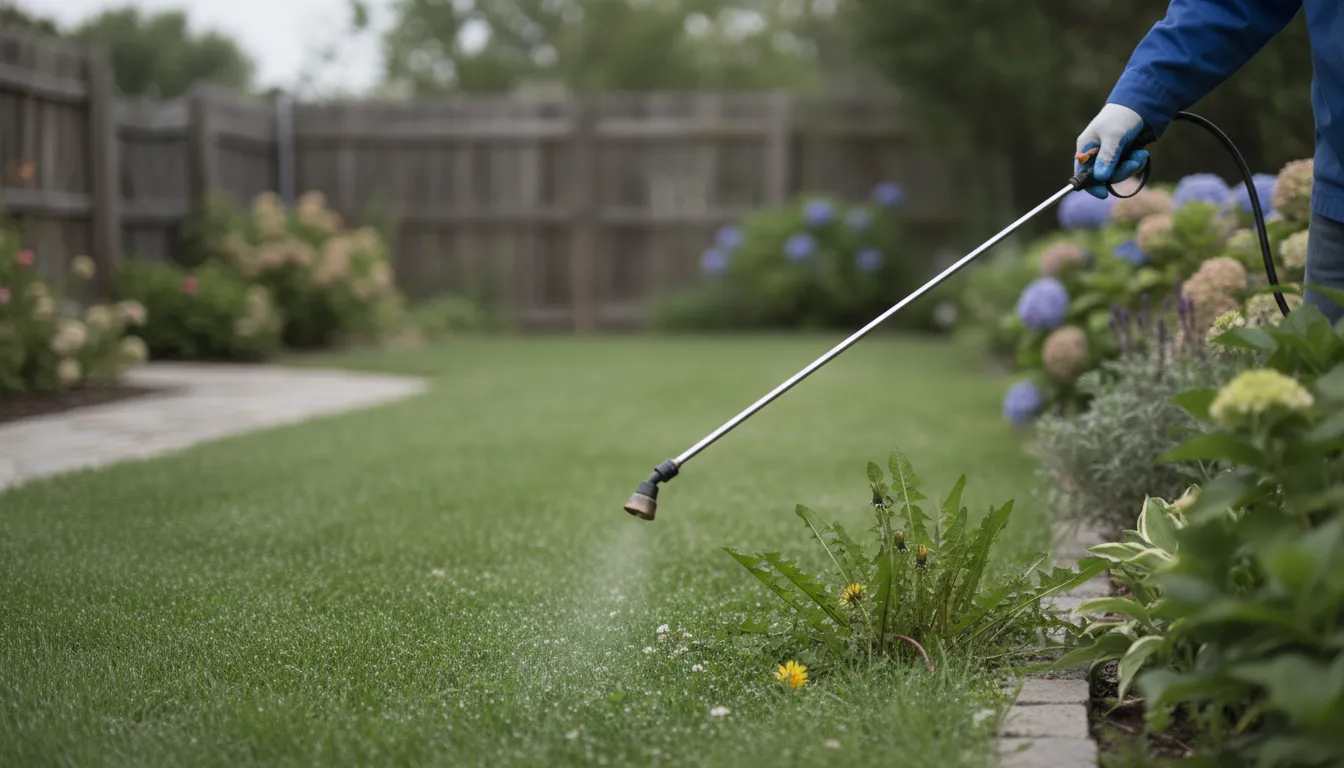
A healthy, vibrant lawn is more than just a patch of green; it's a living part of your home's landscape that requires specific nutrients and protection to thrive in Southern California's unique climate. Lawn fertilization and weed control are essential services that work together to feed your grass and suppress invasive plants, ensuring your outdoor space is both beautiful and resilient. This guide will help you understand the local approach to lawn nutrition and weed management, providing the insights you need to connect with professionals who can tailor a plan for your Azusa property.
TurFresh
418 Goetz Ave, Santa Ana, CA 92707
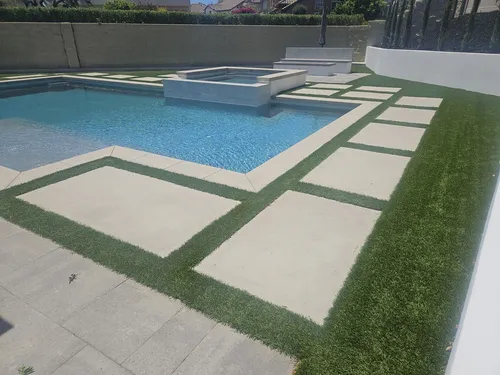
TurFresh is a lawn care company based in Santa Ana, CA, specializing in artificial turf maintenance and cleaning. They offer services such as pet urine odor removal, turf decompacting, deep brushing, debris removal, weed control, seam repairs, and turf infill adjustment. Their TurfBloom service helps restore the appearance and texture of artificial lawns by revitalizing turf fibers and infill materials. TurFresh customizes TurfCare plans to meet specific needs and provides a 30-day guarantee on their services.
Droughtscape
Angeles Crest Hwy, La Cañada Flintridge, CA 91011
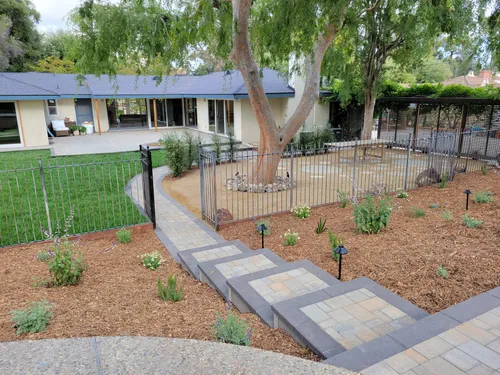
Droughtscape is a landscaping and outdoor construction company based in Los Angeles, CA. With over 45 years of experience, they specialize in drought and fire-resistant landscape design and installation, hardscaping, irrigation, fencing, artificial turf, and more. Their services cover a wide range of outdoor improvements including interlocking pavers, decks, pergolas, retaining walls, and yard drainage. Droughtscape serves multiple neighborhoods in the Los Angeles area, focusing on water-saving and sustainable landscaping solutions that suit various home styles. They emphasize clear communication and quality craftsmanship to provide a smooth project experience.
BriteTurf
1421 N Wanda Rd, Orange, CA 92867
BriteTurf is a lawn care company based in Santa Ana, CA, specializing in lawn fertilization and weed control services. They offer standard weed removal as part of their lawn care packages, addressing typical weed growth in turf. Excessive weed growth may require additional repair services.
Lawnscape Systems, Inc.
5215 State St, Montclair, CA 91763
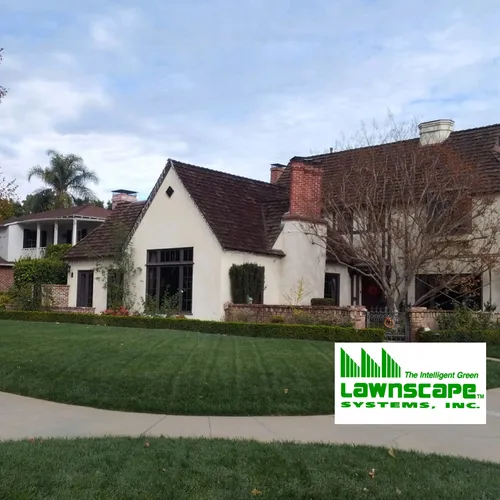
Lawnscape Systems, Inc. is a lawn care and landscaping company based in Los Angeles, CA, serving Southern California including Orange, San Bernardino, Riverside, Ventura, and San Diego counties. They offer a range of services such as fertilization, weed control, lawn pest control, aeration, overseeding, and commercial landscaping. With over 45 years of experience since 1979, Lawnscape Systems provides tailored lawn care programs designed to maintain healthy lawns year-round. Their capabilities include specialized fertilization, broadleaf weed control, disease and insect treatments, and weed abatement using herbicides and soil sterilants to protect lawns from pests and invasive grasses.
Excellence landscaping and Maintenance
11312 Buell St, Downey, CA 90241
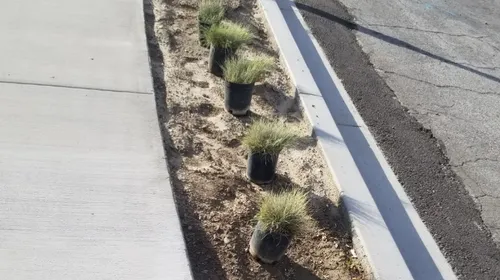
Excellence Landscaping and Maintenance is a full-service landscaping company based in Los Angeles, CA. They offer a wide range of services including lawn mowing, fertilization, weed control, landscape design, tree care, sprinkler installation and repair, yard cleaning, and pressure washing. Their expertise includes customized irrigation systems to keep gardens healthy and vibrant. The company focuses on personalized and meticulous care to transform outdoor spaces into beautiful and functional environments.
Understanding Your Azusa Lawn's Needs
The foundation of effective lawn care in Azusa begins with understanding the local environment. The city's inland valley location brings warm, dry summers and mild winters, creating a specific set of challenges and requirements for turfgrass. The most common grasses here are warm-season varieties like Bermuda and St. Augustine, which have distinct growth cycles compared to cool-season grasses found in other parts of the country. These grasses go dormant and turn brown in the winter, actively growing during the warm months from late spring through early fall. This cycle dictates the entire schedule for feeding and weed prevention, making a one-size-fits-all approach ineffective. A local lawn care expert will first identify your grass type and assess soil conditions, sunlight exposure, and irrigation coverage to build a program that aligns with nature's schedule.
The Annual Cycle of Lawn Care in Southern California
A professional lawn nutrition and weed suppression program is built around a calendar that supports the grass through its natural phases. For the predominant warm-season lawns in Azusa, this involves strategic interventions throughout the year.
Spring (April - May): This is a critical wake-up period. As soil temperatures rise, your lawn exits dormancy and begins its growth cycle. A balanced fertilizer application provides the essential nutrients for strong initial growth. Equally important is the application of a pre-emergent herbicide, which forms a barrier in the soil to prevent weed seeds (like crabgrass and spurge) from germinating throughout the season. This proactive step is far more effective than constantly battling established weeds later.
Summer (June - August): The peak growing season brings heat and often water restrictions. Fertilization during this period typically uses slow-release nitrogen formulas. These feeds provide a steady, gentle supply of nutrients without causing a flush of growth that demands excessive water. Spot treatments for breakthrough weeds and monitoring for insect pests like chinch bugs are also common during summer visits.
Late Summer to Fall (September - November): As temperatures begin to moderate, this is another key window for lawn health. A complete fertilizer application helps the grass recover from summer stress and store energy. Weed control efforts often focus on treating broadleaf weeds that may have appeared. The most important treatment of the year for long-term health often comes in the fall: a root-building fertilizer. This application, high in potassium and phosphorus, encourages deep, strong root development, which helps the lawn survive the winter and green up more vigorously the following spring.
For the less common cool-season grasses (like tall fescue), the cycle is reversed, with primary growth periods in the fall and spring 1.
The Integrated Approach: Feeding and Protecting
The most effective programs don't treat fertilization and weed control as separate tasks. They are integrated components of a holistic lawn health strategy. Fertilizing a lawn properly makes it thicker and more competitive, naturally crowding out weeds by leaving less room and light for them to establish. Conversely, controlling weeds removes plants that compete with your grass for water, nutrients, and space.
In Azusa's climate, this integrated approach must account for dry periods and water efficiency. Professionals often use soil amendments and fertilizers that improve water retention. They time weed control applications strategically, such as after rain events when weeds are actively growing and more susceptible to treatment 2. This tailored, combined methodology ensures every service visit contributes directly to the overall strength and beauty of your lawn.
Find the perfect lawn treatment companies for your needs
Get personalized recommendations and expert advice
Key Services in a Professional Program
When exploring lawn health services, you'll find that comprehensive programs include several core components:
- Soil Analysis & Lawn Assessment: The first step is often a professional evaluation of your soil's pH and nutrient levels, and an inspection of your grass type, thatch, and existing weed pressure.
- Customized Fertilization Schedule: Based on the assessment, pros will design a seasonal schedule using granular or liquid fertilizers. Slow-release formulas are favored for their efficiency and reduced risk of nutrient runoff 3 4.
- Pre-Emergent Weed Control: Applied at critical times in early spring and fall, these herbicides are a proactive defense against annual weeds, forming the backbone of a clean lawn.
- Post-Emergent Weed Control: For weeds that escape the pre-emergent barrier or are perennial in nature, targeted spot treatments with selective herbicides eliminate the problem without harming the desired grass.
- Grub & Insect Monitoring: While not always a standard part of every visit, reputable companies will monitor for signs of insect damage that can undermine lawn health, offering treatment as an add-on service if needed.
What Influences the Cost of Lawn Care?
Investing in a professional lawn fertilization and weed control program is an investment in your property's curb appeal and value. Costs in Azusa can vary based on several key factors, and understanding them helps in evaluating service proposals.
The single biggest factor is the size of your lawn. Services are typically priced per 1,000 square feet or by a tiered pricing model. A standard 5,000-square-foot lawn will form the basis for most average cost estimates. The frequency and number of annual applications also directly impact price. A basic program might include 4-6 visits per year, while more comprehensive plans could include 7 or more treatments for heightened color and protection 5.
The type of products and technologies used can affect cost. Programs utilizing premium slow-release fertilizers or newer, targeted herbicide chemistries may come at a higher price point. Finally, the scope of services included matters. A plan that includes fertilization, pre-emergent, post-emergent weed control, and insect monitoring will cost more than a fertilization-only package.
While prices can fluctuate, homeowners in Azusa might expect individual visits for weed control or fertilization to range from approximately $50 to $100 per service 6 7. Annual programs for a typical lawn often start in the range of $300 to $600 for basic fertilization packages, with full-service, multi-application weed and feed plans ranging from $450 to $2,000 or more annually, depending on the factors listed above 6 8 9.
Choosing a Local Azusa Provider
Selecting the right professional for your lawn care needs involves looking for local expertise. Here are a few tips:
- Ask About Local Adaptation: Inquire how the company tailors its programs for the Inland Empire and San Gabriel Valley microclimates. They should be able to discuss common local weeds (like dallisgrass or nutsedge) and grass types without hesitation 10 11.
- Request a Site Visit and Quote: A reputable company will insist on seeing your lawn in person before providing a detailed quote. This allows them to accurately measure your lawn, assess its condition, and understand your specific challenges.
- Review the Proposed Plan: A good proposal will outline the exact number of visits, the type of treatments planned for each visit (e.g., "Spring fertilization with pre-emergent"), and the products they intend to use.
- Verify Licensing and Insurance: Ensure the company is properly licensed to apply pesticides in California and carries adequate liability insurance.
Frequently asked questions
Sources
Footnotes
-
When to Fertilize Your Lawn in California - LawnStarter - https://www.lawnstarter.com/blog/california/when-to-fertilize-lawn-california/ ↩
-
Lawn Care Schedule For Warm Season Grasses - DoMyOwn - https://www.domyown.com/lawn-care-schedule-for-warm-season-grasses-a-538.html ↩
-
Southern California Lawn Care Calendar | Month-by-Month Plan - https://www.landtechscenery.com/southern-california-lawn-care-calendar ↩
-
Fertilization & Weed Control: A Combined Approach - https://www.lawnscape.com/blog/2025/october/fertilization-weed-control-a-combined-approach/ ↩
-
5 Application Lawn Program - https://naturescapelawncare.com/us/services/lawncare/5app/ ↩
-
How Much Does TruGreen Cost? (2026) - HomeGuide - https://homeguide.com/costs/trugreen-cost ↩ ↩2
-
2025 Weed Control Cost | Get Estimates - Thumbtack - https://www.thumbtack.com/p/weed-control-cost ↩
-
How much does lawn care service cost? - Green Lawn Fertilizing - https://www.greenlawnfertilizing.com/blog/how-much-does-lawn-care-service-cost ↩
-
How Much Does Lawn Fertilization Cost in 2026? - https://lawnlove.com/blog/lawn-fertilization-cost/ ↩
-
Fertilization and Weed Plans for a Beautiful Lawn - https://www.lawndoctor.com/annual-programs/fertilization-and-weed-plans/ ↩
-
Get Lawn Care in Azusa, CA Today - GreenPal - https://www.yourgreenpal.com/local/lawn-care-azusa-ca ↩