Find the Best Lawn Treatment Companies for Your Business
No obligation • Fast responses • Nationwide coverage

Why you can trust Landscape Atlas
Landscape Atlas is a leading United States resource for evaluating landscaping, lawn care, and outdoor service providers. Our team researches each category in depth, focusing on service quality, safety, and customer experience. Listings and rankings are based on independent criteria and user feedback, and companies cannot pay to influence our assessments or recommendations.
Search providers near you
Top Lawn Treatment Companies in Carson, California Ranked
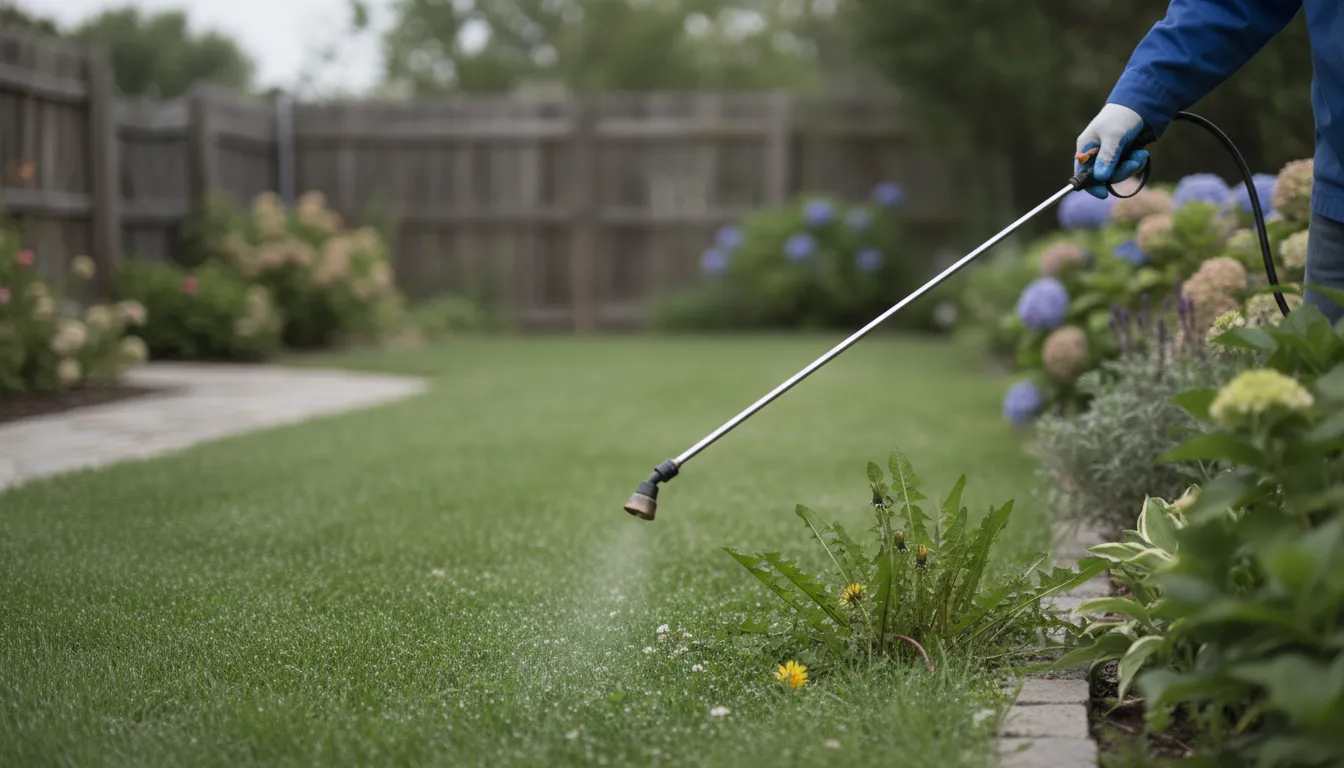
A healthy, vibrant lawn is more than just a patch of grass; it's a living part of your home that enhances curb appeal, provides a space for relaxation, and contributes to the local environment. Achieving that lush, green, and weed-free look in Carson requires a specialized approach tailored to our unique Southern California climate. This resource connects you with local lawn care professionals who understand the specific needs of warm-season grasses and can implement a strategic fertilization and weed management program to protect and beautify your outdoor space.
TurFresh
418 Goetz Ave, Santa Ana, CA 92707
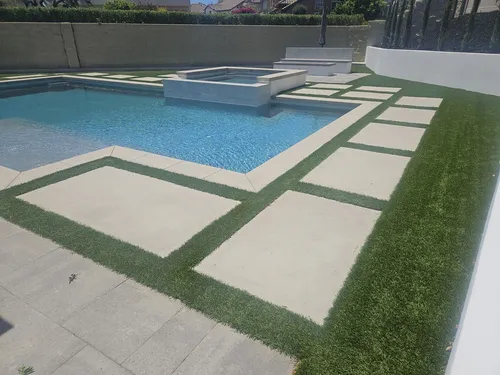
TurFresh is a lawn care company based in Santa Ana, CA, specializing in artificial turf maintenance and cleaning. They offer services such as pet urine odor removal, turf decompacting, deep brushing, debris removal, weed control, seam repairs, and turf infill adjustment. Their TurfBloom service helps restore the appearance and texture of artificial lawns by revitalizing turf fibers and infill materials. TurFresh customizes TurfCare plans to meet specific needs and provides a 30-day guarantee on their services.
Droughtscape
Angeles Crest Hwy, La Cañada Flintridge, CA 91011
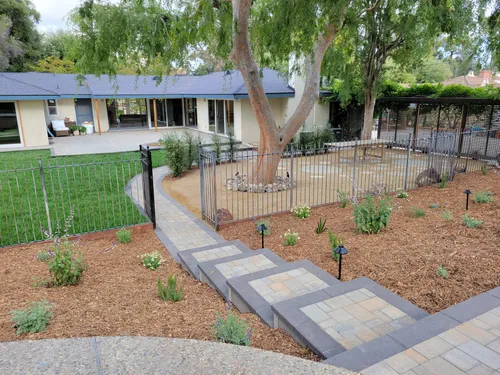
Droughtscape is a landscaping and outdoor construction company based in Los Angeles, CA. With over 45 years of experience, they specialize in drought and fire-resistant landscape design and installation, hardscaping, irrigation, fencing, artificial turf, and more. Their services cover a wide range of outdoor improvements including interlocking pavers, decks, pergolas, retaining walls, and yard drainage. Droughtscape serves multiple neighborhoods in the Los Angeles area, focusing on water-saving and sustainable landscaping solutions that suit various home styles. They emphasize clear communication and quality craftsmanship to provide a smooth project experience.
BriteTurf
1421 N Wanda Rd, Orange, CA 92867
BriteTurf is a lawn care company based in Santa Ana, CA, specializing in lawn fertilization and weed control services. They offer standard weed removal as part of their lawn care packages, addressing typical weed growth in turf. Excessive weed growth may require additional repair services.
Greenplace Inc
2151 Pacific Ave A205, Costa Mesa, CA 92627
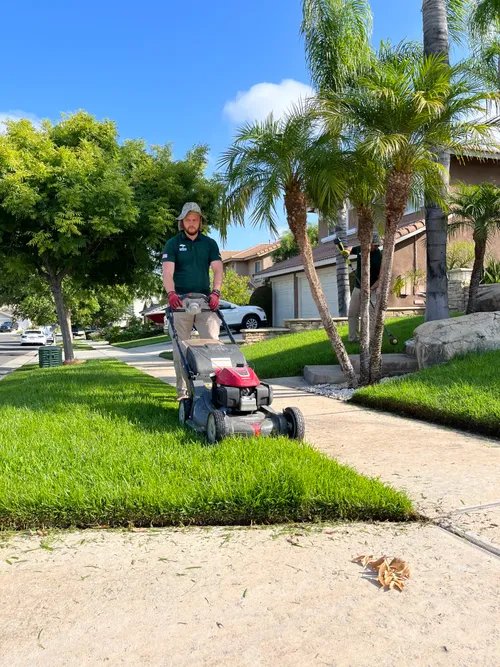
Greenplace Inc is a landscaping company based in Santa Ana, CA, offering a wide range of services including landscape design, hardscaping, lawn care, irrigation installation and repair, artificial turf, and yard drainage solutions. They serve both residential and commercial clients throughout Southern California, including Orange County and Los Angeles. Greenplace specializes in creating custom outdoor environments that combine aesthetic appeal with practical features such as smart irrigation systems to optimize water use. Founded by Volodymyr Dragan and Viktor Peshekhonov, the company emphasizes craftsmanship and long-term vision in their work. Their licensed team is known for detailed project management and responsiveness to client needs.
Excellence landscaping and Maintenance
11312 Buell St, Downey, CA 90241
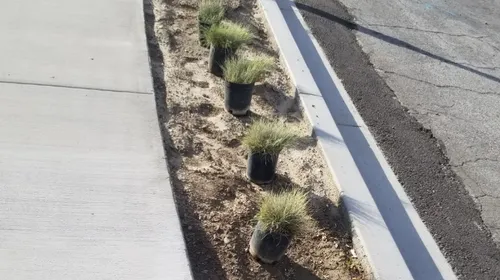
Excellence Landscaping and Maintenance is a full-service landscaping company based in Los Angeles, CA. They offer a wide range of services including lawn mowing, fertilization, weed control, landscape design, tree care, sprinkler installation and repair, yard cleaning, and pressure washing. Their expertise includes customized irrigation systems to keep gardens healthy and vibrant. The company focuses on personalized and meticulous care to transform outdoor spaces into beautiful and functional environments.
Understanding Your Carson Lawn's Needs
The foundation of effective lawn care in Carson begins with understanding the type of grass under your feet. Our local climate favors warm-season grasses, which thrive in the heat and go dormant (turn brown) during cooler winter months. The most common varieties you'll find include Bermuda, St. Augustine, Zoysia, and Kikuyu 1. These grasses have their peak growing season from late spring through fall, which dictates the timing of all feeding and weed control efforts.
Less common, but sometimes found in shadier areas, are cool-season grasses like Fescue and Ryegrass. These types prefer the milder temperatures of spring and fall. Identifying your grass type is the first critical step, as fertilization schedules and product choices differ significantly between warm and cool-season varieties. A local expert can quickly assess your lawn and tailor a plan accordingly.
The Carson Lawn Care Calendar: A Seasonal Strategy
A successful lawn feeding and weed prevention program isn't a one-time event; it's a year-round cycle designed to support the grass through its natural growth phases. For Carson's predominant warm-season lawns, this involves a series of targeted treatments throughout the year.
Early Spring (March/April)
As temperatures begin to warm, this is the time for awakening your lawn. The primary goals are to apply a balanced fertilizer to kickstart green growth and, most importantly, to apply a pre-emergent weed control product. Pre-emergents create a barrier in the soil that prevents weed seeds (like crabgrass and poa annua) from germinating, stopping problems before they start.
Late Spring & Summer (May through August)
This is the peak growing period for warm-season grasses. Applications during this window focus on nitrogen-rich fertilizers to promote lush, dense, and vigorous growth that can naturally outcompete weeds. Spot treatments for any breakthrough weeds are also part of summer maintenance, along with monitoring for insects and managing irrigation to support the nutrient uptake.
Fall (September through November)
As growth begins to slow, the focus shifts from top-growth to root development. The critical fall or "winterizer" treatment is applied. This service typically uses a fertilizer higher in phosphorus and potassium to strengthen the root system, improving drought tolerance and ensuring a healthier comeback in the spring. It's also a final opportunity to control perennial weeds before winter 2 3.
Find the perfect lawn treatment companies for your needs
Get personalized recommendations and expert advice
What to Expect from a Professional Treatment Program
When you engage a professional for lawn nutrition and weed management, you're investing in a systematic approach. Most providers offer multi-application programs designed to cover the entire seasonal cycle. A common framework is a 5-application program that aligns with the key growth stages outlined above 4. Each visit typically includes both fertilization and weed control, creating a combined approach that addresses the lawn's health holistically.
A technician will assess factors like lawn size, grass type, sun exposure, and existing issues. They then apply the appropriate blend of nutrients and protective products. The advantage of a professional program is the expertise in product selection, precise timing, and consistent monitoring, which is often more effective and efficient than DIY attempts.
Investment in Your Landscape: Understanding Costs
The cost for professional lawn feeding and weed suppression services in Carson varies based on several key factors. Most providers structure pricing either as a per-visit cost or as a packaged annual program.
- Per-Visit Pricing: For a standard "weed and feed" application, you can expect costs to range from $50 to $100 or more per visit 5. This is often suitable for one-off treatments or smaller lawns.
- Annual Program Pricing: A full-season program covering multiple applications (typically 4-6 visits per year) generally ranges from $300 to $600 or more annually for a basic plan 6 7. For more complex plans or premium products, costs can reach $150 to $225+ per application6.
The primary cost drivers are:
- Lawn Size: This is the most significant factor. Properties over 10,000 square feet will see higher costs.
- Product Type: Specialized or eco-friendly organic products often come at a premium.
- Service Scope: Basic fertilization and weed control is standard, but add-ons like insect control, soil amendments, or aeration will increase the price.
- Provider: Large national companies may have different pricing models than local, independent lawn care specialists.
The Critical Role of Weed Prevention and Control
Weed management is an inseparable partner to fertilization. Weeds compete with your grass for water, nutrients, and sunlight. A dual-strategy is most effective:
- Pre-Emergent Control: Applied in early spring and sometimes fall, these herbicides target weed seeds before they sprout. This proactive step is crucial for preventing infestations of annual weeds.
- Post-Emergent Control: Used to eliminate weeds that have already appeared. Professionals can identify the specific weed (broadleaf, grassy, or sedge) and choose the correct selective herbicide that targets the weed without harming your desirable grass.
Integrating these controls with proper fertilization ensures your grass is the dominant, healthy plant in your landscape, naturally resisting weed invasion.
Choosing the Right Service for Your Home
With an understanding of the process and costs, selecting a provider becomes about fit and trust. Look for licensed and insured professionals with experience specifically in Southern California lawns. They should be willing to provide a clear, written plan outlining the schedule, products to be used, and the total cost. Don't hesitate to ask about their approach to environmental safety, pet-friendly practices, and what guarantees or follow-up they offer if a problem persists after treatment. Your goal is to find a knowledgeable partner who can deliver a green, resilient, and beautiful lawn that enhances your Carson home.
Frequently asked questions
Sources
Footnotes
-
When to Fertilize Lawn in Southern California: Seasonal Guide - https://orangecountylawncare.net/when-to-fertilize-lawn-in-southern-california/ ↩
-
Lawn Fertilization & Weed Control in Southern California - https://www.lawnscape.com/lawn-care-services/fertilization-weed-control/ ↩
-
Fertilization & Weed Control: A Combined Approach - https://www.lawnscape.com/blog/2025/october/fertilization-weed-control-a-combined-approach/ ↩
-
5 Application Lawn Program - https://naturescapelawncare.com/us/services/lawncare/5app/ ↩
-
How Much Does Weed Control Cost in 2026? - LawnStarter - https://www.lawnstarter.com/blog/cost/weed-control-price/ ↩
-
How much does lawn care service cost? - Green Lawn Fertilizing - https://www.greenlawnfertilizing.com/blog/how-much-does-lawn-care-service-cost ↩ ↩2
-
How Much Do Most Lawn Care Companies Charge in 2025 - https://www.thickgreenhealthy.com/how-much-do-lawn-care-companies-charge/ ↩