Find the Best Lawn Treatment Companies for Your Business
No obligation • Fast responses • Nationwide coverage

Why you can trust Landscape Atlas
Landscape Atlas is a leading United States resource for evaluating landscaping, lawn care, and outdoor service providers. Our team researches each category in depth, focusing on service quality, safety, and customer experience. Listings and rankings are based on independent criteria and user feedback, and companies cannot pay to influence our assessments or recommendations.
Search providers near you
Top Lawn Treatment Companies in Chino Hills, California Ranked
Maintaining a vibrant, healthy lawn in Chino Hills requires a tailored approach to feeding and weed management. Lawn fertilization provides essential nutrients to support growth and resilience, while weed control prevents invasive plants from competing for resources. This guide outlines the specific practices, seasonal timing, and considerations for effective lawn care in the local climate, helping you understand your options for nurturing your outdoor space.
TurFresh
418 Goetz Ave, Santa Ana, CA 92707
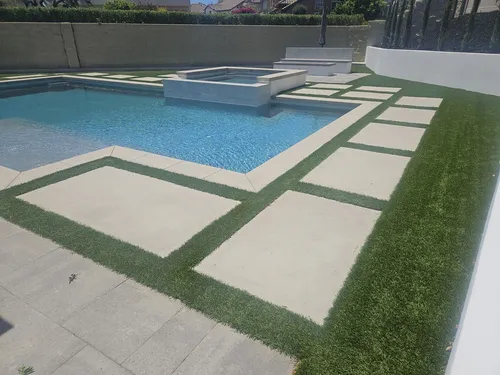
TurFresh is a lawn care company based in Santa Ana, CA, specializing in artificial turf maintenance and cleaning. They offer services such as pet urine odor removal, turf decompacting, deep brushing, debris removal, weed control, seam repairs, and turf infill adjustment. Their TurfBloom service helps restore the appearance and texture of artificial lawns by revitalizing turf fibers and infill materials. TurFresh customizes TurfCare plans to meet specific needs and provides a 30-day guarantee on their services.
Droughtscape
Angeles Crest Hwy, La Cañada Flintridge, CA 91011
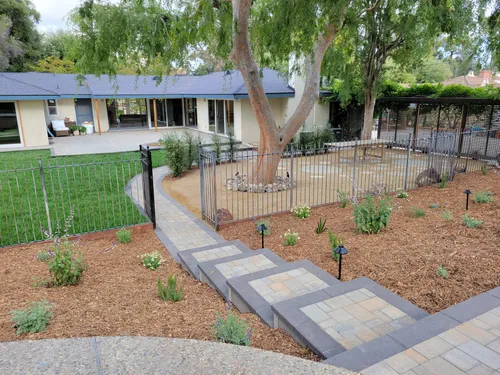
Droughtscape is a landscaping and outdoor construction company based in Los Angeles, CA. With over 45 years of experience, they specialize in drought and fire-resistant landscape design and installation, hardscaping, irrigation, fencing, artificial turf, and more. Their services cover a wide range of outdoor improvements including interlocking pavers, decks, pergolas, retaining walls, and yard drainage. Droughtscape serves multiple neighborhoods in the Los Angeles area, focusing on water-saving and sustainable landscaping solutions that suit various home styles. They emphasize clear communication and quality craftsmanship to provide a smooth project experience.
BriteTurf
1421 N Wanda Rd, Orange, CA 92867
BriteTurf is a lawn care company based in Santa Ana, CA, specializing in lawn fertilization and weed control services. They offer standard weed removal as part of their lawn care packages, addressing typical weed growth in turf. Excessive weed growth may require additional repair services.
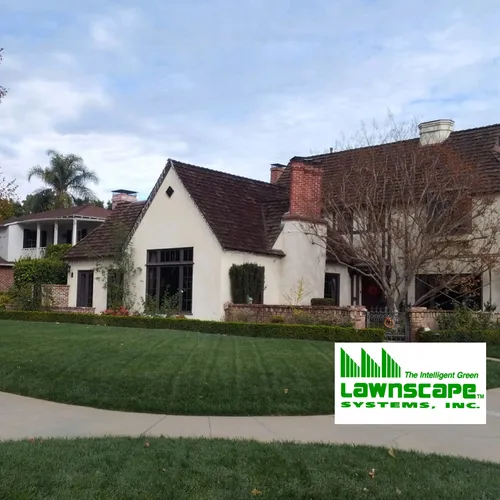
Lawnscape Systems, Inc.
5215 State St, Montclair, CA 91763
Lawnscape Systems, Inc. is a lawn care and landscaping company based in Los Angeles, CA, serving Southern California including Orange, San Bernardino, Riverside, Ventura, and San Diego counties. They offer a range of services such as fertilization, weed control, lawn pest control, aeration, overseeding, and commercial landscaping. With over 45 years of experience since 1979, Lawnscape Systems provides tailored lawn care programs designed to maintain healthy lawns year-round. Their capabilities include specialized fertilization, broadleaf weed control, disease and insect treatments, and weed abatement using herbicides and soil sterilants to protect lawns from pests and invasive grasses.
Greenplace Inc
2151 Pacific Ave A205, Costa Mesa, CA 92627
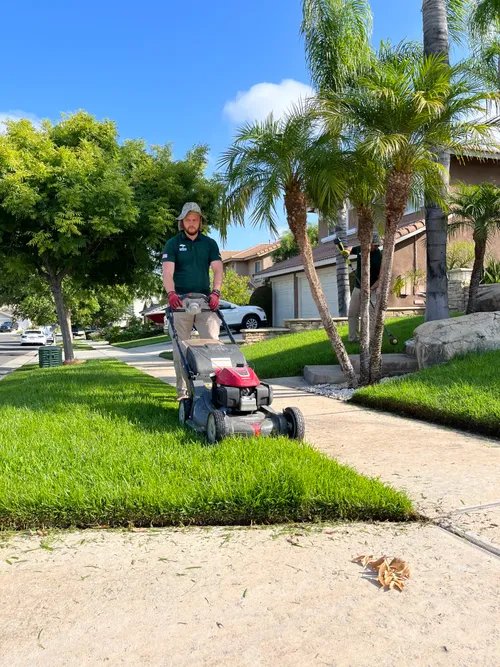
Greenplace Inc is a landscaping company based in Santa Ana, CA, offering a wide range of services including landscape design, hardscaping, lawn care, irrigation installation and repair, artificial turf, and yard drainage solutions. They serve both residential and commercial clients throughout Southern California, including Orange County and Los Angeles. Greenplace specializes in creating custom outdoor environments that combine aesthetic appeal with practical features such as smart irrigation systems to optimize water use. Founded by Volodymyr Dragan and Viktor Peshekhonov, the company emphasizes craftsmanship and long-term vision in their work. Their licensed team is known for detailed project management and responsiveness to client needs.
Understanding Your Chino Hills Lawn
The foundation of any effective lawn care program is knowing what type of grass you're growing. The local climate in Southern California's Inland Empire primarily supports warm-season grasses, which have distinct growth cycles and needs compared to their cool-season counterparts.
Common Warm-Season Grasses:
- Bermudagrass: Highly drought-tolerant, thrives in full sun, and recovers well from wear. It goes fully dormant and brown in winter.
- St. Augustine: Prefers partial shade, has a coarse texture, and requires more water. It's less cold-tolerant than Bermuda.
- Zoysiagrass: Known for its dense, carpet-like growth and good drought tolerance once established.
Less commonly, some lawns may feature cool-season grasses like Tall Fescue or Kentucky Bluegrass, especially in shaded or higher-altitude areas within the community. These grasses stay green in cooler weather but struggle with the peak summer heat. Identifying your grass type is the first step to a proper feeding and weed prevention schedule.
The Seasonal Lawn Care Calendar
A year-round plan is crucial for lawn health. Timing your fertilization and weed control applications correctly maximizes benefits and minimizes problems.
Spring (March - May)
This is the wake-up period for warm-season lawns. As soil temperatures consistently reach about 55°F, grass begins to green up. A balanced, slow-release fertilizer application in early spring encourages strong initial growth. This is also the critical window for applying pre-emergent herbicides to prevent summer weeds like crabgrass from ever sprouting. For lawns with cool-season grass, spring is a peak growing period requiring fertilization.
Summer (June - August)
Warm-season grasses hit their growth stride. Applications should shift to nitrogen-rich fertilizers to support this active period and help the lawn withstand heat stress. Deep, infrequent watering is essential. Post-emergent weed control targets any broadleaf weeds (like dandelions or clover) that appear. Vigilance against pests common to Southern California lawns is also important during these months.
Fall (September - November)
Fall is arguably the most important season for lawn feeding in Chino Hills, especially for Bermudagrass. Fertilization in early fall focuses on root development, which strengthens the lawn for the coming winter and ensures a quicker green-up next spring 1. Another application of pre-emergent herbicide is vital now to stop winter weeds like poa annua (annual bluegrass). Cool-season grasses also benefit from fall feeding to recover from summer stress.
Winter (December - February)
Warm-season grasses are dormant and brown, requiring no fertilization. However, winter weed control remains a priority to prevent weeds from establishing in the bare lawn. Any feeding during this period is reserved for cool-season grasses, if present 2 3.
Components of a Professional Treatment Program
Local lawn care services typically structure their offerings into comprehensive programs that address multiple aspects of lawn health throughout the year. These programs go beyond simple weed and feed applications.
Customized Fertilization Plans Professionals use slow-release or controlled-release fertilizers that feed the lawn gradually, preventing nutrient burn and providing longer-lasting results. The nutrient mix (the N-P-K ratio) is adjusted seasonally-higher nitrogen in summer for growth, and more potassium or root-focused blends in the fall 4.
Strategic Weed Management Effective weed suppression uses a two-pronged approach:
- Pre-emergent Control: Applied in fall and spring, this creates a barrier in the soil that stops weed seeds from germinating. It's the most effective way to maintain a weed-free lawn 5.
- Post-emergent Control: Spot treatments or broader applications are used to eliminate weeds that have already broken through, using selective herbicides that target weeds without harming the grass.
Supporting Services for Lawn Vitality Many annual programs include or recommend additional services:
- Core Aeration: Performed annually or bi-annually, this process removes small plugs of soil to alleviate compaction, allowing air, water, and nutrients to reach the root zone more effectively. It's highly beneficial for lawns in heavy clay soils 6.
- Insect and Pest Control: Preventative treatments can manage common issues like grubs, armyworms, or other pests that damage grass roots and blades 7.
Find the perfect lawn treatment companies for your needs
Get personalized recommendations and expert advice
What to Expect: Service and Investment
Understanding typical service structures and costs can help you evaluate your options for lawn maintenance in Chino Hills.
Service Frequency & Scope Most professional lawn care programs involve 4 to 8 visits per year, timed according to the seasonal calendar outlined above 8. Each visit typically includes a fertilizer application and weed control as needed. Some companies offer more frequent visits (e.g., every 5-7 weeks) for heightened care. The initial visit often includes a detailed lawn analysis to customize the plan for your specific grass type, soil conditions, and problem areas.
Pricing Considerations Costs are primarily influenced by the size of your lawn. In the Chino Hills area, a common range for a single professional application is between $50 and $100+ 9 10. For a full annual program encompassing multiple visits, homeowners can expect to invest between $300 and $800 or more for the year 9 11. It's important to get detailed quotes that specify what is included (e.g., aeration, pest control, grub prevention) and whether pricing is per visit or a flat annual rate. Both national companies and local providers operate in the area, offering a range of service models and personalization 10 11.
The Value of Professional Knowledge A key benefit of professional service is localized expertise. Providers familiar with Chino Hills understand the microclimates, common soil types (which can be clay-heavy), and local weed pressures. They can diagnose issues like irrigation problems or fungal diseases that might mimic nutrient deficiencies, ensuring your lawn receives the correct treatment 12.
Maintaining Your Lawn Between Treatments
Professional care works best when paired with good homeowner practices.
- Mowing: Keep your mower blades sharp and never cut more than one-third of the grass blade at a time. For Bermuda grass, a height of 1-2 inches is typical, while St. Augustine should be kept higher, around 2.5-4 inches.
- Watering: Water deeply and infrequently to encourage deep root growth. Early morning is the best time to water to minimize evaporation and fungal disease. Adjust your schedule with the seasons.
- Monitoring: Keep an eye out for changes in color, thinning areas, or increased weed pressure, and communicate these observations to your service provider.
A healthy lawn enhances your property's curb appeal, provides a space for recreation, and contributes to a cooler local environment. By aligning fertilization and weed control with the natural rhythms of Chino Hills' climate, you can cultivate a resilient and attractive landscape.
Frequently asked questions
Sources
Footnotes
-
When to Fertilize Your Lawn in California - https://lawnlove.com/blog/when-to-fertilize-lawn-california/ ↩
-
When to Fertilize Your Lawn in California - LawnStarter - https://www.lawnstarter.com/blog/california/when-to-fertilize-lawn-california/ ↩
-
When to Fertilize for a Greener Lawn | ScottsMiracle-Gro US - https://scottsmiraclegro.com/en-us/learn/lawn-care/when-to-fertilize-for-a-greener-lawn.html ↩
-
Southern California Lawn Care Calendar | Month-by-Month Plan - https://www.landtechscenery.com/southern-california-lawn-care-calendar ↩
-
When to Apply Weed and Feed to Your Lawn - LawnStarter - https://www.lawnstarter.com/blog/lawn-care-2/when-to-apply-weed-and-feed/ ↩
-
Spring Lawn Care Preparation & Steps - Home Depot - https://www.homedepot.ca/en/home/ideas-how-to/outdoors/lawn-garden/spring-lawn-care-preparation-and-steps.html ↩
-
Annual Programs - Lawn Doctor - https://www.lawndoctor.com/annual-programs/ ↩
-
Lawn Fertilization & Weed Control in Southern California - https://www.lawnscape.com/lawn-care-services/fertilization-weed-control/ ↩
-
How much does lawn care service cost? - Green Lawn Fertilizing - https://www.greenlawnfertilizing.com/blog/how-much-does-lawn-care-service-cost ↩ ↩2
-
How Much Does Lawn Doctor Cost? (2026) - HomeGuide - https://homeguide.com/costs/lawn-doctor-cost ↩ ↩2
-
How Much Does TruGreen Cost? (2026) - HomeGuide - https://homeguide.com/costs/trugreen-cost ↩ ↩2
-
Lawn Fertilization and Treatment Specialists in Chino - https://www.angi.com/companylist/us/ca/chino/lawn-fertilization-and-treatment.htm ↩