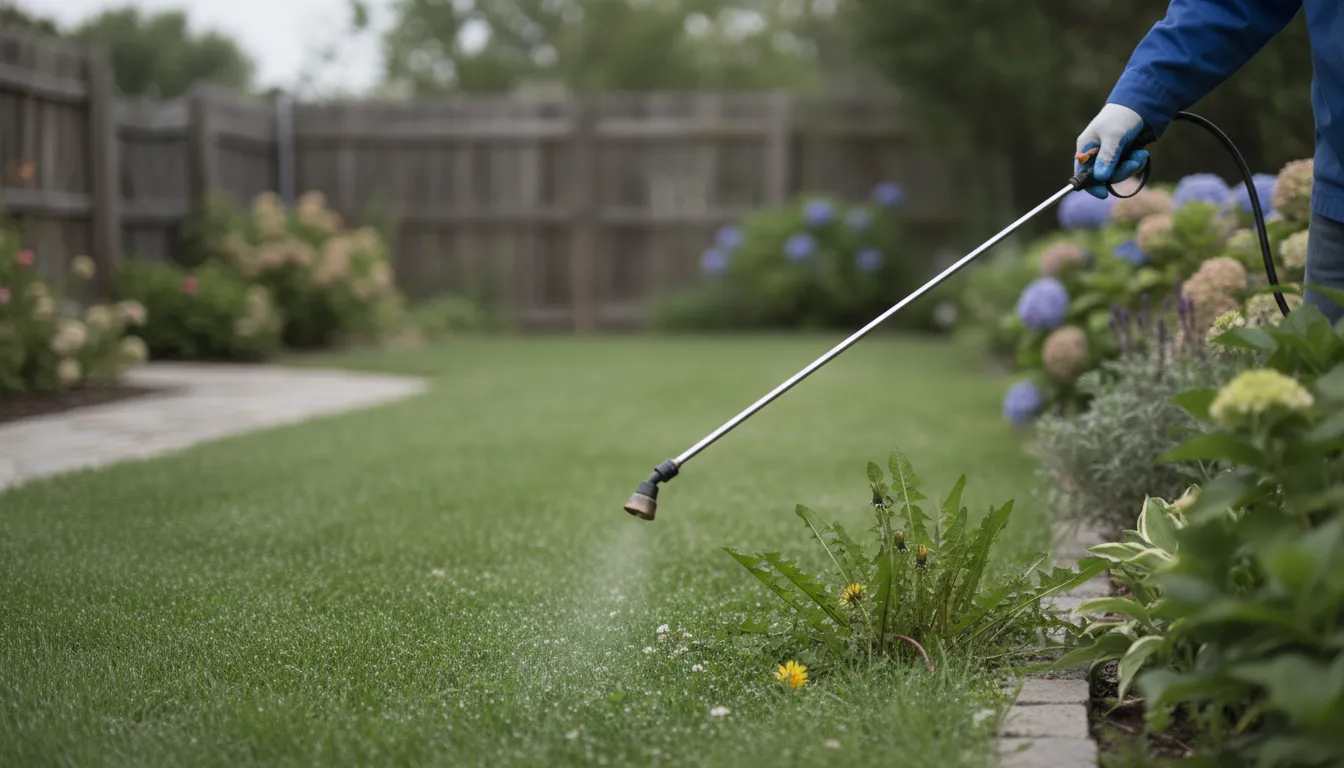
Find the Best Lawn Treatment Companies for Your Business
No obligation • Fast responses • Nationwide coverage

Why you can trust Landscape Atlas
Landscape Atlas is a leading United States resource for evaluating landscaping, lawn care, and outdoor service providers. Our team researches each category in depth, focusing on service quality, safety, and customer experience. Listings and rankings are based on independent criteria and user feedback, and companies cannot pay to influence our assessments or recommendations.
Search providers near you
Top Lawn Treatment Companies in Colton, California Ranked
A healthy, vibrant lawn is more than just a patch of green; it's a living ecosystem that enhances your home's curb appeal and provides a space for relaxation. Lawn fertilization and weed control are the cornerstones of maintaining this vitality, providing essential nutrients to your grass while suppressing invasive plants that compete for resources. In Colton's unique climate, a tailored approach is key. This guide will help you understand the specific needs of local lawns, from seasonal schedules to grass types, empowering you to find the right local expertise for a lush, resilient yard.
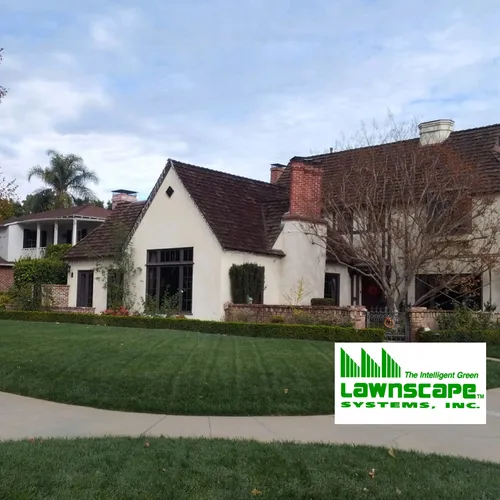
Lawnscape Systems, Inc.
5215 State St, Montclair, CA 91763
Lawnscape Systems, Inc. is a lawn care and landscaping company based in Los Angeles, CA, serving Southern California including Orange, San Bernardino, Riverside, Ventura, and San Diego counties. They offer a range of services such as fertilization, weed control, lawn pest control, aeration, overseeding, and commercial landscaping. With over 45 years of experience since 1979, Lawnscape Systems provides tailored lawn care programs designed to maintain healthy lawns year-round. Their capabilities include specialized fertilization, broadleaf weed control, disease and insect treatments, and weed abatement using herbicides and soil sterilants to protect lawns from pests and invasive grasses.
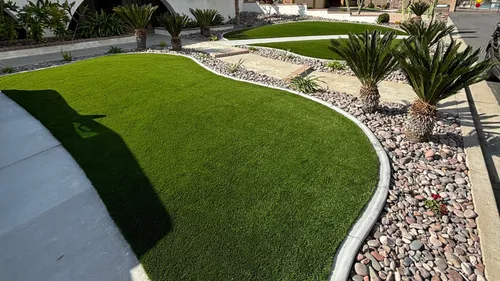
Houston's Landscaping
29177 Stevens Ave, Moreno Valley, CA 92555
Houston's Landscaping is a family-owned landscaping company serving Riverside, CA, and the Inland Empire. They offer a wide range of services including landscape curbing, artificial turf installation, lawn care, irrigation systems, sod installation, tree and shrub care, and hardscaping. Their team focuses on creating low-maintenance, attractive outdoor spaces tailored to client needs. One notable capability is their landscape curbing, which enhances property aesthetics and reduces maintenance. Houston's Landscaping also emphasizes the benefits of artificial turf for water savings and year-round greenery in the Southern California climate.
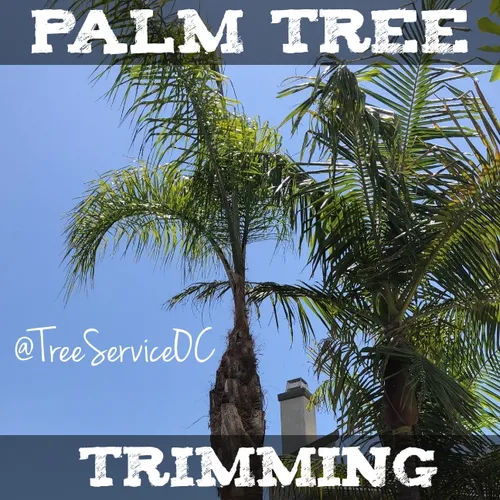
A's Tree Service
Anaheim, CA
A's Tree Service is a family-owned company based in Anaheim, CA, offering tree care, landscaping, and lawn maintenance services. With over 15 years of experience, they serve residential and commercial clients across Orange County, Riverside County, and Inland County. Their services include tree removal, stump grinding, lawn fertilization, weed control, and landscape design, focusing on plant health and landscape vitality. The company holds a CSLB license and emphasizes tailored solutions for diverse property needs.

Best Lawncare
Riverside, CA
Best Lawncare is a landscaping and hardscaping company serving Riverside, CA, and nearby cities. They offer a wide range of services including lawn mowing, fertilization, weed control, landscape design, tree care, sprinkler installation and repair, as well as hardscaping projects like patios and retaining walls. Their team provides personalized landscaping solutions with a focus on sustainable and eco-friendly practices. With over 15 years of experience, Best Lawncare is known for handling both residential and commercial properties and offers free estimates for all projects.
LawnStarter Lawn Care Service
4580 Belford Way, Riverside, CA 92507
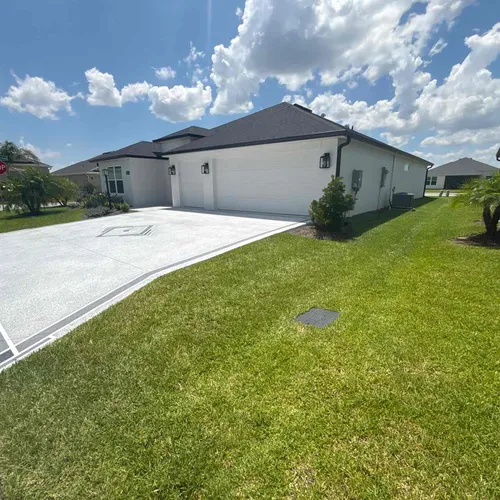
LawnStarter Lawn Care Service provides a wide range of lawn care and landscaping services in Riverside, CA. Their offerings include lawn mowing, fertilization, weed control, tree removal, stump grinding, yard drainage, sprinkler installation and repair, and general landscaping. They emphasize convenience with online booking and account management, backed by insured professionals. LawnStarter also offers specialized services such as gutter cleaning and yard cleanup. The company serves various neighborhoods within Riverside and supports customers with a mobile app for easy service management.
Understanding Your Colton Lawn's Needs
The foundation of effective lawn care in Colton begins with identifying your grass type. The local climate heavily favors warm-season grasses, which thrive in the heat and enter dormancy during cooler months. The two most common varieties are Bermuda grass and St. Augustine grass. These grasses have their peak growing season from late spring through early fall, dictating the primary schedule for feeding and weed management.
Conversely, some properties may have cool-season grasses like tall fescue, which prefer the milder temperatures of spring and fall. Knowing which grass you have is the first critical step, as fertilizing a Bermuda lawn on a fescue schedule (or vice versa) can be ineffective or even harmful, promoting weak growth or disease.
The Seasonal Lawn Care Calendar for Colton
A proactive, season-by-season plan is the most effective strategy for lawn nutrition and weed suppression. Here's a breakdown of what your lawn needs throughout the year.
Spring (March - May): The Wake-Up Call
As temperatures rise, your lawn exits winter dormancy. This is a crucial window for setting up success.
- Fertilization: Apply a balanced or light nitrogen "wake-up" feed to encourage green-up and steady growth.
- Weed Control: This is the ideal time for a pre-emergent herbicide application. Pre-emergents create a barrier in the soil that prevents weed seeds (like crabgrass and poa annua) from germinating, stopping problems before they start.
- Core Aeration: If your soil is compacted, spring is a good time for aeration, which allows water, air, and fertilizer to reach the root zone more effectively.
Summer (June - August): Sustaining Through the Heat
Colton summers are hot and often dry, stressing lawns.
- Fertilization: For warm-season grasses, a summer application of nitrogen-rich fertilizer supports their active growth phase. To maintain green color without excessive, water-thirsty growth, many professionals use supplements containing iron.
- Weed Control: Spot treatment of existing weeds (like spurge or dandelions) with post-emergent herbicides is common. A summer wetting agent can also be beneficial to help water penetrate dry soil more evenly.
- Water Management: Adherence to local water restrictions is essential. Deep, infrequent watering is better than frequent, shallow sprinkling.
Fall (September - November): Preparing for Dormancy
This season is about strengthening the lawn for the coming cooler months.
- Fertilization: A fall nutrient boost is vital. For cool-season fescue, this is a primary feeding time. For warm-season grasses, an application with higher phosphorus (the "P" in N-P-K) helps develop strong roots to survive the winter.
- Weed Control: Fall is the best time to control perennial broadleaf weeds like clover, as weeds are actively transporting nutrients to their roots, carrying the herbicide down with them.
Winter (December - February): The Dormant Period
Growth slows or stops for warm-season grasses.
- Maintenance: Watering needs are minimal. Some opt for a single "dormant feeding" to provide underlying nutrients, but the focus shifts to cleanup, equipment maintenance, and planning for the spring 1.
Find the perfect lawn treatment companies for your needs
Get personalized recommendations and expert advice
Professional Lawn Care Programs & Investment
Many homeowners in Colton opt for a professional lawn care program, which provides consistent, scientifically-backed treatments throughout the year. A typical annual program includes 4 to 6 scheduled visits, encompassing fertilization, weed control, and sometimes additional services like insect control.
What to Expect from a Program:
- Customized Schedule: Treatments are timed for Colton's climate and your specific grass type.
- Combined Applications: Fertilizer and appropriate herbicides are often applied together for efficiency.
- Seasonal Adjustments: The formula and focus change from spring pre-emergence to summer feeding to fall root preparation.
Understanding Costs: Professional lawn care is an investment in your property's health and value. Costs are influenced by your lawn's square footage, its current condition, and the service provider.
- Annual Program: A comprehensive annual plan for fertilization and weed control in Colton typically ranges from $300 to $600 or more 2.
- Per-Visit Service: If you prefer a more flexible approach, a single application of fertilizer and weed control can cost between $50 to $100+ per visit 3 4.
It's always recommended to get detailed quotes from local providers, as they can assess your lawn's unique needs and provide a precise estimate.
Key Local Considerations for Colton Homeowners
Beyond the basic calendar, a few local factors play a significant role in lawn care strategy.
- Warm-Season Dominance: Since most lawns are Bermuda or St. Augustine, the community's overall lawn care rhythm is focused on warm-weather activity. This means the busiest application periods for lawn feeding and weed prevention are from April through October 5.
- Water Regulations: Southern California is no stranger to drought and water use restrictions. A professional lawn feeding service will tailor recommendations to work within these rules, potentially using products like iron supplements to enhance green color without promoting growth that demands excessive water 6.
- Soil Conditions: Inland Empire soils can vary. A soil test can reveal pH imbalances or nutrient deficiencies, allowing for a truly customized fertilization plan that addresses your lawn's specific needs rather than taking a one-size-fits-all approach.
Frequently asked questions
Sources
Footnotes
-
When to Fertilize Your Lawn in California - https://lawnlove.com/blog/when-to-fertilize-lawn-california/ ↩
-
How Much Does TruGreen Cost? (2026) - HomeGuide - https://homeguide.com/costs/trugreen-cost ↩
-
How much does lawn care service cost? - Green Lawn Fertilizing - https://www.greenlawnfertilizing.com/blog/how-much-does-lawn-care-service-cost ↩
-
How Much Does Lawn Fertilization Cost in 2026? - https://lawnlove.com/blog/lawn-fertilization-cost/ ↩
-
Lawn Fertilization & Weed Control in Southern California - https://www.lawnscape.com/lawn-care-services/fertilization-weed-control/ ↩
-
Southern California Lawn Care Calendar | Month-by-Month Plan - https://www.landtechscenery.com/southern-california-lawn-care-calendar ↩