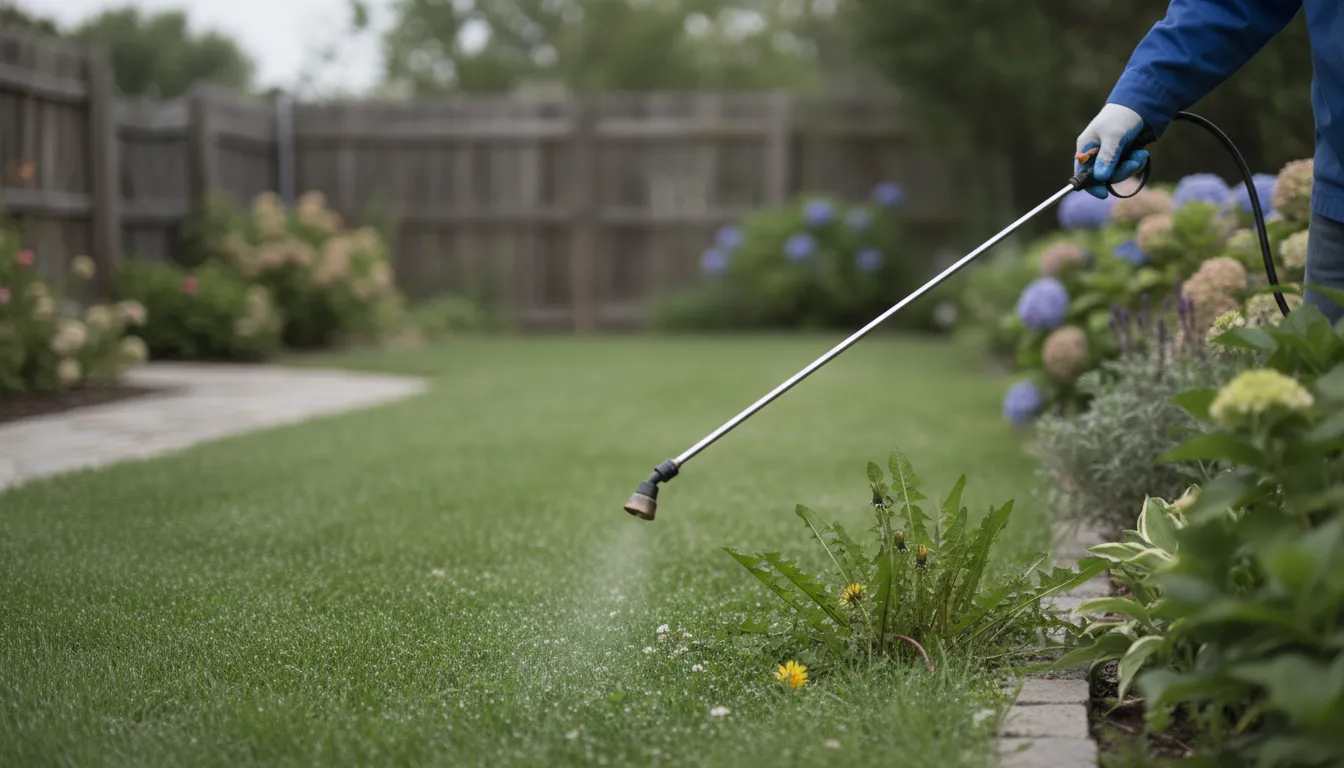
Find the Best Lawn Treatment Companies for Your Business
No obligation • Fast responses • Nationwide coverage

Why you can trust Landscape Atlas
Landscape Atlas is a leading United States resource for evaluating landscaping, lawn care, and outdoor service providers. Our team researches each category in depth, focusing on service quality, safety, and customer experience. Listings and rankings are based on independent criteria and user feedback, and companies cannot pay to influence our assessments or recommendations.
Search providers near you
Top Lawn Treatment Companies in Davis, California Ranked
Maintaining a vibrant, healthy lawn in Davis requires a strategic approach to feeding and weed management. Lawn fertilization provides essential nutrients for growth and color, while weed control protects your turf from invasive plants that compete for resources. This guide explains the local approach to lawn nutrition and weed suppression, helping you understand the seasonal programs and common practices used by professionals to keep Davis lawns thriving in the local climate.
Tree Care Services
3414 4th Ave, Sacramento, CA 95817
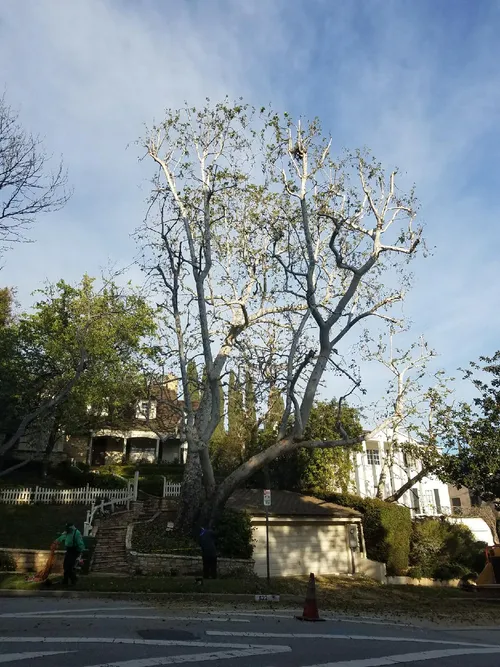
Tree Care Services is a family-owned business based in Sacramento, CA, specializing in tree care, landscaping, and lawn services. Serving both residential and commercial properties, they offer expert arborist services including tree trimming, pruning, fertilization, stump grinding, and safe tree removal. Established in 1990, the company provides 24/7 emergency response and follows industry standards to ensure safety and quality in all projects.
Haman Landscape and Tree Service
698 57th St, Sacramento, CA 95819
Haman Landscape and Tree Service is a family-owned company serving Sacramento, CA, and nearby communities. Since 1982, they have provided comprehensive tree care, landscaping, and lawn maintenance services. Their offerings include tree trimming, removal, cabling, soil and pest care, lawn fertilization, irrigation installation, and hardscaping. The company employs ISA certified arborists who handle tree health diagnostics and treatments, ensuring the safety and vitality of trees on residential and commercial properties. They also offer 24/7 emergency tree services for storm damage and hazards. With over 35 years of experience, Haman Landscape and Tree Service combines expert knowledge with personalized care. They focus on sustainable landscaping solutions and provide follow-up support to maintain healthy outdoor spaces. Their service area includes Sacramento and surrounding neighborhoods such as East Sacramento, Carmichael, Elk Grove, Folsom, and Roseville.

Lawn Care Up
100 Cropton Ct, Roseville, CA 95747
Lawn Care Up is a lawn care company based in Sacramento, CA, specializing in organic fertilization, targeted weed control, and preventative exterior pest care. They create tailored lawn fertilization and pest management plans based on individual property assessments to address specific lawn and pest concerns. Their approach focuses on consistent and quiet service to maintain healthy lawns, control weeds, and keep pests outside.
Loose Dirt Landscaping
1401 21st Street Suite 6527, Sacramento, CA 95811
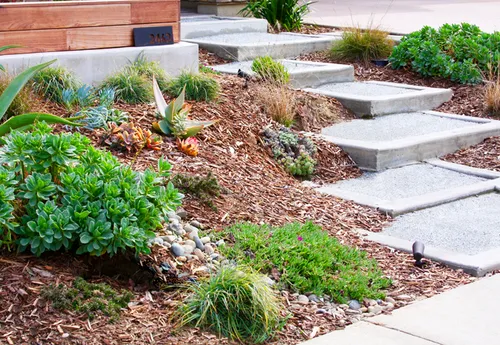
Loose Dirt Landscaping is a lawn care company based in Sacramento, CA, offering a range of services including lawn fertilization, weed control, sprinkler installation, and irrigation repair. They use modern agricultural technology and advanced irrigation techniques to provide customized lawn care solutions. Their services include fertilization and aeration designed to maintain healthy and attractive residential landscapes.
Orchid Lawn Care
1500 W El Camino Ave Suite 434, Sacramento, CA 95833
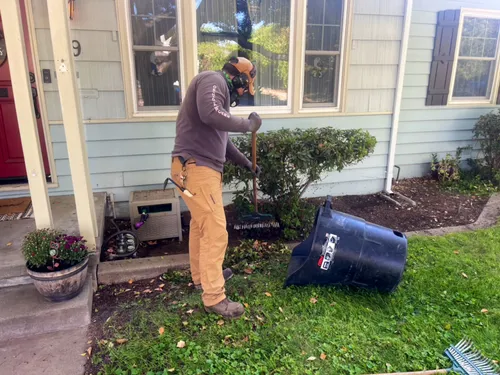
Orchid Lawn Care is a lawn care company based in Sacramento, CA, offering a variety of services to maintain healthy and attractive lawns in the area's unique climate. Their services include lawn mowing, fertilization, aeration, weed control, seasonal cleanups, sprinkler installation, and irrigation repair. They focus on tailored lawn treatments to help lawns thrive despite Sacramento's hot, dry summers and mild winters. Orchid Lawn Care also specializes in diagnosing and repairing sprinkler system issues such as uneven watering, broken heads, and leaks to ensure efficient irrigation and lawn health. The company is family owned and operated, using pet-friendly products and professional equipment to serve the local community.
Understanding Davis's Lawn Environment
Davis, California, presents a unique set of conditions for lawn care. The hot, dry summers and mild, wetter winters create a growing cycle that demands specific timing for feeding and protection. The most common grasses planted here are warm-season varieties like Bermuda and Zoysia, which are naturally drought-tolerant and grow actively during the heat. You may also find cool-season grasses like Fescue or Ryegrass, especially in shaded areas or from overseeding, but these require a different care schedule focused on the cooler months.
This climate also dictates the weed pressure. Common invaders include crabgrass, dandelions, clover, and spurge, which can quickly take advantage of a lawn that is under-fertilized or stressed. A successful lawn care strategy here isn't about a single application; it's about a year-round program that anticipates seasonal challenges and supports the grass's natural growth cycles.
The Professional Approach: Integrated Seasonal Programs
Local lawn care experts typically offer comprehensive programs that bundle fertilization and weed control into a series of scheduled visits throughout the year. This integrated method is more effective than tackling issues as they arise, as it prevents problems before they start and builds a stronger, more resilient lawn. These programs usually involve between four to eight visits annually, each with a specific goal aligned with the season.
Early Spring (February - April): The Foundation
This critical period sets the stage for the entire growing season. The primary focus is applying a pre-emergent herbicide. This product creates a barrier in the soil that prevents weed seeds, particularly crabgrass and other annuals, from germinating as temperatures rise. Timing is crucial-applied too early or too late, and it loses effectiveness. Alongside this, a balanced fertilizer application provides the nutrients needed for the grass to "green up" and begin its vigorous spring growth 1.
Late Spring to Early Summer (May - June): Maintenance and Correction
As the lawn grows and temperatures increase, any weeds that escaped the pre-emergent barrier or are perennial (like dandelions) will become visible. This phase involves post-emergent spot treatments, where specific herbicides are sprayed directly onto existing broadleaf weeds to eliminate them. A follow-up fertilizer application helps maintain color and density, preparing the grass for the stress of summer heat.
Summer (July - August): Stress Management
Davis summers are challenging for any lawn. The focus shifts from aggressive growth to survival and health. Fertilization during this period often involves products designed to enhance the lawn's ability to handle heat and drought stress, sometimes including soil moisture managers. Weed control becomes more targeted, dealing with summer annual weeds as they appear. Over-fertilizing in summer can actually harm warm-season grasses, so professional calibration is key.
Fall (September - November): Preparation for Dormancy
This is arguably the most important feeding of the year for long-term health. Professionals apply a "winterizer" fertilizer that is rich in potassium. This nutrient doesn't necessarily green up the lawn but strengthens the root system, improving cold tolerance and ensuring a strong comeback next spring 2 3. Fall is also a prime time for a second round of pre-emergent herbicide to combat winter weeds like chickweed and henbit, and for post-emergent control of persistent perennial weeds.
Find the perfect lawn treatment companies for your needs
Get personalized recommendations and expert advice
Key Components of Effective Lawn Care
Fertilization: More Than Just Nitrogen
While nitrogen is crucial for green, leafy growth, a balanced lawn diet includes phosphorus for root development and potassium for overall plant health and stress resistance. Professionals perform soil tests to identify specific deficiencies and tailor their nutrient blends accordingly. For warm-season grasses in Davis, the major feeding windows are in early spring and fall, with lighter, supportive applications in late spring and summer 4.
Weed Control: A Two-Pronged Strategy
- Pre-Emergent Control: This is the cornerstone of a weed-free lawn. By applying herbicides like prodiamine or dithiopyr before weed seeds germinate, you can stop most problems before they ever appear. This requires precise timing based on soil temperature, typically in early spring for summer weeds and fall for winter weeds 5.
- Post-Emergent Control: For weeds that have already sprouted, selective herbicides target specific plants (like broadleaf weeds) without harming the grass. Spot treatment is common and effective, minimizing chemical use across the entire lawn 6.
The Importance of Soil Health
Beyond just adding chemicals, a holistic approach considers soil health. Aeration (creating small holes in the soil) can be recommended to relieve compaction, improve water infiltration, and allow fertilizers to reach the root zone more effectively. Healthy soil with good microbial activity helps break down thatch and makes nutrients more available to the grass.
Understanding Service and Investment
When exploring professional lawn nutrition and weed management services, you'll encounter various program structures. Most providers offer tiered plans-a basic plan covering essential fertilization and pre-emergent weed control, and premium plans that may include additional services like grub control, soil amendments, or more frequent visits 7 8.
Pricing for these annual programs in Davis typically ranges from approximately $400 to over $1,300, depending on the size of your lawn, the number of annual applications, and the specific services included 9 10. Many companies price based on the square footage of your turf area. You might see costs ranging from $0.02 to $0.08 per square foot for basic fertilization, with weed control services adding to the total 11 12 13. Some providers also offer per-visit pricing for individual treatments, which can range from $50 to $100+ for weed control or $100 to $300+ for a fertilization service 9 10.
The best way to get an accurate estimate is to request an on-site evaluation. A reputable professional will assess your grass type, soil condition, sun exposure, and existing weed issues to recommend a truly customized plan.
Maintaining Your Lawn Between Professional Visits
Professional care provides the foundation, but homeowner practices play a vital supporting role.
- Mowing: Keep your mower blades sharp and never cut more than one-third of the grass blade at a time. For warm-season grasses in summer, a slightly lower height can be acceptable, but avoid scalping.
- Watering: Deep, infrequent watering is better than daily shallow sprinkling. This encourages deeper root growth. Water early in the morning to minimize evaporation and fungal disease.
- Observation: Keep an eye out for changes in color, thin spots, or new weed outbreaks between service visits. This information can help your lawn care provider adjust the program if necessary.
By partnering with a knowledgeable local provider who understands the specific rhythms of the Davis climate, you can achieve a lawn that is not only beautiful but also healthy and sustainable.
Frequently asked questions
Sources
Footnotes
-
When to Fertilize Your Lawn in California - Dustin Pest Control - https://dustinpestcontrol.com/when-to-fertilize-your-lawn-in-california/ ↩
-
Fertilization & Weed Control: A Combined Approach - https://www.lawnscape.com/blog/2025/october/fertilization-weed-control-a-combined-approach/ ↩
-
Fall Lawn Care - https://www.pubs.ext.vt.edu/content/dam/pubs_ext_vt_edu/430/430-520/SPES-223.pdf ↩
-
When to Fertilize Your Lawn in California - LawnStarter - https://www.lawnstarter.com/blog/california/when-to-fertilize-lawn-california/ ↩
-
Affordable Lawn Care Plans & Pricing Options - TruGreen - https://www.trugreen.com/products-and-services ↩
-
How Much Does Weed Control Cost in 2026? - LawnStarter - https://www.lawnstarter.com/blog/cost/weed-control-price/ ↩
-
Fertilization and Weed Plans for a Beautiful Lawn - https://www.lawndoctor.com/annual-programs/fertilization-and-weed-plans/ ↩
-
What Can You Expect From Our 6-Treatment Lawn Care Program? - https://brooklawnservices.com/what-can-you-expect-from-our-6-treatment-lawn-care-program/ ↩
-
How Much Does Lawn Fertilization Cost in 2026? - https://lawnlove.com/blog/lawn-fertilization-cost/ ↩ ↩2
-
How Much Does Lawn Fertilization Cost? [2025 Data] - HomeAdvisor - https://www.homeadvisor.com/cost/lawn-and-garden/fertilize-a-lawn/ ↩ ↩2
-
How Much Does Lawn Care Cost? Comprehensive Guide to ... - https://brookwoodlandscaping.com/how-much-does-lawn-care-cost-comprehensive-guide-to-services-and-pricing/ ↩
-
Lawn Care Pricing Chart: Your Guide to Fair Lawn Service Costs - https://invoicefly.com/academy/lawn-care-pricing-chart/ ↩
-
How much does lawn care service cost? - Green Lawn Fertilizing - https://www.greenlawnfertilizing.com/blog/how-much-does-lawn-care-service-cost ↩