Find the Best Lawn Treatment Companies for Your Business
No obligation • Fast responses • Nationwide coverage

Why you can trust Landscape Atlas
Landscape Atlas is a leading United States resource for evaluating landscaping, lawn care, and outdoor service providers. Our team researches each category in depth, focusing on service quality, safety, and customer experience. Listings and rankings are based on independent criteria and user feedback, and companies cannot pay to influence our assessments or recommendations.
Search providers near you
Top Lawn Treatment Companies in Elk Grove, California Ranked
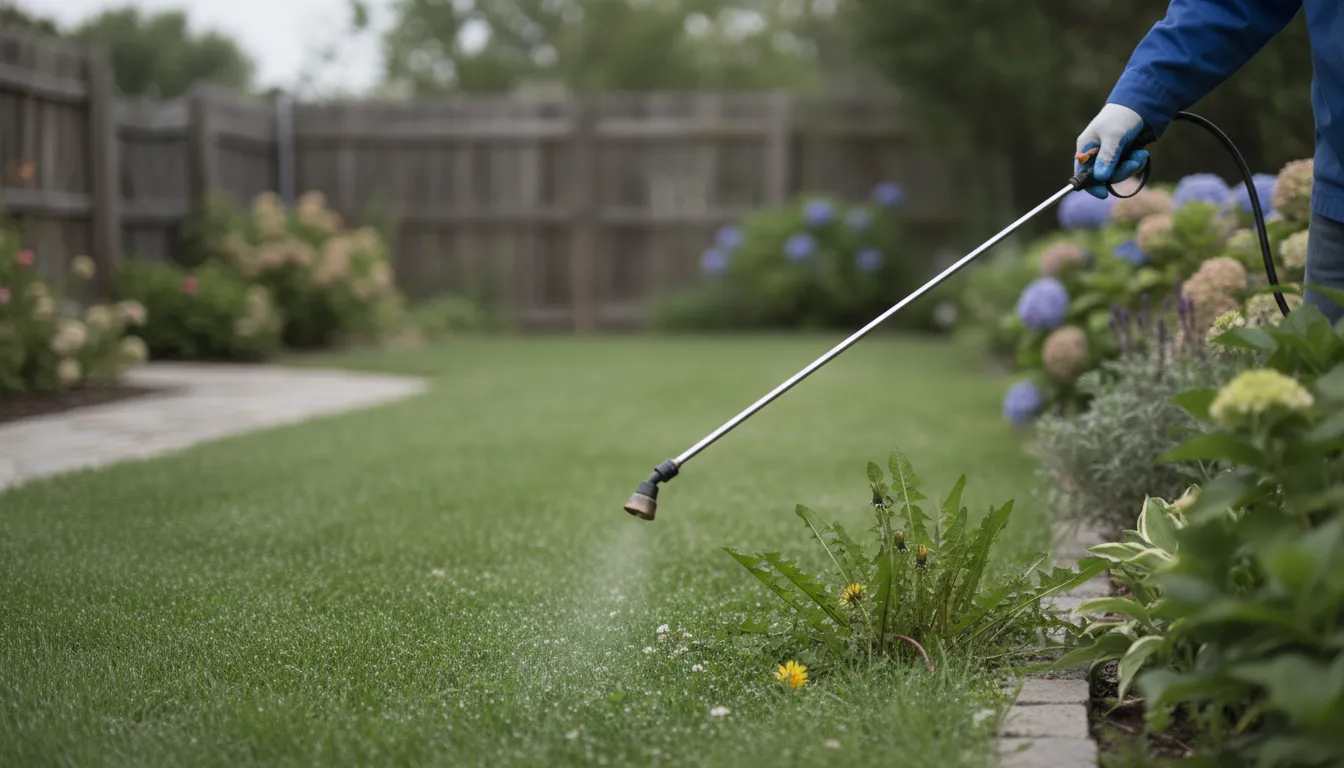
A healthy, vibrant lawn is more than just a green space; it's an extension of your home that enhances curb appeal and provides a place for relaxation. Achieving that lush, weed-free look in Elk Grove requires a strategic approach to lawn feeding and weed management, tailored to our local climate and grass types. This guide will help you understand the essential components of effective lawn nutrition and weed prevention, empowering you to find the right local expertise for a customized care plan.
Tree Care Services
3414 4th Ave, Sacramento, CA 95817
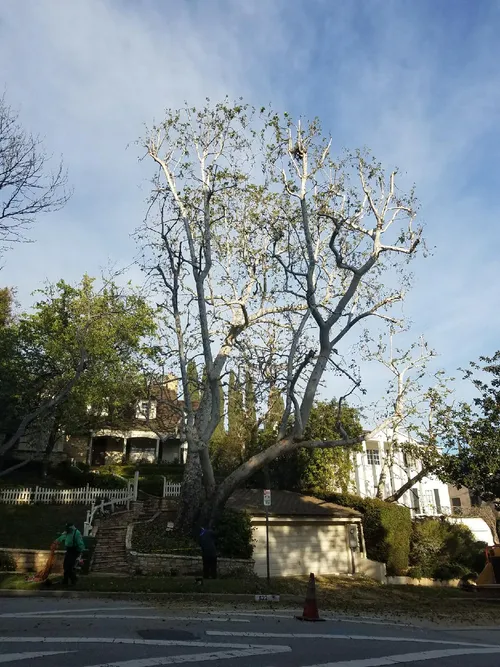
Tree Care Services is a family-owned business based in Sacramento, CA, specializing in tree care, landscaping, and lawn services. Serving both residential and commercial properties, they offer expert arborist services including tree trimming, pruning, fertilization, stump grinding, and safe tree removal. Established in 1990, the company provides 24/7 emergency response and follows industry standards to ensure safety and quality in all projects.
Haman Landscape and Tree Service
698 57th St, Sacramento, CA 95819
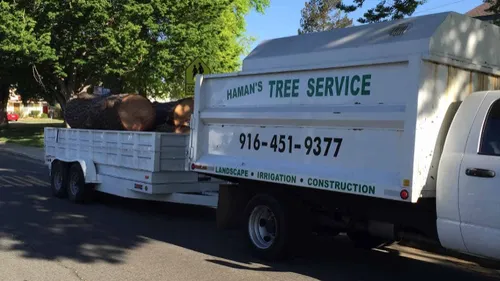
Haman Landscape and Tree Service is a family-owned company serving Sacramento, CA, and nearby communities. Since 1982, they have provided comprehensive tree care, landscaping, and lawn maintenance services. Their offerings include tree trimming, removal, cabling, soil and pest care, lawn fertilization, irrigation installation, and hardscaping. The company employs ISA certified arborists who handle tree health diagnostics and treatments, ensuring the safety and vitality of trees on residential and commercial properties. They also offer 24/7 emergency tree services for storm damage and hazards. With over 35 years of experience, Haman Landscape and Tree Service combines expert knowledge with personalized care. They focus on sustainable landscaping solutions and provide follow-up support to maintain healthy outdoor spaces. Their service area includes Sacramento and surrounding neighborhoods such as East Sacramento, Carmichael, Elk Grove, Folsom, and Roseville.
Lawn Care Up
100 Cropton Ct, Roseville, CA 95747
Lawn Care Up is a lawn care company based in Sacramento, CA, specializing in organic fertilization, targeted weed control, and preventative exterior pest care. They create tailored lawn fertilization and pest management plans based on individual property assessments to address specific lawn and pest concerns. Their approach focuses on consistent and quiet service to maintain healthy lawns, control weeds, and keep pests outside.
Loose Dirt Landscaping
1401 21st Street Suite 6527, Sacramento, CA 95811
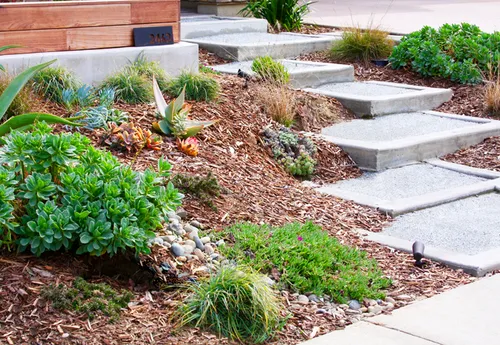
Loose Dirt Landscaping is a lawn care company based in Sacramento, CA, offering a range of services including lawn fertilization, weed control, sprinkler installation, and irrigation repair. They use modern agricultural technology and advanced irrigation techniques to provide customized lawn care solutions. Their services include fertilization and aeration designed to maintain healthy and attractive residential landscapes.
Orchid Lawn Care
1500 W El Camino Ave Suite 434, Sacramento, CA 95833
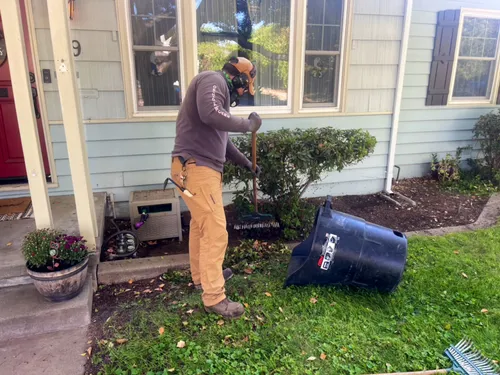
Orchid Lawn Care is a lawn care company based in Sacramento, CA, offering a variety of services to maintain healthy and attractive lawns in the area's unique climate. Their services include lawn mowing, fertilization, aeration, weed control, seasonal cleanups, sprinkler installation, and irrigation repair. They focus on tailored lawn treatments to help lawns thrive despite Sacramento's hot, dry summers and mild winters. Orchid Lawn Care also specializes in diagnosing and repairing sprinkler system issues such as uneven watering, broken heads, and leaks to ensure efficient irrigation and lawn health. The company is family owned and operated, using pet-friendly products and professional equipment to serve the local community.
Understanding Elk Grove's Lawn Environment
The foundation of any successful lawn care program is understanding what you're working with. Elk Grove's climate presents a specific set of conditions that directly influence your fertilization and weed control strategy.
Common Grass Types: The vast majority of lawns in our area are planted with cool-season grasses. The most prevalent include Tall Fescue, Perennial Ryegrass, and Kentucky Bluegrass1. These grasses thrive in cooler temperatures and have two primary growth spurts: one in the spring and another, more vigorous one, in the fall. This growth cycle is the critical roadmap for timing your lawn feeding and weed prevention efforts.
Local Climate Factors: Our warm, dry summers and mild, wetter winters mean cool-season grasses can go semi-dormant or become stressed during peak heat. This stress makes them more vulnerable to weed invasion and nutrient deficiency. A proper lawn nutrition program doesn't just feed the grass; it fortifies it against seasonal stress, helping it outcompete weeds naturally.
The Essential Lawn Care Calendar for Elk Grove
Timing is everything in lawn care. Applying the right treatment at the wrong time is often a waste of resources and can even harm your grass. Following a seasonal schedule aligned with your grass's natural growth rhythms yields the best results.
Early Spring (March - April)
This is a pivotal season for setting up your lawn for success. The primary goals are to encourage green-up and create a barrier against weeds.
- Pre-Emergent Weed Control: Applying a pre-emergent herbicide during this window is crucial for preventing crabgrass and other summer annual weeds from germinating. It forms an invisible shield in the soil that stops weed seeds from sprouting.
- Balanced Fertilizer: A light application of a balanced, slow-release fertilizer provides the nutrients needed to kickstart growth and recover from winter dormancy2.
Late Spring to Early Summer (May - June)
As temperatures rise, your lawn's needs shift from explosive growth to maintenance and defense.
- Nutrient Boost & Moisture Management: A fertilizer application focused on supporting the grass through the initial heat stress helps maintain color and density. Proper watering becomes equally important.
- Spot Weed Treatments: This is the time for post-emergent control. Any weeds that have broken through the pre-emergent barrier or are perennial types (like dandelions) should be targeted with selective herbicides.
Fall (September - October)
Fall is arguably the most important season for lawn feeding in Elk Grove. The cooler temperatures and increased rainfall create ideal growing conditions for cool-season grasses.
- Winterizer Fertilization: A "winterizer" fertilizer is applied in early to mid-fall. This product is typically higher in potassium, which strengthens grass roots and improves overall plant hardiness, preparing the lawn for winter and ensuring a quicker green-up next spring3.
- Targeted Weed Control: Fall is also an excellent time to control perennial broadleaf weeds, as plants are actively transporting nutrients (and herbicide) down to their roots.
Winter (November - February)
Lawn activity slows significantly during the cooler months.
- Dormant Feeding: In some cases, a dormant feeding may be beneficial, but the primary focus shifts to cleanup, aeration planning, and monitoring for winter weeds like poa annua4.
What to Expect from a Professional Treatment Program
Many homeowners choose to work with a professional lawn care provider for consistency, expertise, and access to commercial-grade products. A typical year-round lawn nutrition and weed management plan is structured and proactive.
Structure of a Typical Plan: Most comprehensive programs involve between 6 to 8 scheduled visits, spaced approximately 6 to 8 weeks apart throughout the growing season 5. Each visit is designed to address the lawn's changing seasonal needs, seamlessly integrating fertilization, weed prevention, and often insect or disease control.
Proactive, Not Reactive: A quality program is built on prevention. This starts with an understanding of your specific lawn-its grass type, soil condition, sun exposure, and problem areas. The best plans are tailored, not one-size-fits-all, and may include elements like soil testing to correct pH or nutrient imbalances at the root level6 7.
Find the perfect lawn treatment companies for your needs
Get personalized recommendations and expert advice
Key Factors Influencing Your Lawn Care Approach
Before committing to a service plan or DIY schedule, consider these local factors that will shape your lawn's needs and the associated care.
Grass Type Identification: Confirming whether you have a cool-season or warm-season grass is step one. As noted, cool-season grasses (like Tall Fescue) have their main feeding windows in fall and spring. Applying heavy nitrogen in the summer heat can actually damage them.
Yard Size and Condition: The square footage of your lawn is the single biggest driver of service cost, whether you're purchasing materials yourself or hiring a pro. The condition of the lawn-whether it's newly seeded, established, or in recovery-also dictates the type and intensity of treatments needed.
Local Regulations and Environmental Care: It's always wise to be aware of any municipal guidelines regarding fertilizer or pesticide use. Furthermore, environmentally conscious practices, such as using slow-release fertilizers to minimize runoff, are increasingly important for protecting our local watersheds.
Understanding Service and Pricing Structures
Costs for professional lawn feeding and weed management can vary based on the provider's offerings, your lawn's size, and the program's comprehensiveness.
Pricing Models: Providers typically structure pricing in a few ways:
- Per Application/Visit: Costs for a single fertilization and weed control service can range from approximately $50 to $175, depending heavily on property size 8.
- Annual Program: A full-season package covering multiple applications often ranges from $300 to $600 or more per year9 10. This can sometimes be more economical than paying per visit.
- Full-Service Lawn Care: If you're bundling mowing, trimming, and cleanup with fertilization and weed control, monthly costs for this comprehensive service can range from $120 to over $43011.
What Influences Cost: Beyond square footage, factors that can affect price include the accessibility of your yard, the severity of any existing weed problems, whether aeration or soil amendments are included, and the specific brand or type of products used12 13.
Frequently asked questions
Sources
Footnotes
-
Elk Grove Lawn Care | 6000+ 5-Star Reviews - https://www.getsunday.com/local-guide/lawn-care-in-elk-grove-ca ↩
-
Fertilization & Weed Control: A Combined Approach - https://www.lawnscape.com/blog/2025/october/fertilization-weed-control-a-combined-approach/ ↩
-
Winter lawn care! The time to establish roots with organic fertilizer. - https://www.youtube.com/watch?v=kJyCtc1FONg ↩
-
Bob Vila's Definitive Lawn Care Calendar - https://www.bobvila.com/articles/month-by-month-lawn-care-calendar/ ↩
-
Fertilization and Weed Plans for a Beautiful Lawn - https://www.lawndoctor.com/annual-programs/fertilization-and-weed-plans/ ↩
-
Lawn Care & Weed Control Services Elk Grove Village - https://emeraldlawncareinc.com/elk-grove-village-lawn-care-service.html ↩
-
Weed Control & Treatment Services - https://www.lawndoctor.com/weed-control/ ↩
-
Lawn Care Pricing & Cost Guide 2026 | Instant Quotes from $29 - https://lawnlove.com/pricing ↩
-
Lawn Fertilization & Weed Control in Southern California - https://www.lawnscape.com/lawn-care-services/fertilization-weed-control/ ↩
-
How much does lawn care service cost? - Green Lawn Fertilizing - https://www.greenlawnfertilizing.com/blog/how-much-does-lawn-care-service-cost ↩
-
Lawn Care Pricing Chart: Your Guide to Fair Lawn Service Costs - https://invoicefly.com/academy/lawn-care-pricing-chart/ ↩
-
Elk Grove's Lawn Mowing Experts - Starting at $36 - LawnGuru - https://lawnguru.co/cities/elk-grove-ca/lawn-mowing ↩
-
How Much Does TruGreen Cost? (2026) - HomeGuide - https://homeguide.com/costs/trugreen-cost ↩