Find the Best Lawn Treatment Companies for Your Business
No obligation • Fast responses • Nationwide coverage

Why you can trust Landscape Atlas
Landscape Atlas is a leading United States resource for evaluating landscaping, lawn care, and outdoor service providers. Our team researches each category in depth, focusing on service quality, safety, and customer experience. Listings and rankings are based on independent criteria and user feedback, and companies cannot pay to influence our assessments or recommendations.
Search providers near you
Top Lawn Treatment Companies in Glendora, California Ranked
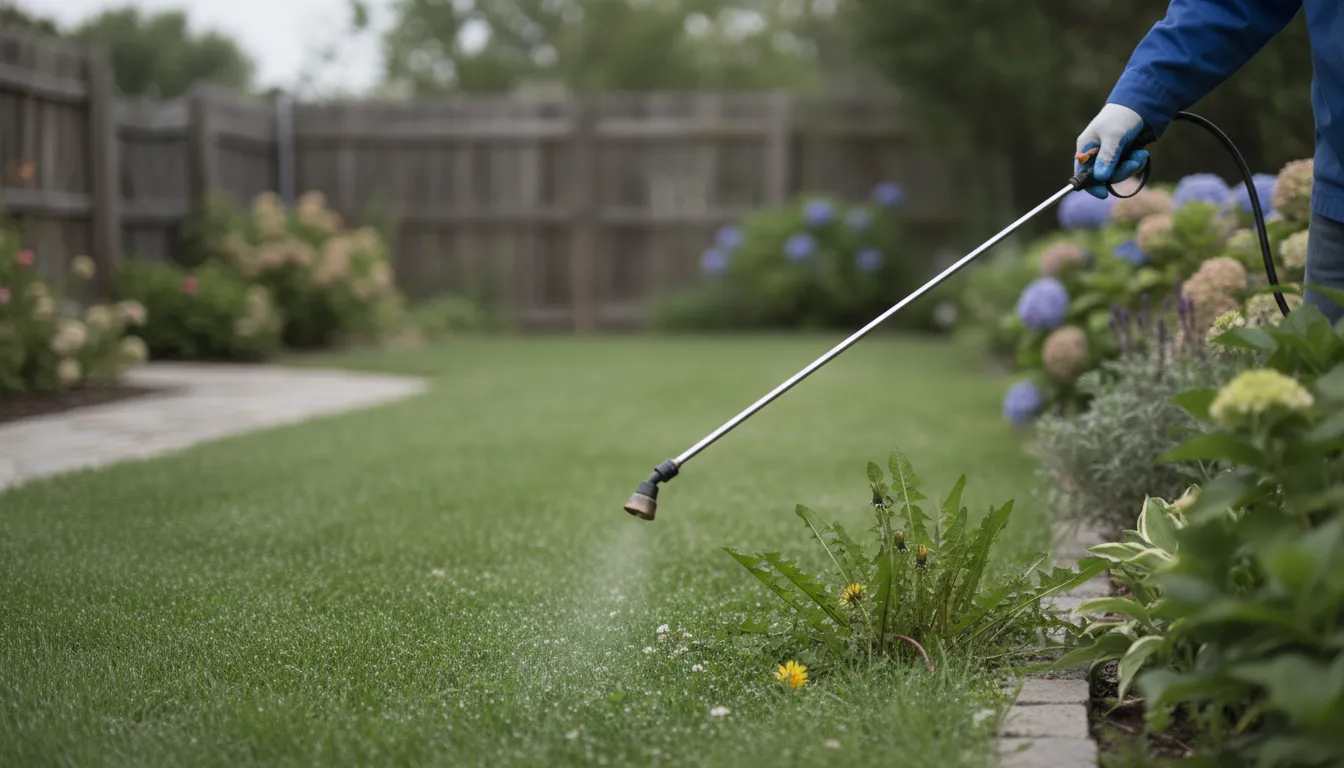
A healthy, vibrant lawn is more than just a patch of green; it's a living ecosystem that enhances your property's curb appeal and provides a space for relaxation. In Glendora's unique climate, achieving that lush, weed-free turf requires a targeted approach to lawn feeding and weed management. This guide is designed to help you understand the specific needs of local lawns, from seasonal schedules to common grass types, so you can make informed decisions about maintaining your outdoor space.
TurFresh
418 Goetz Ave, Santa Ana, CA 92707
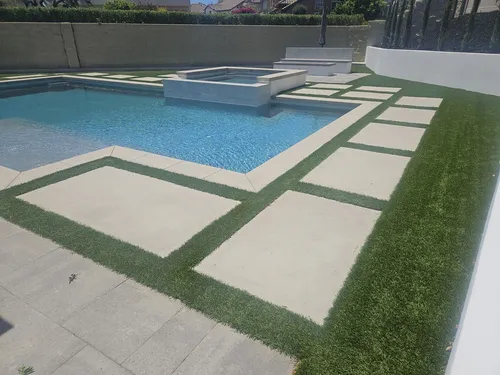
TurFresh is a lawn care company based in Santa Ana, CA, specializing in artificial turf maintenance and cleaning. They offer services such as pet urine odor removal, turf decompacting, deep brushing, debris removal, weed control, seam repairs, and turf infill adjustment. Their TurfBloom service helps restore the appearance and texture of artificial lawns by revitalizing turf fibers and infill materials. TurFresh customizes TurfCare plans to meet specific needs and provides a 30-day guarantee on their services.
Droughtscape
Angeles Crest Hwy, La Cañada Flintridge, CA 91011
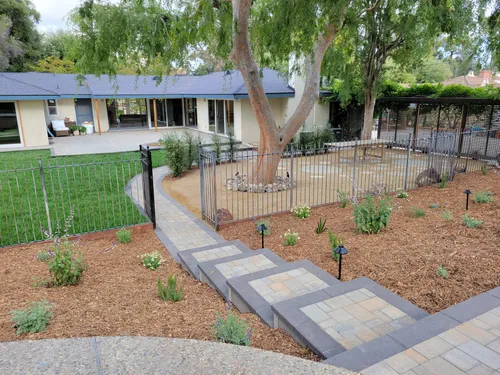
Droughtscape is a landscaping and outdoor construction company based in Los Angeles, CA. With over 45 years of experience, they specialize in drought and fire-resistant landscape design and installation, hardscaping, irrigation, fencing, artificial turf, and more. Their services cover a wide range of outdoor improvements including interlocking pavers, decks, pergolas, retaining walls, and yard drainage. Droughtscape serves multiple neighborhoods in the Los Angeles area, focusing on water-saving and sustainable landscaping solutions that suit various home styles. They emphasize clear communication and quality craftsmanship to provide a smooth project experience.
BriteTurf
1421 N Wanda Rd, Orange, CA 92867
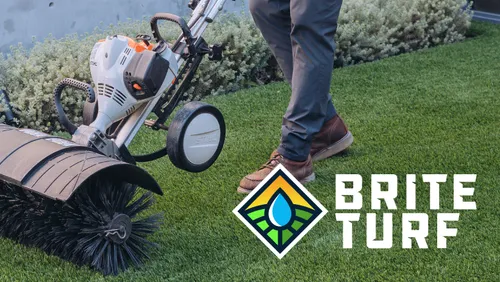
BriteTurf is a lawn care company based in Santa Ana, CA, specializing in lawn fertilization and weed control services. They offer standard weed removal as part of their lawn care packages, addressing typical weed growth in turf. Excessive weed growth may require additional repair services.
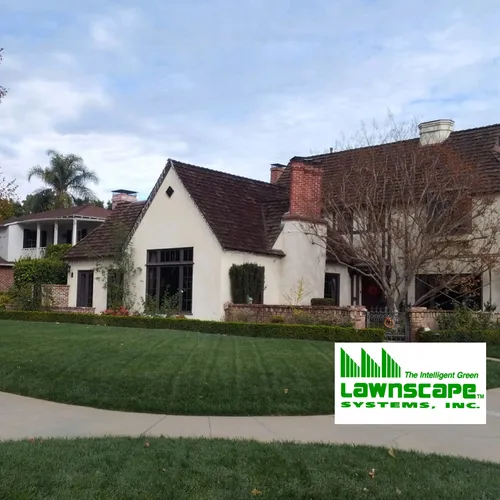
Lawnscape Systems, Inc.
5215 State St, Montclair, CA 91763
Lawnscape Systems, Inc. is a lawn care and landscaping company based in Los Angeles, CA, serving Southern California including Orange, San Bernardino, Riverside, Ventura, and San Diego counties. They offer a range of services such as fertilization, weed control, lawn pest control, aeration, overseeding, and commercial landscaping. With over 45 years of experience since 1979, Lawnscape Systems provides tailored lawn care programs designed to maintain healthy lawns year-round. Their capabilities include specialized fertilization, broadleaf weed control, disease and insect treatments, and weed abatement using herbicides and soil sterilants to protect lawns from pests and invasive grasses.
Excellence landscaping and Maintenance
11312 Buell St, Downey, CA 90241
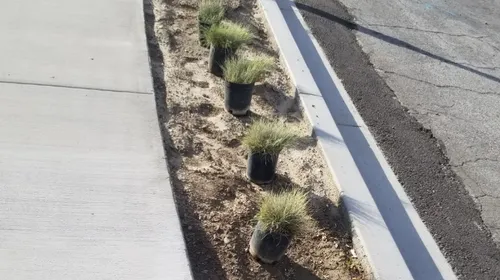
Excellence Landscaping and Maintenance is a full-service landscaping company based in Los Angeles, CA. They offer a wide range of services including lawn mowing, fertilization, weed control, landscape design, tree care, sprinkler installation and repair, yard cleaning, and pressure washing. Their expertise includes customized irrigation systems to keep gardens healthy and vibrant. The company focuses on personalized and meticulous care to transform outdoor spaces into beautiful and functional environments.
Understanding Glendora's Lawn Environment
Glendora's climate presents a distinct set of opportunities and challenges for lawn care. Situated in Southern California, the area experiences warm, dry summers and mild, wetter winters. This environment directly influences which grasses thrive and how they should be cared for throughout the year.
The most common grasses found in Glendora are warm-season varieties, such as Bermuda and Zoysia. These grasses are well-adapted to the heat, entering their peak growth phase during the warmer months and going dormant (turning brown) in the cooler winter. Some properties may also have cool-season grasses like Fescue, which stay greener in the winter but require more water to survive the summer heat. Identifying your grass type is the critical first step in developing an effective lawn nutrition and weed prevention plan.
The Core of a Healthy Lawn: Fertilization
Fertilization is the process of replenishing essential nutrients in your soil that grass consumes as it grows. A consistent feeding schedule is vital for developing a dense, resilient turf that can naturally outcompete weeds and resist pests and disease.
For Glendora's prevalent warm-season grasses, the active fertilization window runs from spring through fall, typically March to November 1. During this period, regular applications every 4 to 6 weeks provide a steady supply of nutrients to support vigorous growth. The specific blend of nutrients (nitrogen, phosphorus, and potassium) will vary by season. A spring fertilizer might promote green-up and growth, while a fall "winterizer" application is crucial for strengthening roots before dormancy, helping the lawn survive the winter and bounce back stronger in the spring.
Proactive and Reactive Weed Management
Weed control is a two-pronged strategy: stopping weeds before they start and eliminating those that have already taken root. An effective program combines both approaches.
- Pre-Emergent Weed Control: This is a preventative treatment applied to the soil to create a barrier that stops weed seeds from germinating. Timing is everything. In Glendora, key application times are in the fall (to target winter annuals) and early spring (to prevent summer weeds like crabgrass). This proactive step is often the most effective way to maintain a weed-free lawn.
- Post-Emergent Weed Control: When weeds are already visible, a post-emergent treatment is necessary. These products are designed to kill existing weeds, with results typically visible within 10 to 14 days 2 3. The type of herbicide used will depend on the specific weed (broadleaf vs. grassy) and the type of grass you are trying to protect.
Find the perfect lawn treatment companies for your needs
Get personalized recommendations and expert advice
Building a Seasonal Lawn Care Program
A year-round schedule tailored to Glendora's climate ensures your lawn gets the right care at the right time. Here's a general overview of what a comprehensive lawn feeding and weed management program entails:
- Spring (March - May): As soil temperatures warm and grass breaks dormancy, this season focuses on green-up and prevention. Services often include the first fertilizer application and a critical pre-emergent treatment to stop summer weed seeds.
- Summer (June - August): This is the peak growing season for warm-season grasses. Care involves continued feeding to support growth and post-emergent treatments to tackle any summer weeds that appear, such as crabgrass or spurge.
- Fall (September - November): Fall is arguably the most important season for lawn health. Applications shift to strengthening the root system with a winterizer fertilizer and applying pre-emergent to combat winter annual weeds like poa annua.
- Winter (December - February): While growth slows or stops, care may involve dormant feeding or simply monitoring for pests and disease. This is also an ideal time for planning the next year's program.
Complementary Services for Optimal Results
While fertilization and weed control form the foundation, other services can significantly enhance their effectiveness and your lawn's overall health.
- Core Aeration: This process involves removing small plugs of soil from your lawn to alleviate compaction, allowing water, air, and nutrients to reach the root zone more effectively. Aerating once a year, often in the spring or fall, can dramatically improve fertilizer uptake and grass density.
- Overseeding: For thinning lawns, overseeding introduces new grass seed to fill in bare spots and increase turf density. A thicker lawn is your best natural defense against weeds. For warm-season grasses, this is typically done in late spring.
- Proper Irrigation: Fertilizer needs water to dissolve and carry nutrients to the roots. An efficient watering schedule-deep and infrequent-is essential for any lawn care program to work. Many professionals will assess your irrigation system as part of their service.
Understanding Service Costs and Plans
Investing in professional lawn feeding and weed management involves various factors that influence cost. Most providers offer customizable programs based on your lawn's specific needs.
A common pricing model is an annual program covering multiple visits throughout the key growing seasons. For a basic program in Glendora, annual costs can range from $300 to $600 or more, typically encompassing 4 to 6+ service visits 4 5. The cost per individual visit generally falls between $50 and $150+4 5. The primary factors affecting price include:
- Lawn Size: This is the most significant cost driver, as it determines the amount of product and time required 6.
- Grass Type and Condition: The specific needs of your grass and its current health can influence the treatment plan.
- Service Frequency & Scope: The number of visits per year and whether additional services like aeration or grub control are included will adjust the price 7 8 9.
- Weed Pressure: Lawns with significant existing weed problems may require more intensive initial treatments.
Choosing the Right Approach for Your Lawn
Whether you decide to manage your lawn yourself or hire a professional, the principles of timing and consistency remain key. DIY enthusiasts must carefully follow product labels for application rates and safety, and invest in proper equipment like a calibrated spreader. The advantage of professional services lies in their expertise, access to commercial-grade products, and the convenience of a managed schedule that handles the seasonal timing for you. Many professionals also employ Integrated Pest Management (IPM) strategies, which focus on long-term prevention through a combination of cultural, biological, and chemical tools 10.
Frequently asked questions
Sources
Footnotes
-
When to Fertilize Your Lawn in California - LawnStarter - https://www.lawnstarter.com/blog/california/when-to-fertilize-lawn-california/ ↩
-
Affordable Lawn Care Plans & Pricing Options - TruGreen - https://www.trugreen.com/products-and-services ↩
-
When to Fertilize Your Lawn in California - https://lawnlove.com/blog/when-to-fertilize-lawn-california/ ↩
-
How much does lawn care service cost? - Green Lawn Fertilizing - https://www.greenlawnfertilizing.com/blog/how-much-does-lawn-care-service-cost ↩ ↩2
-
10 Best Lawn Care in Glendora, CA - Today's Homeowner - https://todayshomeowner.com/near-me/california/glendora/lawn-care/ ↩ ↩2
-
How Much Does Lawn Care Cost in 2026? - https://lawnlove.com/blog/lawn-care-cost/ ↩
-
How Much Does Lawn Fertilization Cost in 2026? - https://lawnlove.com/blog/lawn-fertilization-cost/ ↩
-
How Much Does TruGreen Cost? (2026) - HomeGuide - https://homeguide.com/costs/trugreen-cost ↩
-
How Much Does Lawn Doctor Cost? (2026) - HomeGuide - https://homeguide.com/costs/lawn-doctor-cost ↩
-
Top-Rated Lawn Care Services - https://www.drakepest.com/lawn-care/ ↩