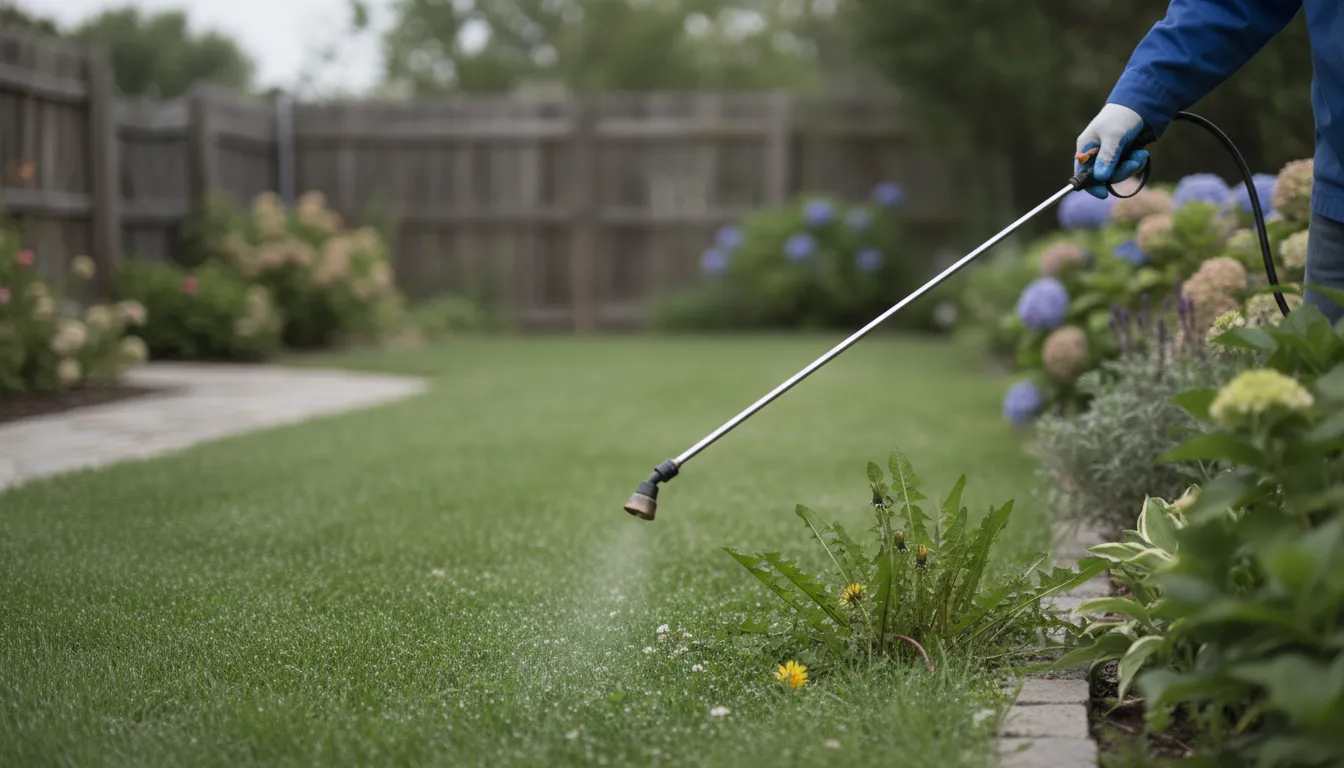
Find the Best Lawn Treatment Companies for Your Business
No obligation • Fast responses • Nationwide coverage
Why you can trust Landscape Atlas
Landscape Atlas is a leading United States resource for evaluating landscaping, lawn care, and outdoor service providers. Our team researches each category in depth, focusing on service quality, safety, and customer experience. Listings and rankings are based on independent criteria and user feedback, and companies cannot pay to influence our assessments or recommendations.
Search providers near you
Top Lawn Treatment Companies in Highland, California Ranked
A healthy, vibrant lawn is more than just a patch of green; it's a living ecosystem that enhances your home's curb appeal and provides a space for relaxation. Achieving that lush, weed-free turf in Highland's climate requires a specialized approach to lawn nutrition and weed management. This guide is designed to help you understand the specific needs of local lawns, from seasonal treatment schedules to service options, so you can make informed decisions about maintaining your outdoor space.
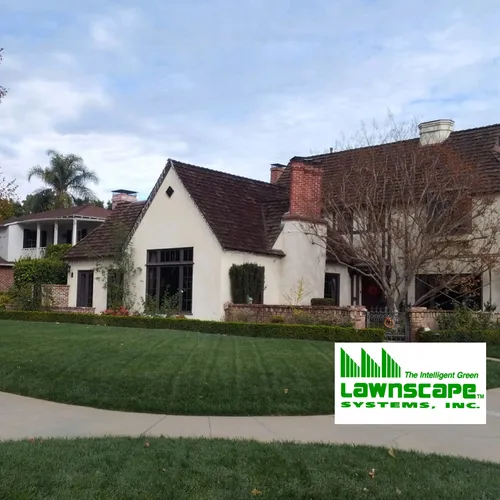
Lawnscape Systems, Inc.
5215 State St, Montclair, CA 91763
Lawnscape Systems, Inc. is a lawn care and landscaping company based in Los Angeles, CA, serving Southern California including Orange, San Bernardino, Riverside, Ventura, and San Diego counties. They offer a range of services such as fertilization, weed control, lawn pest control, aeration, overseeding, and commercial landscaping. With over 45 years of experience since 1979, Lawnscape Systems provides tailored lawn care programs designed to maintain healthy lawns year-round. Their capabilities include specialized fertilization, broadleaf weed control, disease and insect treatments, and weed abatement using herbicides and soil sterilants to protect lawns from pests and invasive grasses.
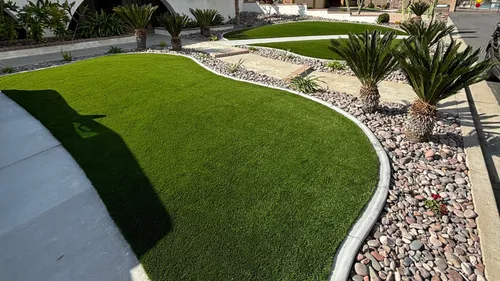
Houston's Landscaping
29177 Stevens Ave, Moreno Valley, CA 92555
Houston's Landscaping is a family-owned landscaping company serving Riverside, CA, and the Inland Empire. They offer a wide range of services including landscape curbing, artificial turf installation, lawn care, irrigation systems, sod installation, tree and shrub care, and hardscaping. Their team focuses on creating low-maintenance, attractive outdoor spaces tailored to client needs. One notable capability is their landscape curbing, which enhances property aesthetics and reduces maintenance. Houston's Landscaping also emphasizes the benefits of artificial turf for water savings and year-round greenery in the Southern California climate.

Best Lawncare
Riverside, CA
Best Lawncare is a landscaping and hardscaping company serving Riverside, CA, and nearby cities. They offer a wide range of services including lawn mowing, fertilization, weed control, landscape design, tree care, sprinkler installation and repair, as well as hardscaping projects like patios and retaining walls. Their team provides personalized landscaping solutions with a focus on sustainable and eco-friendly practices. With over 15 years of experience, Best Lawncare is known for handling both residential and commercial properties and offers free estimates for all projects.
LawnStarter Lawn Care Service
4580 Belford Way, Riverside, CA 92507
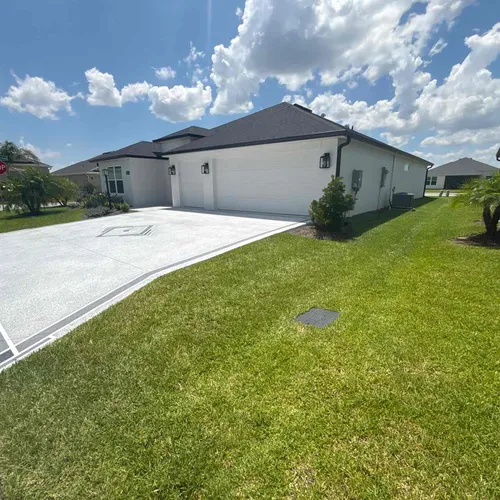
LawnStarter Lawn Care Service provides a wide range of lawn care and landscaping services in Riverside, CA. Their offerings include lawn mowing, fertilization, weed control, tree removal, stump grinding, yard drainage, sprinkler installation and repair, and general landscaping. They emphasize convenience with online booking and account management, backed by insured professionals. LawnStarter also offers specialized services such as gutter cleaning and yard cleanup. The company serves various neighborhoods within Riverside and supports customers with a mobile app for easy service management.
TruGreen Lawn Care
1130 Palmyrita Ave STE 300, Riverside, CA 92507
TruGreen Lawn Care provides lawn fertilization, weed control, and comprehensive lawn care services in Riverside, CA. They focus on delivering tailored lawn treatments designed to achieve golf course quality results, leveraging their experience as the Official Lawn Care Treatment Provider of the PGA TOUR®. TruGreen emphasizes customer satisfaction with a guarantee to revisit and address any issues between regular visits.
Understanding Highland's Lawn Environment
Highland, located in the Inland Empire, experiences a climate that is ideal for warm-season grasses. The hot, dry summers and mild winters shape the entire approach to lawn care here. Most residential lawns are dominated by warm-season varieties like Bermuda and Zoysia grass, which thrive in the heat and go dormant, turning brown, during the cooler winter months 1. Less commonly, you might find cool-season grasses like Tall Fescue, which stay green longer into the fall but require more water and different timing for fertilization. Knowing your grass type is the critical first step, as it dictates the entire annual care calendar for feeding and weed prevention.
The Annual Cycle of Lawn Care
A proactive, scheduled approach is far more effective than reacting to problems. For warm-season grasses in Highland, the year is broken into key treatment windows that align with the grass's natural growth cycles.
- Early Spring (March/April): This is the "wake-up" call for your lawn. A balanced fertilizer application provides essential nutrients to kickstart green-up and recovery from winter dormancy. Crucially, this is the time for a pre-emergent herbicide application to create a barrier in the soil that prevents crabgrass and other summer annual weeds from germinating.
- Late Spring (May/June): As temperatures rise, your lawn enters its peak growth phase. A seasonal fertilizer supports this growth, while a broadleaf weed control application targets established weeds like dandelions and clover that may have emerged.
- Summer (July/August): The intense heat demands careful nutrition. A slow-release nitrogen fertilizer provides steady feeding without promoting excessive growth that would stress the lawn. Spot treatments for any breakthrough weeds are common during this period.
- Late Summer/Early Fall (September/October): As extreme heat subsides, another round of fertilization and weed control helps the lawn recover from summer stress and prepares it for the fall growing period.
- Fall (October/November): The final, and often most important, treatment is the "winterizer." This application is high in potassium, which strengthens grass roots for winter resilience and promotes a healthier, quicker green-up the following spring 2.
Service Options and Program Structures
Local lawn care providers typically structure their services into comprehensive programs or offer individual treatments. Understanding these options helps you choose what fits your goals and budget.
Seasonal Lawn Programs: The most popular choice is a multi-application program. These often include 4 to 7 visits per year, systematically bundling fertilization, weed control, and sometimes insect prevention into a single annual price 3. This hassle-free approach ensures treatments are applied at the optimal time for maximum effectiveness.
À La Carte Services: For the hands-on homeowner who handles some tasks themselves, individual services are available. You might hire a professional for a one-time pre-emergent application in spring or a broadleaf weed spray to tackle a specific infestation. This offers flexibility but requires you to manage the timing.
Integrated Lawn Care: Many services go beyond just feeding and weeding. Your program can often include add-ons like core aeration (to relieve soil compaction), grub or insect control, and even lime treatments to balance soil pH 4. These integrated solutions address the overall health of your lawn's ecosystem.
Find the perfect lawn treatment companies for your needs
Get personalized recommendations and expert advice
Factors Influencing Treatment Plans and Cost
The scope and cost of your lawn fertilization and weed management plan are not one-size-fits-all. Several key factors specific to your property will determine the approach.
- Lawn Size: This is the primary cost driver. Larger lawns require more product and labor. A basic annual fertilization program for a smaller yard might start in the $300-$400 range, while larger properties will see higher costs 5 6.
- Grass Type and Condition: A well-maintained Bermuda lawn will have different needs and respond differently than a struggling Fescue lawn. The initial condition of your turf will influence the first year's program, which may be more intensive.
- Weed Pressure: The severity of your existing weed problem significantly impacts cost. A lawn with light, sporadic weeds will cost far less to treat than one with a severe, established infestation requiring multiple herbicide applications 7.
- Service Level: Providers often offer tiered programs. A "basic" plan may cover essential fertilization and weed prevention, while a "premium" plan could include more visits, organic or slow-release fertilizer options, and additional health-boosting services like aeration.
- Local Considerations: It's always wise to be aware of any local or regional environmental guidelines regarding fertilizer use, especially near watersheds 8. Reputable providers in the Inland Empire will be familiar with and adhere to these best practices.
The Value of Professional Lawn Nutrition
While DIY lawn care is an option, partnering with a professional for your lawn feeding and weed suppression offers distinct advantages. Experts bring knowledge of local soil conditions, grass types, and microclimates within Highland. They have access to commercial-grade products that are often more effective and longer-lasting than retail alternatives. Perhaps most importantly, they save you the time and hassle of storing chemicals, calibrating spreaders, and ensuring even application. A professionally managed lawn is more likely to develop deep roots, resist disease and drought, and provide consistent beauty throughout the growing season.
Frequently asked questions
Sources
Footnotes
-
When to Fertilize Your Lawn in California - LawnStarter - https://www.lawnstarter.com/blog/california/when-to-fertilize-lawn-california/ ↩
-
Lawn Fertilization & Weed Control in Southern California - https://www.lawnscape.com/lawn-care-services/fertilization-weed-control/ ↩
-
5 Application Lawn Program - https://naturescapelawncare.com/us/services/lawncare/5app/ ↩
-
The 10 Best Lawn Care Services in Highland, CA from $36 - https://www.yourgreenpal.com/local/lawn-care-highland-ca ↩
-
How much does lawn care service cost? - Green Lawn Fertilizing - https://www.greenlawnfertilizing.com/blog/how-much-does-lawn-care-service-cost ↩
-
How Much Does Lawn Fertilization Cost in 2026? - https://lawnlove.com/blog/lawn-fertilization-cost/ ↩
-
How Much Does Weed Control Cost in 2026? - LawnStarter - https://www.lawnstarter.com/blog/cost/weed-control-price/ ↩
-
How Much Does Lawn Fertilization Cost in 2026? - LawnStarter - https://www.lawnstarter.com/blog/cost/lawn-fertilization-price/ ↩