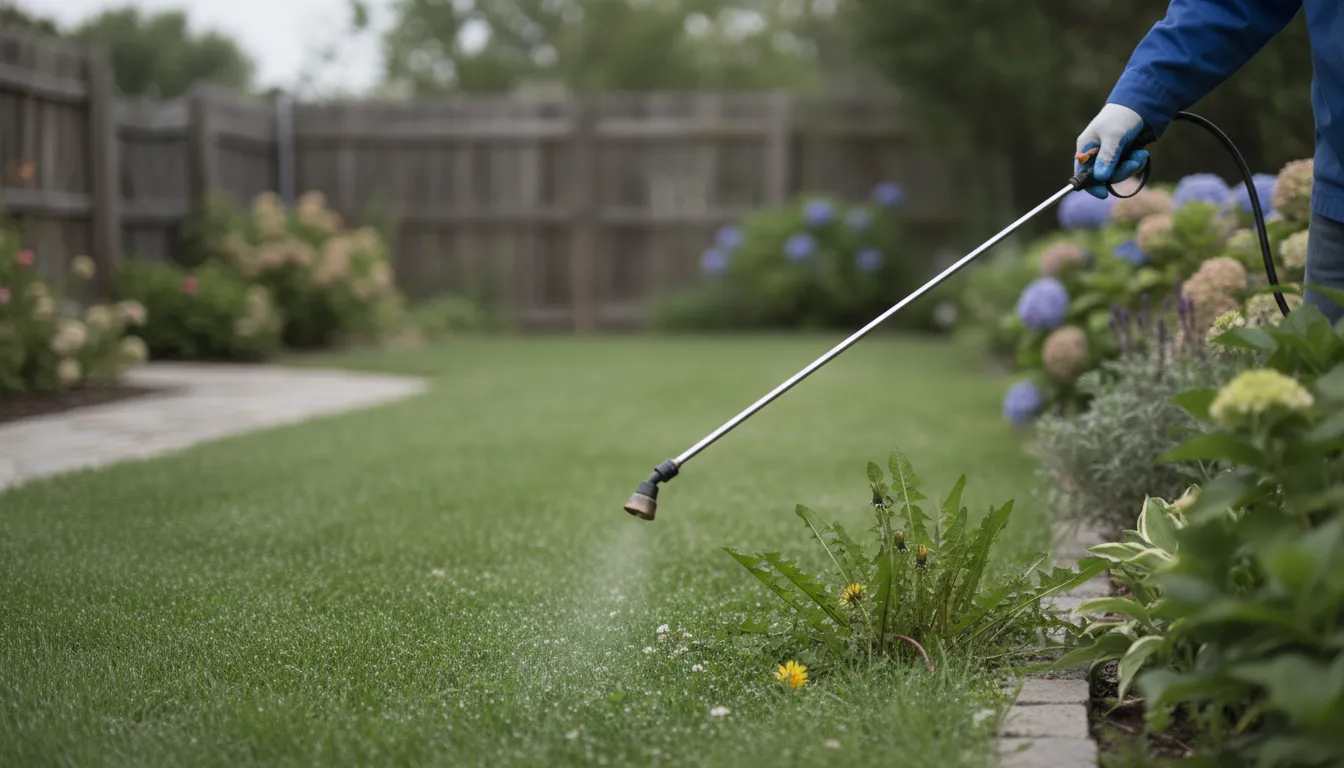
Find the Best Lawn Treatment Companies for Your Business
No obligation • Fast responses • Nationwide coverage

Why you can trust Landscape Atlas
Landscape Atlas is a leading United States resource for evaluating landscaping, lawn care, and outdoor service providers. Our team researches each category in depth, focusing on service quality, safety, and customer experience. Listings and rankings are based on independent criteria and user feedback, and companies cannot pay to influence our assessments or recommendations.
Search providers near you
Top Lawn Treatment Companies in Inglewood, California Ranked
A healthy, vibrant lawn is more than just a patch of green; it's a living ecosystem that enhances your property's curb appeal and provides a space for relaxation. Achieving that lush, weed-free look in Inglewood requires a tailored approach, combining the right nutrients with proactive weed management. This guide will help you understand the specialized lawn care services available locally, from seasonal feeding schedules to targeted weed prevention, so you can find the right professional support for your specific grass type and yard goals.
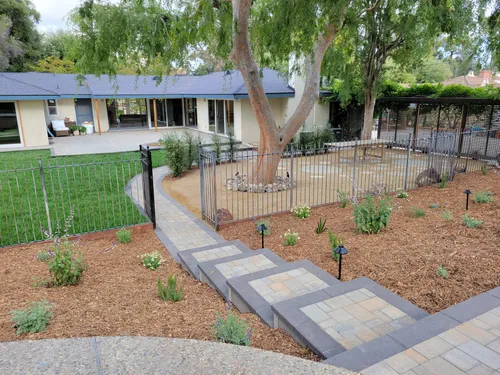
Droughtscape
Angeles Crest Hwy, La Cañada Flintridge, CA 91011
Droughtscape is a landscaping and outdoor construction company based in Los Angeles, CA. With over 45 years of experience, they specialize in drought and fire-resistant landscape design and installation, hardscaping, irrigation, fencing, artificial turf, and more. Their services cover a wide range of outdoor improvements including interlocking pavers, decks, pergolas, retaining walls, and yard drainage. Droughtscape serves multiple neighborhoods in the Los Angeles area, focusing on water-saving and sustainable landscaping solutions that suit various home styles. They emphasize clear communication and quality craftsmanship to provide a smooth project experience.
Excellence landscaping and Maintenance
11312 Buell St, Downey, CA 90241
Excellence Landscaping and Maintenance is a full-service landscaping company based in Los Angeles, CA. They offer a wide range of services including lawn mowing, fertilization, weed control, landscape design, tree care, sprinkler installation and repair, yard cleaning, and pressure washing. Their expertise includes customized irrigation systems to keep gardens healthy and vibrant. The company focuses on personalized and meticulous care to transform outdoor spaces into beautiful and functional environments.
TruGreen Lawn Care
16022 Adelante St, Irwindale, CA 91702
TruGreen Lawn Care provides lawn fertilization and weed control services in Los Angeles, CA. They focus on delivering tailored lawn care treatments designed to achieve a golf course quality lawn, supported by their role as the Official Lawn Care Treatment Provider of the PGA TOUR®. TruGreen offers a satisfaction guarantee, promising to return between visits if customers are not satisfied with the results.
Roldan Brothers Landscaping
Los Angeles, CA
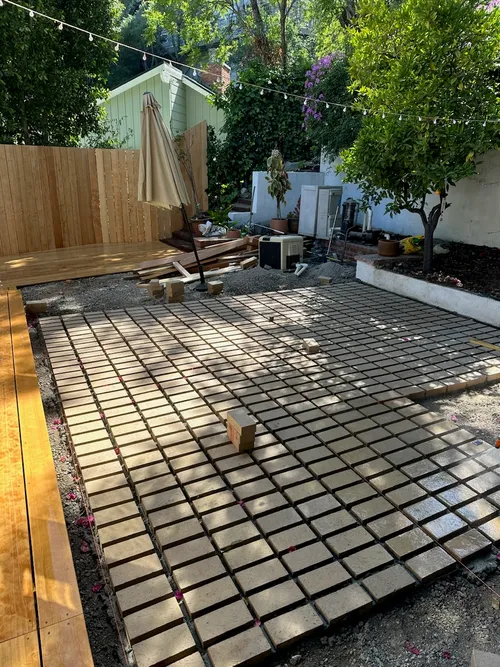
Roldan Brothers Landscaping is a landscaping and hardscaping company serving Los Angeles, CA, and surrounding areas. Since 2017, they have offered a wide range of services including lawn care, sprinkler and irrigation system installation, fence and deck building, tree trimming, landscape lighting, and custom pergolas. They also specialize in hardscaping projects such as concrete patios, paver installations, and driveway paving. Their team uses high-quality materials and provides customized solutions tailored to each property. With over 10 years of combined experience, the Roldan Brothers focus on creating functional and attractive outdoor spaces that meet client needs.
LawnStarter Landscaping
1540 Vine St Apartment 346, Los Angeles, CA 90028
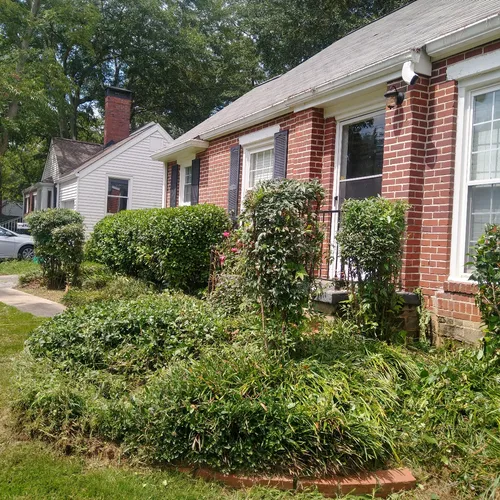
LawnStarter Landscaping offers a wide range of lawn care and landscaping services in Los Angeles, CA. Their offerings include lawn mowing, fertilization, weed control, tree services, sprinkler installation and repair, landscape lighting, hardscaping, and landscape design. They are experienced in creating sustainable and eco-friendly outdoor spaces suited to the local climate, including xeriscapes and native plant gardens. LawnStarter Landscaping serves many neighborhoods throughout Los Angeles, providing expert care tailored to the region's year-round weather and water conservation needs.
Understanding Your Inglewood Lawn
The first step to effective lawn nutrition and weed management is knowing what you're working with. Inglewood's mild, Mediterranean-like climate supports a mix of grass types, each with its own needs.
Common Grass Types in the Area:
- Warm-Season Grasses: These varieties thrive in the heat and are most active from late spring through summer.
- Bermuda Grass: A popular, drought-tolerant choice that forms a dense turf, excellent for sunny areas.
- Zoysia Grass: Known for its slow growth and soft texture, it handles foot traffic well and is also drought-resistant.
- Cool-Season Grasses: These grasses grow most vigorously in the cooler months of fall and spring.
- Tall Fescue: Often found in shadier spots or in blends, it stays greener longer into the warm season but requires more water.
Identifying your primary grass type is crucial, as it dictates the optimal timing for fertilization and other core treatments 1 2.
The Pillars of a Professional Lawn Care Program
Local lawn care experts build their programs around several key services designed to work in harmony. A comprehensive plan typically includes more than just spreading fertilizer; it's a year-round strategy for soil and plant health.
Customized Fertilization Schedules
Fertilizer provides the essential nutrients-primarily nitrogen, phosphorus, and potassium-that your grass needs to grow thick and strong. In Inglewood, application timing is everything and is directly tied to your grass's growth cycle.
- For cool-season grasses like Tall Fescue, the primary feeding windows are in the early fall and again in the spring. Fall fertilization is especially important as it helps rebuild roots after summer stress.
- For warm-season grasses like Bermuda, the feeding season kicks off in late spring as soil temperatures rise, with additional applications through the summer and into early fall.
Proactive and Reactive Weed Control
Weed management is a two-pronged approach: stopping weeds before they start and eliminating those that have already taken root.
- Pre-emergent Herbicides: Applied at critical times of the year (often early spring and fall), these products create a barrier in the soil that prevents weed seeds from germinating. This is the most effective way to control common annual weeds.
- Post-emergent Herbicides: These treatments target weeds that are already visible in your lawn. Professionals select specific products based on the weed type (broadleaf vs. grassy weeds) and your grass type to ensure effectiveness without harming the turf.
Supporting Treatments for Long-Term Health
- Core Aeration: This process involves removing small plugs of soil from your lawn to alleviate compaction. It allows water, air, and nutrients to penetrate deeper into the root zone. Aeration is often recommended in the fall or spring for the best results 3.
- Integrated Pest Management: Beyond weeds, lawns can face challenges from insects like grubs or chinch bugs. Many service plans include monitoring and treatment options to address these pests as needed.
The Inglewood Lawn Care Calendar
Your lawn's needs change with the seasons. Here's a general guide to how professional lawn care is adapted for Inglewood's climate, where the active growing season typically runs from March through October.
Spring (March - May)
- Focus: Green-up and weed prevention.
- Actions: Application of pre-emergent herbicides to stop summer weeds; initial fertilization for cool-season grasses; potential first feeding for warm-season grasses in late spring; spot treatment for existing weeds.
Summer (June - August)
- Focus: Sustaining health through heat.
- Actions: Regular mowing at appropriate heights; fertilization for warm-season grasses; post-emergent weed control as needed; monitoring and treatment for pests; efficient irrigation management is critical.
Fall (September - October)
- Focus: Root strengthening and winter preparation.
- This is the most important season for lawn care in Inglewood.
- Actions: Key fertilization for both cool-season and warm-season grasses to build strong roots; application of pre-emergent to prevent winter weeds; ideal time for core aeration and overseeding if needed 4 5.
Winter (November - February)
- Focus: Maintenance and dormancy.
- Actions: Warm-season grasses may go dormant and turn brown; cleanup of leaves and debris; lighter fertilization may be applied; focus remains on preventing winter weeds.
Find the perfect lawn treatment companies for your needs
Get personalized recommendations and expert advice
Choosing Between Conventional and Eco-Friendly Options
Today's homeowners have more choices than ever. You can discuss your preferences with local providers, as many offer different product lines.
- Conventional Programs: Utilize widely-studied, synthetic fertilizers and herbicides that provide fast, reliable results. These programs are often the standard offering.
- Eco-Friendly or Organic Options: These plans use natural, slow-release fertilizers and may employ organic weed control methods. They focus on long-term soil biology health and are a popular choice for families and pet owners looking to minimize synthetic chemical use 6 7. Be sure to ask providers about the specific products and strategies they use in their "green" programs.
What to Expect: Service and Investment
Professional lawn care is typically offered as a recurring service plan. A technician will visit your property at scheduled intervals throughout the year to perform the agreed-upon treatments.
Understanding Pricing: Costs are influenced by your lawn's square footage, the complexity of the terrain, the specific services included, and the product line chosen. Based on available market data, you can expect a range of investment levels 8 9 10:
- Basic Fertilization Plan: A program focusing primarily on seasonal feeding may range from approximately $300 to over $600 per year.
- Comprehensive Lawn Care Package: A full-service plan that includes fertilization, weed control, pest management, and sometimes aeration will represent a higher investment. Annual costs for these packages can range from $450 to $2,000 or more, often broken down into per-visit charges that might fall between $65 and $225 per application.
The best way to get an accurate price is to request an on-site estimate. A reputable professional will assess your grass type, soil condition, weed pressure, and lawn size to provide a customized quote.
Finding the Right Local Professional
When evaluating lawn fertilization and weed control providers in Inglewood, consider asking these questions:
- Do you offer a free, on-site evaluation and quote?
- Can you identify my grass type and explain your recommended schedule for it?
- What is included in your standard program, and what costs extra (e.g., aeration, grub control)?
- Do you offer both conventional and eco-friendly treatment options?
- Are your technicians licensed and insured?
- What is your service guarantee if weeds break through or I'm not satisfied with the results?
Taking the time to understand these components will help you partner with a knowledgeable provider who can deliver a healthy, beautiful lawn tailored to Inglewood's unique environment.
Frequently asked questions
Sources
Footnotes
-
Best Types of Grass for California - LawnStarter - https://www.lawnstarter.com/blog/california/best-grass-california/ ↩
-
TURF TYPES - Rancho California Water District - https://www.ranchowater.com/DocumentCenter/View/9 ↩
-
How Much Does Lawn Care Cost in Salinas? - https://www.lawnstarter.com/blog/california/salinas-ca/lawn-care-cost-salinas/ ↩
-
When to Fertilize Your Lawn in California - LawnStarter - https://www.lawnstarter.com/blog/california/when-to-fertilize-lawn-california/ ↩
-
When to Fertilize Your Bay Area Lawn - LawnStarter - https://www.lawnstarter.com/blog/california/san-francisco-ca/when-to-fertilize-lawn-bay-area/ ↩
-
Lawn Care Inglewood CA | Lawn Maintenance Services - https://inglewoodcalandscaping.com/lawn-care-maintenance-in-inglewood-ca/ ↩
-
10 Best Landscapers in Inglewood, CA - LawnStarter - https://www.lawnstarter.com/inglewood-ca-landscaping ↩
-
How Much Does TruGreen Cost? (2026) - HomeGuide - https://homeguide.com/costs/trugreen-cost ↩
-
How much does lawn care service cost? - Green Lawn Fertilizing - https://www.greenlawnfertilizing.com/blog/how-much-does-lawn-care-service-cost ↩
-
Lawn Care & Maintenance Services in Inglewood, CA - https://www.inglewoodlandscapes.com/services/lawn-care-maintenance ↩