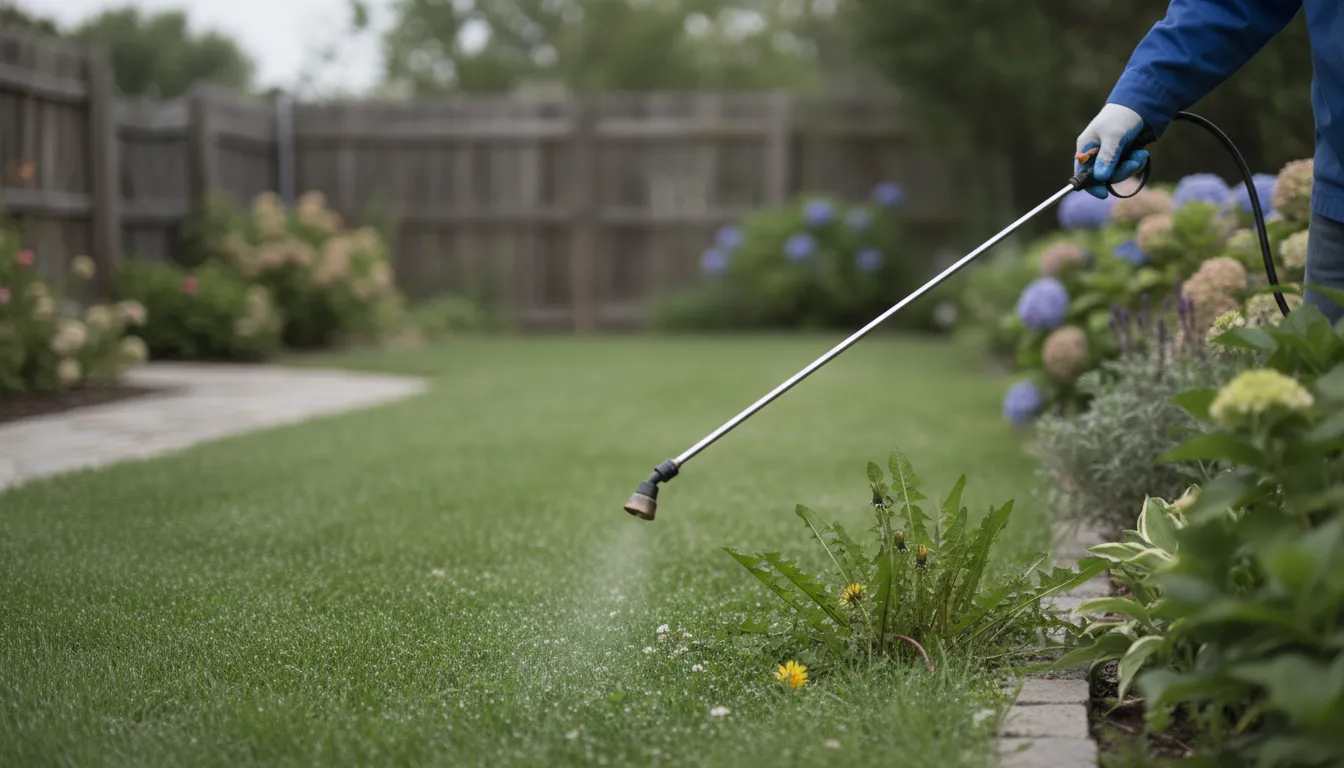
Find the Best Lawn Treatment Companies for Your Business
No obligation • Fast responses • Nationwide coverage
Why you can trust Landscape Atlas
Landscape Atlas is a leading United States resource for evaluating landscaping, lawn care, and outdoor service providers. Our team researches each category in depth, focusing on service quality, safety, and customer experience. Listings and rankings are based on independent criteria and user feedback, and companies cannot pay to influence our assessments or recommendations.
Search providers near you
Top Lawn Treatment Companies in Lake Forest, California Ranked
A healthy, vibrant lawn is a cornerstone of curb appeal and outdoor enjoyment in Lake Forest. Achieving that lush, green carpet requires a strategic approach to lawn fertilization and weed control, tailored to the unique Southern California climate and the specific grasses that thrive here. This guide provides a detailed look at professional lawn feeding and weed management services, explaining why a customized, seasonal program is essential and how you can connect with local experts who understand the needs of your landscape.
TurFresh
418 Goetz Ave, Santa Ana, CA 92707
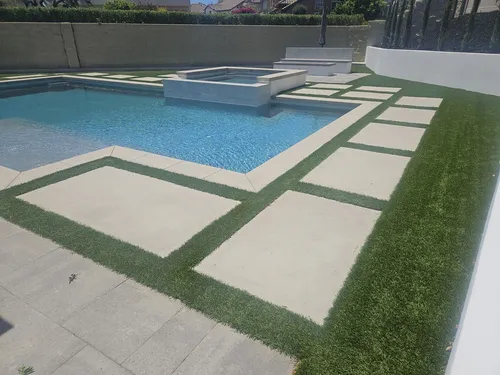
TurFresh is a lawn care company based in Santa Ana, CA, specializing in artificial turf maintenance and cleaning. They offer services such as pet urine odor removal, turf decompacting, deep brushing, debris removal, weed control, seam repairs, and turf infill adjustment. Their TurfBloom service helps restore the appearance and texture of artificial lawns by revitalizing turf fibers and infill materials. TurFresh customizes TurfCare plans to meet specific needs and provides a 30-day guarantee on their services.
BriteTurf
1421 N Wanda Rd, Orange, CA 92867
BriteTurf is a lawn care company based in Santa Ana, CA, specializing in lawn fertilization and weed control services. They offer standard weed removal as part of their lawn care packages, addressing typical weed growth in turf. Excessive weed growth may require additional repair services.
Lawnscape Systems, Inc.
5215 State St, Montclair, CA 91763
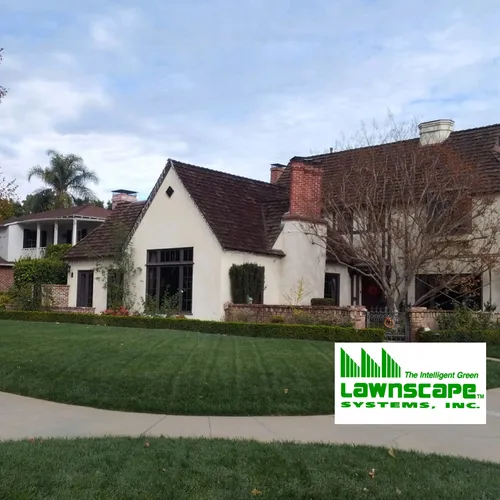
Lawnscape Systems, Inc. is a lawn care and landscaping company based in Los Angeles, CA, serving Southern California including Orange, San Bernardino, Riverside, Ventura, and San Diego counties. They offer a range of services such as fertilization, weed control, lawn pest control, aeration, overseeding, and commercial landscaping. With over 45 years of experience since 1979, Lawnscape Systems provides tailored lawn care programs designed to maintain healthy lawns year-round. Their capabilities include specialized fertilization, broadleaf weed control, disease and insect treatments, and weed abatement using herbicides and soil sterilants to protect lawns from pests and invasive grasses.
Greenplace Inc
2151 Pacific Ave A205, Costa Mesa, CA 92627
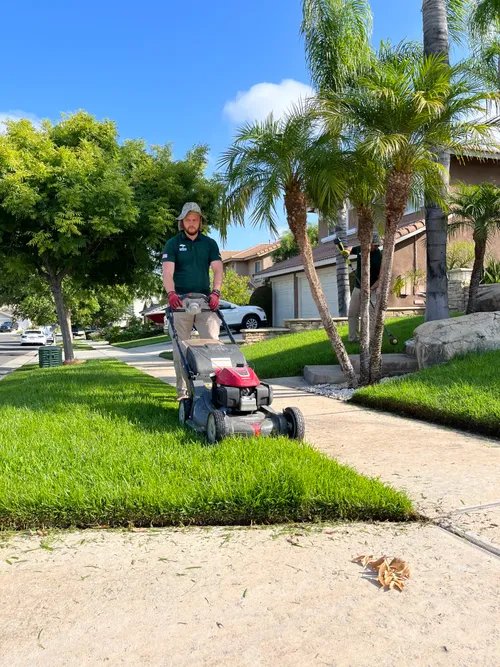
Greenplace Inc is a landscaping company based in Santa Ana, CA, offering a wide range of services including landscape design, hardscaping, lawn care, irrigation installation and repair, artificial turf, and yard drainage solutions. They serve both residential and commercial clients throughout Southern California, including Orange County and Los Angeles. Greenplace specializes in creating custom outdoor environments that combine aesthetic appeal with practical features such as smart irrigation systems to optimize water use. Founded by Volodymyr Dragan and Viktor Peshekhonov, the company emphasizes craftsmanship and long-term vision in their work. Their licensed team is known for detailed project management and responsiveness to client needs.
Heavenly's Lawn Care
555 Anton Blvd suit 150, Costa Mesa, CA 92626
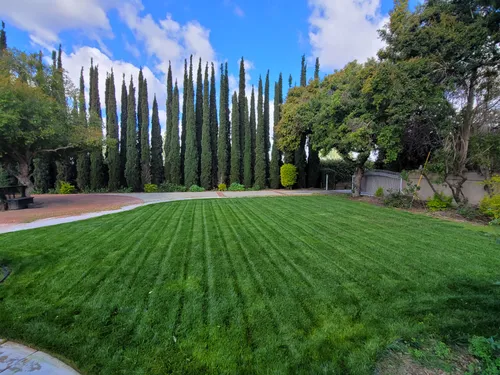
Heavenly's Lawn Care is a lawn care and landscaping company based in Los Angeles, CA, serving Orange County and the High Desert areas. They offer a broad range of services including lawn mowing, fertilization, weed control, tree trimming, stump grinding, and landscape design. With over four years of experience, Heavenly's Lawn Care focuses on personalized property maintenance using eco-friendly practices to enhance outdoor spaces. The company is known for its local expertise and customer-focused approach, providing flexible scheduling and free estimates.
Understanding Your Lake Forest Lawn
The foundation of effective lawn care begins with knowing what type of grass you have. In Lake Forest, warm-season grasses dominate the landscape due to their ability to thrive in our summer heat and enter a natural dormancy (turning brown) during cooler winter months.
- Common Warm-Season Grasses: Bermuda, St. Augustine, Zoysia, and Buffalo grass are the most prevalent. These grasses have distinct growth cycles, with their peak growing season occurring from late spring through early fall.
- Cool-Season Grasses: Varieties like Fescue and Kentucky bluegrass are less common as they require significantly more water and can struggle during our intense summer heat, necessitating a different care regimen.
Identifying your grass type is the first step, as it directly influences the timing, type, and frequency of both fertilization and weed prevention treatments.
The Essential Seasonal Program
Professional lawn nutrition and weed management in Lake Forest isn't a one-time event; it's a year-round cycle. A typical comprehensive program involves 4-5 targeted treatments, each designed to address the lawn's needs at that specific time of year.
Spring (March - April): The Wake-Up Call
As temperatures rise, your lawn exits dormancy. The spring service focuses on balanced fertilization to encourage strong initial growth. Crucially, this is the time for applying pre-emergent herbicides, which create a barrier in the soil to prevent crabgrass and other grassy weeds from germinating. Broadleaf weed control is also often part of this visit.
Late Spring & Summer (May - August): Sustaining Health
Late spring treatments often involve another round of seasonal fertilizer and continued broadleaf weed control. During the peak summer heat, applications shift to slow-release nitrogen formulas that feed the grass steadily without causing excessive, vulnerable growth. Spot treatment for any breakthrough weeds and monitoring for insect pests are key components of summer care.
Fall (October - November): The Most Critical Season
Fall lawn care is arguably the most important for long-term health. Treatments focus on a high-potassium, root-development fertilizer. This strengthens the root system to survive the winter and ensures a vigorous return in the spring. Fall is also the prime window for controlling stubborn winter broadleaf weeds like clover and dandelion 1 2. For Bermuda grass lawns, overseeding with Perennial Rye is a popular fall service to maintain a green lawn through the winter months.
Find the perfect lawn treatment companies for your needs
Get personalized recommendations and expert advice
Key Services Within a Treatment Plan
A professional lawn care plan encompasses several integrated services beyond just spreading fertilizer.
- Fertilization: Applying the right blend of nutrients (Nitrogen, Phosphorus, Potassium) at the correct rate and time to fuel healthy growth and color.
- Weed Control: This includes both pre-emergent applications to stop weeds before they start and post-emergent spot treatments to eliminate existing weeds.
- Soil Amendments: Professionals may recommend or apply wetting agents to help water penetrate hydrophobic soils, a common issue in our region, or adjust the soil pH based on needs.
- Core Aeration: While often an add-on service, annual aeration is highly recommended for compacted soils. It involves pulling small plugs of soil to allow air, water, and nutrients to reach the root zone more effectively, providing a significant boost to soil health and treatment efficacy.
Investment and Cost Considerations
Understanding the typical costs for lawn feeding and weed management can help you budget and evaluate service quotes. Pricing is primarily based on the size of your lawn and the complexity of the service package.
- Per Application Cost: For a standard visit including fertilization and spot weed control, homeowners can expect to pay approximately $60 to $70 or more per treatment.
- Annual Program Cost: A basic annual package covering the essential seasonal applications typically ranges from $300 to $600 or more per year, depending on the company and lawn square footage 3 4.
- Add-On Services: Supplemental services like core aeration might cost around $170 or more for a single treatment, while manual weeding or pest control would incur additional charges 5 6.
Pro Tips for Lake Forest Homeowners
To get the most out of your lawn care program, consider these expert recommendations:
- Conduct a Soil Test: Every 2-4 years, have your soil tested. This reveals its pH and nutrient profile, allowing for perfectly customized fertilizer blends rather than guesswork 7 8.
- Water Wisely: Irrigation needs change with the seasons and grass type. Adjust your watering schedule accordingly, and consider a professional audit to ensure even coverage and efficiency. Using wetting agents can be a game-changer if you notice water running off rather than soaking in 9.
- Choose Local Expertise: The most effective results come from companies that design their programs specifically for the Southern California microclimate and the common grasses of Orange County. Their experience with local weed pressures and seasonal timing is invaluable 10.
Frequently asked questions
Sources
Footnotes
-
5 Application Lawn Program - https://naturescapelawncare.com/us/services/lawncare/5app/ ↩
-
Seasonal Lawn Care Maintenance and Treatment Schedule - https://www.trugreen.com/lawn-care-101/blog/trugreen-lawn-care-services/lawn-maintenance-checklist ↩
-
Lake Forest, CA Lawn Care Service | Lawn Mowing from $19 - https://www.lawnstarter.com/lake-forest-ca-lawn-care ↩
-
Lawn Care Pricing & Cost Guide 2026 | Instant Quotes from $29 - https://lawnlove.com/pricing ↩
-
How much does lawn care service cost? - Green Lawn Fertilizing - https://www.greenlawnfertilizing.com/blog/how-much-does-lawn-care-service-cost ↩
-
How Much Does Weed Control Cost in 2026? - LawnStarter - https://www.lawnstarter.com/blog/cost/weed-control-price/ ↩
-
Fertilization and Weed Plans for a Beautiful Lawn - https://www.lawndoctor.com/annual-programs/fertilization-and-weed-plans/ ↩
-
An Effective Lawn Fertilizer Schedule That Works In 2025 - https://suncolawns.com/lawn-fertilizer-schedule/ ↩
-
Southern California Lawn Care Calendar | Month-by-Month Plan - https://www.landtechscenery.com/southern-california-lawn-care-calendar ↩
-
Lawn Fertilization & Weed Control in Southern California - https://www.lawnscape.com/lawn-care-services/fertilization-weed-control/ ↩