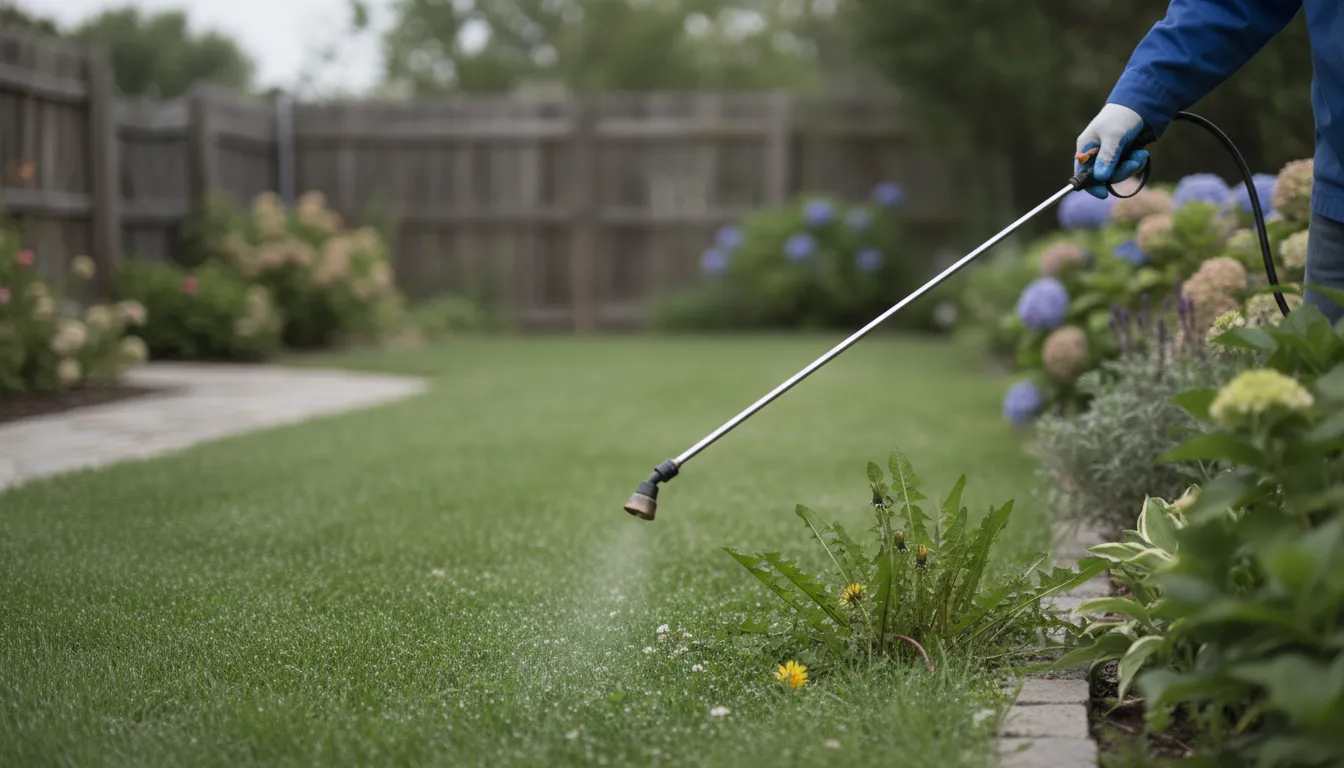
Find the Best Lawn Treatment Companies for Your Business
No obligation • Fast responses • Nationwide coverage

Why you can trust Landscape Atlas
Landscape Atlas is a leading United States resource for evaluating landscaping, lawn care, and outdoor service providers. Our team researches each category in depth, focusing on service quality, safety, and customer experience. Listings and rankings are based on independent criteria and user feedback, and companies cannot pay to influence our assessments or recommendations.
Search providers near you
Top Lawn Treatment Companies in Lodi, California Ranked
Maintaining a vibrant, healthy lawn in Lodi requires a strategic approach to feeding and weed management. Lawn fertilization provides essential nutrients for growth and resilience, while weed control protects your turf from invasive plants that compete for resources. This guide will help you understand the specific needs of Lodi lawns, from seasonal schedules to treatment options, so you can effectively connect with local professionals who can tailor a plan for your property.
Maupidio's Lawn Care
Sacramento, CA
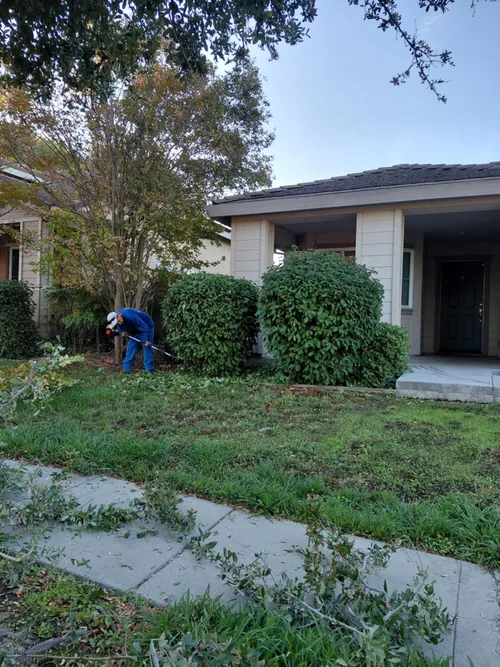
Maupidio's Lawn Care provides lawn mowing, fertilization, weed control, pruning, and hedge trimming services in Sacramento, CA. They also offer leaf removal, yard maintenance, and general cleanup, including junk removal for items like old furniture and yard waste. Their services include weekly and biweekly lawn care options to maintain healthy and tidy outdoor spaces.
Scape Aesthetics, LLC - Landscape Construction & Maintenance
Sacramento, CA
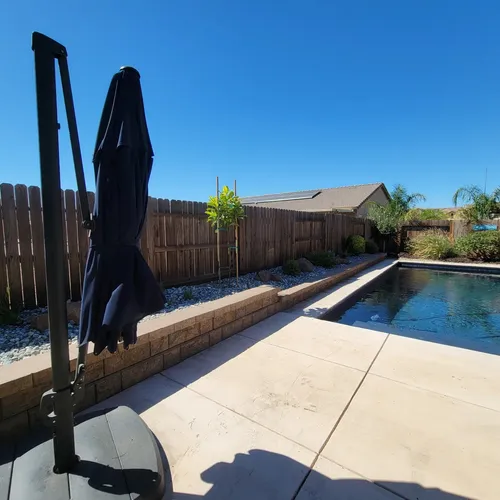
Scape Aesthetics, LLC - Landscape Construction & Maintenance is a full-service landscaping company based in Sacramento, CA. They provide a wide range of services including landscape design, construction, and maintenance for both residential and commercial clients. Their expertise covers irrigation system installation and repair, sprinkler and drip irrigation services, fence and gate installation, hardscaping with pavers and concrete finishes, tree removal and stump grinding, yard drainage solutions, and lawn care including fertilization and weed control. They also offer specialty services such as xeriscape design, custom raised beds, and outdoor living enhancements like fire pits and water features. Scape Aesthetics works with trusted brands and uses quality materials to ensure durable results. They emphasize proper planning and customer communication to maintain high standards across all projects.
Chem-Weed LLC
322 E Lockeford St, Lodi, CA 95240
Chem-Weed LLC is a lawn care and weed control company serving Stockton, CA. Founded in 2007 as a family-owned business, Chem-Weed offers a range of services including chemical weed control, aquatic weed management, mowing, disking, and tree and soil injections. Their licensed applicators focus on environmentally safe and sustainable vegetation management, prioritizing safety and land stewardship. The company also provides specialized herbicide applications for areas like asphalt and concrete to prevent unwanted plant growth.
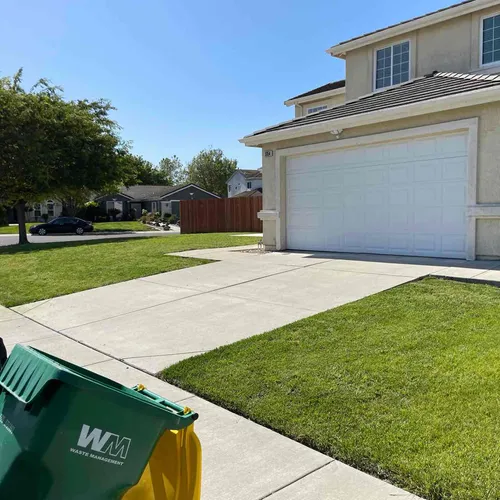
LawnStarter Lawn Care Service
526 S Grant St, Stockton, CA 95203
LawnStarter Lawn Care Service provides a range of lawn care and landscaping services in Stockton, CA. Their offerings include lawn mowing, fertilization, weed control, sod installation, tree removal, stump grinding, sprinkler installation and repair, and general landscaping. The company uses an easy online booking system and offers professional, insured service backed by a satisfaction guarantee. They also provide aeration and pest control services tailored to Stockton's Mediterranean climate, helping maintain healthy lawns year-round.
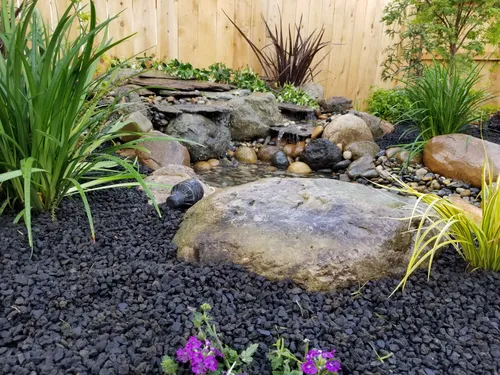
Santini's Custom Landscape
15255 Inheritance Way, Manteca, CA 95336
Santini's Custom Landscape is a landscaping company based in Stockton, CA, offering a wide range of services including lawn fertilization, weed control, sod installation, artificial turf, landscape lighting, sprinkler installation and repair, hardscaping, and custom landscape design. With over 40 years of experience since its founding in 1983, the company specializes in creating drought-tolerant xeriscapes and custom outdoor living spaces using modern irrigation technology and materials such as stamped concrete, pavers, and LED lighting. Santini's Custom Landscape has worked on both residential and commercial projects throughout the Stockton area and beyond, focusing on water conservation and artistic landscape solutions.
Understanding Lodi's Lawn Types
The foundation of any effective lawn care program is knowing what type of grass you have. Lodi's climate supports both cool-season and warm-season grasses, each with distinct fertilization and weed control requirements.
- Cool-Season Grasses: Varieties like Tall Fescue, Fine Fescue, and Kentucky Bluegrass are common. These grasses thrive in the cooler temperatures of fall and spring and go semi-dormant or struggle in the peak summer heat. Their most critical growth periods are outside of summer, dictating a unique care calendar.
- Warm-Season Grasses: Bermuda grass and Zoysia are examples that love the heat. They grow most actively during the warm summer months and go fully dormant, turning brown, in the winter. Their nutrient needs and active weed control periods are opposite those of cool-season lawns.
Applying the wrong schedule-like fertilizing a cool-season lawn in summer-can waste money, stress the grass, and even encourage disease. A local expert can quickly identify your grass type and set the correct course for lawn feeding and weed prevention.
The Core of Lawn Care: Fertilization & Weed Management
A beautiful lawn is built on two pillars: providing nutrition and preventing competition. Here's how these services work together.
Lawn Fertilization Fundamentals
Fertilization is the process of supplementing soil with key nutrients, primarily Nitrogen (N), Phosphorus (P), and Potassium (K). Nitrogen promotes lush, green blade growth; phosphorus supports strong root development; and potassium enhances overall plant health and stress tolerance.
For Lodi lawns, professionals often use slow-release fertilizers. These products feed the grass gradually over several weeks, providing a steady supply of nutrients without causing the rapid, excessive growth that can come with quick-release formulas. This leads to a more even appearance and reduces the risk of nutrient runoff. The timing of these nutrient applications is absolutely critical and varies completely based on whether you have a cool-season or warm-season turf.
A Strategic Approach to Weed Control
Weed control is a proactive and reactive science, aimed at stopping weeds before they start and eliminating those that appear.
- Pre-Emergent Weed Control: This is a preventative treatment applied to the soil to create a barrier that stops weed seeds from germinating. It does not kill existing weeds. The application timing is season-specific: crucial in the fall for preventing winter annual weeds (like poa annua) in cool-season lawns, and in the spring for stopping summer annual weeds (like crabgrass) in all lawn types.
- Post-Emergent Weed Control: This treatment is used to kill weeds that are already visible in your lawn. Selective post-emergent herbicides target specific weed types without harming the grass, while non-selective products (like glyphosate) will kill any plant they touch and are used for spot treatment or renovation projects 1.
An integrated program uses both strategies-pre-emergent to stop the majority of weeds, and post-emergent as a targeted cleanup for any breakthroughs.
The Seasonal Lawn Care Calendar for Lodi
A year-round program adjusts treatments to match your lawn's natural growth cycles and the local weed pressures. Most comprehensive plans involve between 4 to 8 visits annually.
Spring (March - May)
- Cool-Season Lawns: This season focuses on recovery and strengthening. Applications include a balanced fertilizer to encourage green-up and a pre-emergent to prevent summer weeds like crabgrass. It's also an ideal time for aeration if the soil is compacted.
- Warm-Season Lawns: Spring is the wake-up call. As soil temperatures rise, a feeding with a nitrogen-rich fertilizer kickstarts green-up and growth. A spring pre-emergent application is also vital to set a barrier against summer weeds 2.
Summer (June - August)
- Cool-Season Lawns: The goal is survival, not growth. Fertilization is typically minimized to avoid stressing the grass during heat. Weed control focuses on post-emergent treatments for summer broadleaf weeds, and irrigation management becomes paramount.
- Warm-Season Lawns: This is peak growing season. Regular fertilization every 4-6 weeks supports vigorous growth. Weed control continues with post-emergent treatments as needed, and the lawn will require consistent watering.
Fall (September - November)
- Cool-Season Lawns: This is the most important season. Fall fertilization is critical for building strong roots that will sustain the lawn through the year and improve winter hardiness. A fall pre-emergent application is essential to prevent winter weeds. This season sets the stage for next year's health 3.
- Warm-Season Lawns: As growth slows, fertilization is reduced or halted. A final pre-emergent application may be used to target winter annual weeds. This is also a common time for aeration and overseeing with ryegrass for winter color if desired 4.
Winter (December - February)
- Cool-Season Lawns: Growth is slow. Services may include dormant weed control for persistent weeds and planning for spring. It's a good time for soil testing.
- Warm-Season Lawns: The lawn is dormant. No fertilization is needed. Some providers offer dormant-season weed control to get a jump on spring problems.
Find the perfect lawn treatment companies for your needs
Get personalized recommendations and expert advice
What to Expect from Professional Lawn Care Programs
Engaging a professional for lawn feeding and weed management brings consistency, expertise, and the right products. Most companies offer tiered programs that increase in comprehensiveness.
A basic fertilization program typically includes the core seasonal feedings tailored to your grass type. A more comprehensive lawn care plan bundles fertilization with scheduled pre-emergent and post-emergent weed control, often including additional services like insect control or soil amendments. The most full-service options may integrate everything from aeration to seeding for total turf health 5 6 7.
When meeting with providers, ask about their approach to your specific grass type, the types of fertilizers and herbicides they use (e.g., slow-release, selective), and how many visits are included in their annual cycle.
Understanding Service Costs in Lodi
Investing in professional lawn nutrition and weed management can vary based on your lawn's size, the program's complexity, and the number of annual visits. Here's a general overview of costs you might encounter in the Lodi area:
- Basic Annual Fertilization: A program focused primarily on scheduled feeding can range from approximately $300 to $600 per year for an average-sized lawn.
- À La Carte Weed Control: Individual post-emergent weed control visits typically cost between $50 to $100 or more per application 8.
- Comprehensive Annual Programs: Bundled plans that include both fertilization and full-season weed prevention (similar to major national brands) often range from $450 to over $2,000 annually. On a per-visit basis for a 5,000-10,000 sq. ft. lawn, this can break down to roughly $65 to $225 per service 9 10.
The best way to get an accurate price is to request a free property evaluation from local specialists. They can measure your lawn, identify your grass and weed types, and provide a tailored quote for the level of care you want.
Frequently asked questions
Sources
Footnotes
-
LAWN CARE CALENDAR | Wsu - https://s3.wp.wsu.edu/uploads/sites/2071/2013/12/Lawn-Care-Calendar.pdf ↩
-
Best Time to Plant Grass Seed In California - https://lawnsynergy.com/blogs/lawn-guides/best-time-to-plant-grass-seed-in-california ↩
-
When to Fertilize Your Lawn in California - LawnStarter - https://www.lawnstarter.com/blog/california/when-to-fertilize-lawn-california/ ↩
-
When to Apply Weed and Feed to Your Lawn - LawnStarter - https://www.lawnstarter.com/blog/lawn-care-2/when-to-apply-weed-and-feed/ ↩
-
Affordable Lawn Care Plans & Pricing Options - TruGreen - https://www.trugreen.com/products-and-services ↩
-
TruPro: Full service lawn care and complete plan - TruGreen - https://www.trugreen.com/products-and-services/trupro ↩
-
Annual Programs - Lawn Doctor - https://www.lawndoctor.com/annual-programs/ ↩
-
How Much Does Weed Control Cost in 2026? - LawnStarter - https://www.lawnstarter.com/blog/cost/weed-control-price/ ↩
-
How Much Does TruGreen Cost? (2026) - HomeGuide - https://homeguide.com/costs/trugreen-cost ↩
-
How much does lawn care service cost? - Green Lawn Fertilizing - https://www.greenlawnfertilizing.com/blog/how-much-does-lawn-care-service-cost ↩