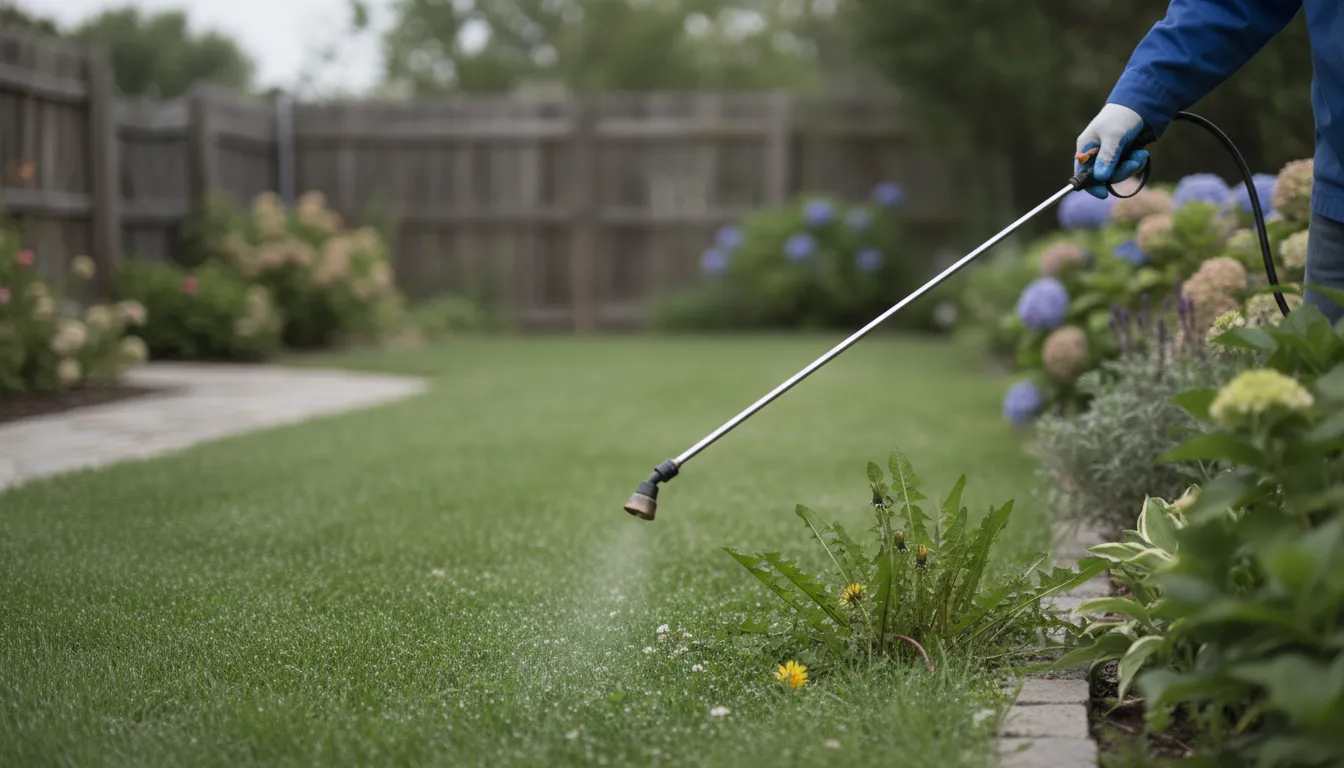
Find the Best Lawn Treatment Companies for Your Business
No obligation • Fast responses • Nationwide coverage

Why you can trust Landscape Atlas
Landscape Atlas is a leading United States resource for evaluating landscaping, lawn care, and outdoor service providers. Our team researches each category in depth, focusing on service quality, safety, and customer experience. Listings and rankings are based on independent criteria and user feedback, and companies cannot pay to influence our assessments or recommendations.
Search providers near you
Top Lawn Treatment Companies in Montebello, California Ranked
A healthy, vibrant lawn is a cornerstone of your home's curb appeal and outdoor enjoyment. Lawn fertilization and weed control are the essential one-two punch for achieving that lush, green carpet. Proper feeding strengthens your grass from the roots up, while targeted weed management keeps invasive plants from stealing nutrients and water. For Montebello homeowners, navigating the local climate and soil conditions is key. This guide will help you understand the specific needs of your lawn and how to connect with local professionals who can create a tailored plan for year-round health.
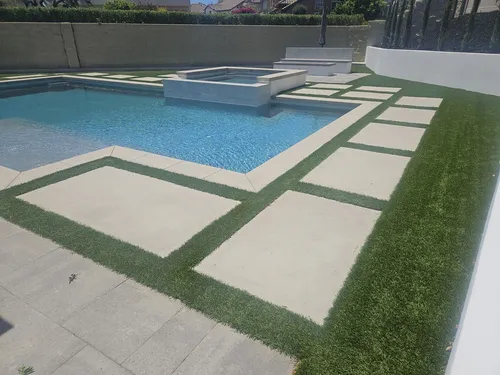
TurFresh
418 Goetz Ave, Santa Ana, CA 92707
TurFresh is a lawn care company based in Santa Ana, CA, specializing in artificial turf maintenance and cleaning. They offer services such as pet urine odor removal, turf decompacting, deep brushing, debris removal, weed control, seam repairs, and turf infill adjustment. Their TurfBloom service helps restore the appearance and texture of artificial lawns by revitalizing turf fibers and infill materials. TurFresh customizes TurfCare plans to meet specific needs and provides a 30-day guarantee on their services.
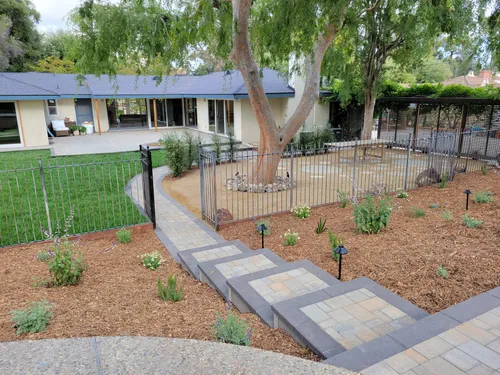
Droughtscape
Angeles Crest Hwy, La Cañada Flintridge, CA 91011
Droughtscape is a landscaping and outdoor construction company based in Los Angeles, CA. With over 45 years of experience, they specialize in drought and fire-resistant landscape design and installation, hardscaping, irrigation, fencing, artificial turf, and more. Their services cover a wide range of outdoor improvements including interlocking pavers, decks, pergolas, retaining walls, and yard drainage. Droughtscape serves multiple neighborhoods in the Los Angeles area, focusing on water-saving and sustainable landscaping solutions that suit various home styles. They emphasize clear communication and quality craftsmanship to provide a smooth project experience.
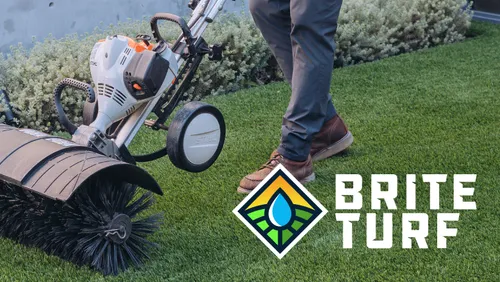
BriteTurf
1421 N Wanda Rd, Orange, CA 92867
BriteTurf is a lawn care company based in Santa Ana, CA, specializing in lawn fertilization and weed control services. They offer standard weed removal as part of their lawn care packages, addressing typical weed growth in turf. Excessive weed growth may require additional repair services.
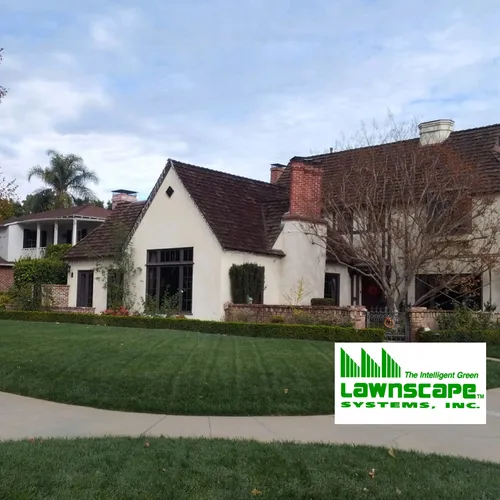
Lawnscape Systems, Inc.
5215 State St, Montclair, CA 91763
Lawnscape Systems, Inc. is a lawn care and landscaping company based in Los Angeles, CA, serving Southern California including Orange, San Bernardino, Riverside, Ventura, and San Diego counties. They offer a range of services such as fertilization, weed control, lawn pest control, aeration, overseeding, and commercial landscaping. With over 45 years of experience since 1979, Lawnscape Systems provides tailored lawn care programs designed to maintain healthy lawns year-round. Their capabilities include specialized fertilization, broadleaf weed control, disease and insect treatments, and weed abatement using herbicides and soil sterilants to protect lawns from pests and invasive grasses.
Greenplace Inc
2151 Pacific Ave A205, Costa Mesa, CA 92627
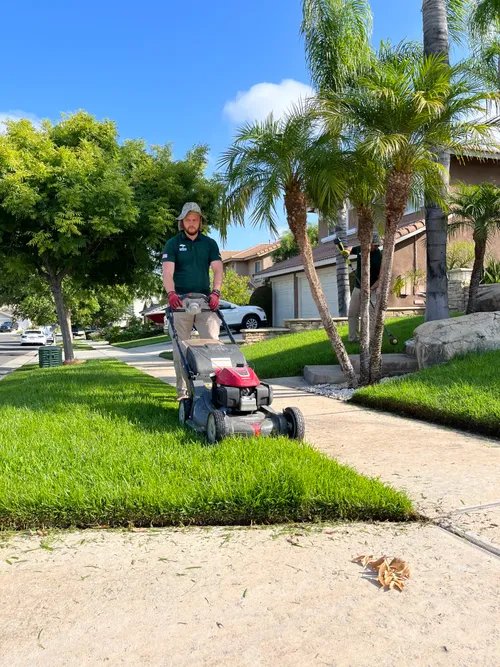
Greenplace Inc is a landscaping company based in Santa Ana, CA, offering a wide range of services including landscape design, hardscaping, lawn care, irrigation installation and repair, artificial turf, and yard drainage solutions. They serve both residential and commercial clients throughout Southern California, including Orange County and Los Angeles. Greenplace specializes in creating custom outdoor environments that combine aesthetic appeal with practical features such as smart irrigation systems to optimize water use. Founded by Volodymyr Dragan and Viktor Peshekhonov, the company emphasizes craftsmanship and long-term vision in their work. Their licensed team is known for detailed project management and responsiveness to client needs.
Understanding Montebello's Lawn Environment
Montebello's warm, Mediterranean climate dictates a specific approach to lawn care. The city experiences hot, dry summers and mild, wetter winters, which directly influences the type of grass that thrives here and its maintenance schedule. Most lawns in the area are planted with warm-season grasses, which are perfectly adapted to flourish in the heat.
The most common turfgrasses you'll find in Montebello include:
- Bermudagrass: Known for its fine texture, drought tolerance, and aggressive growth habit in full sun.
- Kikuyugrass: A vigorous, coarse-textured grass that handles foot traffic well and is common in Southern California.
- Tall Fescue: While technically a cool-season grass, some varieties are planted for their shade tolerance and year-round green color, often requiring more water in summer.
Beyond grass type, soil plays a critical role. Many areas in California, including Montebello, have clay-heavy soil. Clay soil can compact easily, restricting root growth, water penetration, and nutrient uptake. This makes practices like core aeration a vital part of a comprehensive lawn health program, not just an optional add-on.
The Core of Lawn Care: Fertilization & Feeding Schedules
Lawn feeding is the process of supplying essential nutrients-primarily Nitrogen (N), Phosphorus (P), and Potassium (K)-to support growth, color, and resilience. For warm-season grasses, the feeding window aligns with their active growth period.
A typical fertilization schedule for a Montebello lawn follows this seasonal rhythm:
- Late Spring (May): As soil temperatures consistently warm, apply the first feeding of the season to kickstart growth. This is often paired with a pre-emergent weed control application.
- Summer (June-August): Continue with feedings every 6 to 8 weeks during the peak growing season to maintain color and vigor, especially important during heat stress.
- Early Fall (September-October): A final late-season feeding helps the lawn recover from summer and store energy.
- Late Fall (November): Apply a "winterizer" fertilizer. This is typically higher in potassium, which strengthens grass roots for the cooler months and improves disease resistance, preparing the lawn for a healthy return in spring 1.
Skipping feedings can lead to a thin, pale lawn that is more susceptible to weeds, disease, and drought damage. Consistency is key to building a dense turf that naturally crowds out problems.
Targeted Weed Management for a Pristine Lawn
Weeds are more than an eyesore; they compete directly with your grass for resources. Effective weed suppression involves a strategic, two-pronged approach: stopping weeds before they start and eliminating those that appear.
-
Pre-Emergent Weed Control: This is a preventative treatment applied to the soil to create a barrier that stops weed seeds from germinating. Timing is critical. In Montebello, the most important applications are in early fall (to target winter annuals like poa annua) and late winter to early spring (to combat summer annuals like crabgrass). This proactive step is often the most effective way to reduce weed populations throughout the year.
-
Post-Emergent Weed Control: When weeds break through, spot treatments with post-emergent herbicides are necessary. These are designed to kill existing weeds without harming the surrounding grass. They can be broad-spectrum or selective for specific weed types (like broadleaf weeds or grassy weeds). For organic approaches, manual removal or horticultural vinegar may be used for spot treatment.
An integrated program that combines both pre- and post-emergent strategies, along with a healthy fertilization schedule, offers the most complete lawn weed prevention.
Essential Supporting Services: Aeration & Dethatching
A robust fertilization and weed control program can be hindered by compacted soil or excessive thatch. This is where supporting cultural practices come in.
- Core Aeration: This service involves mechanically removing small plugs of soil from your lawn. For Montebello's clay soils, aeration is crucial. It alleviates compaction, allows water, air, and fertilizer to reach the root zone more effectively, and stimulates new root growth. The best times to aerate warm-season grasses are in late spring or early fall during periods of active growth.
- Dethatching: Thatch is a layer of dead grass stems and roots that builds up between the soil and the green grass blades. A thin layer is beneficial, but too much can prevent water and nutrients from penetrating. Dethatching removes this thick layer and is typically performed as needed, often in conjunction with aeration in the spring or fall.
Find the perfect lawn treatment companies for your needs
Get personalized recommendations and expert advice
What to Expect from Professional Lawn Care Services
Many Montebello homeowners choose to partner with a local lawn care professional for consistency, expertise, and time savings. Professionals offer tailored programs that bundle services for optimal results.
A standard professional lawn treatment program often includes multiple visits per year (typically 4-6), timed to the seasonal needs outlined above 2. These visits may rotate between fertilization, weed control applications, and combined "feed and weed" services. The cost for these programs varies based on your lawn's size, condition, and the specific services included.
Based on available market data for the area, here's a general idea of pricing structures 3:
- Basic Fertilization Program: An annual program with multiple scheduled feedings may range from approximately $300 to $600 or more.
- Weed Control Services: A single post-emergent weed treatment visit can range from about $50 to $100+.
- Integrated Lawn Care Program: A comprehensive plan combining fertilization, weed prevention, and sometimes insect control typically costs between $65 to $225+ per visit. Annually, a full-service plan for an average-sized lawn can range from $450 to $2,000+, heavily dependent on lawn square footage and service frequency.
The most accurate way to get a quote is to contact providers directly, as they will assess your specific lawn size, grass type, and challenges.
Building Your Annual Lawn Care Calendar
Putting it all together, here's a month-by-month guide to maintaining your Montebello lawn. Adjust based on weather and your grass's condition.
- Spring (March-May): Apply pre-emergent herbicide for summer weeds. Perform core aeration and dethatching if needed. Begin the fertilization schedule with the first feeding in late spring. Mow regularly as growth accelerates 4.
- Summer (June-August): Continue with fertilizer applications every 6-8 weeks. Water deeply and infrequently, preferably in the early morning. Monitor for weeds and apply post-emergent spot treatments as necessary. Raise mower height slightly to reduce heat stress 5.
- Fall (September-November): Apply pre-emergent for winter weeds. Conduct aeration if it wasn't done in spring. Apply a fall fertilizer followed by a winterizer feed. Use post-emergent control on any persistent weeds. This is also a great time for overseeding thin areas 6 7.
- Winter (December-February): Lawn growth slows or goes dormant. Minimize foot traffic on frosty grass. Focus on cleanup of leaves and debris. This is the ideal time to plan your service schedule for the coming year and schedule early-spring appointments with local pros.
Frequently asked questions
Sources
Footnotes
-
When to Fertilize Your Lawn in California - https://lawnlove.com/blog/when-to-fertilize-lawn-california/ ↩
-
How much does lawn care service cost? - Green Lawn Fertilizing - https://www.greenlawnfertilizing.com/blog/how-much-does-lawn-care-service-cost ↩
-
How Much Does TruGreen Cost? (2026) - HomeGuide - https://homeguide.com/costs/trugreen-cost ↩
-
Lawn Care Month by Month - https://www.westonnurseries.com/lawn-care-month-by-month/ ↩
-
Lawn Care Calendar for Warm-Season Grass - LawnCare - https://lawnlove.com/blog/lawn-care-calendar-warm-season-grass/ ↩
-
When to Fertilize Your Lawn in California - LawnStarter - https://www.lawnstarter.com/blog/california/when-to-fertilize-lawn-california/ ↩
-
Spring Lawn Care Preparation & Steps - Home Depot - https://www.homedepot.ca/en/home/ideas-how-to/outdoors/lawn-garden/spring-lawn-care-preparation-and-steps.html ↩