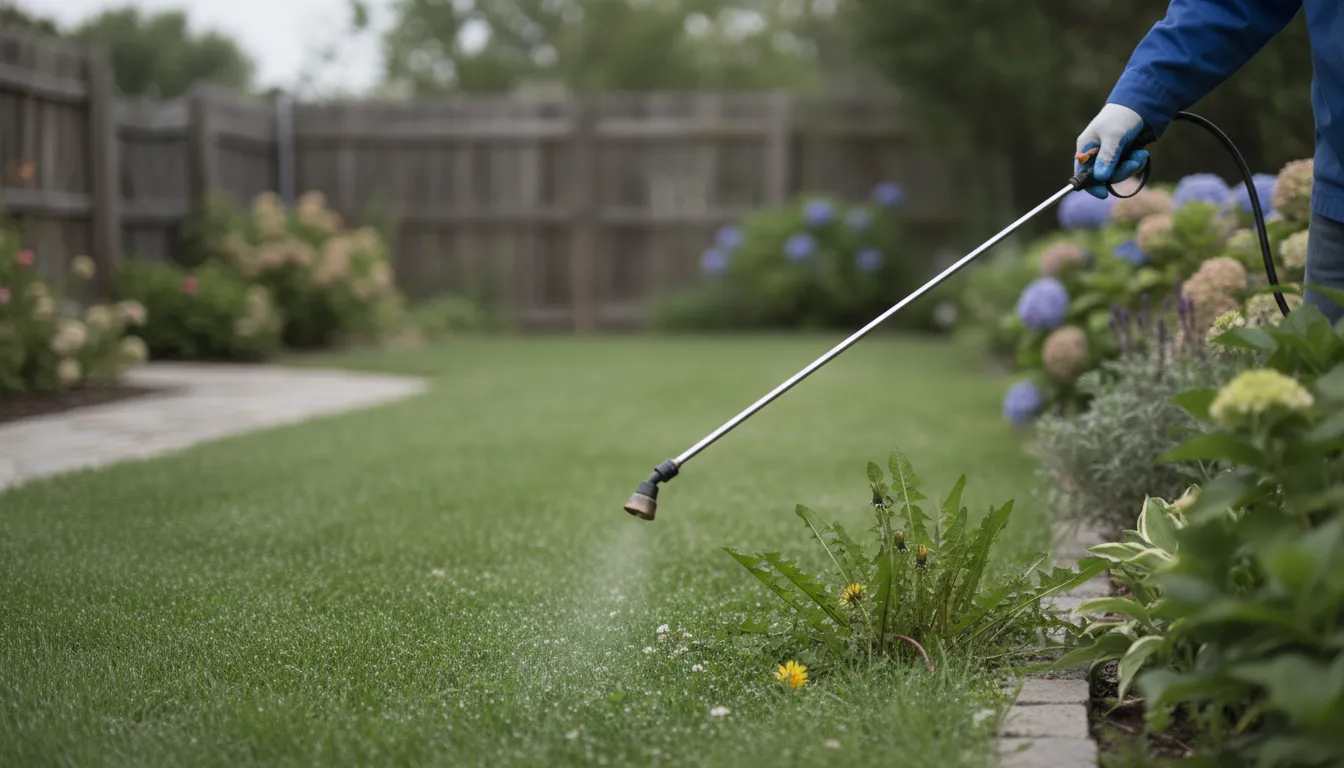
Find the Best Lawn Treatment Companies for Your Business
No obligation • Fast responses • Nationwide coverage

Why you can trust Landscape Atlas
Landscape Atlas is a leading United States resource for evaluating landscaping, lawn care, and outdoor service providers. Our team researches each category in depth, focusing on service quality, safety, and customer experience. Listings and rankings are based on independent criteria and user feedback, and companies cannot pay to influence our assessments or recommendations.
Search providers near you
Top Lawn Treatment Companies in Perris, California Ranked
A healthy, vibrant lawn is more than just a patch of green; it's an extension of your home that enhances curb appeal and provides a space for relaxation. In Perris, achieving that lush look requires a tailored approach to lawn feeding and weed management, specifically designed for our warm, dry climate. Professional lawn fertilization and weed control services provide the expertise and scheduled care needed to nurture warm-season grasses and proactively combat invasive weeds. This guide will help you understand the local lawn care cycle, what to expect from professional services, and how to find the right provider for your property's needs.
Houston's Landscaping
29177 Stevens Ave, Moreno Valley, CA 92555
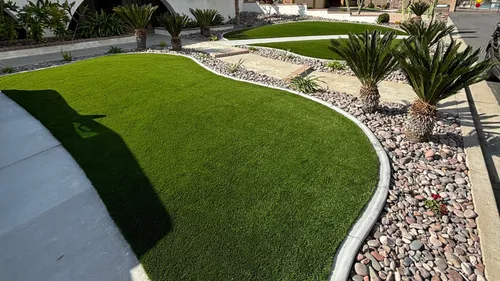
Houston's Landscaping is a family-owned landscaping company serving Riverside, CA, and the Inland Empire. They offer a wide range of services including landscape curbing, artificial turf installation, lawn care, irrigation systems, sod installation, tree and shrub care, and hardscaping. Their team focuses on creating low-maintenance, attractive outdoor spaces tailored to client needs. One notable capability is their landscape curbing, which enhances property aesthetics and reduces maintenance. Houston's Landscaping also emphasizes the benefits of artificial turf for water savings and year-round greenery in the Southern California climate.
A's Tree Service
Anaheim, CA
A's Tree Service is a family-owned company based in Anaheim, CA, offering tree care, landscaping, and lawn maintenance services. With over 15 years of experience, they serve residential and commercial clients across Orange County, Riverside County, and Inland County. Their services include tree removal, stump grinding, lawn fertilization, weed control, and landscape design, focusing on plant health and landscape vitality. The company holds a CSLB license and emphasizes tailored solutions for diverse property needs.

Best Lawncare
Riverside, CA
Best Lawncare is a landscaping and hardscaping company serving Riverside, CA, and nearby cities. They offer a wide range of services including lawn mowing, fertilization, weed control, landscape design, tree care, sprinkler installation and repair, as well as hardscaping projects like patios and retaining walls. Their team provides personalized landscaping solutions with a focus on sustainable and eco-friendly practices. With over 15 years of experience, Best Lawncare is known for handling both residential and commercial properties and offers free estimates for all projects.
LawnStarter Lawn Care Service
4580 Belford Way, Riverside, CA 92507
LawnStarter Lawn Care Service provides a wide range of lawn care and landscaping services in Riverside, CA. Their offerings include lawn mowing, fertilization, weed control, tree removal, stump grinding, yard drainage, sprinkler installation and repair, and general landscaping. They emphasize convenience with online booking and account management, backed by insured professionals. LawnStarter also offers specialized services such as gutter cleaning and yard cleanup. The company serves various neighborhoods within Riverside and supports customers with a mobile app for easy service management.
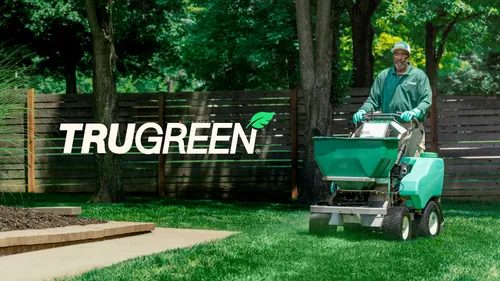
TruGreen Lawn Care
1130 Palmyrita Ave STE 300, Riverside, CA 92507
TruGreen Lawn Care provides lawn fertilization, weed control, and comprehensive lawn care services in Riverside, CA. They focus on delivering tailored lawn treatments designed to achieve golf course quality results, leveraging their experience as the Official Lawn Care Treatment Provider of the PGA TOUR®. TruGreen emphasizes customer satisfaction with a guarantee to revisit and address any issues between regular visits.
Understanding Your Perris Lawn
The foundation of effective lawn care in Perris is understanding the grass under your feet. Our climate favors warm-season grasses, which have distinct growth cycles tied to temperature 1.
- Bermudagrass: This is a dominant grass in the area, prized for its drought tolerance, durability, and ability to thrive in full sun. It goes dormant and turns brown with the first frost but recovers quickly in spring.
- St. Augustine Grass: Another popular choice, St. Augustine offers a lush, broad-bladed carpet of green. It performs well in heat and has moderate shade tolerance but requires consistent moisture.
- Tall Fescue: While less common as a primary lawn, tall fescue (a cool-season grass) may be found in shaded areas or mixed in for year-round color, though it struggles in peak summer heat without ample water.
A professional lawn treatment plan starts with identifying your grass type, as fertilization and weed control schedules are calibrated to its specific growth patterns.
The Annual Lawn Care Cycle in Perris
Professional lawn care is not a one-time event but a seasonal program. Here's a breakdown of what a typical lawn feeding and weed prevention schedule looks like throughout the year in the Inland Empire.
Spring (March - May): The Growth Kick-Off
As soil temperatures rise, your lawn exits dormancy. This is a critical window for setting up success.
- Fertilization: The first application often uses a balanced or nitrogen-rich fertilizer to fuel the rapid green-up and growth of your warm-season grass 2.
- Weed Control: Spring is prime time for applying pre-emergent herbicides, which create a barrier in the soil to stop weed seeds (like crabgrass) from germinating. Post-emergent spot treatments tackle existing broadleaf weeds like dandelions.
- Additional Services: This is also an ideal time for core aeration to relieve soil compaction and improve water and nutrient uptake.
Summer (June - August): Sustaining Health in the Heat
Perris summers are hot and dry, placing stress on your lawn.
- Fertilization: Applications shift to supporting the lawn's health during heat stress, often with formulations that include potassium to strengthen cell walls and improve drought resistance.
- Weed Control: Monitoring and spot-treating for summer annual weeds is ongoing. Irrigation becomes a key partner in treatment efficacy, as a well-watered lawn better utilizes fertilizer and resists weed invasion.
- Focus: The goal shifts from explosive growth to maintaining density and color while conserving resources.
Fall (September - November): The Most Important Season
Many experts consider fall the most crucial time for lawn maintenance in Southern California.
- Weed Prevention: The essential fall service is a pre-emergent herbicide application. This targets winter annual weeds (like poa annua) that germinate as temperatures cool. Preventing them in fall saves a major headache in winter and spring.
- Fertilization: A fall fertilizer application encourages deep root growth, helping your lawn store energy for the winter and ensuring a stronger comeback next spring.
- Preparation: It's the last best chance for aeration or overseeing thin areas before growth slows.
Winter (December - February): Dormant Season Care
While growth slows or stops, care doesn't vanish.
- Fertilization: Feeding is minimal or dormant, often using a mild "winterizer" formula to support root health without forcing top growth.
- Weed Control: This is the season to control visible winter broadleaf weeds. Treatments are highly effective on weeds that remain green while the grass is dormant.
- Planning: A great time to assess your lawn's performance and plan any changes with your service provider.
What Professional Services Include
When you hire a local Perris company for lawn nutrition and weed management, you're typically investing in a customized, multi-visit program. Here's what that usually encompasses:
- Customized Plan: A reputable provider will assess your lawn type, soil condition, sun exposure, and specific weed pressures to build a plan, not just apply a one-size-fits-all formula.
- Scheduled Applications: Most programs include 4 to 6 visits per year, timed with the seasonal cycle described above. These are often spaced 6-8 weeks apart during the active growing season.
- Combined Treatments: Each service visit usually includes both fertilization and weed control. Liquid applications are common as they allow for even coverage and can be combined efficiently.
- Core Services:
- Lawn Fertilization: Applying the right blend of nitrogen, phosphorus, potassium, and micronutrients at the right time.
- Weed Control: A two-pronged strategy of pre-emergent (prevention) and post-emergent (elimination) herbicides.
- Common Add-Ons: Many companies offer integrated services like lawn insect control, grub prevention, or fungicide applications, which can be bundled for convenience and often at a better value.
Find the perfect lawn treatment companies for your needs
Get personalized recommendations and expert advice
Understanding Costs for Lawn Care in Perris
Investing in professional lawn feeding and chemical weed control brings predictable results and saves you time and effort. Costs in Perris are influenced primarily by the size of your lawn and the comprehensiveness of your program 3.
- Per-Visit Pricing: A single application of fertilizer and weed control typically ranges from $50 to $100 for an average-sized yard (under 5,000 square feet) 4. This cost can increase for larger properties or if additional treatments like pest control are included.
- Annual Program Cost: Most homeowners opt for a seasonal program. A basic annual plan covering 4-6 services generally falls between $300 and $600 5 6 7. More comprehensive plans with additional treatments will be higher.
- Package Deals: Committing to a full-season program almost always offers savings compared to paying for each service individually. Many local providers offer tiered packages (e.g., Basic, Plus, Premium) to suit different budgets and lawn care goals.
- Key Cost Factors:
- Lawn Square Footage: This is the primary driver. Always have a reasonably accurate measurement ready when requesting quotes.
- Condition & Accessibility: A lawn with severe weed infestations or difficult access may incur higher initial costs.
- Add-On Services: Aeration, pest control, and soil amendments are usually extra but can be crucial for lawn health.
Choosing a Local Perris Provider
Selecting the right company is about more than just price. Look for a provider that demonstrates local expertise.
- Local Knowledge: Choose a company familiar with Perris soil, water conditions, and common local weeds. They should ask about your grass type and explain a plan suited for it 8 9.
- Customization: Avoid companies that offer only a rigid, fixed schedule. Your lawn is unique and deserves an assessment and plan tailored to its needs 10.
- Transparency: The provider should clearly explain what products they use, what each service entails, and the timing of visits. They should provide a detailed, written agreement outlining the program and costs.
- Licensing & Insurance: Ensure the company is properly licensed to apply pesticides in California and carries liability insurance.
- Focus on Soil Health: The best lawn care looks beyond the blades of grass. Inquire if they discuss soil health, aeration, or proper irrigation-key components of a truly healthy lawn that naturally resists weeds.
Frequently asked questions
Sources
Footnotes
-
Best Grass Types for Southern California Lawns - Quality Turf - https://qturf.com/blog/grass-types-for-southern-california-lawns/ ↩
-
Spring Lawn Prep in Southern California - https://sodlawn.com/how-to-prepare-your-lawn-for-spring-in-southern-california/ ↩
-
The Cost of Lawn Treatment Services - Fertilizer, Weed ... - https://www.lawnbuddies.com/blog/cost-of-lawn-treatment-services-fertilizer-weed-control ↩
-
How much does lawn care service cost? - Green Lawn Fertilizing - https://www.greenlawnfertilizing.com/blog/how-much-does-lawn-care-service-cost ↩
-
average cost of lawn fertilization service: 7 Best 2025 Wins - https://ajmgrounds.com/average-cost-of-lawn-fertilization-service/ ↩
-
How Much Does Weed Control Cost in 2026? - LawnStarter - https://www.lawnstarter.com/blog/cost/weed-control-price/ ↩
-
How Much Does Lawn Care Cost in 2026? - LawnStarter - https://www.lawnstarter.com/blog/cost/lawn-care-price/ ↩
-
Lawn Fertilization & Weed Control in Southern California - https://www.lawnscape.com/lawn-care-services/fertilization-weed-control/ ↩
-
Professional Weed Control & Lawn Fertilization - The Pied Piper - https://www.thepiedpiper.biz/weed-control-lawn-fertilization ↩
-
ExperiGreen: Customized Lawn Care Programs & Services - https://experigreen.com/lawn-care-program-bundles/ ↩