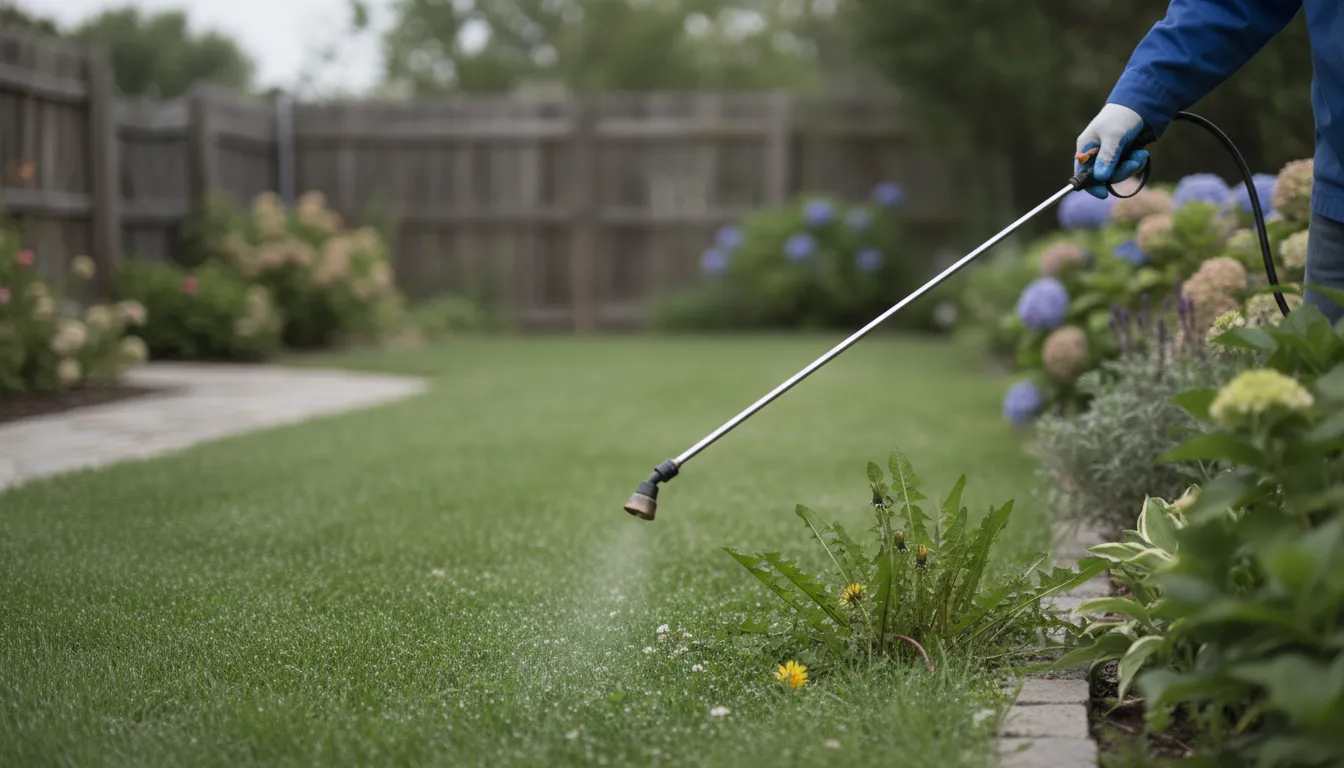
Find the Best Lawn Treatment Companies for Your Business
No obligation • Fast responses • Nationwide coverage

Why you can trust Landscape Atlas
Landscape Atlas is a leading United States resource for evaluating landscaping, lawn care, and outdoor service providers. Our team researches each category in depth, focusing on service quality, safety, and customer experience. Listings and rankings are based on independent criteria and user feedback, and companies cannot pay to influence our assessments or recommendations.
Search providers near you
Top Lawn Treatment Companies in Redwood City, California Ranked
Maintaining a vibrant, healthy lawn in Redwood City requires a tailored approach that addresses the unique climate and grass types of the Bay Area. Lawn fertilization and weed control are essential services that provide your turf with the nutrients it needs to thrive while suppressing invasive weeds that compete for resources. This guide is designed to help you understand the local lawn care landscape, from seasonal treatment schedules to selecting the right service for your property, so you can connect with knowledgeable professionals who can develop an effective program for your yard.
Adara Landscapes
1049 El Monte Ave Ste C #904, Mountain View, CA 94040
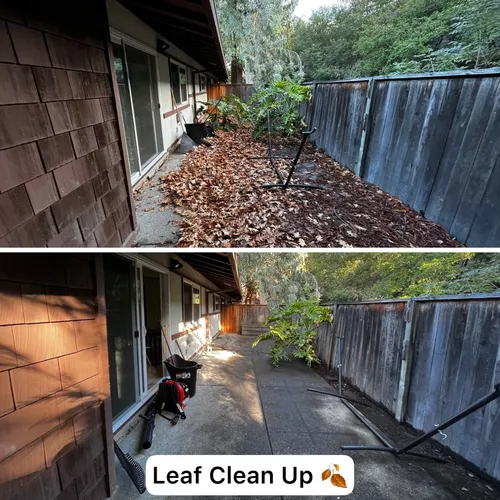
Adara Landscapes is a lawn care and landscaping company serving San Jose, CA, and nearby communities including Sunnyvale, Los Altos, Mountain View, Santa Clara, and Saratoga. They offer a range of services such as lawn mowing, landscape construction and maintenance, aeration, seasonal cleanups, fertilization, weed control, and irrigation system repair. Their team is locally based and experienced, focusing on creating and maintaining beautiful landscapes for their customers.
Jenn's Gardening
Fremont, CA
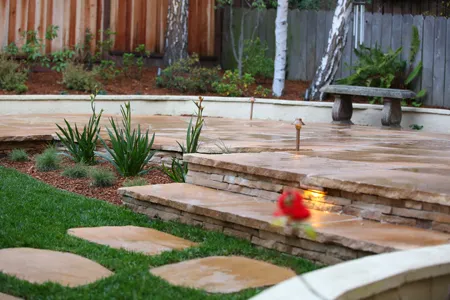
Jenn's Gardening is a full-service landscaping company based in Fremont, CA, serving the Peninsula area. Since 1993, owner Jennifer France and her team have provided a wide range of services including lawn mowing, fertilization, weed control, sod installation, irrigation system installation and repair, tree pruning and removal, hardscaping with pavers and retaining walls, and yard drainage solutions. They specialize in water-wise irrigation systems and use environmentally safe methods for disease and pest control to maintain healthy, attractive gardens. Jenn's Gardening combines decades of experience with personalized care to create functional and beautiful outdoor spaces.
The Davey Tree Expert Company
2496 Bay Rd, Redwood City, CA 94063
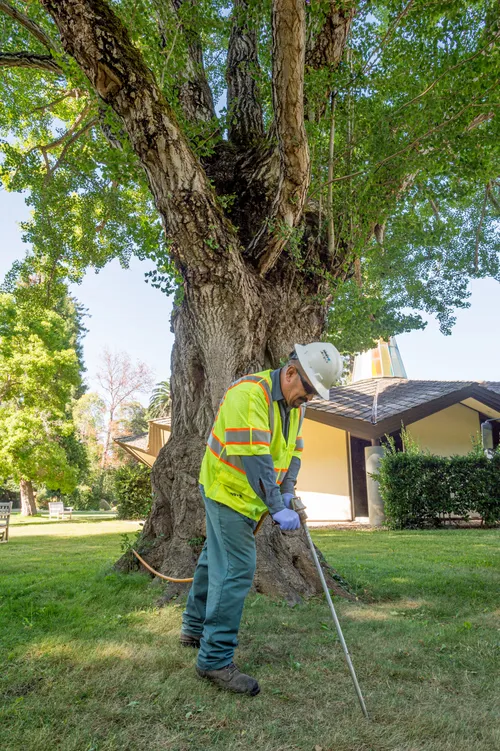
The Davey Tree Expert Company provides comprehensive tree and lawn care services in Fremont, CA. Their certified arborists offer tree removal, pruning, fertilization, and health inspections, along with lawn fertilization and pest control. With over 130 years of experience since 1880, they bring deep knowledge of local tree species and common regional challenges such as pests and diseases. The company is fully licensed, insured, and accredited, ensuring professional and safe service.
Guzman Landscaping maintenance
2917 Magliocco Dr #5, San Jose, CA 95128
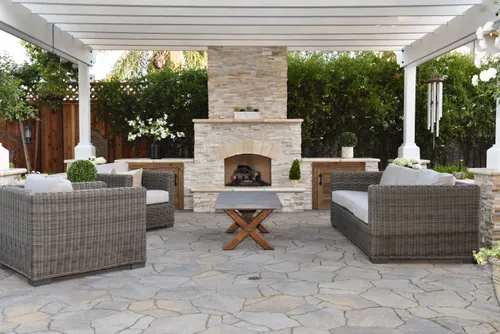
Guzman Landscaping Maintenance is a lawn care and landscaping company based in San Jose, CA. They offer a range of services including routine lawn mowing, edging, trimming, lawn cleanup, tree and shrub trimming, yard clean-ups, and comprehensive tree health inspections. Their capabilities include detailed tree assessments for disease, pests, and structural health, ensuring proper care or safe removal when necessary. The company emphasizes local expertise and provides full-service yard maintenance tailored to customer needs.
J&R Green Landscape
San Jose, CA
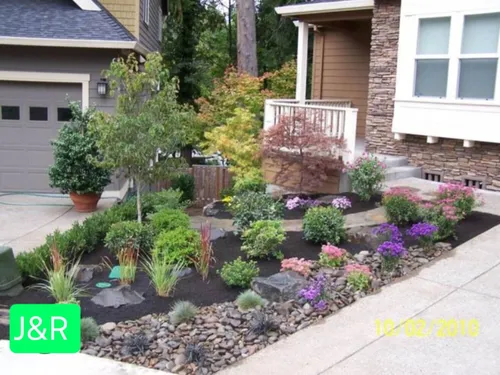
J&R Green Landscape is a landscaping company based in San Jose, CA, serving residential and commercial clients since 2001. They offer a wide range of services including sod and artificial grass installation, tree planting, irrigation system design and installation, hardscaping such as flagstone side walls and water fountains, fence and gate construction, mulching, lawn care, landscape maintenance, and tree trimming. Their team combines horticultural knowledge with craftsmanship to create sustainable and visually appealing outdoor spaces. With over 20 years of experience, they emphasize quality materials and precise workmanship to ensure long-lasting results.
Understanding Your Redwood City Lawn
The foundation of effective lawn care is knowing what type of grass you're growing. In Redwood City and the wider Bay Area, cool-season grasses are the most common due to the region's mild winters and warm, dry summers.
Common Grass Types:
- Tall Fescue: Popular for its drought tolerance and deep root system, making it a resilient choice for local conditions.
- Perennial Ryegrass: Known for its quick germination and establishment, often used in seed mixes for a lush appearance.
- Kentucky Bluegrass: Provides a dense, soft turf but may require more water in hotter microclimates.
While less common, some properties in sun-drenched, hotter pockets may feature warm-season grasses like Bermuda or Zoysia. 1 Identifying your grass type is the first step, as it directly influences the timing and formulation of fertilizer and herbicide applications.
The Bay Area Lawn Care Calendar
A proactive, seasonal approach is key to lawn health. Local lawn care experts typically structure treatment programs around 4 to 6 visits per year, aligning with the grass's natural growth cycles.
Early Spring (March): This visit focuses on awakening the lawn. A light application of fertilizer encourages green-up, while a pre-emergent herbicide is crucial for preventing crabgrass and other summer annual weeds before they germinate.
Late Spring (May): As growth accelerates, a balanced fertilizer supports lush development. Targeted weed control addresses any broadleaf weeds (like dandelions or clover) that have emerged. This is also a good time for insect monitoring.
Summer: The focus shifts to maintenance and stress management. Fertilizer applications are minimal or halted to avoid pushing growth during heat or water stress. Services often include monitoring for pests and diseases, along with spot-treatment for weeds. 2
Fall (September - October): This is the most important season for cool-season lawns. A heavy feeding with fertilizer helps rebuild energy reserves in the roots for the winter. Core aeration relieves soil compaction, and overseeding fills in thin areas. A final "winterizer" fertilizer application in late fall promotes root growth and prepares the grass for dormancy. 3
Components of a Professional Treatment Program
When you hire a service for lawn feeding and weed management, their program will typically include several integrated components:
- Customized Fertilization: Professionals apply balanced, slow-release fertilizers (with appropriate Nitrogen, Phosphorus, and Potassium ratios) tailored to your soil's needs and the season.
- Pre-Emergent & Post-Emergent Weed Control: Pre-emergent herbicides form a barrier in the soil to stop weed seeds from sprouting, while post-emergent treatments eliminate existing weeds. Experts know which products are safe and effective for your specific grass type. 4
- Insect and Disease Monitoring: Part of a comprehensive program includes checking for signs of pest damage or fungal issues common to the area.
- Core Aeration & Overseeding: Often included in premium plans, aeration improves water and nutrient uptake, while overseeding introduces new, robust grass plants to thicken the turf.
Local Considerations for Redwood City Homeowners
Beyond the standard calendar, several local factors influence lawn care strategies in Redwood City.
Water Management: Adherence to local water restrictions is paramount. A healthy, properly fertilized lawn develops deeper roots and is more drought-resilient. Professionals can advise on optimal, water-efficient irrigation schedules that align with treatment timing. 5
Choosing a Local Provider: Seeking out companies with established expertise in the Bay Area, such as those with strong local reviews, ensures they understand these regional nuances-from microclimates to common local weeds and soil conditions. 6 They can provide the localized lawn care necessary for long-term success.
Find the perfect lawn treatment companies for your needs
Get personalized recommendations and expert advice
Understanding Service Investment
The cost for professional lawn nutrition and weed suppression services in Redwood City varies based on the size and condition of your lawn and the comprehensiveness of the program. 7
For a standard-sized lawn, individual visits for fertilization and weed control typically range from $50 to $100 per application. 8 An annual basic fertilization program often falls between $300 and $600. 8 More comprehensive plans that include essential services like core aeration, overseeding, and pest control will be a higher investment. It's most accurate to request a property-specific estimate, as pricing is heavily influenced by square footage and the lawn's current health. 9
The Value of Professional Lawn Care
While DIY lawn care is an option, partnering with a professional offers distinct advantages for Redwood City residents. Experts bring diagnostic skills to identify underlying issues like soil compaction or pH imbalance. They have access to commercial-grade products and the knowledge to apply them safely and effectively at the correct time. Perhaps most importantly, they provide consistency-a scheduled, science-based program that prevents problems before they start, saving you time and often leading to a healthier, more beautiful lawn with less long-term expense.
Frequently asked questions
Sources
Footnotes
-
Grass Types That Perform Well in California - Simple Lawn Solutions - https://simplelawnsolutions.com/blogs/lawncare/grass-types-that-perform-well-in-california ↩
-
When to Fertilize Your Lawn in California - LawnStarter - https://www.lawnstarter.com/blog/california/when-to-fertilize-lawn-california/ ↩
-
Spring Lawn Care Preparation & Steps - Home Depot - https://www.homedepot.ca/en/home/ideas-how-to/outdoors/lawn-garden/spring-lawn-care-preparation-and-steps.html ↩
-
Guide To Weed Control For Cool Season Grasses - https://www.solutionsstores.com/guide-to-weed-control-for-cool-season-grasses ↩
-
Best Grass Seed for the San Francisco Bay Area - Lawn Love - https://lawnlove.com/blog/best-grass-seed-bay-area/ ↩
-
TOP 10 BEST Lawn Fertilizing in Redwood City, CA - Yelp - https://m.yelp.com/search?find_desc=Lawn+Fertilizing&find_loc=Redwood+City%2C+CA ↩
-
How Much to Charge For Lawn Mowing: Pricing Charts and Formula - https://www.getjobber.com/academy/lawn-care/how-to-price-out-lawn-care-services/ ↩
-
How much does lawn care service cost? - Green Lawn Fertilizing - https://www.greenlawnfertilizing.com/blog/how-much-does-lawn-care-service-cost ↩ ↩2
-
How Much Does TruGreen Cost? (2026) - HomeGuide - https://homeguide.com/costs/trugreen-cost ↩