Find the Best Lawn Treatment Companies for Your Business
No obligation • Fast responses • Nationwide coverage

Why you can trust Landscape Atlas
Landscape Atlas is a leading United States resource for evaluating landscaping, lawn care, and outdoor service providers. Our team researches each category in depth, focusing on service quality, safety, and customer experience. Listings and rankings are based on independent criteria and user feedback, and companies cannot pay to influence our assessments or recommendations.
Search providers near you
Top Lawn Treatment Companies in Tustin, California Ranked
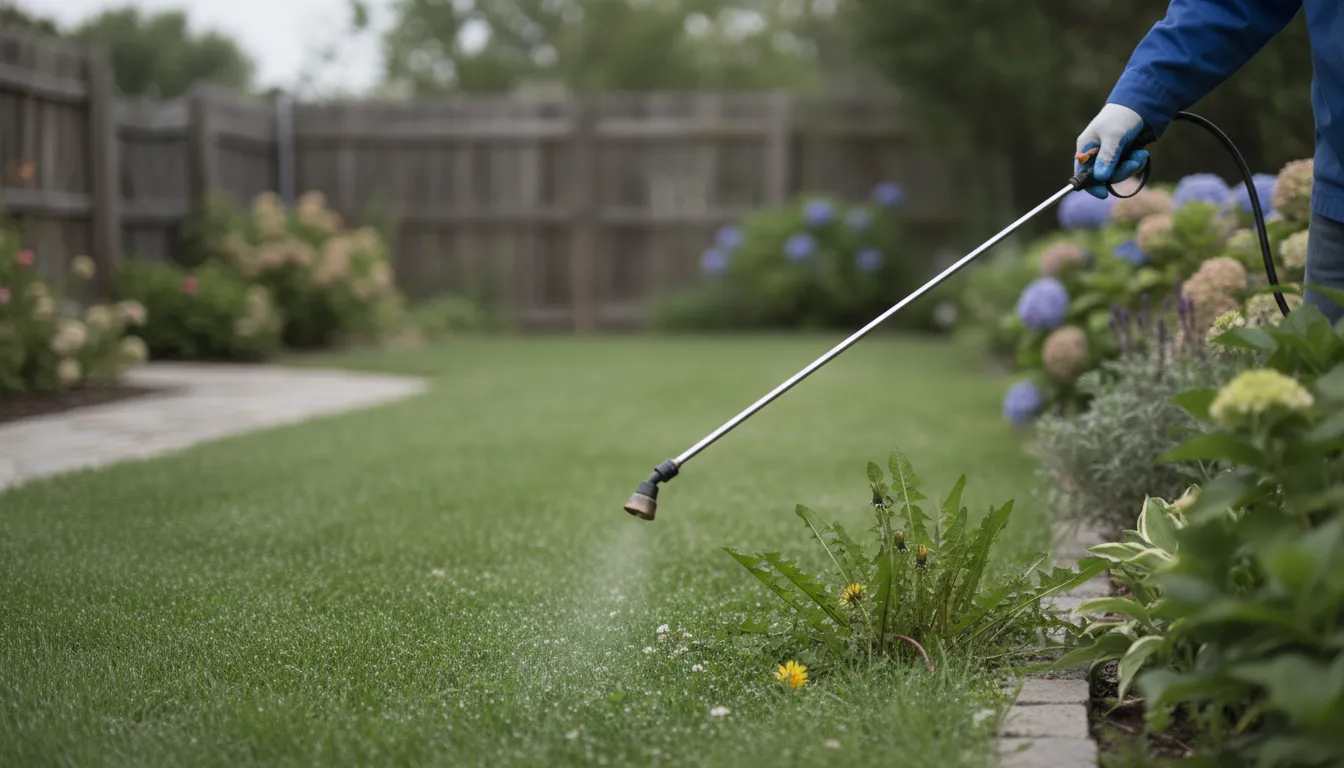
A healthy, vibrant lawn is more than just a patch of grass; it's an extension of your home and a source of curb appeal. Lawn fertilization and weed control are essential, interconnected services that provide your turf with the nutrients it needs to thrive while suppressing invasive plants that compete for resources. For Tustin homeowners, navigating the local climate and grass types is key to a successful program. This guide will help you understand the process, timing, and benefits of professional lawn feeding and weed management, connecting you with the expertise needed to cultivate a resilient and beautiful yard.
TurFresh
418 Goetz Ave, Santa Ana, CA 92707
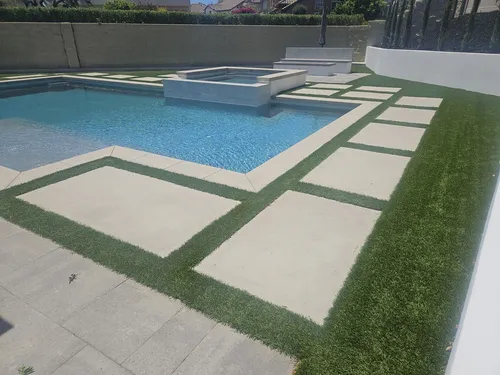
TurFresh is a lawn care company based in Santa Ana, CA, specializing in artificial turf maintenance and cleaning. They offer services such as pet urine odor removal, turf decompacting, deep brushing, debris removal, weed control, seam repairs, and turf infill adjustment. Their TurfBloom service helps restore the appearance and texture of artificial lawns by revitalizing turf fibers and infill materials. TurFresh customizes TurfCare plans to meet specific needs and provides a 30-day guarantee on their services.
BriteTurf
1421 N Wanda Rd, Orange, CA 92867
BriteTurf is a lawn care company based in Santa Ana, CA, specializing in lawn fertilization and weed control services. They offer standard weed removal as part of their lawn care packages, addressing typical weed growth in turf. Excessive weed growth may require additional repair services.

Lawnscape Systems, Inc.
5215 State St, Montclair, CA 91763
Lawnscape Systems, Inc. is a lawn care and landscaping company based in Los Angeles, CA, serving Southern California including Orange, San Bernardino, Riverside, Ventura, and San Diego counties. They offer a range of services such as fertilization, weed control, lawn pest control, aeration, overseeding, and commercial landscaping. With over 45 years of experience since 1979, Lawnscape Systems provides tailored lawn care programs designed to maintain healthy lawns year-round. Their capabilities include specialized fertilization, broadleaf weed control, disease and insect treatments, and weed abatement using herbicides and soil sterilants to protect lawns from pests and invasive grasses.
Greenplace Inc
2151 Pacific Ave A205, Costa Mesa, CA 92627
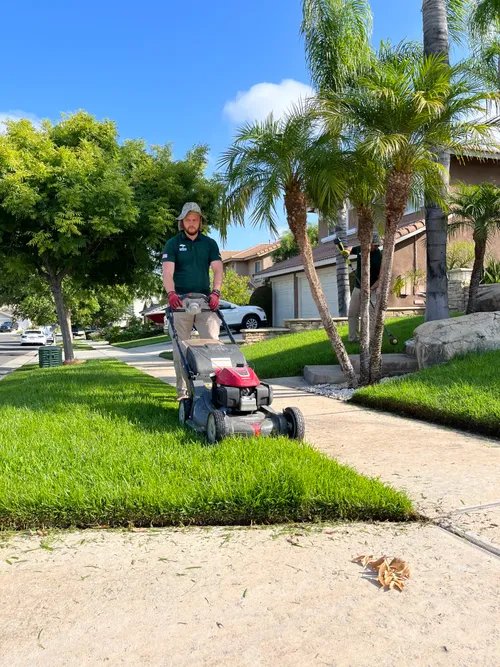
Greenplace Inc is a landscaping company based in Santa Ana, CA, offering a wide range of services including landscape design, hardscaping, lawn care, irrigation installation and repair, artificial turf, and yard drainage solutions. They serve both residential and commercial clients throughout Southern California, including Orange County and Los Angeles. Greenplace specializes in creating custom outdoor environments that combine aesthetic appeal with practical features such as smart irrigation systems to optimize water use. Founded by Volodymyr Dragan and Viktor Peshekhonov, the company emphasizes craftsmanship and long-term vision in their work. Their licensed team is known for detailed project management and responsiveness to client needs.
Excellence landscaping and Maintenance
11312 Buell St, Downey, CA 90241
Excellence Landscaping and Maintenance is a full-service landscaping company based in Los Angeles, CA. They offer a wide range of services including lawn mowing, fertilization, weed control, landscape design, tree care, sprinkler installation and repair, yard cleaning, and pressure washing. Their expertise includes customized irrigation systems to keep gardens healthy and vibrant. The company focuses on personalized and meticulous care to transform outdoor spaces into beautiful and functional environments.
Understanding Your Tustin Lawn's Needs
The foundation of effective lawn care in Tustin begins with recognizing the local environment. The city's warm, Mediterranean climate is ideal for warm-season grasses like Bermuda and St. Augustine, which have specific growth cycles and nutritional demands. These grasses enter their peak growing phase when soil temperatures rise, typically from late spring through early fall. A one-size-fits-all approach rarely works, as soil composition, sun exposure, and irrigation patterns can vary significantly from one yard to the next. Professional lawn nutrition and herbicide programs are tailored to these unique conditions, ensuring treatments are both effective and efficient.
The Synergy of Feeding and Weed Management
Fertilization and weed control are most powerful when applied as a coordinated strategy. Fertilizer delivers essential nutrients-primarily nitrogen, phosphorus, and potassium-that promote dense, green growth and strong root systems. A thick, healthy lawn is naturally more resistant to weed invasion, as it leaves little room for unwanted seeds to germinate and take hold. Conversely, weed control treatments target broadleaf weeds (like dandelions and clover) and grassy weeds that can quickly overtake stressed turf. By combining these services in an integrated lawn care program, professionals address both the symptom (weeds) and the underlying cause (a lawn lacking the vigor to outcompete them) 1.
The Professional Service Cycle: What to Expect
Professional lawn care providers in Tustin typically operate on a scheduled visit model, creating a consistent regimen for your property.
Seasonal Timing and Frequency
For Tustin's common warm-season grasses, the fertilization calendar is crucial. The most effective times to apply fertilizer are during periods of active growth: typically in late spring (May), early summer (June), and early fall (September/October). This schedule aligns with the grass's natural needs, providing a nutrient boost right when it can be best utilized. Weed control is often integrated into these visits, with pre-emergent herbicides applied in late winter or early spring to prevent weed seeds from sprouting, and post-emergent treatments used to eliminate existing weeds during the growing season. Most comprehensive programs involve visits every 6 to 8 weeks throughout the peak season, ensuring consistent care and timely interventions 2.
The Visit Process
A typical service visit from a lawn feeding and weed management expert involves several steps. First, the technician will assess the current condition of the lawn, noting any new weed pressure or areas of stress. They then apply a blended treatment, which may include both granular fertilizer and liquid herbicides, using calibrated commercial equipment for even coverage. Many providers use targeted spot treatments for weeds, minimizing overall chemical use. After application, they will usually provide care instructions, such as watering recommendations to help the products activate properly and integrate into the soil.
Investment and Value: Understanding Costs
The cost for professional lawn fertilization and weed control in Tustin varies based on several factors, but understanding the typical range helps in evaluating services.
Pricing Structures
Providers generally offer pricing on a per-visit basis or as a bundled annual program. A single visit focused primarily on weed control might range from $50 to $100, while a visit that includes a full fertilization and weed management application typically falls between $60 and $225+, depending on the products and scope 3 4 5. Opting for an annual program is often more economical and ensures your lawn is on a planned, proactive schedule. For a basic annual fertilization and weed control program, Tustin homeowners can expect to invest roughly $300 to $600 4. More comprehensive, full-service plans that may include soil amendments, pest control, or aeration can range from $450 to $2,000+ annually 5 6.
Factors Influencing Price
Several key elements determine where your lawn falls within these ranges:
- Lawn Size: This is the primary cost driver. Pricing is often based on the square footage of turf area.
- Service Level: Basic programs differ from premium plans that might use organic or specialized "green" products, which can command a higher price.
- Lawn Condition: Lawns with significant weed infestations or poor soil health may require more intensive initial treatments.
- Provider Type: Local, independent lawn care companies often provide highly personalized service and can sometimes offer more competitive pricing compared to large national chains.
Find the perfect lawn treatment companies for your needs
Get personalized recommendations and expert advice
The Local Advantage in Tustin
Choosing a local lawn care professional familiar with Tustin's specific conditions offers distinct benefits. These experts understand the microclimates, common local weed types (like spurge or crabgrass), and the best grass varieties for the area. They can make real-time adjustments based on unusual weather patterns, such as a prolonged dry spell or an unexpected frost. This localized knowledge often translates into more effective, responsive, and personalized lawn health management. Furthermore, supporting local businesses often means dealing directly with the owner or a dedicated account manager, fostering better communication and accountability.
Realistic Expectations for Results
Patience is important when starting a new lawn care regimen. Initial improvements, such as a greener color and a noticeable reduction in visible weeds, can often be seen within a few weeks of the first treatment 7. However, achieving a truly thick, healthy, and resilient lawn is a process that unfolds over months and across multiple seasons. Consistency is critical; the cumulative effect of regular, properly timed applications leads to deeper root systems, improved drought tolerance, and a lawn that naturally resists pests and disease 7. The ultimate goal is to transition your yard from a cycle of correction to a state of sustained health and beauty.
Tailoring Programs for Grass Types
While warm-season grasses dominate Tustin, some properties may have cool-season grasses like tall fescue, often found in shaded areas or older landscapes. It's vital that your service provider correctly identifies your grass type, as their needs are opposite.
- Warm-Season Grasses (Bermuda, St. Augustine): Thrive in heat. Their main fertilization and growth periods are late spring through summer, with a key fall application to prepare for winter dormancy.
- Cool-Season Grasses (Fescue): Grow most actively in the cooler spring and fall months. Their ideal fertilization schedule shifts to early spring (March), late spring (May), and fall (October/November), and they generally require more water to survive Southern California summers 8.
A professional will adjust the product selection, application timing, and even irrigation advice based on this fundamental distinction.
Beyond Basic Applications: Integrated Lawn Health
The most effective lawn care looks beyond just fertilizer and weed killer. Many local providers offer add-on services that complement the core program and address underlying issues.
- Soil Testing: This is the best way to diagnose specific nutrient deficiencies or pH imbalances, allowing for perfectly customized fertilizer blends.
- Core Aeration: This process removes small plugs of soil to alleviate compaction, allowing water, air, and nutrients to reach the root zone more effectively.
- Proper Irrigation Consultation: Over or under-watering is a common issue that can undermine even the best fertilization program. Experts can advise on optimal watering schedules for your specific lawn.
Investing in these supporting services can dramatically enhance the results of your fertilization and weed management plan, leading to a more sustainable and lower-maintenance lawn in the long run.
Frequently asked questions
Sources
Footnotes
-
Fertilization and Weed Plans for a Beautiful Lawn - https://www.lawndoctor.com/annual-programs/fertilization-and-weed-plans/ ↩
-
ExperiGreen: Customized Lawn Care Programs & Services - https://experigreen.com/lawn-care-program-bundles/ ↩
-
How Much Do Most Lawn Care Companies Charge in 2025 - https://www.thickgreenhealthy.com/how-much-do-lawn-care-companies-charge/ ↩
-
How much does lawn care service cost? - Green Lawn Fertilizing - https://www.greenlawnfertilizing.com/blog/how-much-does-lawn-care-service-cost ↩ ↩2
-
How Much Does Lawn Fertilization Cost in 2026? - https://lawnlove.com/blog/lawn-fertilization-cost/ ↩ ↩2
-
How much does lawn care service cost? - https://www.greenlawnfertilizing.com/blog/how-much-does-lawn-care-service-cost ↩
-
Fertilization & Weed Control: A Combined Approach - https://www.lawnscape.com/blog/2025/october/fertilization-weed-control-a-combined-approach/ ↩ ↩2
-
Lawn Fertilization & Weed Control in Southern California - https://www.lawnscape.com/lawn-care-services/fertilization-weed-control/ ↩