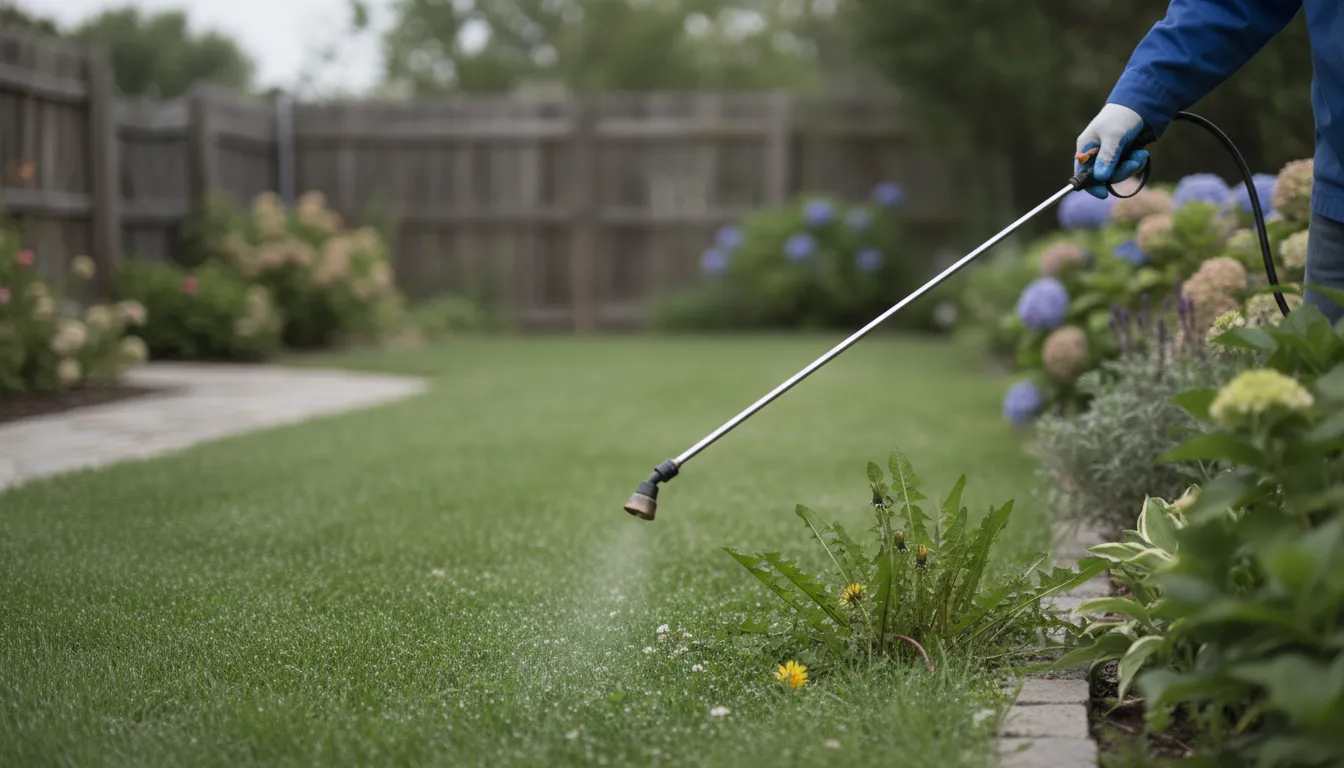
Find the Best Lawn Treatment Companies for Your Business
No obligation • Fast responses • Nationwide coverage

Why you can trust Landscape Atlas
Landscape Atlas is a leading United States resource for evaluating landscaping, lawn care, and outdoor service providers. Our team researches each category in depth, focusing on service quality, safety, and customer experience. Listings and rankings are based on independent criteria and user feedback, and companies cannot pay to influence our assessments or recommendations.
Search providers near you
Top Lawn Treatment Companies in Danbury, Connecticut Ranked
Maintaining a healthy, vibrant lawn in Danbury requires a strategic approach to feeding your grass and managing unwanted weeds. Professional lawn fertilization and weed control services provide the targeted nutrients and treatments necessary to nurture cool-season grasses through Connecticut's distinct seasons. This guide explains the local approach to lawn nutrition and pest management, helping you understand the process, timing, and benefits of a professional program so you can find the right local expertise for your property.
Sullivan & Son Landscaping Management
18 Belltown Rd, Stamford, CT 06905
Sullivan & Son Landscaping Management is a landscaping and hardscaping company serving New York, NY, with over 30 years of experience. They provide a wide range of services including lawn care, fertilization, weed control, sod installation, landscape lighting, tree services, yard drainage, sprinkler installation and repair, as well as hardscaping such as pavers and retaining walls. The company specializes in landscape construction and maintenance, offering expertise in retaining walls, patios, walkways, and outdoor living spaces. They also provide snow and ice management and junk removal services. Sullivan & Son is known for their detailed consultations and comprehensive project management to meet customer expectations.
Total Turf Landscaping
16 Schuman Rd, Millwood, NY 10546
Total Turf Landscaping is a landscaping company serving New York, NY, and surrounding areas including Westchester and Fairfield counties. They offer a wide range of services such as lawn and landscape maintenance, landscape design, hardscaping with masonry and pavers, irrigation system installation and repair, tree care including removal, and landscape lighting installation. One notable capability is their expertise in designing and installing artificial grass putting greens tailored for residential outdoor spaces. Total Turf Landscaping has years of experience delivering sustainable and functional outdoor solutions to their clients.
Bellantoni Landscape
121 Lafayette Ave, White Plains, NY 10603
Bellantoni Landscape is a family-owned landscaping company based near New York, NY, serving Westchester County, NY, and Fairfield County, CT. With over 60 years of experience, they provide a full range of services including lawn care, landscape design, hardscaping, sprinkler installation and repair, irrigation, and pest control. Their team of certified professionals manages projects from design through installation and maintenance, using proven techniques and premium materials to create and maintain outdoor spaces.
Understanding Danbury's Lawn Environment
Successful lawn care starts with understanding the local conditions. Danbury's climate, with its cold winters and warm, humid summers, is ideal for cool-season grasses. These grass types have their peak growth periods in the spring and fall, which directly dictates the timing for feeding and weed prevention 1. The most common grasses found in local lawns include:
- Kentucky Bluegrass: Prized for its dense, lush texture and rich green color. It spreads via underground stems called rhizomes, which helps it recover from damage and fill in bare spots.
- Perennial Ryegrass: Known for its quick germination and establishment, making it excellent for overseeding and repairing damaged areas. It provides a fine texture and good wear tolerance.
- Fescues: This category includes both fine and tall fescues. Fine fescues are particularly well-suited for shadier areas or poorer soils, while tall fescues offer deeper roots and better drought and heat resistance, valuable traits for surviving New England summers 2 3.
A one-size-fits-all approach rarely works. Soil composition, sun exposure, and lawn history all influence which fertilization and weed control strategy will be most effective.
The Professional Lawn Care Program: A Seasonal Guide
Local lawn care experts typically structure their services around an annual program consisting of 4 to 6 timed visits 4. This method ensures your lawn receives the right nutrients and protections at the optimal moments throughout the year, building resilience and beauty systematically.
| Season | Timing | Typical Treatments & Goals |
|---|---|---|
| Early Spring | March - Mid-April | Fertilization to fuel the "green-up" and strengthen roots. Pre-emergent weed control is applied to create a barrier against crabgrass seeds before they germinate. Existing broadleaf weeds like dandelions may also be treated. |
| Late Spring | Mid-April - June | Fertilization with slow-release nitrogen to prepare the lawn for summer stress. Post-emergent weed control targets visible broadleaf weeds. This is also a common time for grub prevention applications. |
| Summer | June - August | Optional, light fertilization may be applied to manage heat stress, often with slow-release formulas. Targeted spot treatment for any breakthrough weeds is common, along with pest control for issues like chinch bugs as needed. |
| Fall | September - Mid-October | The most critical fertilization of the year. This feeding promotes deep root development and helps the lawn recover from summer, storing energy for winter and the following spring. Pre-emergent control for winter annual weeds may be applied. |
| Late Fall | Late October - November | A final "winterizer" fertilization, high in potassium, is applied. This enhances the lawn's cold tolerance and disease resistance, ensuring it has the nutrients needed for a strong start next spring. |
This cyclical approach addresses both immediate needs and long-term lawn health. Fall, in particular, is not the time to skip service; it is arguably the most important season for feeding your lawn 5.
Find the perfect lawn treatment companies for your needs
Get personalized recommendations and expert advice
Key Services: Beyond Basic Feeding
A comprehensive lawn care program involves several interconnected services that go beyond simply spreading fertilizer.
- Soil Analysis: Many professionals begin with a soil test. This reveals your soil's pH and nutrient levels, allowing for a truly customized fertilizer blend that corrects deficiencies without over-applying certain elements.
- Pre-Emergent Weed Control: This is a proactive strategy. Herbicides are applied to the soil to prevent weed seeds (primarily crabgrass) from sprouting. Timing is critical and is based on soil temperature, not just the calendar 6.
- Post-Emergent Weed Control: This reactive treatment targets weeds that are already visible, such as dandelions, clover, and plantain. Selective herbicides are used to kill the broadleaf weeds without harming the grass.
- Grub & Insect Control: White grubs, the larvae of beetles, feed on grass roots and can cause significant damage. Preventive treatments are often applied in late spring or early summer. Curative treatments are available if an active infestation is found.
- Organic vs. Synthetic Programs: Homeowners can often choose between traditional synthetic fertilizers and herbicides or organic-based alternatives. Organic lawn care relies on natural ingredients and often focuses more on long-term soil health, though results may be slower.
What Influences the Cost of Lawn Care in Danbury?
The investment in a professional lawn nutrition and weed management program varies based on several factors specific to your property. Understanding these can help you interpret quotes and choose a service level that fits your goals and budget.
Primary Cost Factors:
- Lawn Size: This is the most significant factor. Services are typically priced per application, with costs scaling based on the square footage of turf being treated.
- Program Scope: A basic fertilization-only plan will cost less than a full program that includes weed control, insect prevention, and soil amendments. The number of annual visits (e.g., 4 vs. 6) also affects the total price.
- Property Conditions: Lawns with severe weed infestations, poor soil, or significant slopes that require special equipment may incur higher costs.
- Product Choice: Programs utilizing premium or organic products may have a higher price point than those using standard synthetic materials.
To provide a general reference, here are average cost ranges for professional lawn fertilization and weed control services in the Danbury area 7:
| Lawn Size | Average Cost Per Application | Typical Annual Cost (4-6 Visits) |
|---|---|---|
| Small (under 5,000 sq. ft.) | $50 - $150 | $200 - $600 |
| Medium (5,000 - 10,000 sq. ft.) | $65 - $200 | $260 - $800 |
| Large (1/4 acre, ~10,890 sq. ft.) | $100 - $300 | $400 - $1,200 |
| Very Large (1/2 acre, ~21,780 sq. ft.) | $200 - $500 | $800 - $2,000 |
Note: Many local companies offer a discount for committing to an annual program upfront compared to paying for each service individually 8 9. The most accurate way to determine cost is to obtain a personalized, on-site quote from a provider, which you can find through local service platforms 10 11.
The Benefits of Professional Lawn Nutrition Management
While DIY lawn care is an option, partnering with a professional offers distinct advantages for Danbury homeowners:
- Expert Timing: Professionals know precisely when to apply pre-emergent herbicides for crabgrass or the ideal fall fertilization window based on local weather patterns and soil temperatures 12 13.
- Correct Product Selection: They can diagnose issues (e.g., yellowing due to nutrient deficiency vs. disease) and choose the correct product from commercial-grade options not available at retail stores.
- Customized Formulations: Based on soil tests, pros can adjust the nutrient ratios (N-P-K) in their fertilizer blends to address your lawn's specific needs.
- Time & Convenience: They handle the purchasing, storage, and application of materials, saving you weekend hours and ensuring the job is done correctly and safely.
- Consistent Results: A scheduled annual program provides consistent care, preventing the boom-and-bust cycles that can occur with irregular DIY feeding and weed control.
Frequently asked questions
Sources
Footnotes
-
Connecticut Lawn Care Schedule For a Healthy Lawn Year ... - https://www.lawnstarter.com/blog/connecticut/connecticut-lawn-care-schedule/ ↩
-
Selecting an Appropriate Grass for Your Lawn - https://homegarden.cahnr.uconn.edu/factsheets/selecting-an-appropriate-grass-for-your-lawn/ ↩
-
Discover the Best Cool-Season Grasses for Your Connecticut ... - https://lawnscience.com/the-four-types-of-cool-season-grasses-that-shape-connecticut-landscapes/ ↩
-
Expert Lawn Care Services in Connecticut | TLC - https://tlcthelawncompany.com/service-areas/connecticut ↩
-
Why Fall Is the Best Time to Fertilize Your Lawn - Perennial Services - https://www.perenniallawncare.com/why-fall-is-the-best-time-to-fertilize-your-lawn/ ↩
-
When to Apply Weed and Feed to Your Lawn - LawnStarter - https://www.lawnstarter.com/blog/lawn-care-2/when-to-apply-weed-and-feed/ ↩
-
How Much Does It Cost to Fertilize a Lawn? (2026) - HomeGuide - https://homeguide.com/costs/lawn-fertilizer-service-cost ↩
-
average cost of lawn fertilization service: 7 Best 2025 Wins - https://ajmgrounds.com/average-cost-of-lawn-fertilization-service/ ↩
-
Lawn Care Services in Danbury, CT - GreenPal - https://www.yourgreenpal.com/local/lawn-care-danbury-ct ↩
-
Danbury, CT Lawn Care Service | Best of 2026 - LawnStarter - https://www.lawnstarter.com/danbury-ct-lawn-care ↩
-
Lawn Care Maintenance Services in Danbury, CT - TruGreen - https://www.trugreen.com/local-lawn-care/connecticut/danbury ↩
-
Month-by-Month Connecticut Lawn Care Schedule - Lawn Love - https://lawnlove.com/blog/connecticut-lawn-care-schedule/ ↩
-
When Is The Best Time To Fertilize My New England Lawn? - https://missiongreenservices.com/when-is-the-best-time-to-fertilize-my-new-england-lawn/ ↩