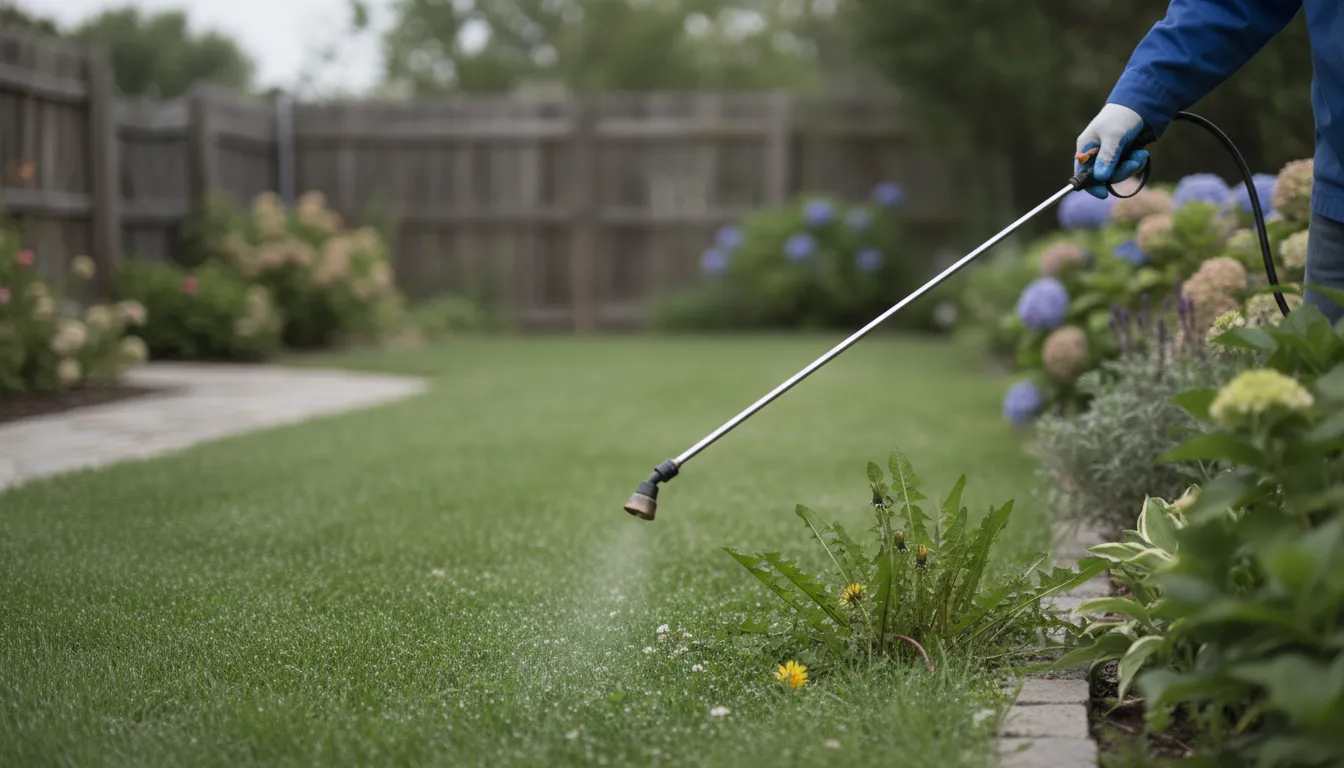
Find the Best Lawn Treatment Companies for Your Business
No obligation • Fast responses • Nationwide coverage

Why you can trust Landscape Atlas
Landscape Atlas is a leading United States resource for evaluating landscaping, lawn care, and outdoor service providers. Our team researches each category in depth, focusing on service quality, safety, and customer experience. Listings and rankings are based on independent criteria and user feedback, and companies cannot pay to influence our assessments or recommendations.
Search providers near you
Top Lawn Treatment Companies in Greenwich, Connecticut Ranked
A healthy, vibrant lawn is a cornerstone of Greenwich's beautiful residential landscapes. Achieving this requires a targeted, scientific approach to lawn fertilization and weed management, tailored to the specific needs of our local climate and soil. This guide explains the essential components of a professional lawn care program, helping you understand the seasonal strategies and treatments that keep Greenwich lawns lush and resilient, and how to find the right local expertise for your property.
Heroes Lawn Care
231 Herbert Ave Space E, Closter, NJ 07624
Heroes Lawn Care provides lawn fertilization, weed control, sprinkler installation, and irrigation repair services in New York, NY. They focus on eco-conscious lawn care using environmentally responsible products and techniques. Their licensed team offers comprehensive lawn maintenance, including aeration and pet waste removal, tailored to each property. Heroes Lawn Care serves Northeast Bergen County and nearby areas with a proactive approach and quality assurance on every project.
Sullivan & Son Landscaping Management
18 Belltown Rd, Stamford, CT 06905
Sullivan & Son Landscaping Management is a landscaping and hardscaping company serving New York, NY, with over 30 years of experience. They provide a wide range of services including lawn care, fertilization, weed control, sod installation, landscape lighting, tree services, yard drainage, sprinkler installation and repair, as well as hardscaping such as pavers and retaining walls. The company specializes in landscape construction and maintenance, offering expertise in retaining walls, patios, walkways, and outdoor living spaces. They also provide snow and ice management and junk removal services. Sullivan & Son is known for their detailed consultations and comprehensive project management to meet customer expectations.
Refined Landscape and Design LLC
183 Scharer Ave, Northvale, NJ 07647
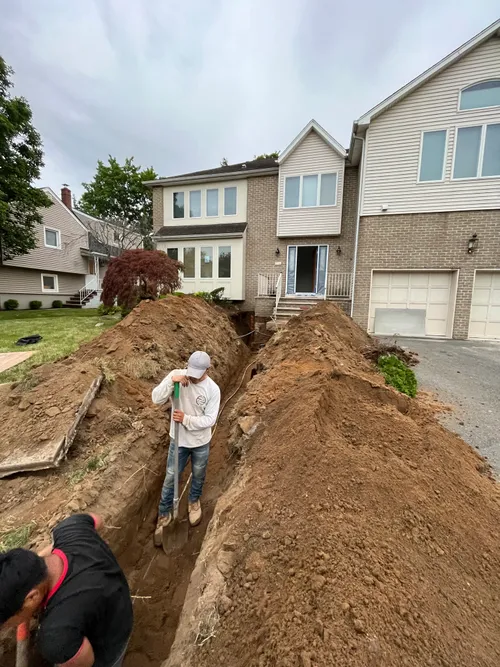
Refined Landscape and Design LLC is a landscaping and lawn care company serving New York, NY, with a focus on residential, commercial, agricultural, and industrial properties. They offer a wide range of services including landscape and hardscape design, lawn maintenance, paver and driveway installation, retaining walls, drainage solutions, land clearing, and seasonal care. Their skilled team handles comprehensive projects from design through completion, including securing permits and inspections. The company has a strong presence in Bergen County, NJ, and emphasizes quality craftsmanship and tailored outdoor living spaces. They also provide snow and ice management services during winter months.
Grass-Hoppers Landscaping
New York, NY
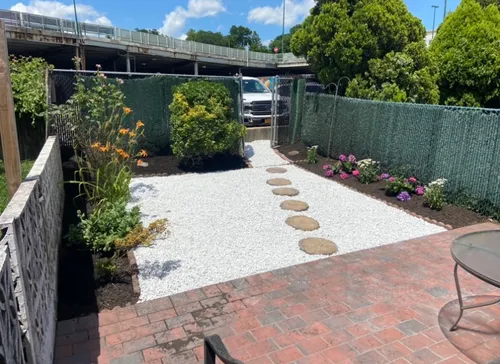
Grass-Hoppers Landscaping is a landscaping and lawn care company based in New York, NY. Established in 2017 with over 10 years of field experience, they offer a wide range of services including lawn mowing, fertilization, weed control, sod installation, tree trimming, and landscape design. The company focuses on detailed, efficient work and provides comprehensive solutions such as lawn disease care and seasonal landscaping. A portion of all sales supports the American Cancer Society.
Metropolitan Garden Design
22 E 88th St, New York, NY 10128
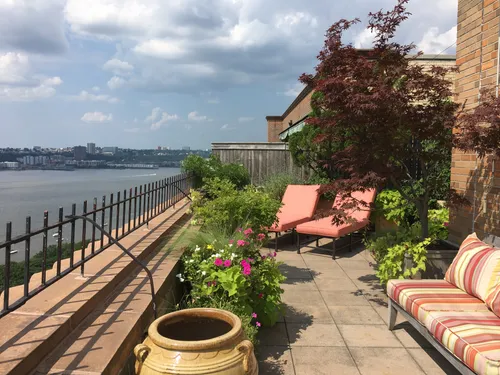
Metropolitan Garden Design is a full-service urban landscape design and construction company based in New York, NY. They specialize in creating and maintaining outdoor spaces such as rooftops, terraces, backyards, and sidewalk plantings for both commercial and residential clients. Their services include lawn fertilization, weed control, landscape lighting installation, sprinkler system installation and repair, hardscaping with pavers and retaining walls, and custom drip irrigation systems designed for ease of maintenance. The company uses high-quality plants and materials suited for the unique NYC environment and offers seasonal garden maintenance to keep outdoor spaces vibrant year-round.
Understanding Greenwich's Lawn Environment
Successful lawn nutrition and weed prevention starts with knowing what you're working with. Greenwich properties typically feature cool-season grasses like Kentucky Bluegrass and Tall Fescue, which thrive in the region's climate but have specific nutritional demands. The local soil is often a sandy loam that tends to be slightly acidic, requiring monitoring and occasional adjustment to maintain the optimal pH level for nutrient uptake. This foundation dictates the entire annual care schedule, from the type of fertilizer used to the timing of critical weed prevention applications.
The Role of Professional Soil Analysis
Before any treatment begins, a soil test is highly recommended. This analysis reveals your soil's precise pH and nutrient levels, allowing a lawn care specialist to tailor a fertilization plan that addresses deficiencies without over-applying products. Correcting pH with lime, for instance, can make the difference between a fertilizer that works effectively and one that is largely wasted.
The Seasonal Lawn Care Cycle
A professional lawn fertilization and weed control program in Greenwich isn't a one-time event; it's a year-round cycle designed to support grass during its peak growth periods and protect it during times of stress.
Early Spring (March - April)
This kick-off period focuses on recovery and prevention. A balanced fertilizer application provides essential nutrients for green-up and growth. The most critical step here is the application of a crabgrass pre-emergent, which forms a barrier to prevent this common invasive weed from germinating. Treatments for winter annual weeds and surface insects are also typically part of the early spring regimen.
Late Spring to Summer (May - August)
As temperatures rise, the focus shifts to sustaining health and controlling active pests. A late-spring feeding supports the lawn before summer stress. This is also the window for grub control applications to prevent root damage from these larvae 1. Throughout the summer, targeted broadleaf weed control tackles invaders like dandelions and clover, while post-emergent treatments may be needed for breakthrough crabgrass or summer weeds like nutsedge 2.
Fall (September - November)
Fall is arguably the most important season for lawn health in Greenwich. The cooler temperatures and increased rainfall are ideal for root development. Applications shift to fertilizers high in potassium, which strengthens grass plants for winter hardiness 3 4. This is the prime time for core aeration and overseeding to relieve soil compaction and introduce new grass varieties, thickening the turf to naturally crowd out future weeds 4. A final "winterizer" feed in late fall provides nutrients that are stored in the roots, giving the lawn a head start for the following spring.
Find the perfect lawn treatment companies for your needs
Get personalized recommendations and expert advice
Key Components of a Treatment Program
When evaluating lawn care services, you'll encounter programs built around several core treatments. Understanding what each one does will help you assess your needs.
- Fertilization: This is the scheduled delivery of essential nutrients (Nitrogen, Phosphorus, Potassium) in formulations matched to the season's goals-greening in spring, strengthening in fall.
- Pre-Emergent Weed Control: Applied before weed seeds germinate, this is a proactive barrier against crabgrass and other annual weeds. Timing is everything for this treatment to be effective.
- Post-Emergent Weed Control: This spot-treatment approach eliminates weeds that have already broken through, using selective herbicides that target weeds without harming your grass.
- Grub & Insect Control: Preventative treatments for grubs are applied in late spring/early summer, while curative treatments for other surface insects can be applied as needed.
- Soil Amendments: This includes applications like lime to correct soil pH, ensuring your lawn can actually use the nutrients provided by fertilizer.
The Value of a Multi-Application Program
Most local professionals offer bundled programs consisting of 4 to 6 seasonal visits 5 6. This systematic approach ensures treatments are applied at the optimal time for maximum impact. For example, missing the narrow window for crabgrass pre-emergent can lead to an infestation that requires more costly and less effective corrections later. A program provides consistency, taking the guesswork out of timing and product selection, and builds upon each previous treatment for cumulative, long-term results.
What to Expect from Professional Services
A full-season lawn care program typically includes scheduled applications every 6 to 8 weeks from early spring through late fall. Each visit combines fertilization with appropriate weed or pest control for that time of year. The technician will perform a brief inspection of the lawn at each visit to identify any new issues and adjust the treatment plan if necessary. Many companies also offer add-on services like aeration, overseeding, or mosquito control to complement the core program.
Investing in Your Lawn's Health
The cost for professional lawn fertilization and weed control in Greenwich reflects the region's standards for quality and the comprehensive nature of the service. Basic annual programs for nutrient and weed management typically range from $300 to over $600, depending on the size of your lawn and the specific services included 7 8. This is often structured as a per-visit cost, which can range from approximately $50 to $200 for combined fertilization and weed control 7. Vital add-ons like core aeration and overseeding can range from $150 to $750 annually, while a dedicated grub control treatment may cost between $75 and $150 7 8. These investments in systematic care not only enhance your property's curb appeal but also build a thicker, healthier turf that is more drought-tolerant and resistant to disease and weed invasion over time.
Frequently asked questions
Sources
Footnotes
-
Lawn Fertilization - Green Meadow Lawncare, LLC - https://www.greenmeadowlawncare.com/premium-fertilization-program ↩
-
Expert Lawn Care Services in Connecticut | TLC - https://tlcthelawncompany.com/service-areas/connecticut ↩
-
Connecticut Lawn Care Schedule For a Healthy Lawn Year ... - https://www.lawnstarter.com/blog/connecticut/connecticut-lawn-care-schedule/ ↩
-
The Best Lawn Care Schedule for Connecticut Homeowners - https://kmgscape.com/lawn-care-schedule/ ↩ ↩2
-
Greenwich, CT Lawn Care | 6000+ 5-Star Reviews - https://www.getsunday.com/local-guide/lawn-care-in-greenwich-ct ↩
-
What Can You Expect From Our 6-Treatment Lawn Care Program? - https://brooklawnservices.com/what-can-you-expect-from-our-6-treatment-lawn-care-program/ ↩
-
How much does lawn care service cost? - Green Lawn Fertilizing - https://www.greenlawnfertilizing.com/blog/how-much-does-lawn-care-service-cost ↩ ↩2 ↩3
-
How Much Does Lawn Care Cost in Bristol Connecticut? - https://kmgscape.com/lawn-care-cost-bristol-ct/ ↩ ↩2